Key Takeaways
- The best digital PR firms will tell you what they can and can’t do, such as who’s actually reading your story.
- Fake or shady agencies try to guarantee rankings or handpick placements on top websites, both of which no honest agency ever does.
- Real campaigns have a timeframe of 8-10 weeks or more—it takes time to build real journalist relationships, not shortcuts.
- Named outlets such as Forbes or CNBC or The Washington Post, are better to trust than something that says “high authority.
- Now that AI search tools heavily rely on earned media, your brand visibility in AI-generated answers is as critical as backlinks.
Type “best digital PR agencies” into Google and you’ll get hundreds of results. Almost every one of them is the same: high authority links, real results, trusted by hundreds of brands.
Here’s the thing about digital PR: it’s hard to fake for long. It is based on real relationships with real journalists, and after a while, it’s reflected in a real process.
The positive aspect is that the very best digital PR companies are not difficult to determine, provided you know what to listen on their part. Here are the ways that the authentic ones differ from the fake ones.
5 Things the Best Digital PR Agencies Will Always Tell You
A proper agency will not only try to sell you up on a sales call. They’ll tell you from the beginning that they have realistic expectations, since their relationship is going to be a long one.
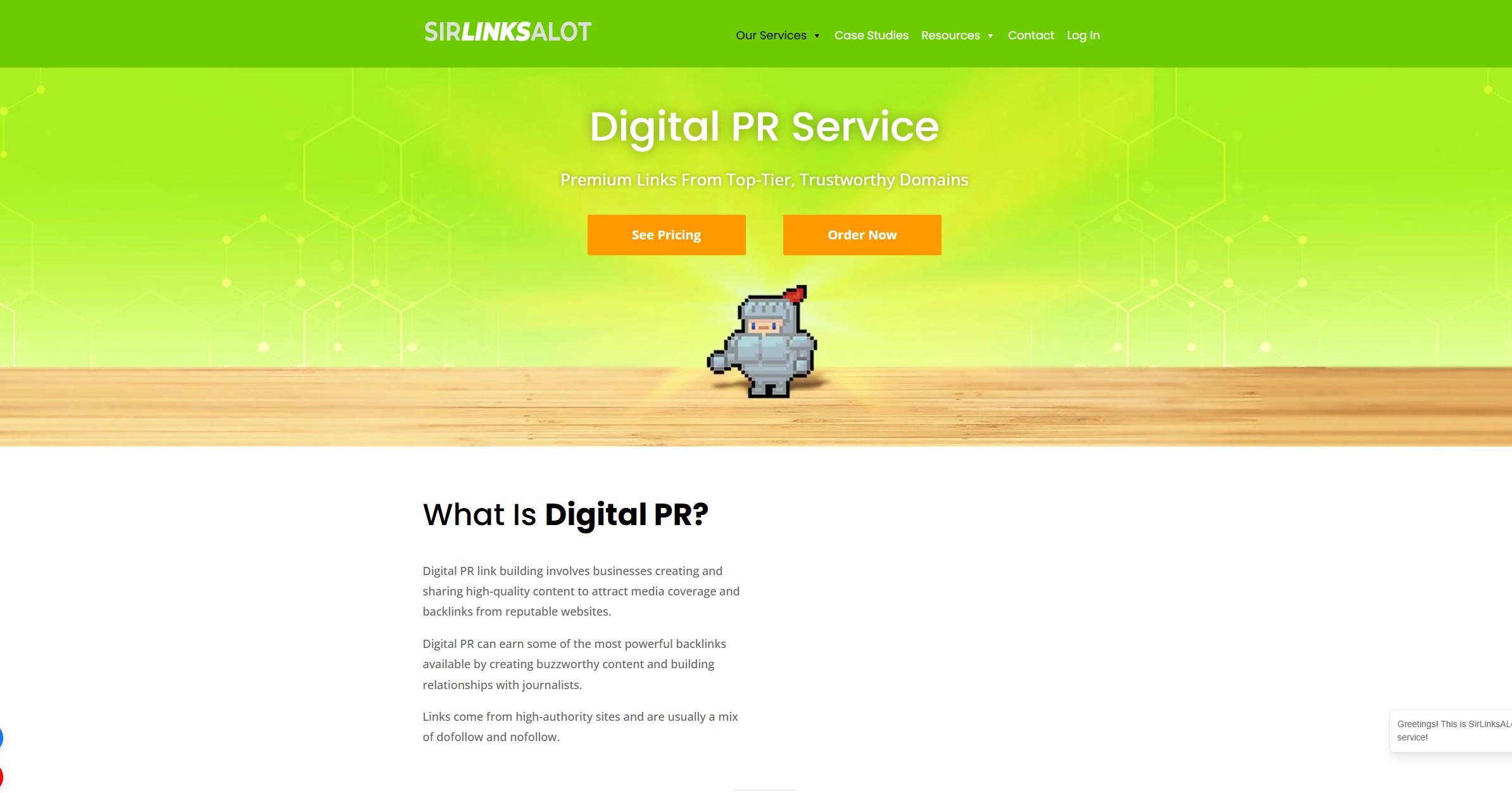
Take SirLinksAlot’s digital PR service as an example. Their campaigns have landed client coverage on outlets like HuffPost, GQ, the New York Post, and the Mirror. But more importantly, here’s what they lay out clearly before any campaign even starts:
- “We can’t guarantee which sites will run your story.” Digital PR is about pitching to journalists; it’s not about paying for placement, which means it’s up to the journalist to decide whether your story will be picked up, not the agency’s.
- “You won’t control the anchor text or exact link destination.” The links that are earned typically link to your home page, and the anchor text (the words that you click on to access a link) will be your brand name rather than your selected keyword. It’s actually a good thing, as it appears natural to Google.
- “This takes 8 to 10 weeks, minimum.” The entire process of building a campaign and collecting information, composing pitches, and waiting for journalist responses takes time. If you get results within a few days, it’s typically because corners have been cut.
- “Here’s the domain quality you can expect.” Honest web hosting companies provide you with a number, such as a minimum Domain Rating or a website’s score of how authoritative it is, rather than promising you anything. In that case, “high-quality” has a meaning that is measurable.
- “We can’t guarantee rankings.” Digital PR is a key component of SEO, but it’s not the complete solution. It’s not all about on-page content, technical health, or competition, though either, so no true agency guarantees the number one position.
If a salesperson skips past these points and jumps straight to big promises, that’s worth a second look before you sign anything.
How to Spot Real Results (Examples That Actually Happened)
Talk is easy. Results are what matter, so always ask an agency for real campaign examples with names attached, not just screenshots.
Some of the strongest digital PR work comes from data-driven storytelling. Self Financial, for instance, worked with an agency on a study estimating how much people pay in taxes over a lifetime across different U.S. states. That original data earned coverage from outlets like The Washington Post, Yahoo, USA Today, and CNBC, plus hundreds of backlinks, simply because it gave journalists numbers they couldn’t easily find anywhere else.
HubSpot took a different route with an evergreen hub of marketing statistics that it keeps updated year-round. Because writers keep coming back to reference it, that single resource has earned backlinks from major sites like Inc.com and CBS News for years, not just during one news cycle.
RareCarat took a narrower angle: valuing celebrity engagement rings using real gemological data instead of gossip. Outlets like Metro UK and The Scotsman kept citing it every time a new celebrity engagement made headlines.
Notice the pattern here: strong campaigns are built on original research, not just a well-written press release. When you’re comparing agencies, ask to see similar proof: actual outlet names and links, not vague claims about “DA 90 websites.”
Why Digital PR Matters Even More in the Age of AI Search
Backlinks used to be the whole story in SEO. Now, they’re only part of it.
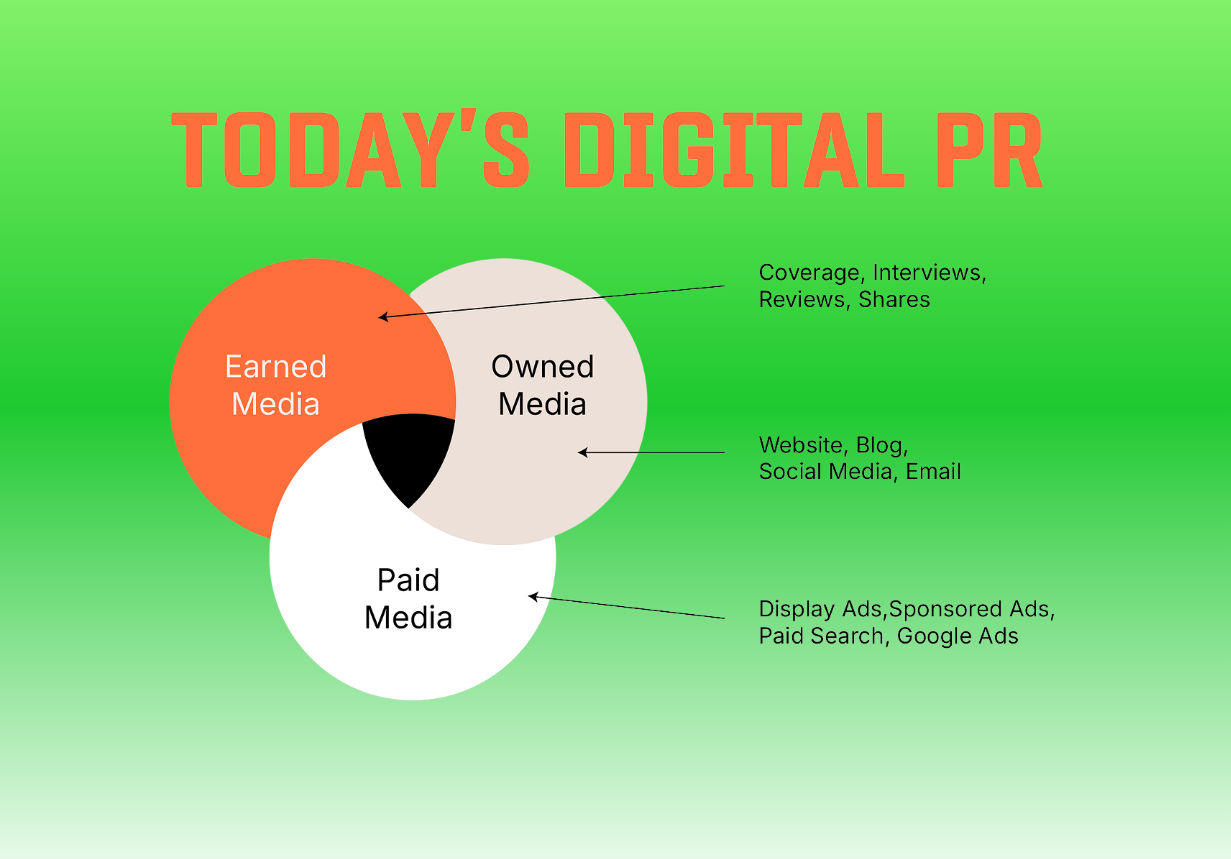
AI tools like ChatGPT and Google’s AI Overviews pull their answers from somewhere, and increasingly, that “somewhere” is earned media coverage rather than ads. A few data points make this clear:
- A 2025 Ahrefs study of 75,000 brands found that brand mentions, even without a link, are now roughly three times more predictive of AI visibility than backlinks alone.
- BrightEdge’s 2026 research found that only about 17% of AI Overview citations come from pages that also rank in the top 10 organically, meaning strong rankings no longer guarantee AI visibility.
- A 2026 Muck Rack analysis found earned media accounts for roughly 84% of AI citations, compared to just 0.3% for paid or advertorial content.
In short, getting your brand mentioned by trustworthy publications isn’t just good for reputation anymore. It’s becoming one of the clearest ways to show up when people ask AI tools for recommendations.
Conclusion
The best digital PR agencies treat you like a partner, not a paycheck. They explain their process, set realistic timelines, and back up their claims with real, checkable campaigns.
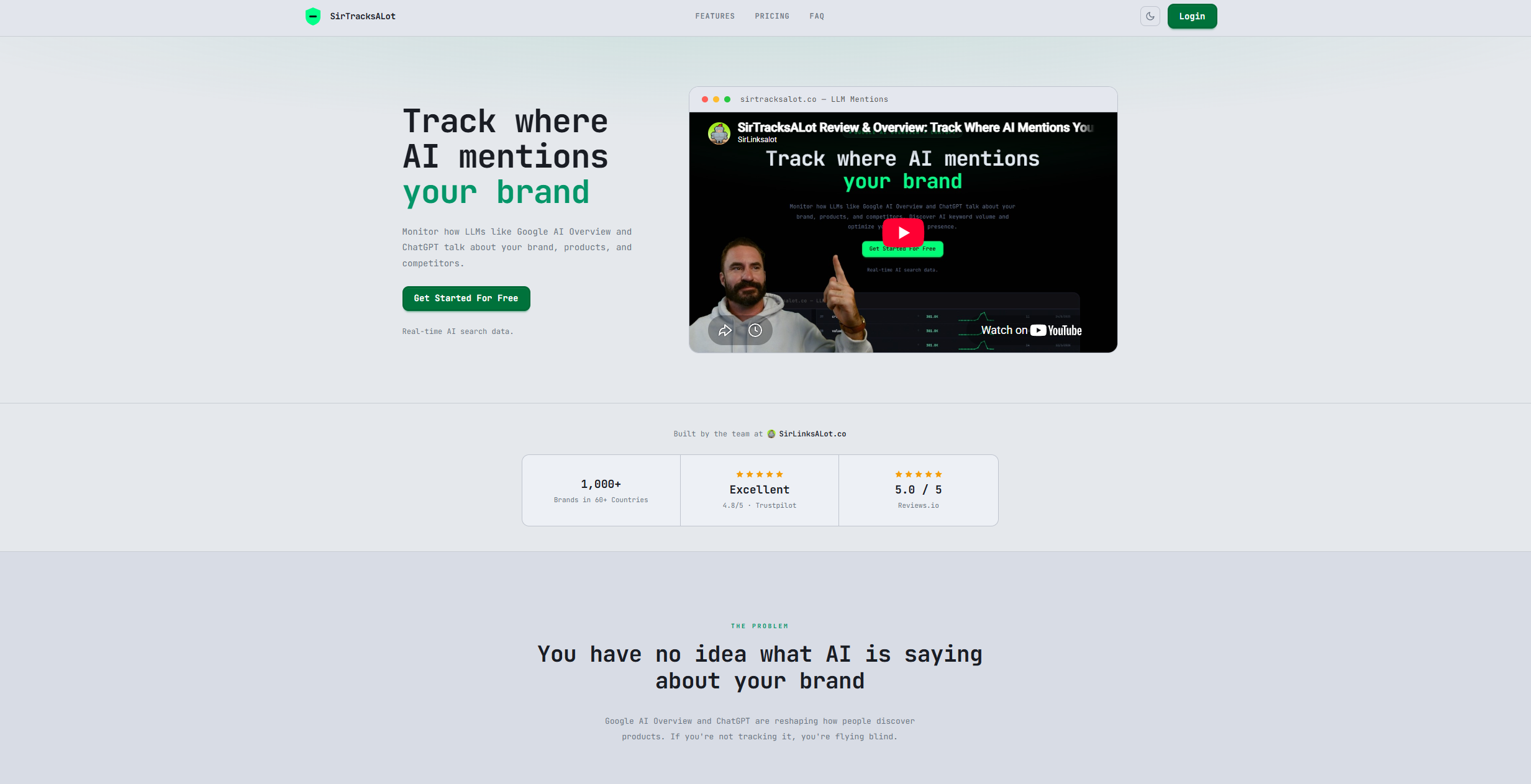
Once your campaign is live and mentions start rolling in, the next step is knowing whether it’s actually working, not just for Google, but for AI search too. That’s where a tool like SirTracksAlot comes in handy. It tracks where your brand shows up in AI-generated answers, like Google’s AI Overviews and ChatGPT, so you get the full picture of your visibility instead of just a backlink count.
Pair a transparent digital PR strategy with the right tracking, and you’ll always know exactly where you stand.
FAQs
What makes a digital PR agency “fake” or untrustworthy?
Typically it boils down to either unclear promises of guaranteed placements on certain popular sites, guaranteed rankings, or the extremely shortened timeframe to get your site up and running. The best digital PR firms will tell you that it takes time to build relationships with journalists and for any of them to turn into a result that can be guaranteed by anybody.
How long does digital PR take to show results?
Most campaigns take 8 to 10 weeks just to land the first placements. The ranking improvements from these links may take a couple months to become visible.
Is digital PR worth it for small businesses?
Yes, especially for building credibility fast. A single mention in a well-known outlet can do more for trust than dozens of smaller, generic links.
What’s the difference between digital PR and regular link building?
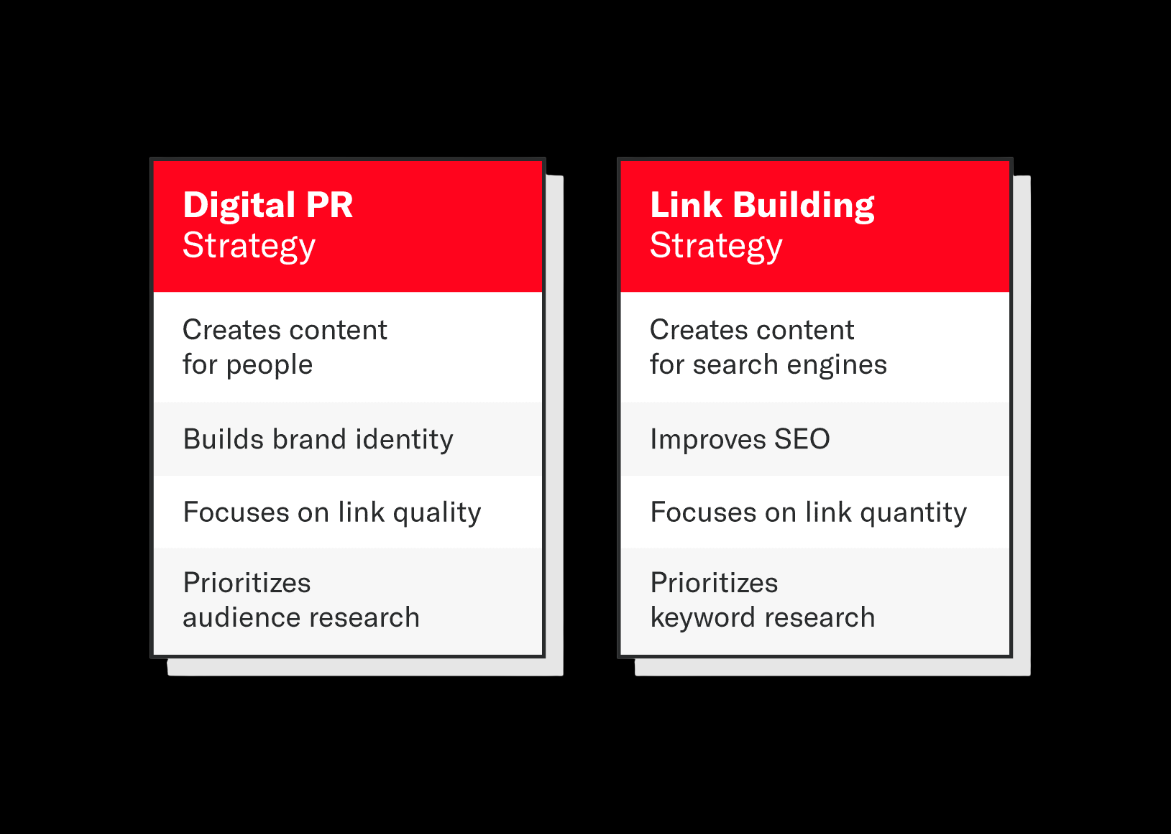
Often times, pages and keywords are targeted by regular link building. Digital PR can naturally build links through media coverage and you don’t have control over the exact placement of these links, but the links are more likely to have authority and trust.
How much does digital PR typically cost?
The rate ranges from agency to agency, between $3,000 and $12,000 per month, and the average rate per earned link is in the ballpark of $750. Ask for a breakdown of what’s included, like research, outreach, and reporting.