Key Takeaways
- DuckDuckGo distinguishes itself by putting your privacy first, providing anonymized searches and tracker blocking so you can surf without leaving a trace.
- Unlike most search engines, DuckDuckGo does not create user profiles, so your data remains private and you receive unfiltered results.
- You receive cookie-free search results—results that aren’t customized by your search history—opening you up to a wider spectrum of viewpoints and reliable information.
- With features such as search aggregation and convenient Bangs shortcuts, searching is faster and more fun, and app tracking protection helps prevent your data from getting leaked on mobile devices.
- DuckDuckGo’s business is based on private ads and affiliate links — serving you relevant ads without the tracking or privacy invasions.
- Changing over to DuckDuckGo and utilizing its browser extensions or mobile app is a simple step you can take to increase your online privacy — one that seamlessly integrates into your daily digital habits.
DuckDuckGo started out as the privacy-first alternative to Google — a search engine built for people who didn’t want to be tracked. Instead of collecting data, it focused on anonymous searches, a simple design, and unbiased results. For years, it was the go-to choice for anyone who valued online privacy.
But as new tools, AI-driven platforms, and evolving search habits changed the way people look for information, DuckDuckGo’s spotlight began to fade. So what exactly happened to it — and is it still worth using today? Let’s break it down.
The Privacy Promise
DuckDuckGo’s privacy promise is immersed in shielding users from third-party trackers and advertisers. Most Americans are concerned about their online lives being tracked, even in private browsing. With DuckDuckGo, the conversation is about securing searches and personal data with encryption, not profiling, tracker blocking.
Though this builds trust, it’s not infallible—data can still be harvested by ISPs and some hosts, and there have been isolated incidents of trackers escaping. Yet for others, the privacy promise is key to remaining anonymous online, such as digital marketers and SEO consultants who like to hold their own data.
1. Anonymized Searches
- DuckDuckGo anonymizes all search queries before they depart your device. Instead of tying queries to an IP address or user account, the engine removes this data, so requests look like they’re coming from a common source.
- Search with no digital footprint means your queries aren’t tracked, stored, or sold to advertisers. This strikes a chord with users who’ve been uncomfortable about seeing targeted ads trail them around the web.
- Encryption is critical, too, with DuckDuckGo HTTPS encrypting search traffic. This stage keeps search data opaque to outsiders, which increases the hurdle for snooping via hackers or even public wifi eavesdroppers.
- Because searches are not connected to particular users, the threat of search leakage—where queries are leaked to visited sites—is mitigated but not eliminated. It encourages a more secure and more private browsing practice.
2. No User Profiles
DuckDuckGo doesn’t create user profiles — meaning you’re not boxed in by ads that follow you everywhere. Since no personal data is stored, there’s less risk of breaches or misuse.
Everyone sees the same search results, no matter their browsing history. This levels the playing field and builds trust for people who want a privacy-first experience.
3. Unfiltered Results
Unlike other search engines, DuckDuckGo doesn’t filter results based on your past clicks or interests. Whether you’re in Austin or New York, the same search shows the same results.
This transparency reduces echo chambers and gives you a wider mix of sources. You get more perspectives, not just what an algorithm thinks you want.
4. Tracker Blocking
DuckDuckGo blocks hidden third-party trackers that try to collect your data. This makes it harder for advertisers to build profiles or follow you around the web.
You can adjust the blocking level in the settings, giving you control over your privacy. While some trackers may still sneak through, it’s a strong first line of defense.
Core Functionality
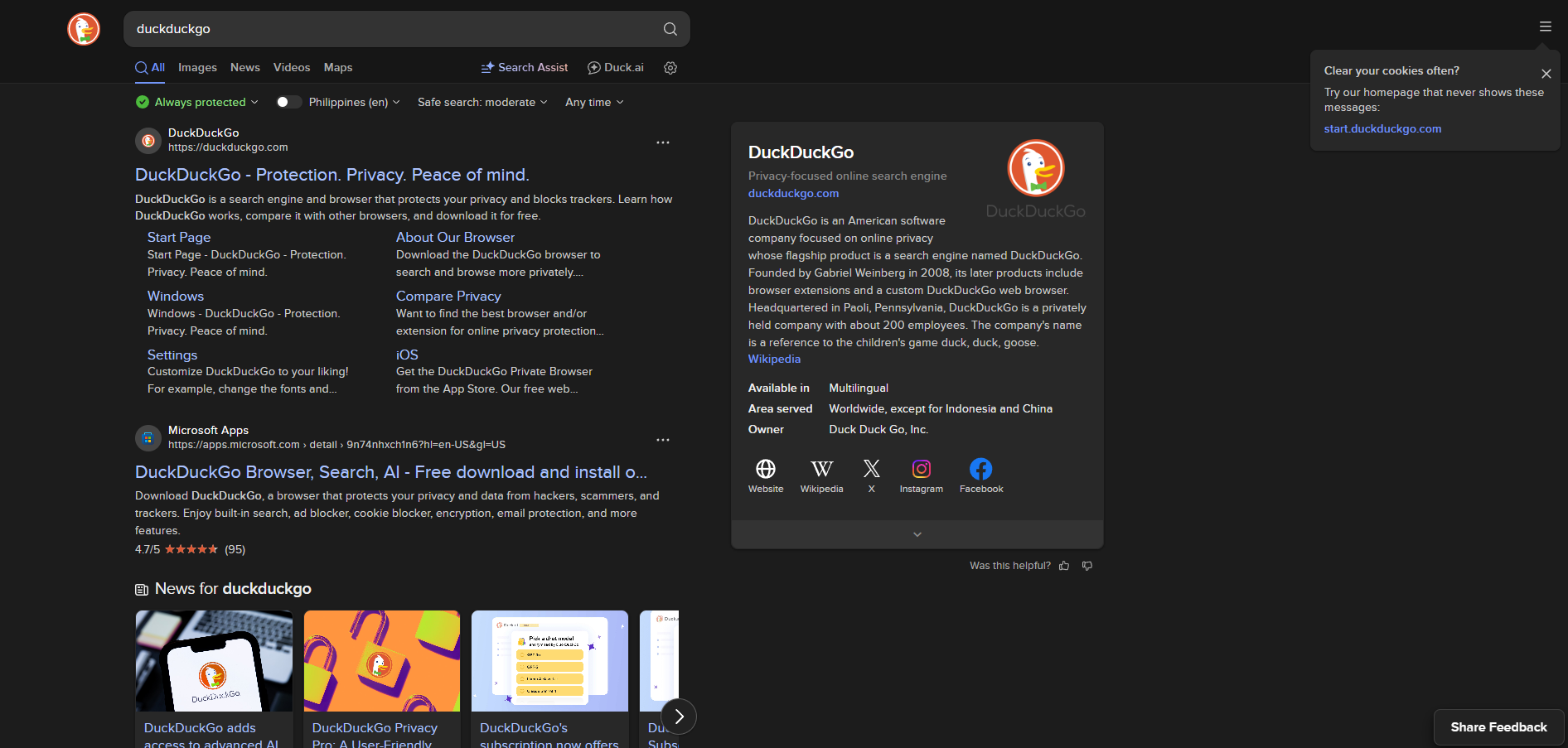
DuckDuckGo is unique for its privacy-first search focus, minimalist design, and convenient features that empower users to access information online without sacrificing privacy. With a tidy home page, no tracking, and scalable features, it’s a powerful option for privacy-minded searchers seeking something efficient.
At its core, DuckDuckGo brings together several functions that aim to change how people interact with the web:
- Aggregates search results from multiple sources for broader coverage
- Provides ‘Bangs’ shortcuts for quick, immediate searches on other sites
- Blocks trackers and limits data collection by default
- Shields users through products such as App Tracking Protection and Email Protection
- Maintains a minimalistic, user-friendly interface
Search Aggregation

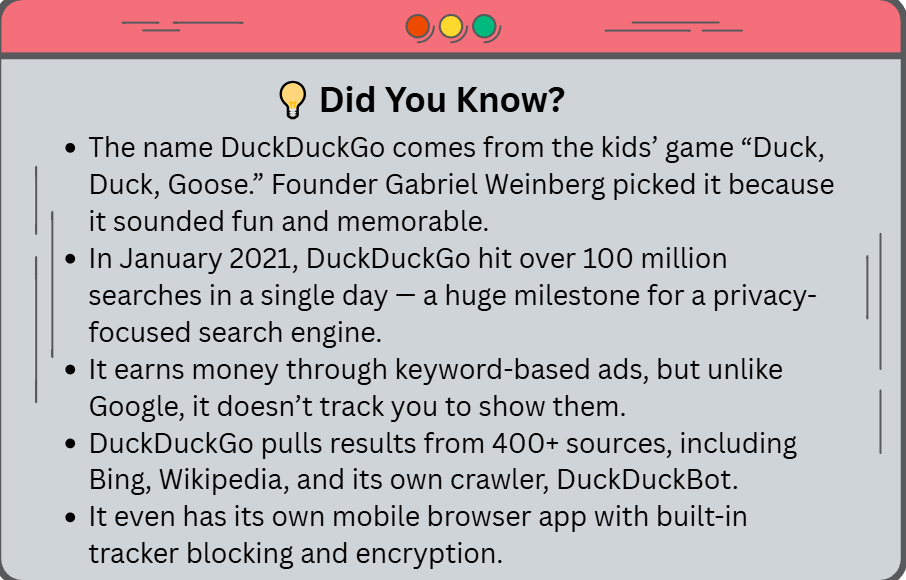
DuckDuckGo doesn’t rely only on its own database. It pulls results from hundreds of sources like Bing, Wikipedia, and its own crawler (DuckDuckBot).
This means you’ll see a mix of perspectives — local blogs, national review sites, and fresh content. For example, search “best breakfast tacos in Austin” and you’ll get results from both locals and big review sites.
With aggregated search, you don’t need to check multiple sites yourself. Everything is pulled together in one place, saving time and giving you a broader view.
Bangs Shortcuts

One of DuckDuckGo’s coolest features is Bangs. With over 13,500 shortcuts, you can search sites directly by typing ! plus a code.
Examples:
!yt headphones→ jumps straight to YouTube search!w Austin→ takes you to Wikipedia’s Austin page!amazon headphones→ lands you on Amazon’s headphone results
Bangs cut out extra clicks, save time, and keep your browsing private. For marketers and SEO pros, shortcuts like !moz link building make research super fast.
App Tracking Protection
DuckDuckGo’s mobile app goes beyond private search with App Tracking Protection. It blocks hidden trackers inside other apps on your phone.
This stops companies from collecting data about your interests, habits, or location — even when you’re not using DuckDuckGo.

The Business Model
DuckDuckGo is unique in the search engine space because it prioritizes user privacy in its business model. Unlike companies that monetize user tracking, storing, and selling for targeted ads, DuckDuckGo has been able to build a profitable business since 2014 without that. Their strategy appeals to privacy-conscious users seeking a safer search experience.
The brand’s income stems largely from direct ads and affiliate links, providing a business model that is both ethical and viable.
- Focused on a privacy-first search experience
- Relies on private, contextual ads—not personal data
- Earns revenue through affiliate partnerships
- No user tracking, no collection, no sale to 3rd parties
- Transparent about revenue streams and partnerships
- Profitable since 2014, proving privacy can pay
- Mission-driven: privacy and security are core values
- Attracts users seeking to control their digital footprint
Private Ads
DuckDuckGo shows ads based only on what you search — not who you are. If you type “running shoes,” you’ll see ads for running shoes, but the search engine never knows your name, history, or personal details.
This is different from Google and others that build detailed user profiles for hyper-targeted ads. With DuckDuckGo, ads are contextual, not personal — so you see relevant offers without being tracked across the web.
DuckDuckGo is also open about how its ads work and gives you the option to opt out. That transparency builds trust and sets a higher standard for ethical advertising online.
Affiliate Links
DuckDuckGo also makes money through affiliate links. When you click a shopping link (say, for a new laptop) and buy, the company earns a small commission.
- It doesn’t raise prices or collect your personal info.
- Partners are listed openly so you know who’s involved.
- Recommendations match your current search, not your past browsing.
This approach keeps the search experience private while still supporting the platform. No sneaky tracking, no hidden profiles — just clear, transparent monetization.

Navigating Controversies
DuckDuckGo is no stranger to controversy itself, despite its privacy credentials. These controversies underscore the friction between user expectations and business realities, particularly for web marketers and SEOs who depend on transparent, predictable methods.
Below is a markdown table summarizing DuckDuckGo’s major controversies and what they mean for users and the industry:
|
Controversy |
Description |
Implications |
|---|---|---|
|
Syndication Agreements |
Deals with other search engines for results and ads |
Raises questions about data sharing and privacy |
|
Privacy Criticisms |
Past partnerships and handling of user data |
Challenges trust and transparency claims |
|
Transparency Concerns |
Lack of clarity in business practices around data and partnerships |
Complicates user understanding and trust |
|
Search Integrity |
Reliance on third-party sources for search results |
May affect result accuracy and bias |
Practical Application
DuckDuckGo provides practical methods to make your daily online activity more private and secure, offering a great search engine option for those seeking anonymity. Its utilities help make searches private, minimize tracking, and enjoy unfiltered results.
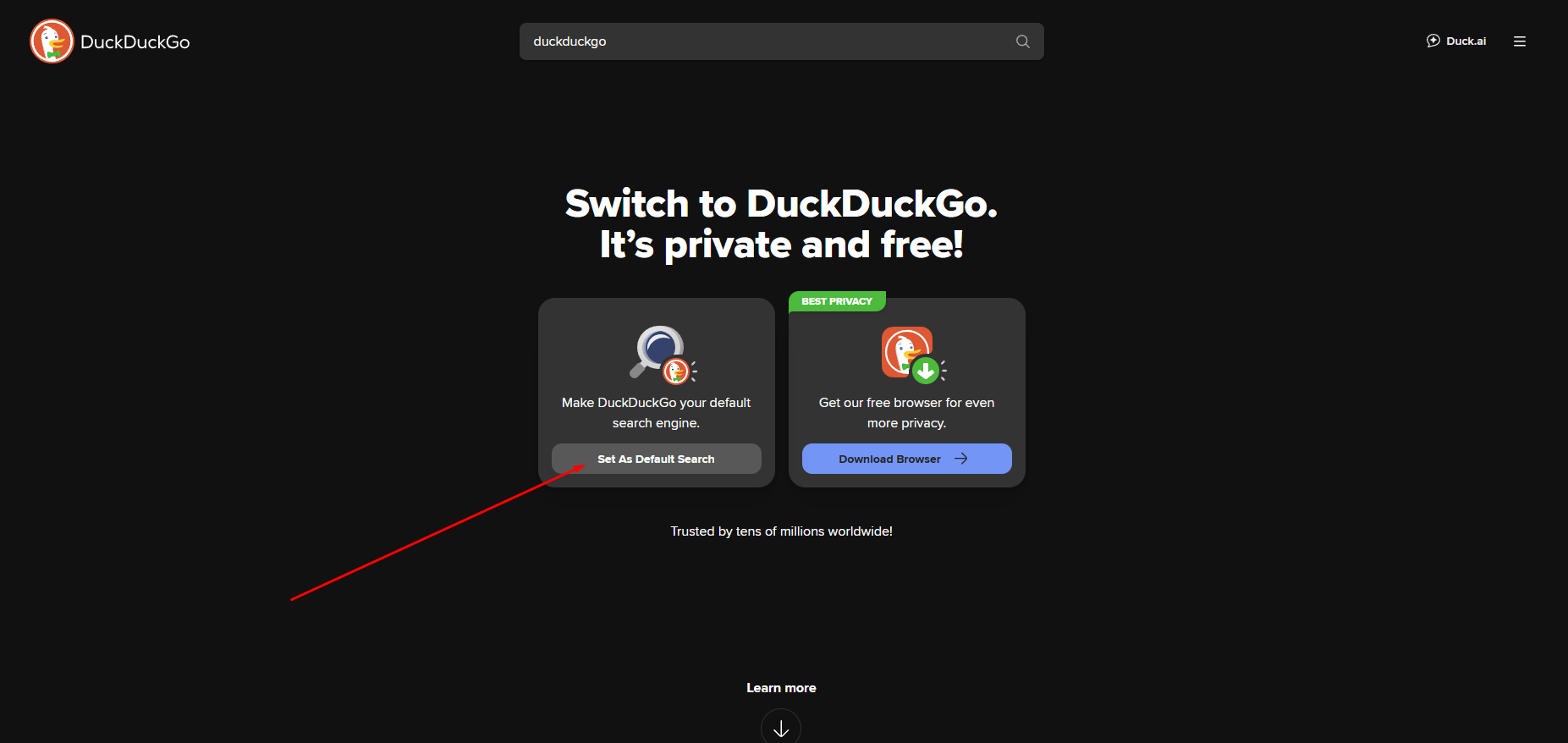
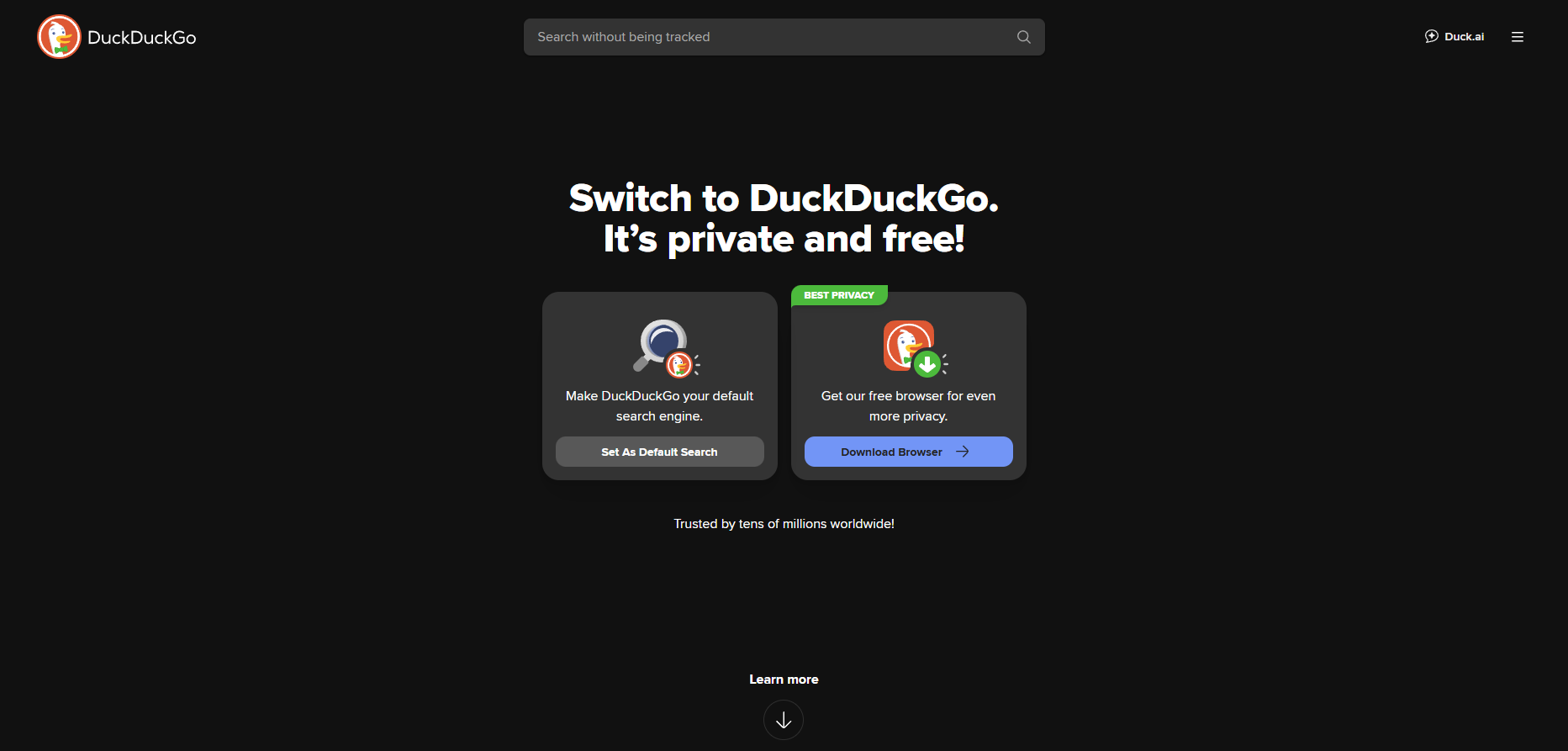
- Set DuckDuckGo as your default search engine.
- Employ DuckDuckGo’s browser extensions to block trackers and add security on desktop browsers.
- Get the DuckDuckGo mobile app to search without being tracked on your phone.
- Access bangs shortcuts, weather, recipes, local search and more.
- Enjoy a clean, minimalist interface that keeps searching quick and convenient.
- Experience reliable security and privacy wherever you are, on desktop and mobile.

The Cultural Shift

Privacy isn’t just a tech trend — it’s become part of everyday culture. More people now ask: Who’s tracking me? Who has my data? That’s why non-tracking search engines are gaining traction.
Why DuckDuckGo Stands Out
DuckDuckGo built its reputation by not following users, not selling info, and keeping things simple. It’s the go-to for people who want to search without feeling watched.
This shift isn’t just about preference — it’s about confidence. Users want clarity with every click, and DuckDuckGo delivers that.
Goodbye “Take It or Leave It”
Big tech’s old privacy stance doesn’t cut it anymore. Remote work, digital collaboration, and pandemic-driven lifestyle shifts have made people more cautious about how their info is used.
DuckDuckGo leans into this by offering control and peace of mind. For marketers, it’s a wake-up call: traditional tracking-heavy strategies may not resonate in this new landscape.
Conclusion
DuckDuckGo keeps it simple — web search without creating a privacy sacrifice. In Austin and across the States, people share tales of leaping DuckDuckGo for a reprieve from the ordinary tracking. No fluff, just a search engine that does what it says. You type, you search, you get what you want without the sense of being spied on. Brands, marketers, and SEO shops realize how this habit shift alters how people discover things on the web. More people care about protecting their data.
Ready to stir up your own SEO strategies or just want to get a glimpse into users’ lives? Check out SirLinksALot. We understand the search arena, whether you care about privacy or simply desire to be trendy.
Frequently Asked Questions
What is DuckDuckGo?
DuckDuckGo is a great search engine option for those seeking a private search experience. As a privacy-focused search engine, we don’t track you or collect personal info.
How does DuckDuckGo protect my privacy?
DuckDuckGo, a secure search engine, won’t collect or share your personal information, ensuring a private search experience while blocking online trackers.
Is DuckDuckGo free to use?
Yes, using DuckDuckGo provides a great search engine option that comes free of charge, allowing users to enjoy a private search experience without paying or signing up for an account.
How does DuckDuckGo make money?
DuckDuckGo, a private search engine, generates revenue through non-tracking ads and affiliates, displaying relevant ads based on your search terms.
Can I use DuckDuckGo on my phone?
Yes, using DuckDuckGo provides a private search experience on iOS and Android, accessible through any phone browser.
Does DuckDuckGo show the same results as Google?
No, DuckDuckGo, a private search engine, utilizes various sources for search results to provide pertinent, non-biased information.
Why do people in Austin, Texas, use DuckDuckGo?
A lot of people in Austin appreciate privacy and technology advancement, making DuckDuckGo a great search engine option for those seeking to own their online data.