Key Takeaways
- Since 2013, Google has marked links within press releases as nofollow, meaning that no link service should be used as a shortcut to get backlinks.
- The real SEO value today comes from brand visibility, E-E-A-T, and AI search citations, not link equity.
- According to a 2026 report by Muck Rack, earned media account for roughly 84% of all that AI, such as those from ChatGPT and Gemini, quotes, whereas paid media can be ignored.
- Press releases are best suited to part of a larger SEO strategy, rather than being the only means of obtaining backlinks.
- Keyword stuffing anchor text is not as important as newsworthiness, actual quotes and nice formatting.
Press releases have been part of the SEO toolbox for well over a decade.
But the reasons to use them have completely changed.
In the past, businesses were paying for a press release service primarily to obtain backlinks. Simple as that: more links and better rankings.
Then Google stepped in and changed the rules. AI search updated them a few more years later.
So, which is more beneficial in 2026: paying for a press release service or not? Or is it a better use of funds elsewhere?
Let’s break it down, piece by piece.
So, Is a Press Release Service Still Worth It in 2026?
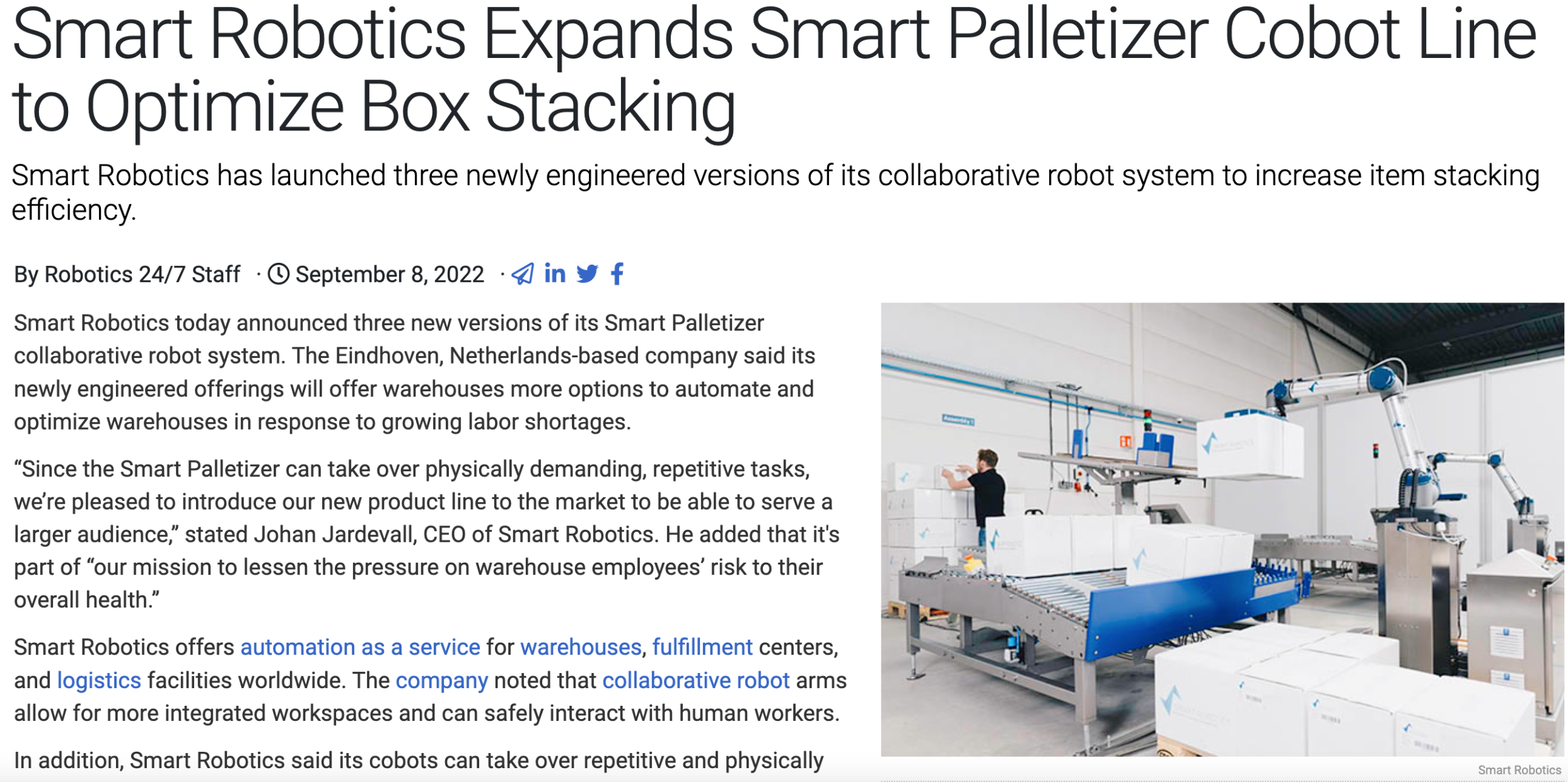
Short answer: yes. Just not for the reason most people think.
If you’re looking for a press release for the purpose of backlinking, you probably won’t like what you get. Google flagged press release links as a form of paid advertising back in 2013, and every reputable distribution service now uses nofollow links as the default.
This isn’t a loophole. It’s the rule.
However, here’s the thing that people miss out on. Nofollow is not a bad thing. It just means the link isn’t a direct vote for your rankings anymore. It’s like a “pillow link” as SEOs refer to it, a natural link that won’t harm your website and will help spread out your backlink profile without trying to get you a ranking.
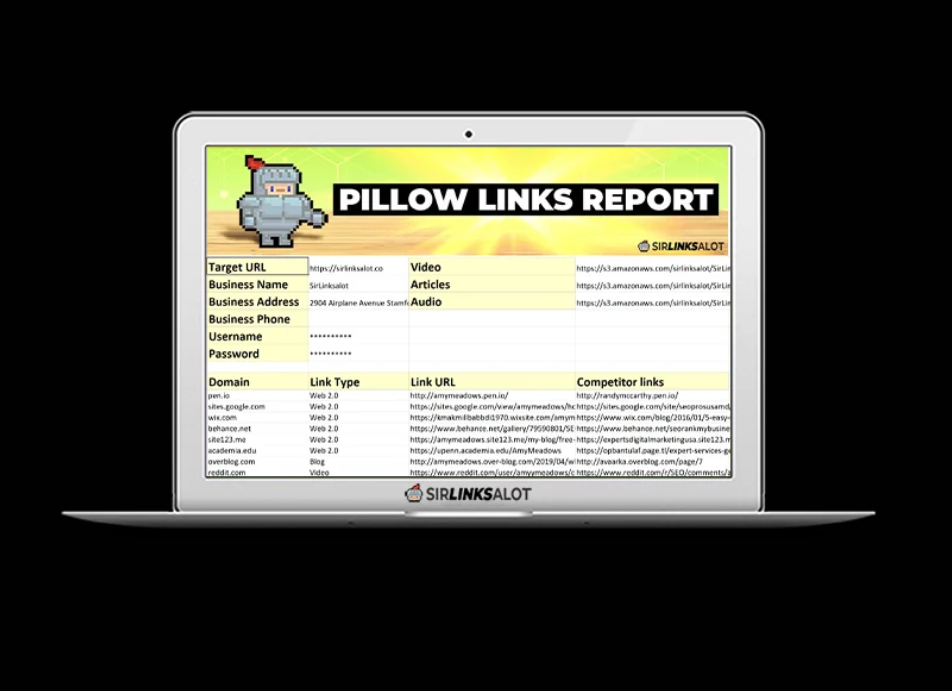
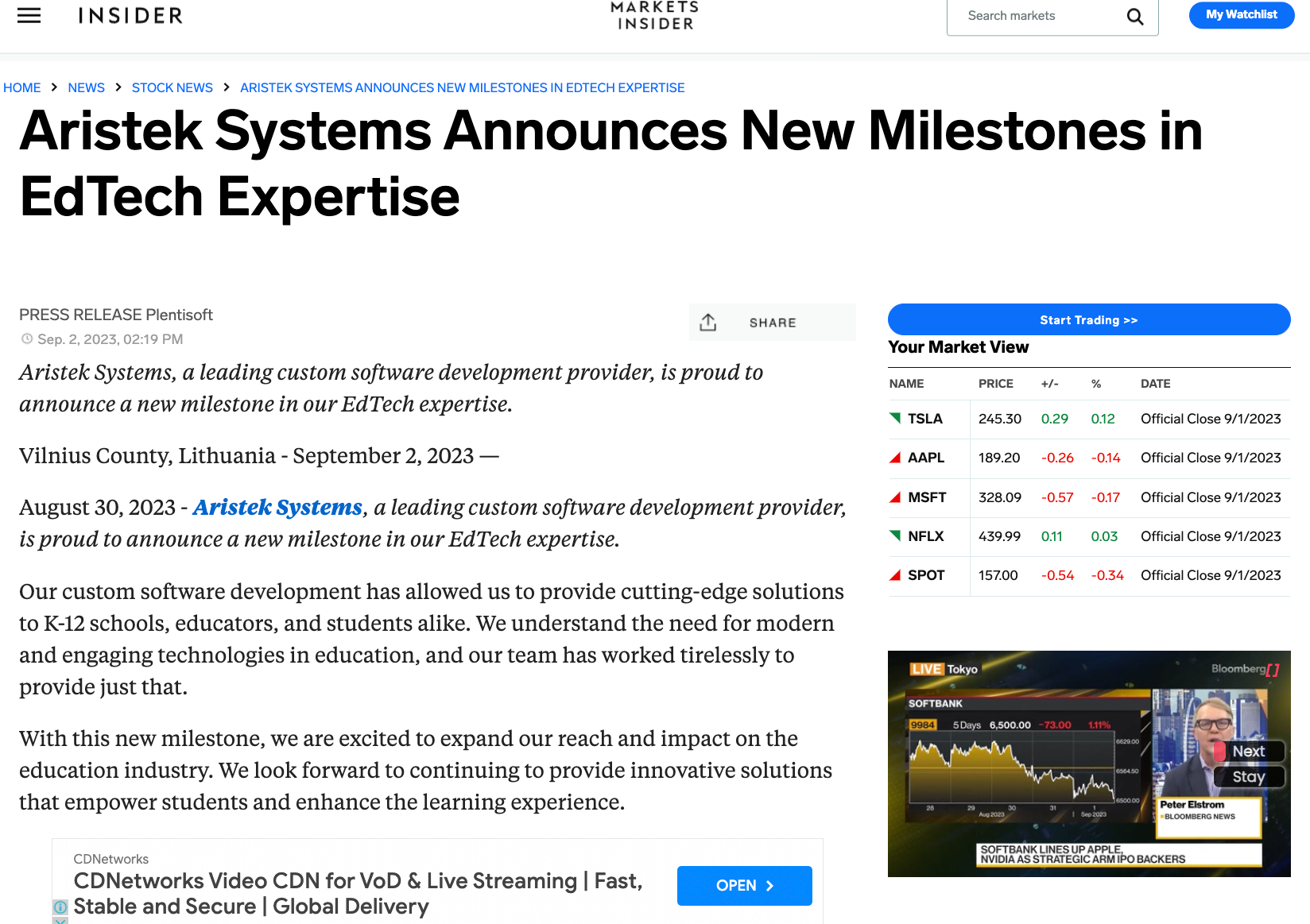
That’s where a service such as SirLinksalot’s press release service comes into play. Rather than promising returned hyperlinks that it can’t truly deliver, it’s about ensuring your announcement is geographically distributed to real news websites, indexed by Google and Bing, and in locations such as AP News, so real individuals and AI models can see it.
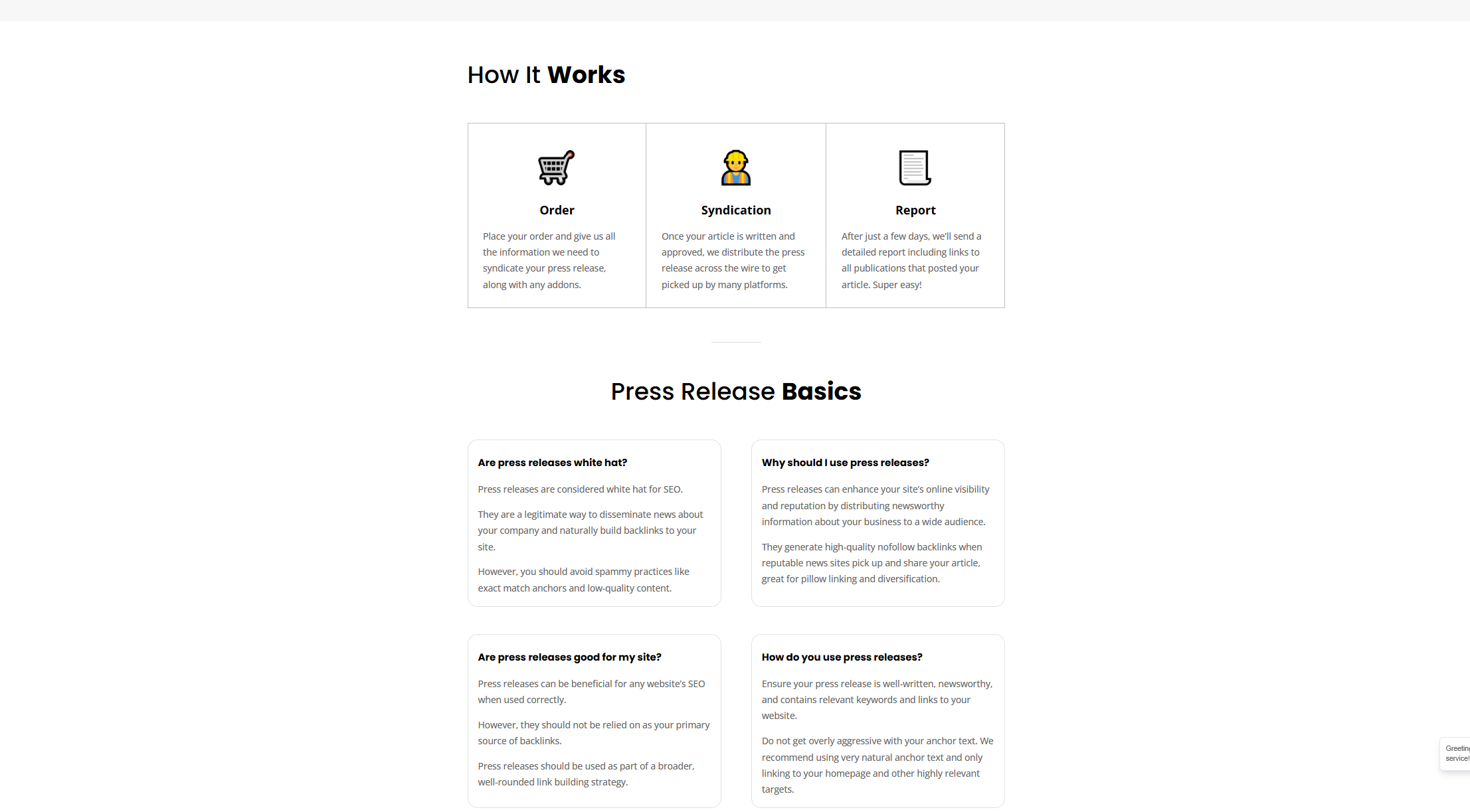
That’s a very helpful part of a larger SEO strategy. It is not used as a whole link-building strategy. No one who sells an honest press release service would say otherwise.
Why Google Turned Press Release Links Into “Nofollow” Links
This was not always the case.
In the early 2010s, SEOs realized that they could use keyword anchor text in the press release and get it to a wire service, and watch their target page climb the ranks.
For example, one popular one that has been documented is the test press release that the SEO tool site SEOPressor did, where it used an entirely fabricated, senseless anchor text linking to Google engineer Matt Cutts’ blog. Within a few days, he was able to see his blog appear in the top five results for the fabricated phrase – so that meant it was getting some real ranking power passing.
Google noticed. Google’s John Mueller has recently confirmed in public that links within press releases are to be treated as paid advertising links, which means that they should be nofollowed, broadly speaking, rather than specifically on the word-stuffed anchor.
That guidance has remained the same since. All respectable press release services today – including SirLinksalot – make their distros based on nofollow links, and that is the way the web works today in Google’s eyes.
Here’s the silver lining, though. Nofollow links were never actually worth zero. Since then, Mueller has stated that Google is still able to rely on nofollow as a signal. And this press release can get bigger – such as a follow link from a journalist covering your story, or a customer who now searches your brand name directly because they saw the news.
How to Write a Press Release That Actually Gets Picked Up
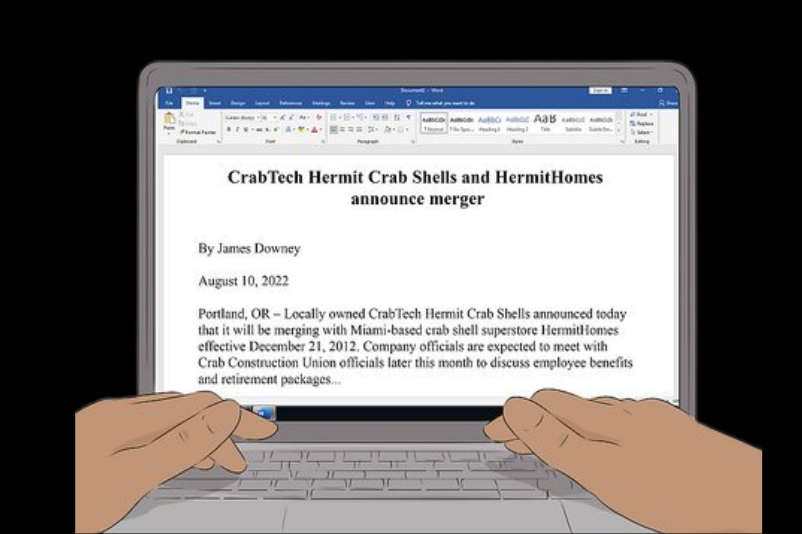
Not all press releases are created equal.
Most wire-distributed releases never earn a single piece of real media coverage. The ones that do tend to share a few things in common.
- Lead with real news. Funding rounds, product launches, partnerships, and research findings work. “We’re excited to announce our new logo” usually doesn’t.
- Answer the 5 W’s immediately. Who, what, when, where, and why, all in the first paragraph. When Notion announced its $275 million funding round, the opening lines covered the amount raised, the valuation, and the lead investor, nothing else. It got picked up by outlets like TechCrunch and Forbes within hours.
- Use quotes that say something. A quote from your CEO should add insight or opinion, not just enthusiasm.
- Format for skimming. Short paragraphs, a clear structure, a stat near the top. Journalists and AI tools both favor content that’s easy to pull facts from.
- Go easy on the links. One or two natural links to your homepage or a relevant page is plenty. Exact-match anchor text reads as spammy and can work against you.
- Distribute widely. A wire service reaching outlets like AP News, Yahoo Finance, and Google News gives your release the best shot at getting indexed and actually seen.
The New Job of a Press Release: Feeding AI Search and Building E-E-A-T
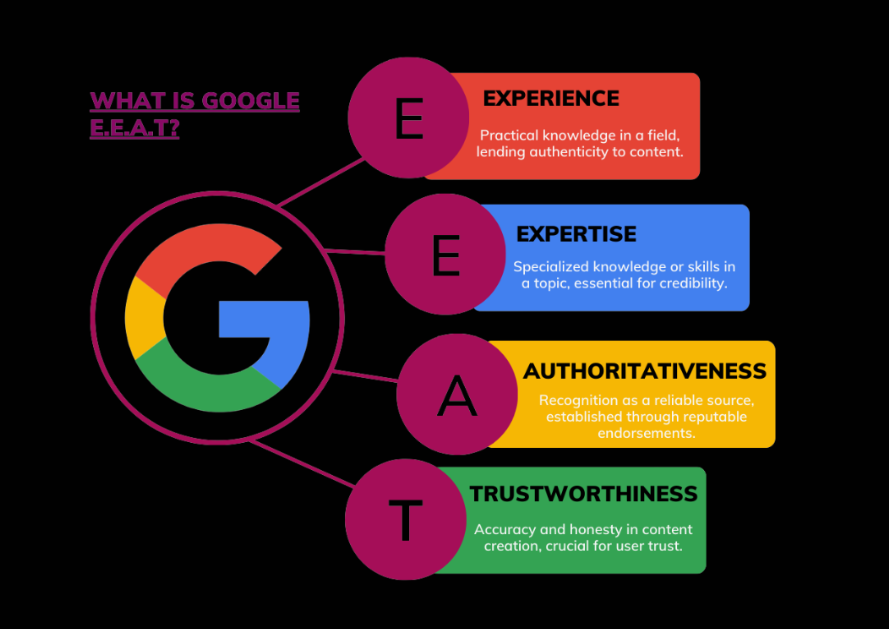
This is where things get genuinely interesting.
Google’s E-E-A-T doesn’t only consider your website. It examines your online reputation all across the web including reviews, citations, press coverage, and your brand being talked about by authoritative sites.
That’s the kind of signal that can be generated by a press release which is picked up by a real news outlet, with a nofollow link attached.
AI search counts on this even more. Muck Rack’s analysis of over 25 million links cited by ChatGPT, Claude, and Gemini in responses to questions showed that AI tools reference earned media – real coverage in real publications – about 84% of the time.As part of that research, Muck Rack found that when ChatGPT, Claude, and Gemini answer a query, they reference earned media – real coverage in real publications – roughly 84% of the time. There was virtually no paid or advertorial content (less than 1 percent of citations).
Simply put, the brands that are appearing in the answers generated by AI are not always the brand that has the most backlinks. These are the ones that are talked about, cited, and mentioned on the internet.
For instance, Zapier. It’s one of the most mentioned brands in the B2B software landscape on all AI platforms, not simply because it links to all other brands but because its content and expertise is being referenced and discussed on the web.
The actual change is that’s what’s happening. Once upon a time, a press release was considered a shortcut in the web of link building. This is now more like a tool for building trust than a link-generating tool.
Conclusion
So, back to the original question: is paying for a press release service still worth it for SEO?
Yes. Just not for the reason it used to be.
Chasing followed backlinks from a press release stopped making sense back in 2013. But building real brand recognition, earning genuine media coverage, and showing up inside the AI tools millions of people now use to research and shop? That’s more valuable than it’s ever been.
If you do invest in press releases, treat them as one piece of a bigger strategy, not the whole plan. Pair them with other link types and a story that’s genuinely worth telling.
That’s the approach SirLinksalot takes with its press release service: honest expectations, wide distribution, and no false promises about backlinks it simply can’t deliver.
FAQs
Are press release links dofollow or nofollow?
Nofollow, in almost every legitimate case. Google has required this since 2013, and any service still promising dofollow press release links is working against Google’s own guidelines.
How much does a press release service typically cost?
It varies quite a bit. Basic wire distribution can run under $100, while premium placement or professional article writing can cost several hundred dollars. SirLinksalot’s press release service, for example, starts around $85.
How many press releases should a business publish per year?
For SEO purposes alone, a couple a year is usually plenty. Press releases work best when tied to real news, not published on a fixed schedule just to chase links.
Do AI search tools like ChatGPT actually read press releases?
Yes, especially when they’re distributed through trusted outlets like AP News or Yahoo Finance. Research increasingly shows AI platforms favor earned media, including press coverage, far more than paid or promotional content.
Can I write and distribute a press release myself?
You can. But a press release service typically has existing relationships with wire services and news aggregators, which improves the odds your announcement actually gets picked up, indexed, and seen by both readers and search engines.
What’s the difference between a press release and digital PR?
A press release is a factual announcement sent to many outlets at once, usually through a wire service. Digital PR is more hands-on. It’s a journalist personally pitching a story, often built around original data or research, to a smaller list of relevant publications. Both can earn real coverage, but digital PR tends to land higher-authority placements, while a press release service is faster and more affordable for everyday company news.