Key Takeaways
- Publishing more blog posts isn’t the growth lever it used to be. Fixing what you already have works faster.
- Refreshing pages stuck on page 2 or 3 can lift both classic rankings and AI Overview visibility.
- Grouping 10 to 12 related posts into one internal link cluster sends authority straight to your money pages.
- Answering the question in the first two sentences is what wins featured snippets and AI citations.
- Mining real customer questions from support tickets and forums builds topical authority AI systems trust.
If your content calendar has 20 new posts on it this month, you’re not alone. For years, “publish more” was basically the whole SEO playbook.
That playbook is breaking down. Google’s AI Overviews now answer the question before anyone even clicks a link—links inside those overviews get clicked about 1% of the time. Another post on an already crowded results page just doesn’t move the needle like it used to.
The people seeing real growth right now aren’t writing more. They’re getting more out of what they’ve already published, and figuring out how to rank in AI Overviews with content they already own. Here are four tactics for doing exactly that.
How to Rank in AI Overviews When You’re Stuck on Page 2 (Prune & Refresh)
AI Overviews pull from pages Google already trusts, not necessarily your newest post. So if a chunk of your articles are stuck on page 2 or 3, that’s an opportunity hiding in plain sight, not dead weight.
Three things usually keep a page stuck there:
- Search intent mismatch – the page answers a slightly different question than what people actually type in.
- Thin or outdated content – it was accurate two years ago, not anymore.
- Keyword cannibalization – two or three articles competing for the same term instead of one strong page winning it.
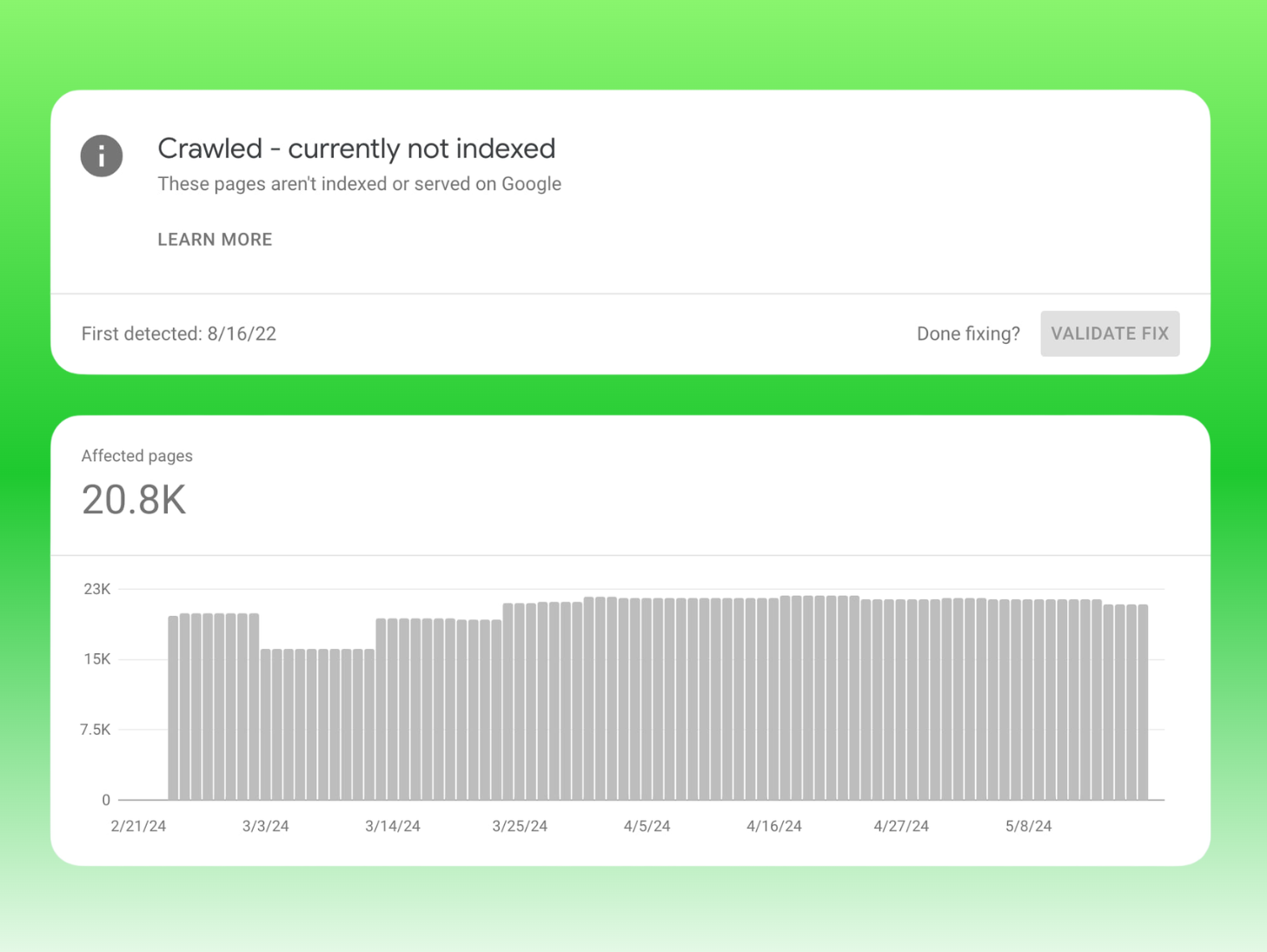
One case shows how far this can go. An SEO consultant working on a site that had lost 80% of its traffic over two years found most articles were getting zero visits, with several stuck in Google’s “crawled but not indexed” pile.
After deleting more than half the blog and merging the rest, traffic grew over 500% within three weeks. Most sites won’t see numbers that dramatic, but the direction holds: fewer strong pages beat a pile of average ones.
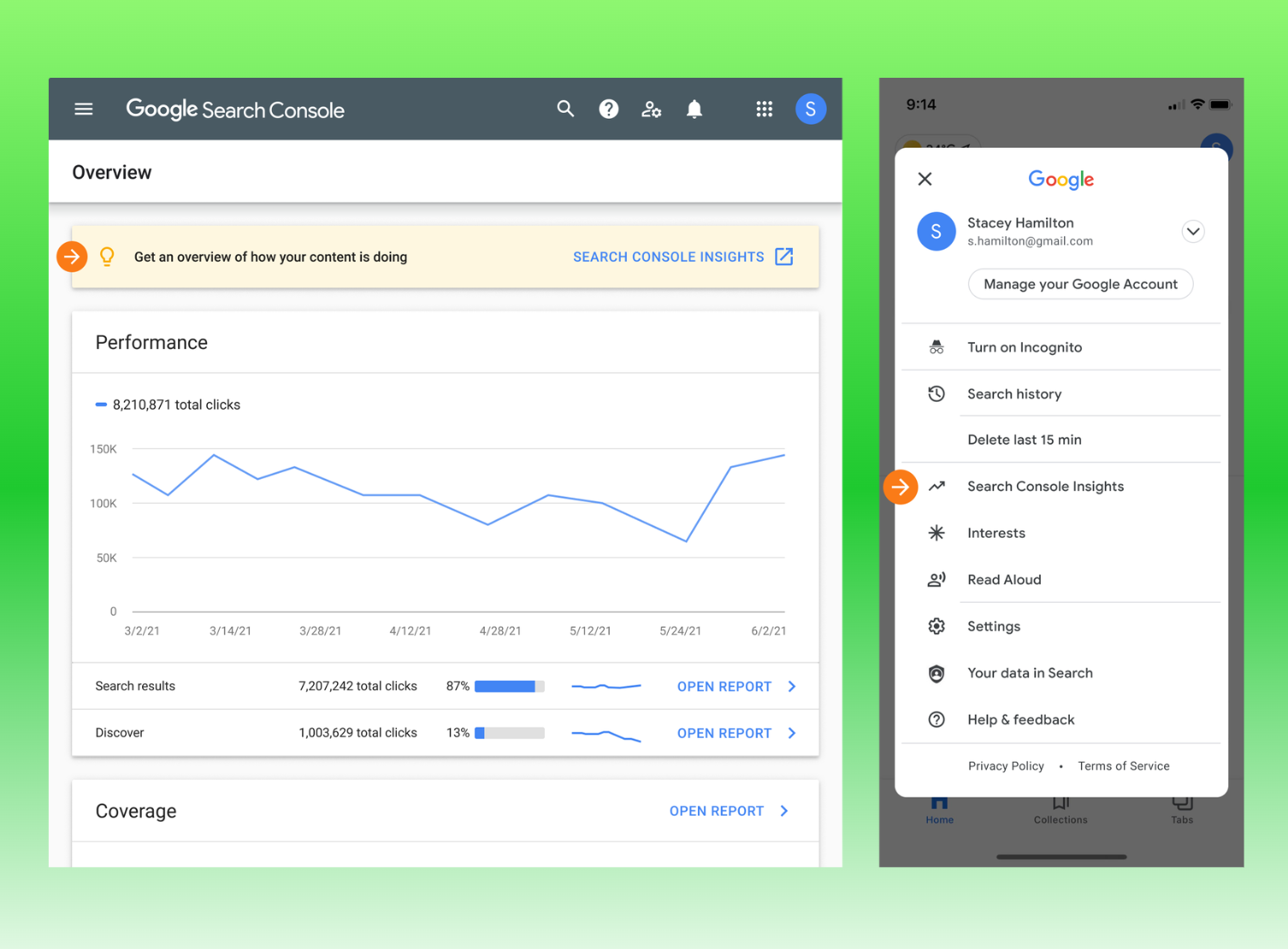
A simple audit looks like this:
- Pull your page 2 and 3 rankings from Search Console.
- Check whether the page still matches what searchers want.
- Merge overlapping articles into one solid page instead of three thin ones.
- Rewrite the opening so it answers the core question immediately.
That last step is where SirWritesALot earns its keep. It re-optimizes underperforming page-2 articles and hands you a tight, answer-first outline instead of a blank page.
Build an Internal Link Web Instead of More Standalone Posts
Publishing articles in isolation means each one earns its authority from zero. Linking them together means they share it.
The idea is simple: instead of 10 to 12 posts sitting alone, connect them into a cluster built around one central “money page,” the one you actually want to rank and convert on. Every cluster post links back to it, and the posts link to each other where it makes sense.
It’s not a new idea, but it’s aging well. Organizations that implement topic clusters see an average 43% increase in organic traffic, according to HubSpot research.
It’s also not instant, though. One team that documented their own internal linking cluster didn’t see real movement for close to four months, and only after they noticed two of their own pages were quietly competing against each other for the same keyword. Consolidating those two into one page moved it up several ranking positions almost right away.
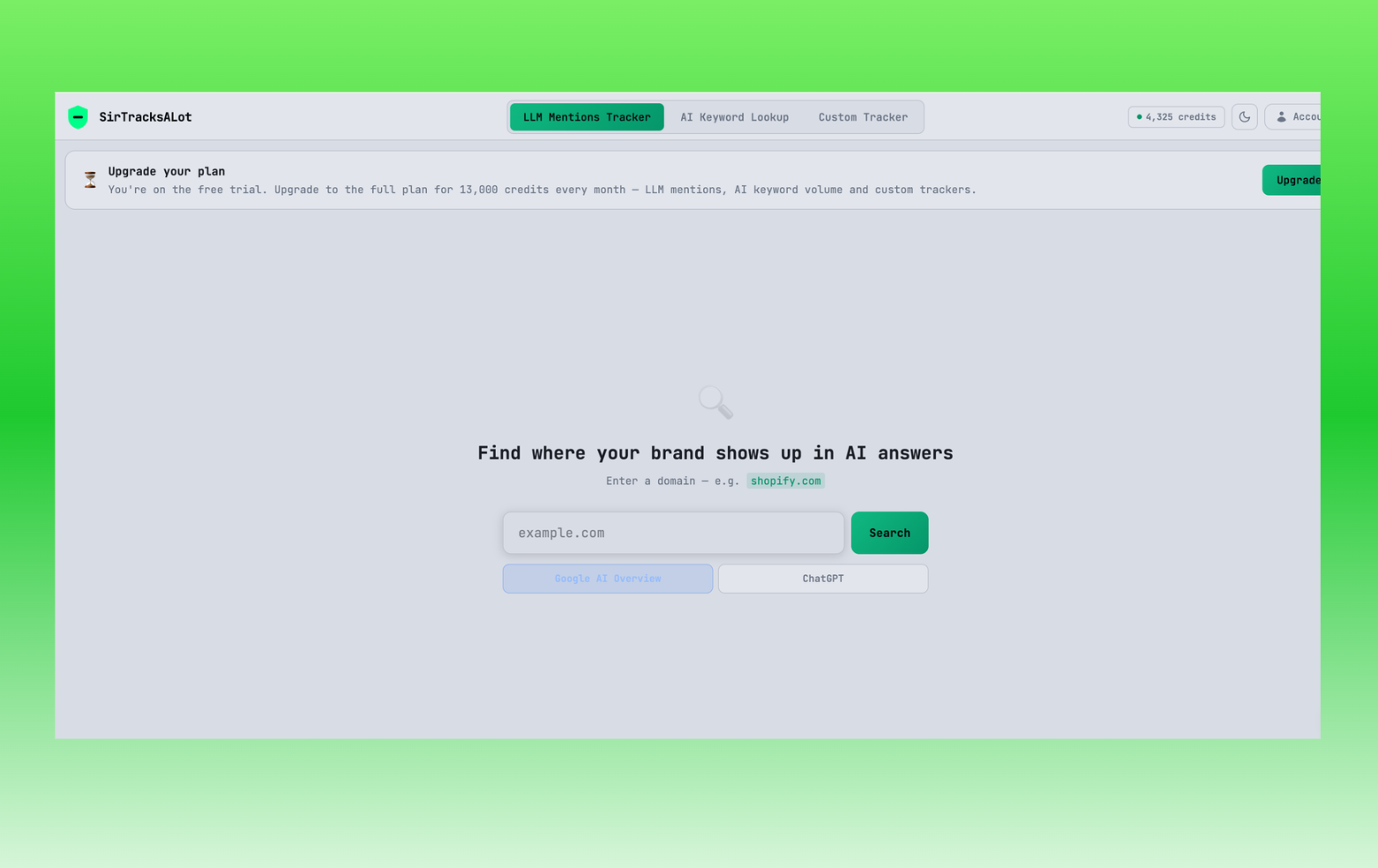
Once your cluster is live (or rebuilt), point SirTracksALot at it. It tracks how those changes move your visibility across AI Overviews and LLM-based answers, so you’re not left guessing whether the extra linking work paid off.
Stop Making Readers Wait for the Answer
For years, blog posts opened with a few warm-up paragraphs before getting to the point. That habit works against you now.
AI Overviews and featured snippets tend to pull from whichever page answers the question fastest, often within the first couple of sentences. If a reader — or the AI summarizing on their behalf — has to scroll past three paragraphs of throat-clearing, you’ve likely lost that spot to a competitor.
This is the “Answer-First” framework, and the fix isn’t complicated:
- Answer the core question in the first two sentences, in plain words.
- Save the backstory for after the answer, not before it.
- Use the exact phrase people search for as your subheading, not a clever rewrite of it.
SirWritesALot builds its outlines around this exact structure, so the instinct to over-explain never gets the chance to take over.
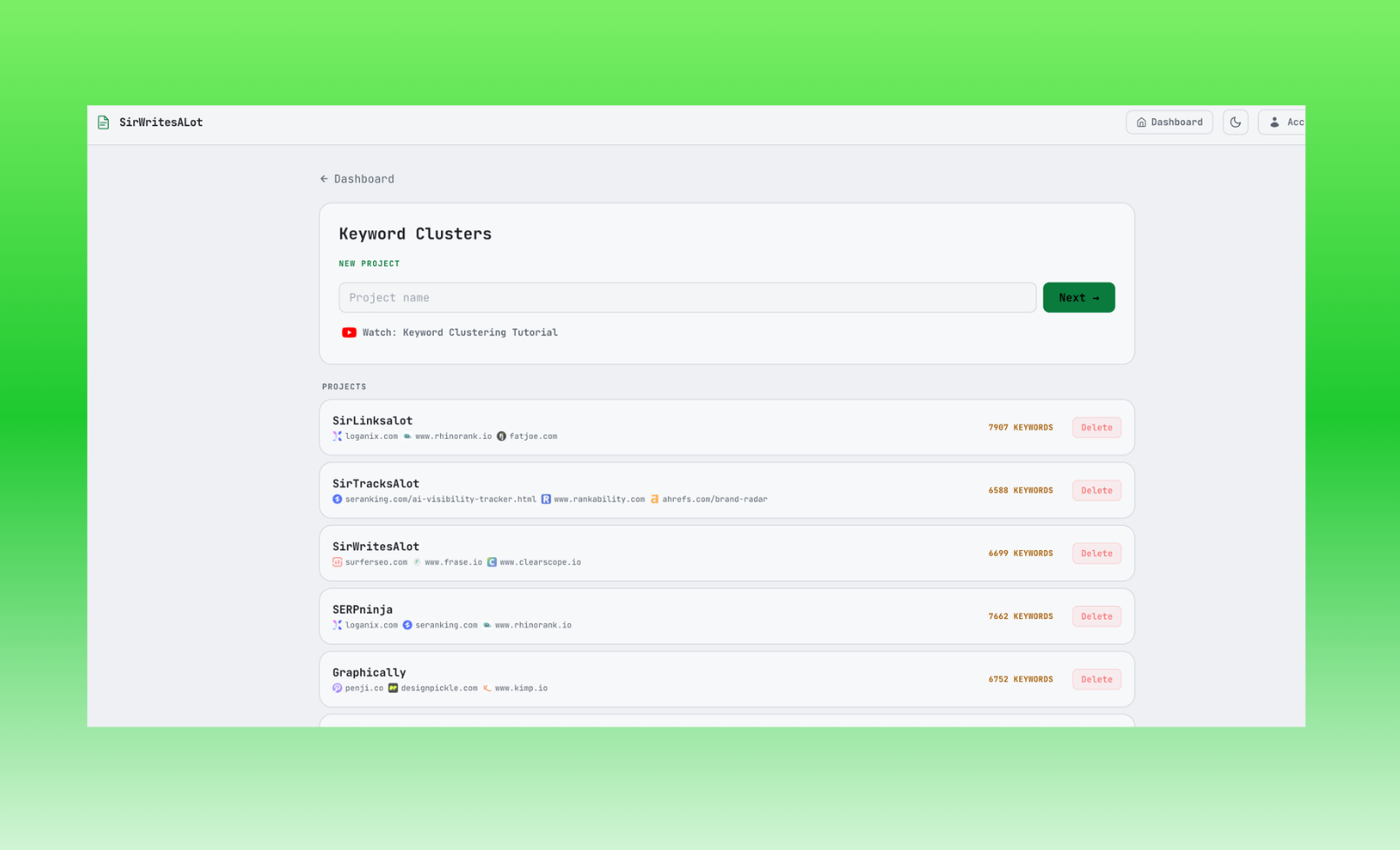
Your Best Content Ideas Are Already in Your Support Inbox
Keyword tools are good at showing search volume. They’re not very good at showing what your customers are actually confused about.
That’s the gap the “Ultra Long-Tail Q&A” method closes. Instead of guessing at topics, pull straight from:
- Support tickets and live chat transcripts
- Sales call objections and follow-up questions
- Public forums like Reddit and niche community boards
The email platform Kit is a well-known example of this: much of its help content grew out of real, repeated questions from creators, including well-known names like James Clear, rather than a content calendar someone dreamed up.
The result feels more like a help center than a sales pitch, which is exactly what AI systems tend to trust and cite. A simple way to start:
- Export your last 90 days of support tickets.
- Group them by theme. A handful of themes usually cover most of your ticket volume.
- Write the page in your customers’ actual wording, not a corporate rewrite.
Do this consistently and you end up with dozens of hyper-specific pages no competitor bothered to write.
Conclusion
None of these four tactics ask you to publish 20 new posts this month. They ask you to look harder at what’s already on your site: fix the pages stuck on page 2, connect your best content together, answer questions faster, and find out what your customers are actually asking.
None of it replaces the fundamentals, either. You still need real backlinks pointing at your money pages, which is exactly where SirLinksALot comes in. But even a strong backlink profile can get skipped by AI Overviews if the content behind it isn’t doing its job. Handle both sides, and you’re covering the whole board instead of half of it.
FAQs
Is it actually okay to delete old blog posts?
Yes, when they get no traffic, no links, and don’t match what people search for anymore. It usually helps more than it hurts, since Google can focus on the pages that matter.
How many posts should be in one internal link cluster?
Somewhere around 10 to 12: enough to show real depth without becoming unwieldy to maintain.
What’s the fastest way to start ranking in AI Overviews?
Start with content you already have. Refreshing a page already ranking on page 2 usually moves faster than writing something brand new.
Do I need to stop publishing new content completely?
No. New content still has a place, especially for topics you don’t cover yet. The point is to stop treating volume as the whole strategy.