Key Takeaways
- Geon engine optimization (GEO) generates healthcare content tailored to actual user queries with AI, making information accessible and meaningful.
- GEO is about understanding the intent of users and following their changing search habits with your content strategies, which is a critical component in the healthcare industry.
- Establishing trust with patients begins with precise, premium content, transparent messaging, and clear markers of expertise and authority.
- Localized and multimodal content, like videos and infographics, allows healthcare providers to connect with diverse audiences and address specific community needs.
- Schema and voice make search easy to discover and digest conversational health info.
- With content that is regularly reviewed for factual accuracy and compliance, credibility is assured and healthcare brands can remain competitive in a hyper-evolving digital environment.
Generative Engine Optimization (GEO) for healthcare uses AI models to assist in growing search visibility and providing improved answers to health queries online. GEO tools influence the way consumers view and trust healthcare sites by increasing the clarity and utility of their content.
For SEO buyers and agencies, understanding how GEO fits into healthcare search provides a significant advantage. The main body will feature highlighted tips and narratives for employing GEO in the rapidly evolving healthcare industry.
What is Generative Engine Optimization?
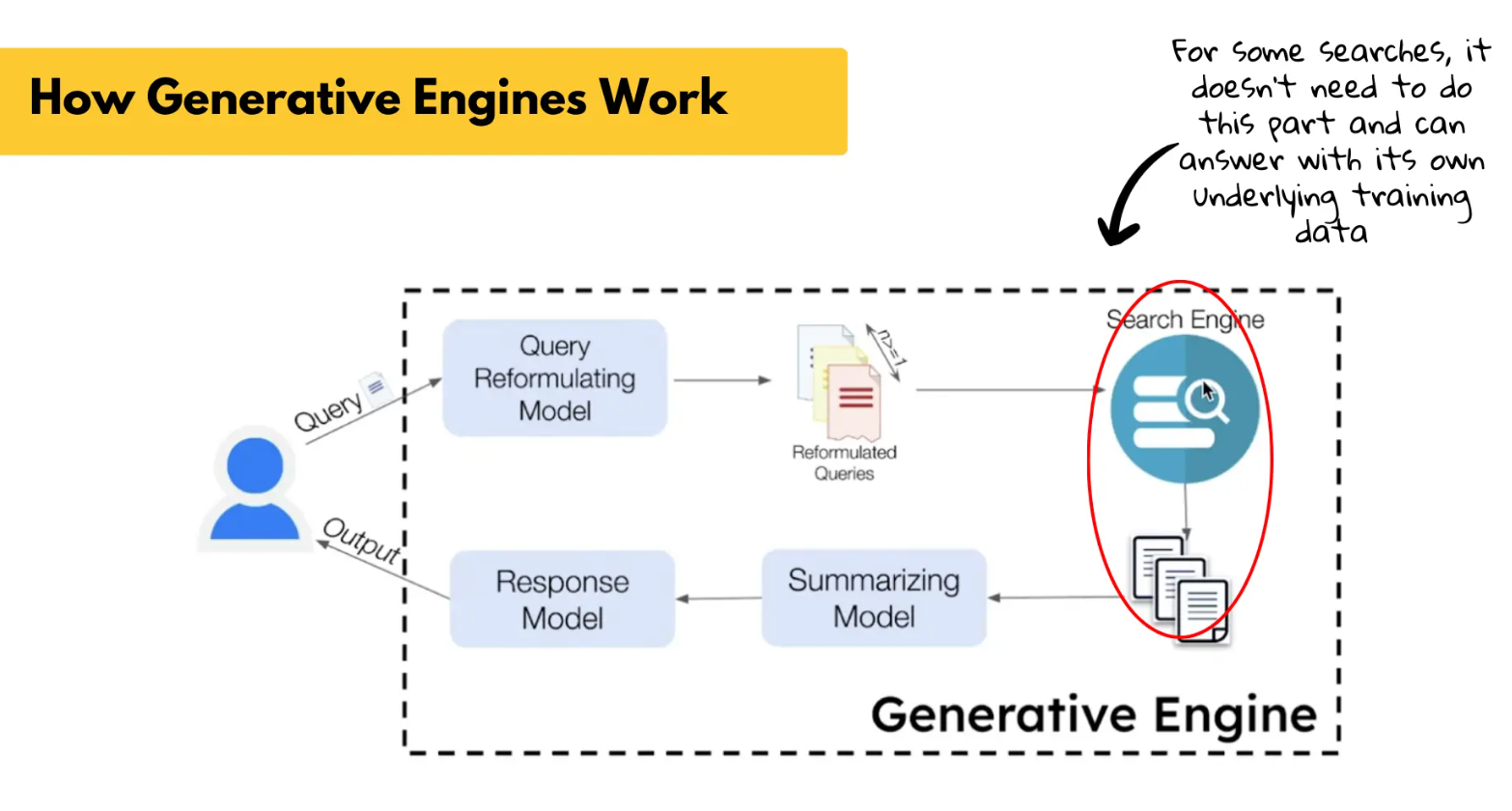
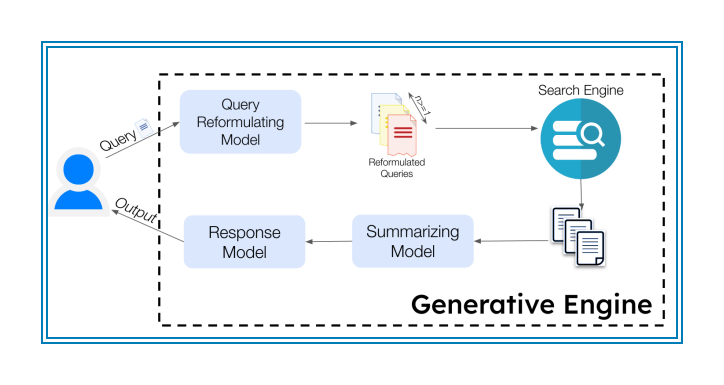
Generative engine optimization (GEO) is a new approach that guides digital marketers and healthcare brands in making their content distinct in AI-driven search. Rather than search engines, GEO targets large language model-powered platforms. These models, such as the ones powering generative search, employ AI to respond to health inquiries, source sources, and even mention particular articles.
GEO works by making content simple for AI to locate, interpret, and comprehend, so it is used as a trusted source. With healthcare subjects, this equates to transparent, expert data that people and AI alike will believe and apply.
1. Core Concept
Essentially, GEO is about understanding what people desire and leveraging AI to fulfill those desires. LLMs are able to scan pages of search signals, detect intent, and generate content that satisfies the user’s query. This is a big deal for healthcare, where accuracy and trust are everything.
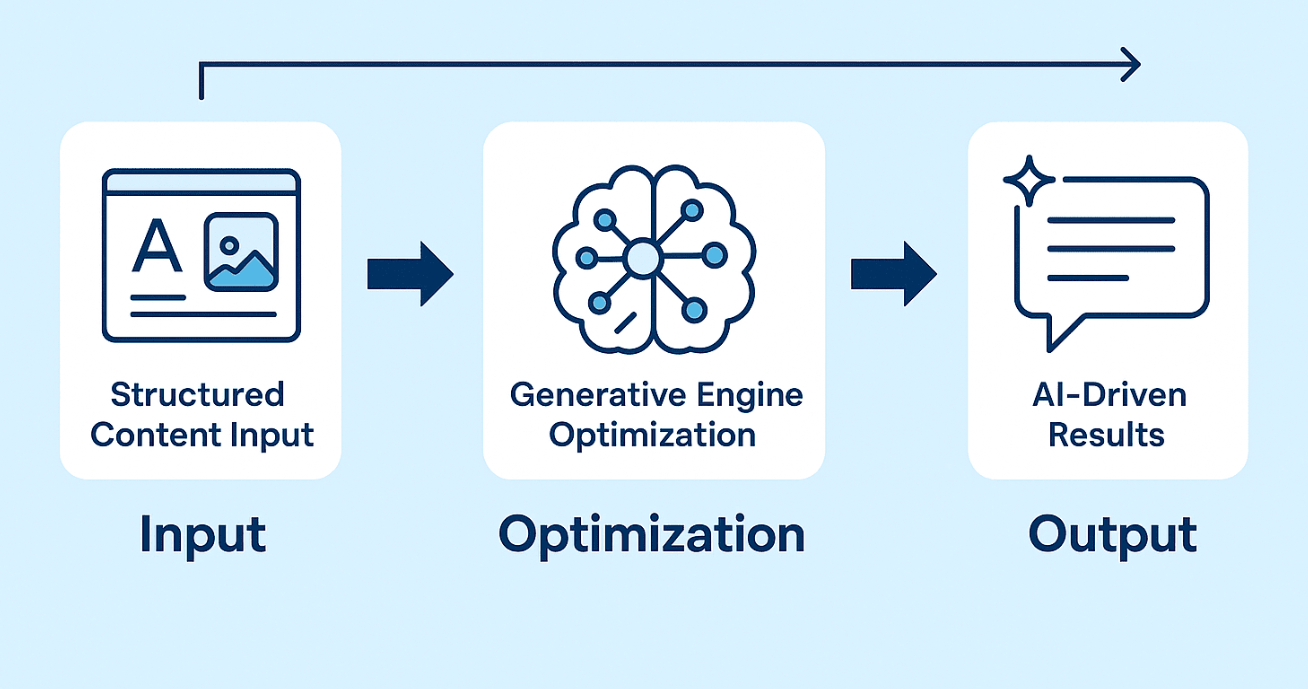
When healthcare brands employ GEO, their messaging is designed to address patients and the AI in equal measure. The content has to be warm and accessible, written in plain language so that anyone—patient or provider—can read and disseminate it.
For instance, a diabetes clinic writing about diabetes ought to explain things simply, include sources, or even footnotes so that AI models can reference them. This not only aids patients but causes the content to have a higher likelihood of ranking well in search results due to citations and references from AI engines.
2. Search Evolution
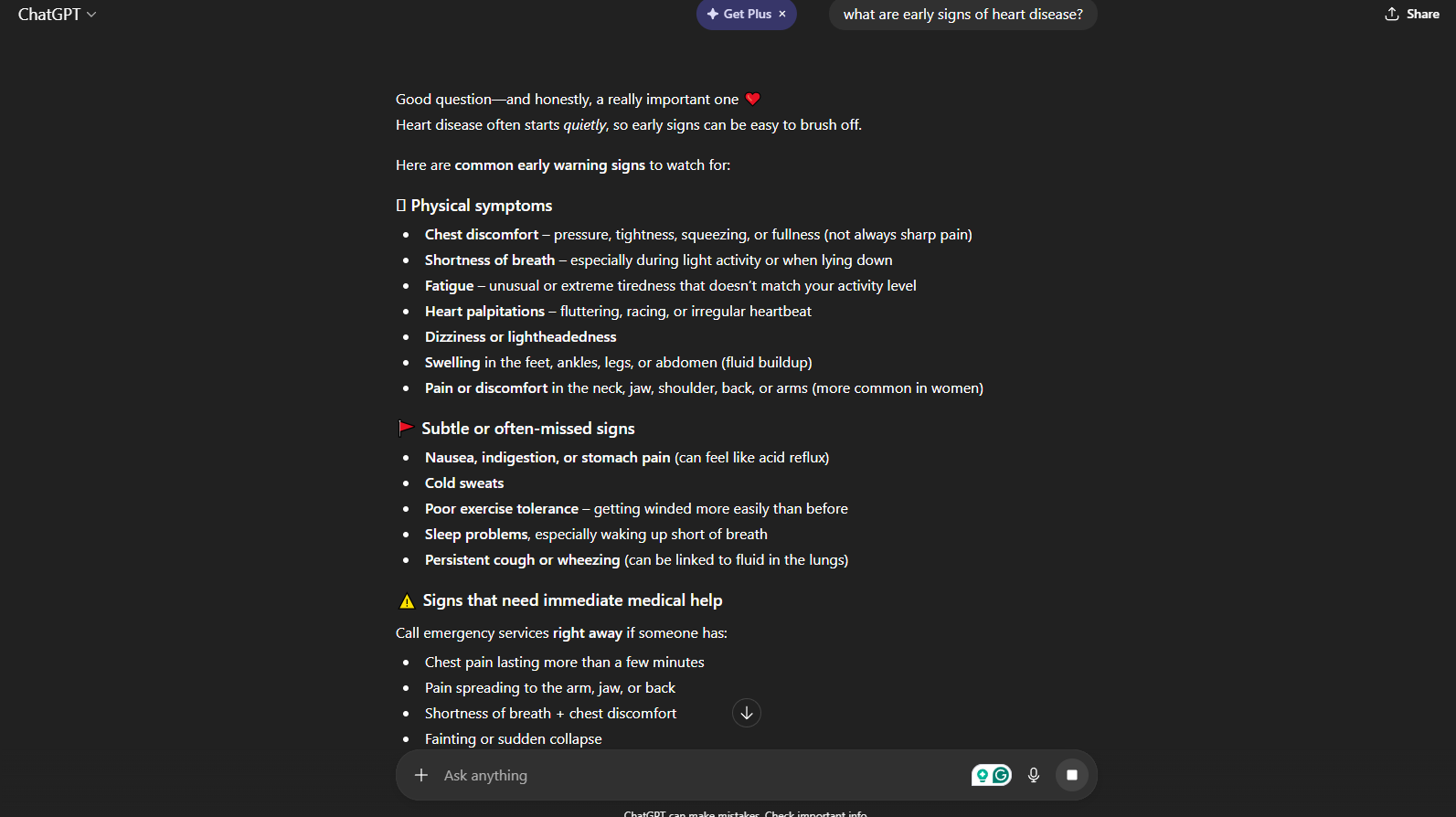
Search engines have evolved significantly. Initially, they merely matched words, but now AI-powered engines comprehend questions, context, and even intent. Now, they ask full questions, such as “what are early signs of heart disease?” as opposed to typing “heart disease symptoms.
This shift means marketers must think less like keywords and more like real conversations. AI models can now use images, video, and even audio to respond to queries, so content needs to be prepared for all types of searches.
Healthcare brands switching to GEO can stay ahead, ensuring their responses are captured by the latest AI assistants and cited in more searches.
3. User Intent
User intent fuels any patient search online, be it symptoms, treatment, or local providers. By listening to the real questions patients ask, marketers can backfill with real answers. Keyword research is still useful, but now it’s about matching the user’s mindset, not just the words.
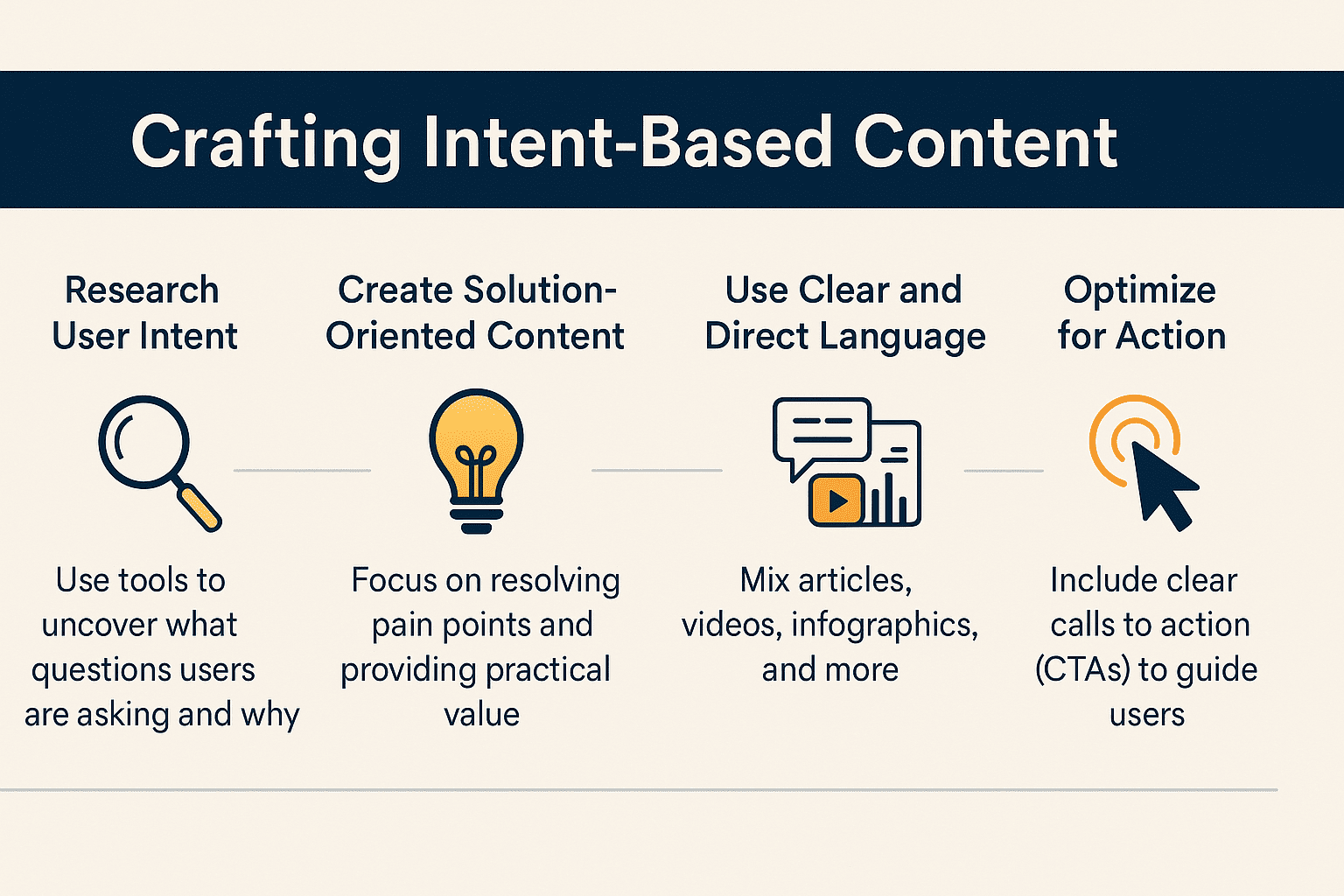
A hospital could encounter individuals seeking ‘local flu shot near me’ and produce guides or FAQs that address those needs very specifically. GEO prompts brands to create content focused on authentic questions, enabling AI tools to identify and distribute their knowledge.
4. Content Signals
Search algorithms care a lot about content quality, authority, and user engagement. Trust is everything in healthcare. If content is current and factual with citations and leverages video or step-by-step images, visitors linger.

This informs AI engines that the content is valuable. GEO isn’t a set-it-and-forget-it type of thing. Brands should continue to iterate on their content, leveraging feedback and metrics to determine what resonates best.
Citations and metadata links help AI models refer back to the right source, building more authority and increasing future visibility.
GEO Versus Traditional SEO
How we search for health information is evolving quickly. Search engines are more chat buddy than answer bot now. Digital marketing and SEO work in tandem, not in opposition, to help health brands get found by the right people. Both are about trust and good content, but how they approach it and what “winning” means is different.
|
Approach |
Methodologies |
Content Creation |
Optimization |
|---|---|---|---|
|
Traditional SEO |
Keyword targeting, backlink building |
Static articles, meta tags, structured data |
SERP rankings, click-through rates |
|
GEO |
AI prompt tuning, context mapping |
Dynamic, conversational, AI-ready content |
AI summary spots, user intent match |
Traditional SEO is based on finding the right keywords, obtaining links, and making your page crawlable. This is great if users enter explicit queries. However, healthcare isn’t always that simple. Consumers may say, ‘why do I have a sore throat?’ or use voice search, which inserts more general, less predictable queries.
Old-school SEO can’t keep up with these shifts and misses the more subtle intent behind what people actually want to hear. Now, factor in the emergence of AI chatbots and voice assistants. GEO steps in here. Rather than targeting the first search result, GEO targets getting your insight into the AI’s answer box.
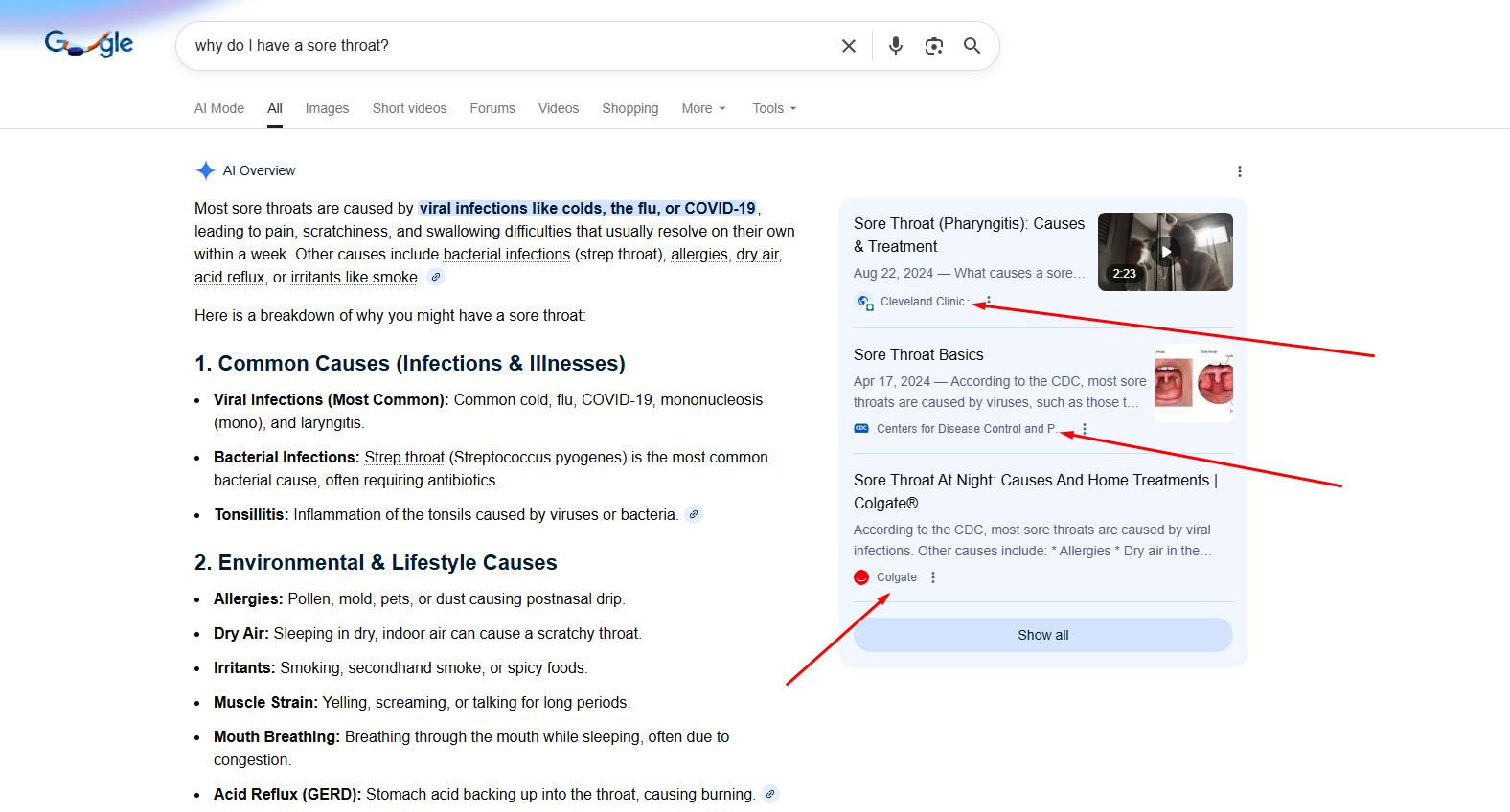
For example, if a patient inquires to a chatbot about controlling diabetes, GEO ensures that your clinic’s guidance appears in that AI overview result. This change alters who sees your content first. It’s not just page one of search but inclusion in the AI’s quick response. GEO works by tuning your content for context, clarity, and helpfulness, so it suits how AI algorithms read and distribute information.
Personalization is a huge win for GEO. Healthcare searchers want to find results that are appropriate to them, whether that be their age, their location, or their health history. GEO can dynamically modify content in real time, tailoring information that is more valuable for each user.
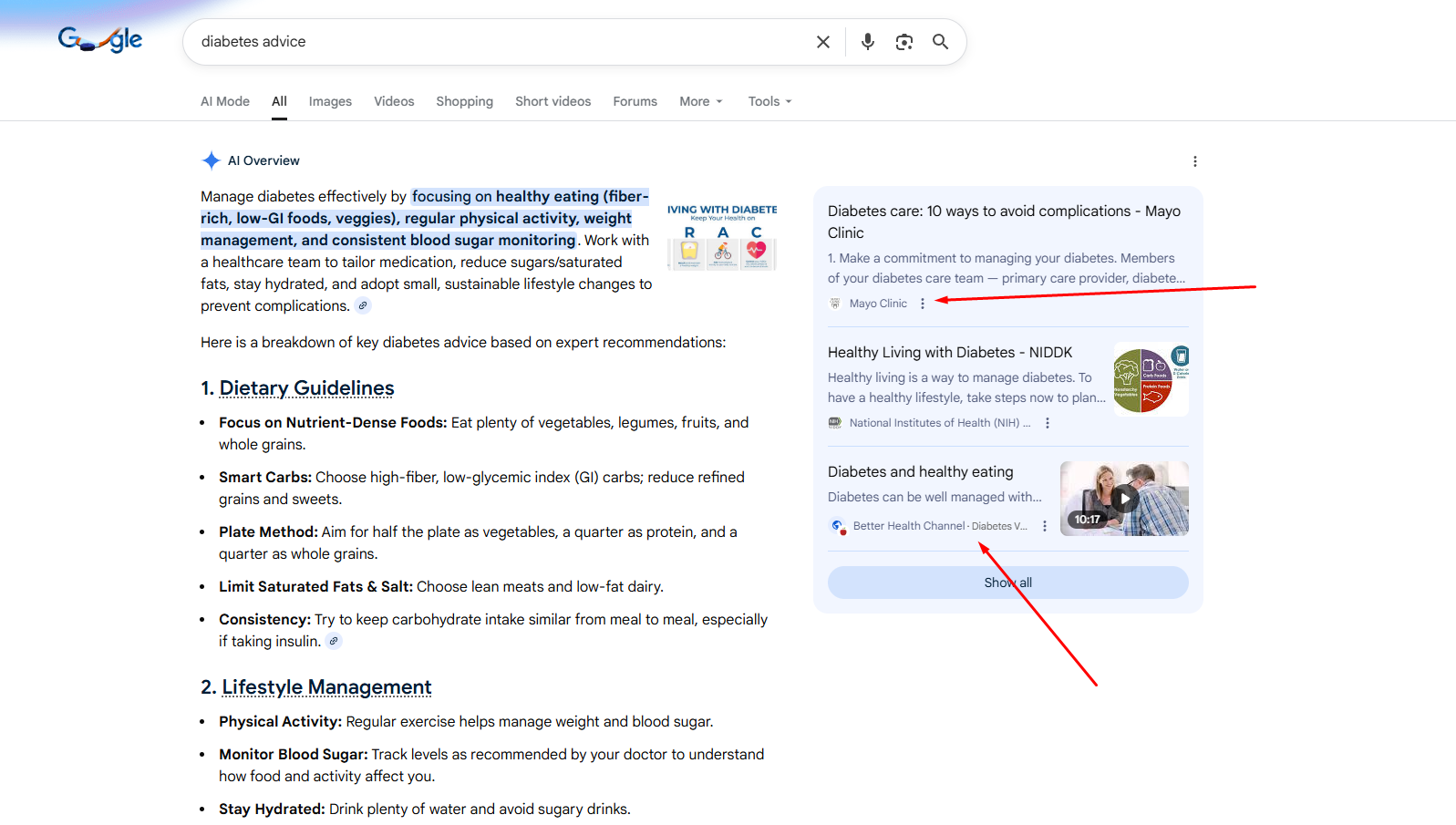
For example, a clinic in Tokyo and one in Paris might require the same diabetes advice but present it in different ways that adhere to local regulations and norms. GEO makes that shift seamless, while classic SEO might miss those subtleties.
Algorithm updates and evolving user demands can crush SEO strategies. GEO adapts faster because it listens for new search patterns and keeps content fresh for AI-driven results. Consider it a way to keep your health tips front and center even as search behaviors shift from typing to talking.
Why GEO Matters in Healthcare
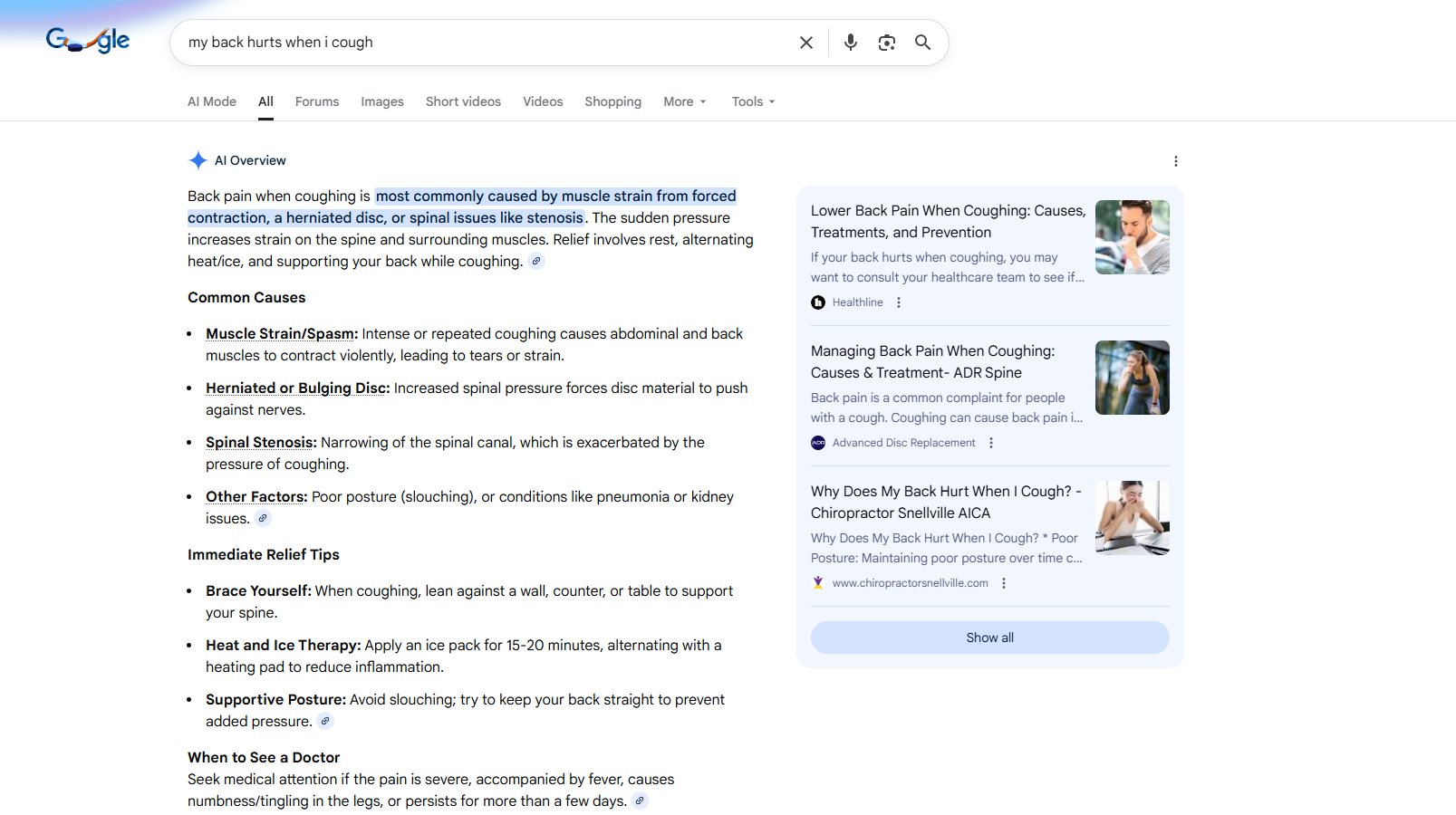
GEO is transforming the way healthcare tech brands engage patients and build trust as digital health queries and AI tools become ubiquitous. With more consumers turning to the web for reliable medical information, doctors and hospitals must enhance their online presence through effective digital marketing strategies to ensure they are visible in relevant search experiences.
Patient Trust
Trust is at the heart of every patient-provider connection. Both patients seek healthcare solutions that seem genuine and trustworthy, not only accurate. If you’re stuck between two clinics, online reviews or expert endorsements can often be the tiebreaker. They want to hear if people had a positive experience, if physicians are revered, and if content seems intimate.
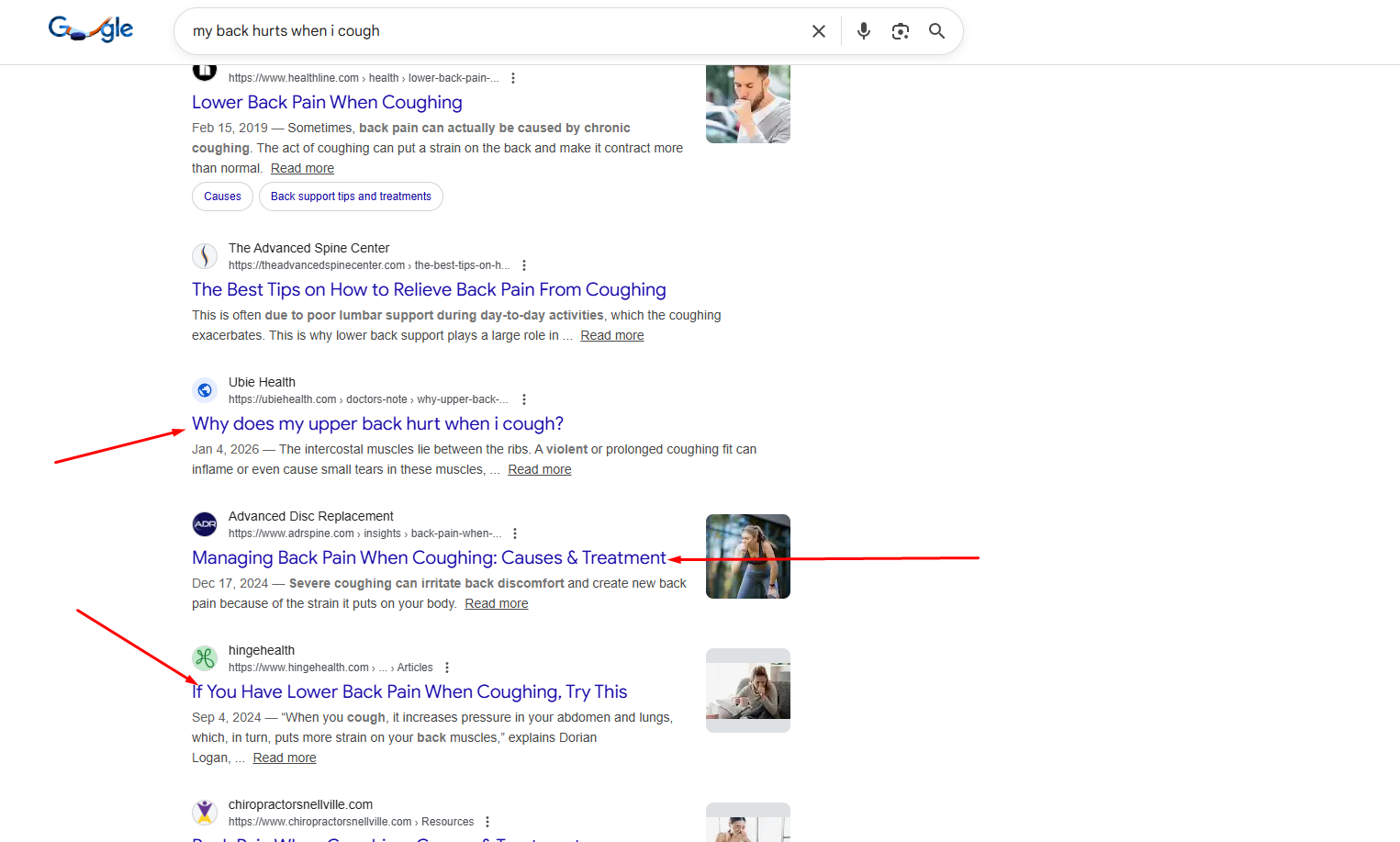
AI instruments can assist in generating content that addresses genuine concerns and aspirations, in a warmly human tone. This isn’t about hard numbers; it’s about demonstrating caring. Healthcare marketers can cultivate that trust by keeping their message consistent, sharing patient experiences, and ensuring any recommendations are provided by genuine experts or based on research.
Replying to reviews, updating content when things shift, and demonstrating compassion in every post all make patients feel secure and noticed.
Local Visibility
After all, for so many healthcare providers, patients continue to arrive from close by. Being local-search-friendly makes a huge difference, particularly as more and more people use their phone or voice assistants to search for a “doctor near me.” Now, clever GEO targeting can get clinics in the Local Pack on Google, which really pops out at the user on the map.
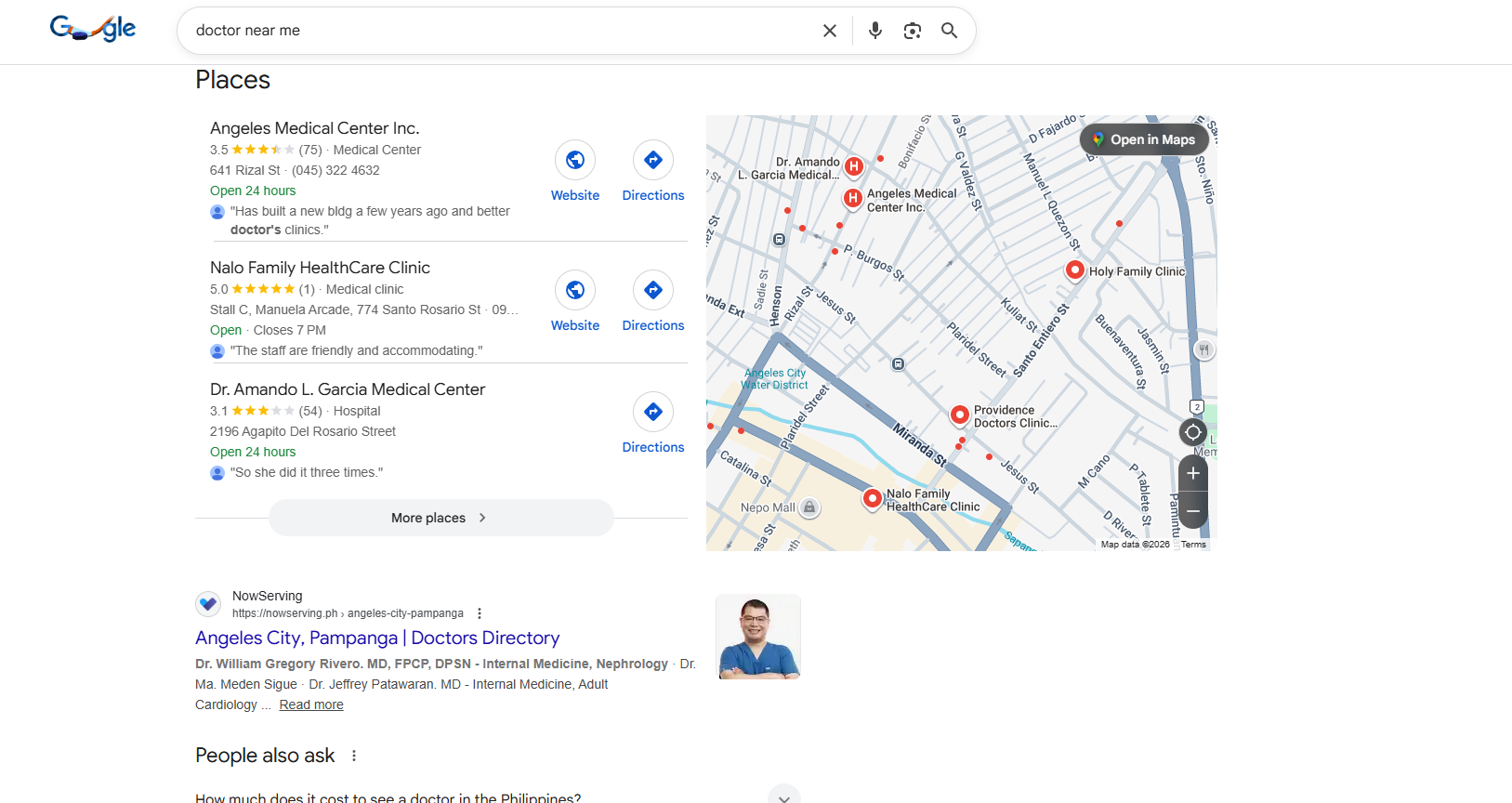
To get noticed in your location, intersperse local news, events and community information into your website and blog. Use terms your neighbors are looking for and monitor what’s hot in your city. Social media is crucial—sharing local posts or participating in groups fosters community connections.
AI tools can identify search trends, revealing what those around you are interested in or asking the most. That enables clinics to ask the right questions at the right moments.
Accurate Information
- Use trustworthy sources for every fact or claim.
- Plus schema markup and entity optimization help AI engines “read” your content.
- Routinely review and refresh all your web pages as new guidelines emerge.
- Create structured Q&A sections based on common patient questions.
- Encourage patients to leave feedback, then address it publicly.
Misinformation in healthcare is not only annoying, it’s dangerous. Providers have to make fact-checking, citing sources, and correcting quickly if something changes a habit. Structured data assists search engines in identifying which content is current and expert-supported, providing it a ranking advantage.
Regular updates keep content fresh, which helps patients trust what they read.
Competitive Edge
GEO empowers healthcare brands to outshine the competition and meet patients where they search. Clinics that climb in the rankings get more bookings and fewer missed opportunities. Engaging content, such as video explainers, audio Q&A, or patient anecdotes, drives repeat visits.
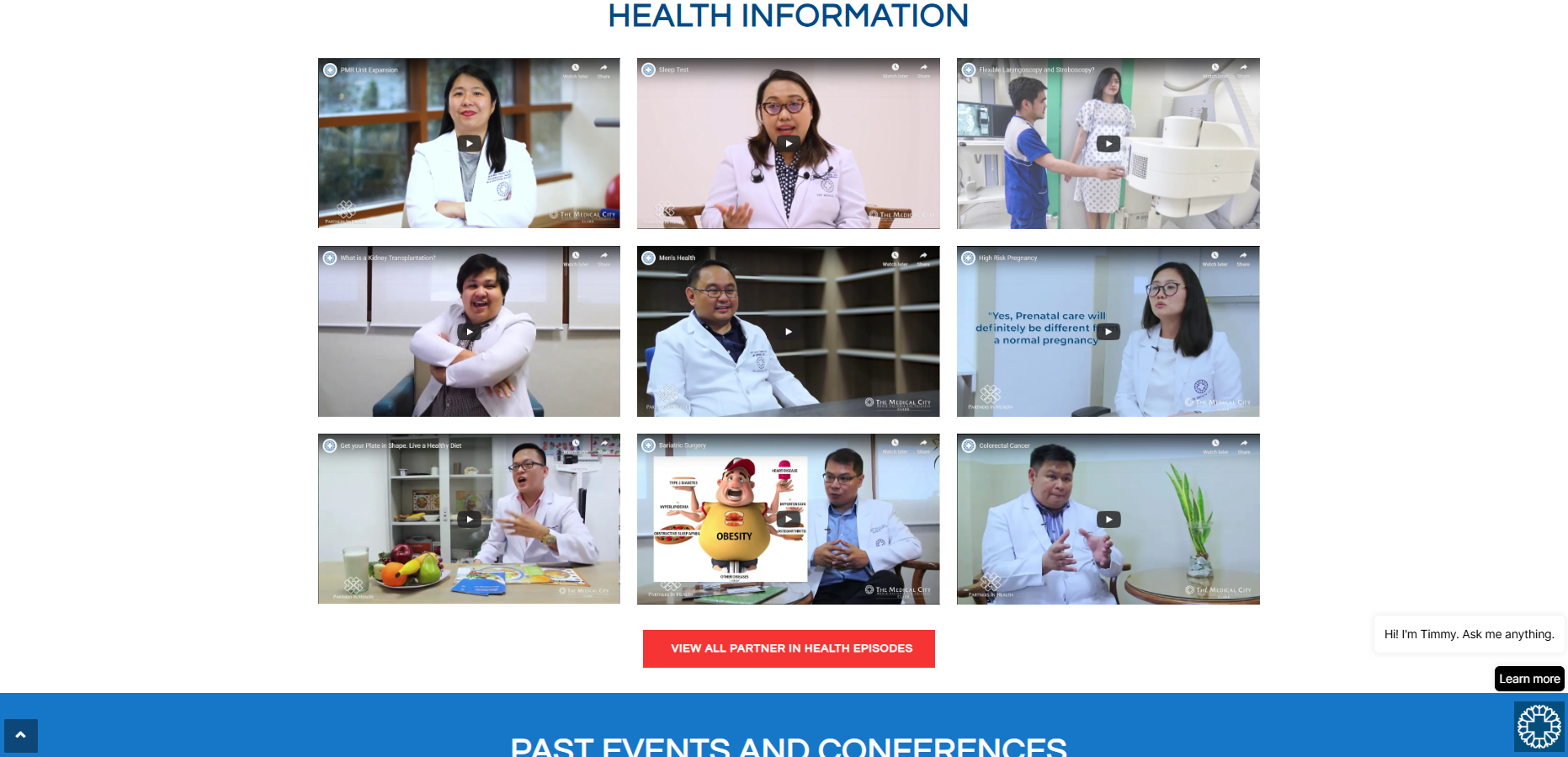
To stay ahead is to follow what’s effective, monitor emerging trends in AI and search, and adjust strategies frequently. Brands that act quickly, innovate, and pay close attention to patients can take the lead.
Implementing Healthcare GEO
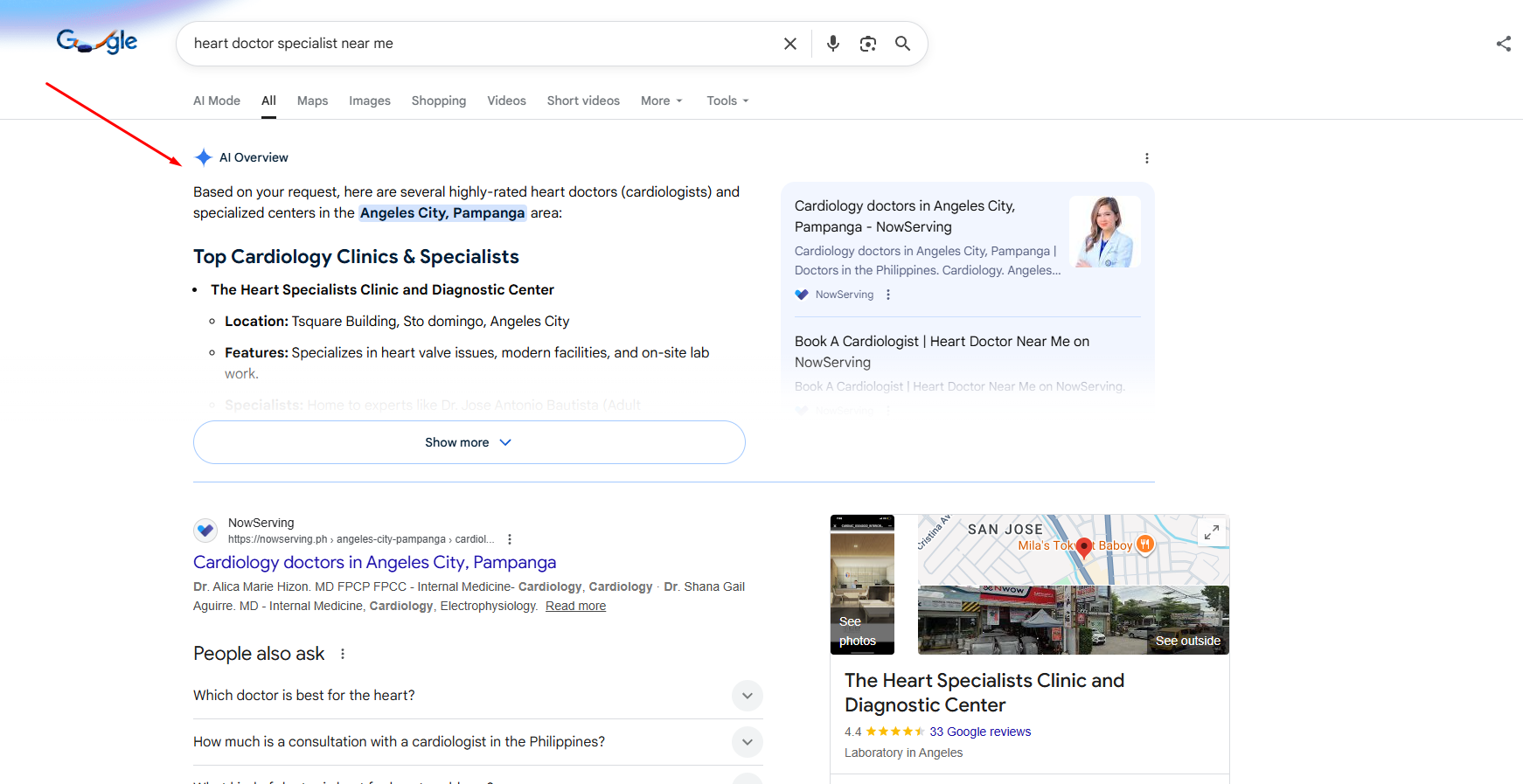
In healthcare, GEO is about more than just ranking. It’s about meeting patients where they need help most, wherever they are searching, including AI chatbots and search tools. Healthcare can use GEO to appear in AI Overviews and voice search by tailoring content that is transparent, reliable, and matches what people are truly seeking.
To yield the most return, a hybrid approach is required. That’s creating user-first content that satisfies the trust criteria of search engines and AI.
Actionable steps for healthcare providers:
- Auditing existing content for trust, clarity and relevance. Refresh or ditch anything that doesn’t put the patient first.
- Do deep keyword and topic research. Write for subjects and concepts favored by AI chatbots, not just individual keywords.
- With Healthcare GEO, you can use location-specific keywords to reach patients. This increases the possibility of appearing in the Local Pack and local AI answers.
- Craft and optimize multimodal assets, such as videos, infographics, and podcasts, since LLMs now ingest more than just text.
- Add schema to make AI and search engines understand and display rich content.
- Collaborate with AI professionals to develop strategies that suit new platforms.
- Capture feedback and research analytics across all channels, including AI tools, to continue to enhance.
Localized Content
Creating content for local groups is crucial. People in different cities or regions have unique health needs shaped by their environment, culture, and access to care. Utilize place-based keywords such as ‘pediatric care in Berlin’ or ‘diabetes clinic Tokyo’ which can assist you in appearing for patients who are searching locally.
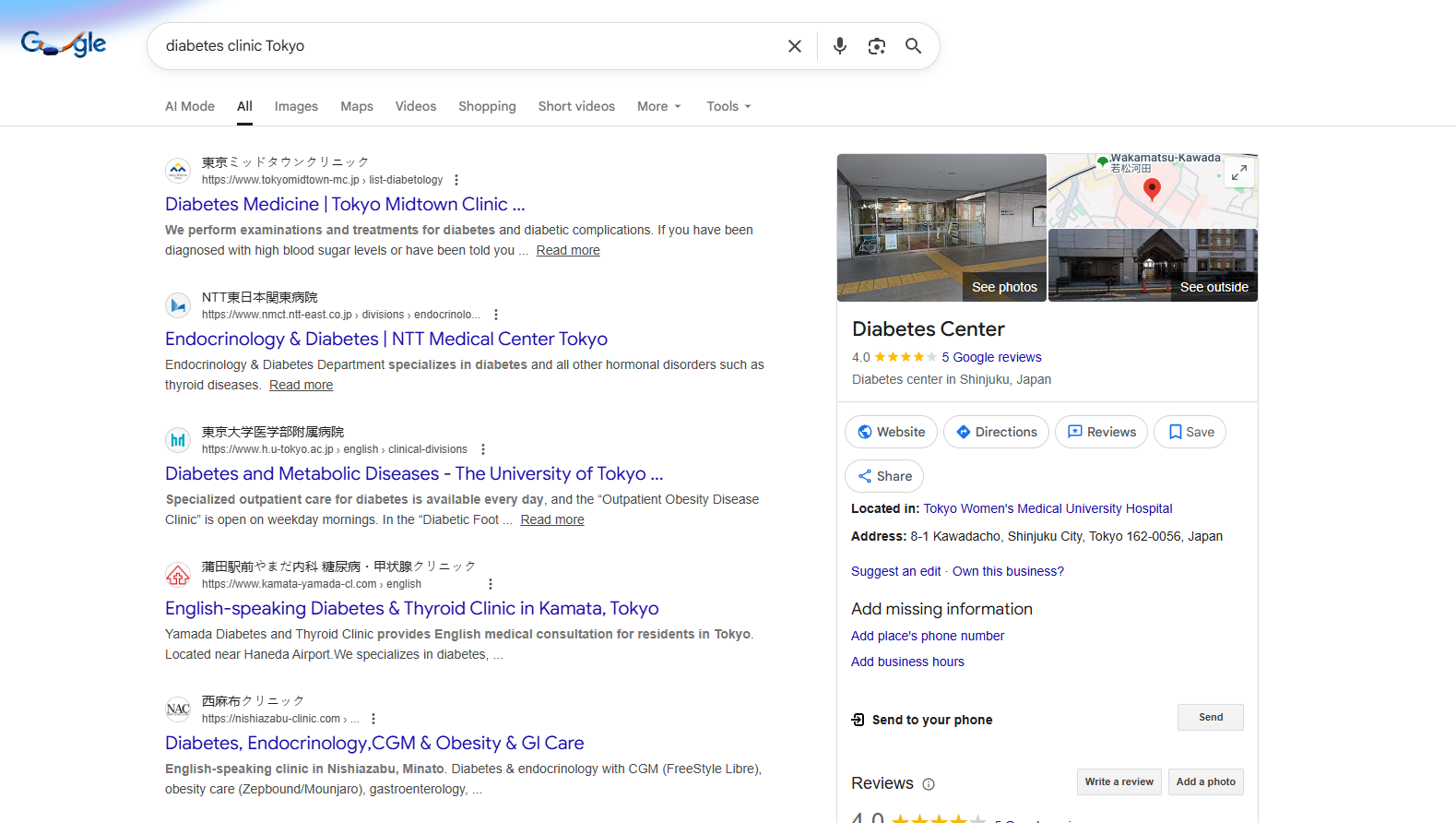
Messaging could be about local health concerns like allergies in the spring or an uptick in disease. Local market research, including community surveys, clinic feedback, or public health data, reflects what people care about most and informs your content plan.
Multimodal Assets
Videos, podcasts, and infographics aren’t just “nice to have.” They’re now necessary. Everyone learns differently. Some want to view a doctor discussing symptoms, others want a fast infographic or quick audio guide.
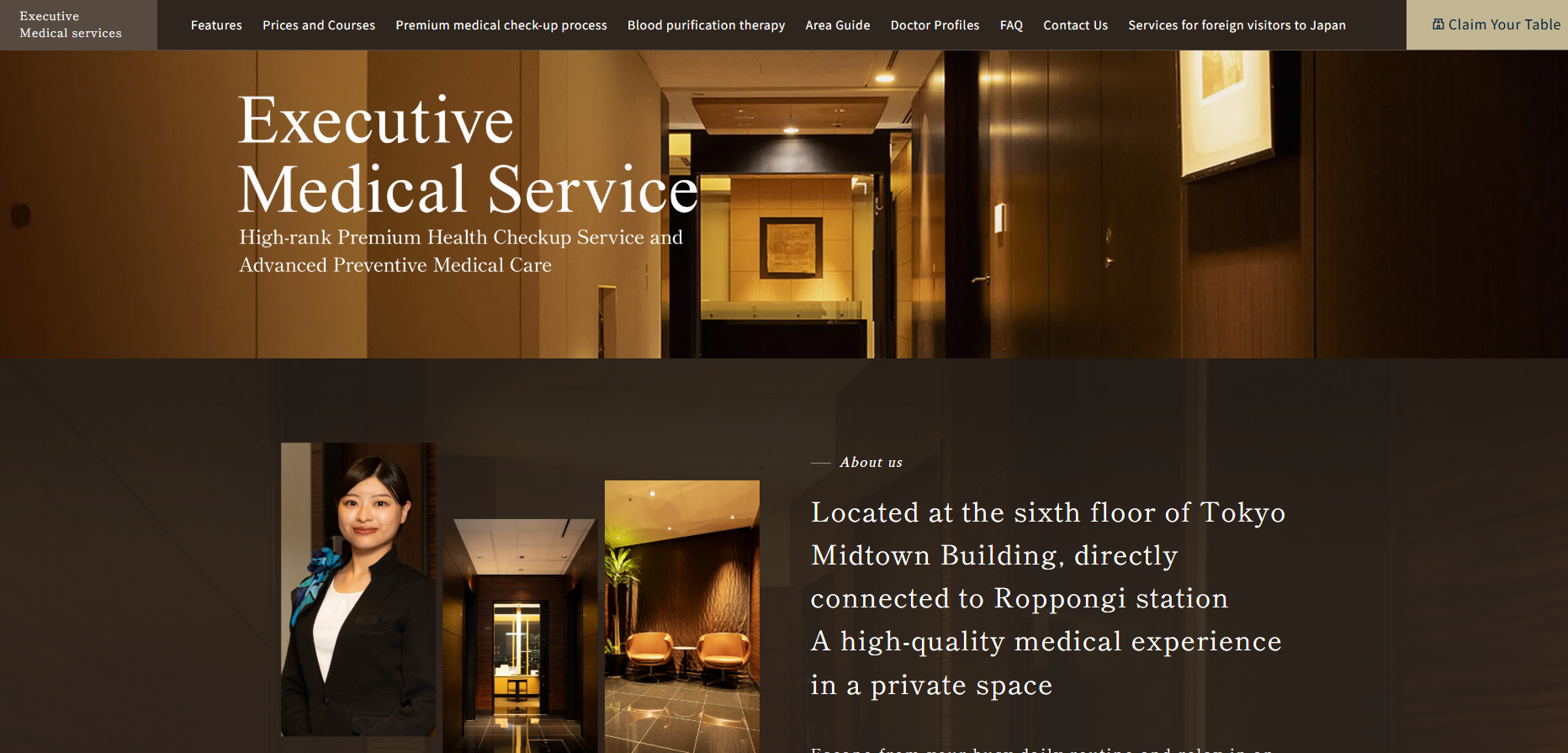
When you toss in various asset types, your content resonates with more folks and holds their attention for a longer period. Visuals break down tough health concepts into simple actions, so even challenging subjects don’t seem unattainable. Experiment with different formats and note what your audience enjoys. Continue to refine.
Building Authority with GEO
Building authority in healthcare with generative engine optimization (GEO) is about more than just ranking well. It’s about providing users with useful, beneficial content and ensuring that content is credible. Authority is earned in stages: first by offering real value, then gaining recognition, and finally becoming a trusted voice in your field.
These stages can span years, not months, and demand a combination of solid content, technical expertise, and offline connections.
E-E-A-T Signals
- Medical content authored by experts with credentials or reviewed by medical professionals.
- Visible author bios with experience, education, and certifications.
- Referencing current, authoritative sources such as peer-reviewed journals or government health sites.
- Transparent sourcing and medical reviewers on each page.
- User reviews, ratings, and feedback openly displayed.
- Privacy policies and transparent contact information.
- Consistent updates with new research or guidelines.
Well-researched articles can demonstrate expertise and increase trust, particularly when they directly address user queries. For instance, a hospital blog that details treatment options, side effects, and recovery timelines while utilizing clinical proof makes readers trust the information.
If you’re a healthcare provider, you should show your credentials on every page, not just the ‘About’ page. Think medical degrees, years of practice, and awards. User reviews contribute an additional level of credibility. When patients write authentic feedback on their treatment or when a clinic answers queries on message boards, it creates trust.
These signals assist users and AI models alike in viewing the site as an authoritative source.
Quality Over Quantity
The publish-or-perish mentality can result in shallow regurgitation. In medicine, precision and nuance are more important. One good article that solves a hard problem or clarifies a difficult process can do more to build authority than 20 fluffy posts.
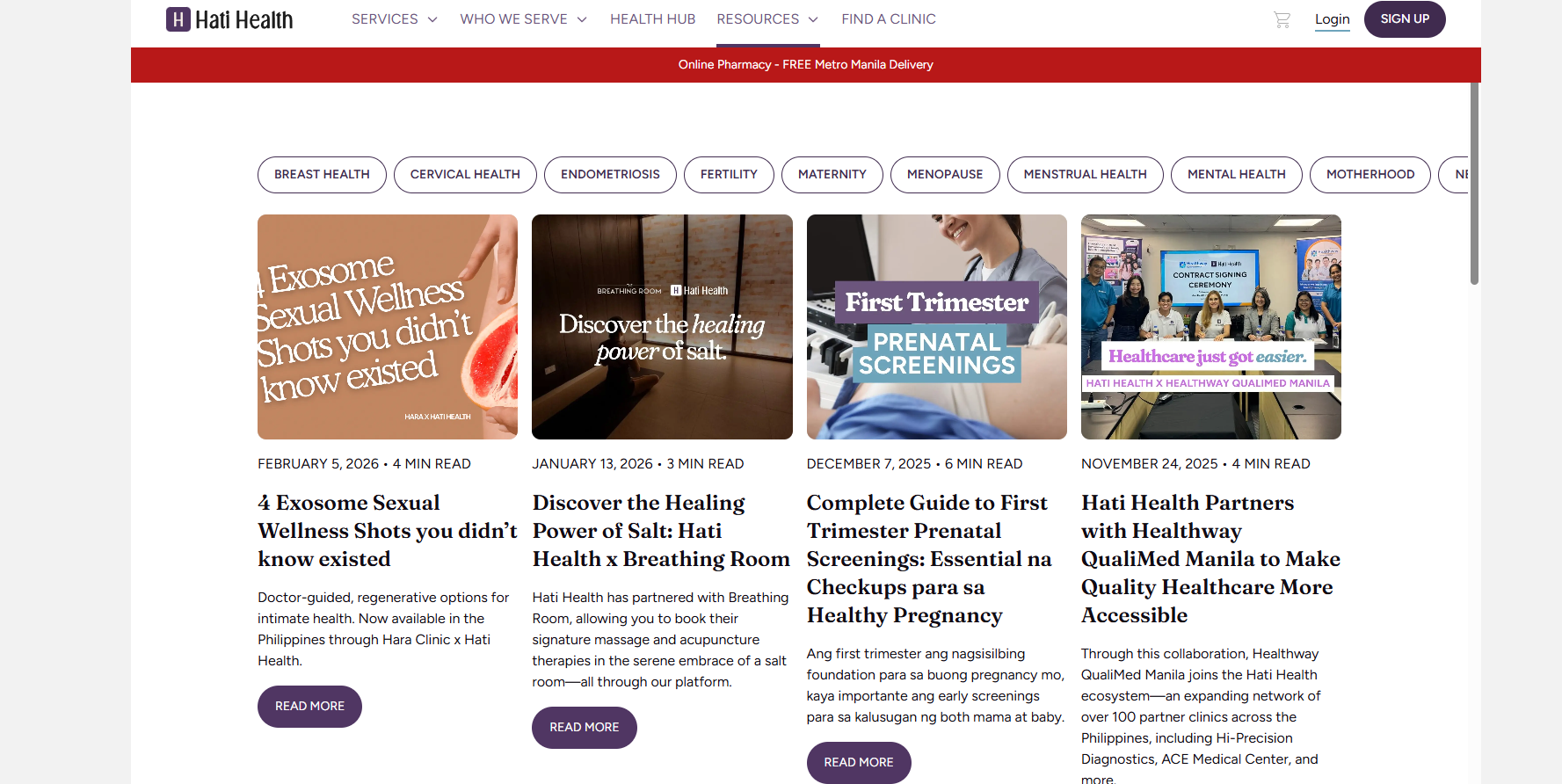
High-quality content is ranked higher as it corresponds better to users’ needs. It gets backlink magnet for trusted organizations, such as health groups or research companies, especially if there are structured data, charts, or original research involved. Research is the secret.
Fact-check every statement, cite current sources, and update those old posts when new information emerges. How do you measure? Track metrics such as user engagement, dwell time, and referral links. If something isn’t working, tweak it.
Periodic audits and refresh cycles keep content sharp and on point.
Consistent Branding
Brand is the foundation of confidence. If your tone, visuals, and messaging hop between channels, users get lost. A healthcare brand must sound and look consistent on service pages, social, and digital ads.
Develop clear brand guidelines: pick a tone (friendly, expert, or reassuring), choose a color palette, and set rules for photos and graphics. That keeps the brand top-of-mind regardless of where they are consuming.
Social media is key for demonstrating the brand’s human side. Posting patient stories, staff spotlight, or health tips keeps users engaged and builds loyalty.
Navigating GEO Pitfalls
Generative engine optimization (GEO) in healthcare offers immense rewards but introduces inherent risks that can erode trust, accuracy, and effectiveness. Good GEO is about identifying these pitfalls and avoiding them before they cause irreparable damage.
Some common pitfalls include:
- Relying too much on AI tools without human review
- Lacking or feeble references to reliable sources such as .edu, .gov, and peer-reviewed journals.
- Failing to update data, statistics, and industry benchmarks
- Ignoring compliance with healthcare regulations
- Skipping regular validation of content for factual accuracy
- Overlooking user feedback or AI bot analytics
- Not tracking citation frequency or AI platform recognition
Avoiding Automation Bias
Highly automated tools make healthcare marketing stale or even wrong. AI can write fast, but it glosses over the small things that count. It can get facts wrong, provide answers out of order, or miss new studies published every month.
If you let AI run wild, your content can lose the distinct voice and credibility that only a real person can provide. A hybrid approach combines AI velocity with human curation. Writers and editors need to vet AI writing for relevance, factual accuracy, and tone.
Identify mistakes, punch holes, and inject humanity. Train teams to recognize where AI shines and where it falls short, so they can step in when the timing is right. For instance, never forget to scan those first 40 to 60 words because well-sourced, transparent introductions steer AI answers and user confidence.
Audits every three months or so can help catch errors and keep stats fresh. This is where the storyteller’s eye matters, observing not only what’s on the page but how it serves readers.
Ensuring Compliance
Compliance is crucial in healthcare marketing. Dismissing compliance will tear down brand reputation and patient trust. These legal blunders can result in fines or lawsuits.
To avoid GEO Pitfalls, content creators require continual education to identify compliance problems and to implement best practices. Legal review for each campaign or article is a must, particularly for new products or treatments. This keeps messaging secure and compliant with market regulations.
Key compliance areas include:
|
Compliance Area |
Key Requirement |
|---|---|
|
HIPAA (or local data laws) |
Protect patient data, avoid personal health info |
|
Medical Claims |
Support with peer-reviewed evidence, avoid exaggeration |
|
Consent and Privacy |
Disclose data use, get consent if needed |
|
Regulatory Approval |
Ensure claims match approved products or treatments |
Validating Accuracy
Precision may blur as fresh guidelines and studies emerge. Re-verify content every 90 days, refresh stats, and link to newly peer-reviewed posts. Navigate GEO Pitfalls.
For each article, use 5-8 robust citations. Consider .edu, .gov, or top industry journals. This increases trustworthiness and makes AI platforms believe your content.
Establish a pre-publish team review workflow. That means fact-checking, vetting links, and ensuring responses are transparent. Leave the door open for user feedback. Readers and professionals often catch errors that bots overlook, so their feedback is crucial for accuracy.
For customer research you share each quarter, you can gain new citations and make your site a go-to source. Monitor GEO trends over six to twelve months. These steps establish authority and generate more GEO success.
Conclusion
Generative engine optimization changes how healthcare teams appear online. No more guessing. GEO puts actual patient needs first. It empowers clinics and health brands to display transparent information, foster trust, and expand their audience. Imagine a doctor’s site tackling tough health questions or a clinic sharing authentic experiences. GEO advantages these sites in search and attracts the right visitors. Little things, such as providing explicit responses and local information, go a long way. It’s a quick-moving field, and GEO belongs. Ready for your healthcare site to dominate the charts and serve more people! Contact SirLinksALot and let’s transform the way your tales operate in the digital world.
Frequently Asked Questions
What is Generative Engine Optimization (GEO) in healthcare?
GEO is healthcare’s generative engine optimization, ensuring that medical info is accurate, relevant, and optimized for search engines, enhancing online presence and user experience.
How does GEO differ from traditional SEO?
GEO optimizes for AI-generated answers, focusing on enhancing online presence rather than just keyword rankings. By utilizing structured data and natural language, it improves healthcare content discoverability in generative search engines.
Why is GEO important for healthcare providers?
GEO enables healthcare professionals to extend their impact by ensuring that trusted, precise information is displayed in generative AI search results, enhancing their digital presence and increasing patient involvement.
What are the key steps to implement GEO in healthcare?
Begin with some plain, factual statements to enhance your digital marketing strategy. Organize content with headings and lists, as this helps improve search rankings. Include expert citations and refresh often to optimize your content strategy, enabling AI engines to identify and suggest your healthcare information.
How does GEO build authority for healthcare organizations?
GEO emphasizes authority and credibility by citing authoritative sources and factual evidence, enhancing its online presence and improving its chances to appear in generative search engines.
What are common pitfalls when applying GEO to healthcare content?
SEO efforts can be hampered by stale content, non-authoritative sources, or jargon, so ensuring a strong content strategy is vital for maintaining online presence.
Can GEO improve patient trust in online healthcare information?
Yes. By ensuring that the content strategy is correct, transparent, and crafted by specialists, GEO enhances the user experience, increasing the chances of patients trusting and following what they find online.