Key Takeaways
- Trending topics can generate fast interest. Long-term success is found in a mix of timely posts and evergreen topics that provide continuous utility.
- Employ a combination of platforms such as social media trend reports, BuzzSumo, Google Alerts, and trend prediction services to identify emerging popular topics that are relevant to your field.
- Do some social listening, join some forums and listen to the questions your audience is asking to find hot topics.
- Verify trend duration and competition by monitoring engagement and search volume. Seek topics with sustained interest and moderate competition.
- Discover your own voice by sharing personal anecdotes, exploring under-covered subtopics and writing original headlines that distinguish your blog.
- Work with professionals and use their input to increase your blog’s credibility and reach a wider international audience.
How to find trending topics for your blog. Check realtime data, social media trends and keyword tools. Identify what readers discuss so you can craft your own posts that get clicks and shares.
Google Trends, Twitter and Reddit reveal what is hot right now. These tools provide a global perspective on what is trending. Understanding where to discover trends keeps your blog fresh and readers returning.
Now let’s see how you can do this step by step.
Why “Trending” Is Not Enough

Trending topics attract attention. They’re fast changing and crowd-drawing. Being hot right now doesn’t mean it’s going to help you blog in the long run. A lot of trends are sand. They sift and blur and become old news in days or weeks.
To those of you trying to build a blog that lasts, it’s crucial to realize that trends are transitory and the buzz won’t linger. There’s danger in chasing every new thing. When the hype fades, so does your traffic, and your blog looks desolate or adrift without consistent, useful content. AI video generators are proving invaluable for creating this type of evergreen content, allowing for the production of high-quality explainers or guides that remain relevant over time.
Certain topics, referred to as evergreen content, have timeless worth. These are posts that readers return to again and again, regardless of what’s trending. Think guides, best practices, or solutions to frequently asked questions in your niche.

For example, a post on ‘How to start your first SEO campaign’ will probably assist readers for years, whereas a post on the latest search algorithm update will soon be old news. Evergreen content adds backbone to your blog. It demonstrates that you’re in the know about your industry and it can lure people back to your site again and again.
It’s just as crucial to make sure a trending topic suits your blog’s niche. If you blog about digital marketing, it wouldn’t make sense to blog about a viral cooking hack, even if it attracts a million clicks elsewhere. By selecting trends that suit your audience, you establish credibility.
Readers know what to expect, and they view you as a trailblazer in your domain. If your blog ends up chasing every new trend, it’ll appear adrift or unserious. They visit your site to find solutions, not just buzz.
Because you may have noticed, trending is crowded. If we’re all writing about the same thing, it’s hard to be distinguished. Original points of view, deep dives, or unique takes can help, but only if the topic aligns with your strengths.
If your posts are just trends, they risk sounding shallow or hurried and readers may not return. Authentic engagement develops when the audience senses your posts are relevant and worth sharing or commenting on.
Uncover Trending Blog Topics

Discovering trending blog subjects is about understanding what interests people currently and what will captivate their interest in the near future. Marketers and SEOs must identify these changes quickly, leveraging actual data and trusted tools. Covering them early means your content attracts more visitors and keeps your site ahead of the game.
Trending posts can drive tens of thousands of new users in weeks and typically continue to pay dividends with consistent long tail search engine optimization gains.
- Search social media (Twitter, TikTok, Instagram) for trending tags and real-time discussions.
- Try BuzzSumo to monitor high-flying content and the most shared posts.
- Set up Google Alerts for your focus keywords.
- Analyze Google Trends for rising and falling search patterns.
- Dig into Exploding Topics to spot fast-growing subjects.
- Search marketing platforms for hot posts in your niche.
- Follow topics that get a lot of engagement, such as likes, shares, and comments, on your own and others’ blogs.
- Check out Quora and other Q&A sites for exciting questions.
- Check forums like Reddit for high-traffic threads.
- Look for seasonal or recurring trends by examining past data.
1. Social Listening
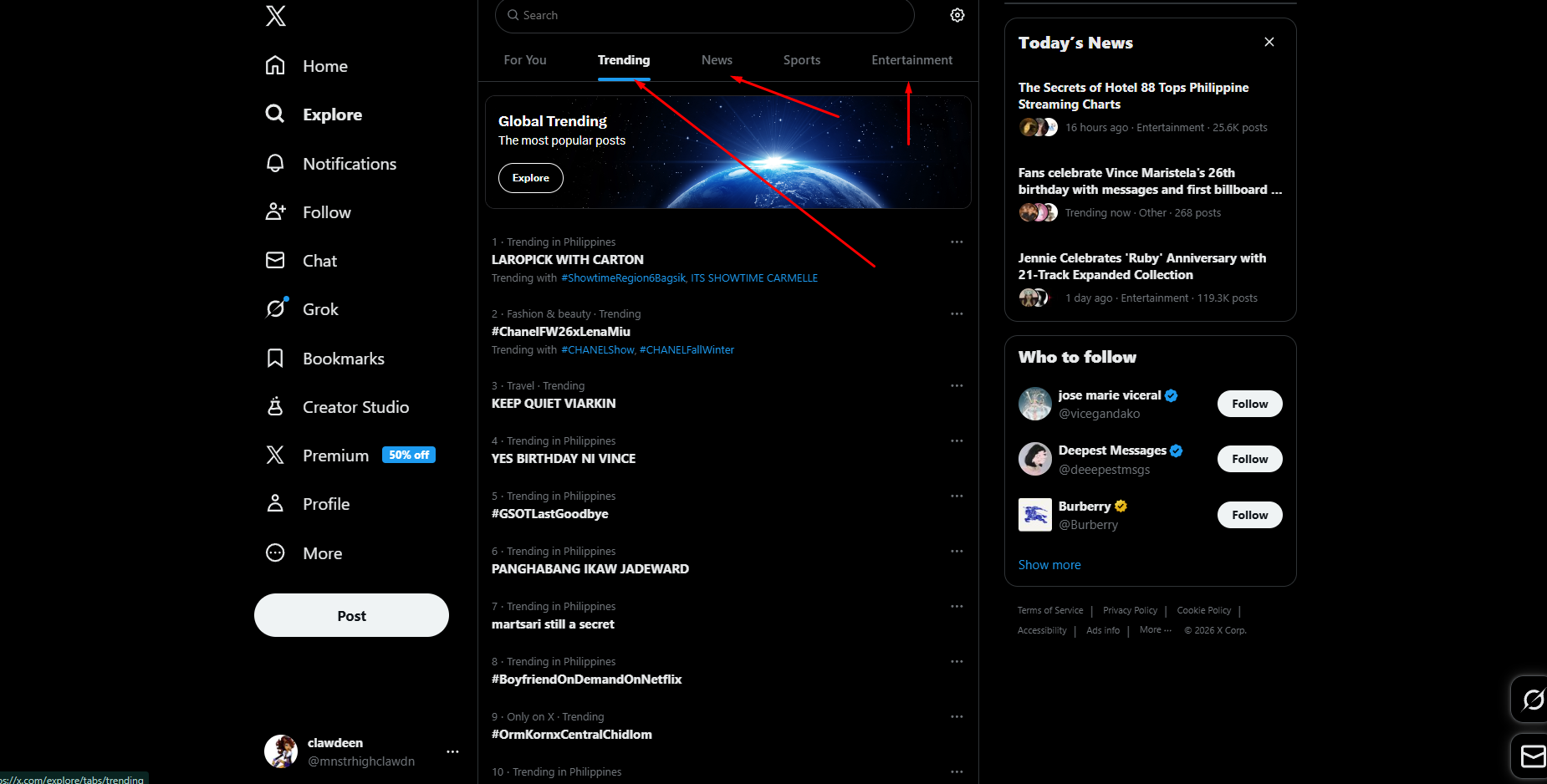
Social listening is monitoring real-time conversations to identify what interests your target audience. By watching hashtags and keywords, you get a sense of what sparks the most buzz. Polls or easy questions on your social feeds can get you direct input and occasionally surprise you with ideas.
It’s clever to watch engagement stats. Posts that generate hundreds of comments or shares can be a surefire sign of a trend you should cover.
2. Forum Mining
Surfing forums is a treasure trove of genuine feedback and unexplored ideas. Reddit, for instance, has the most active threads that are often an indication of what a niche community cares about. Dig around in the comments.
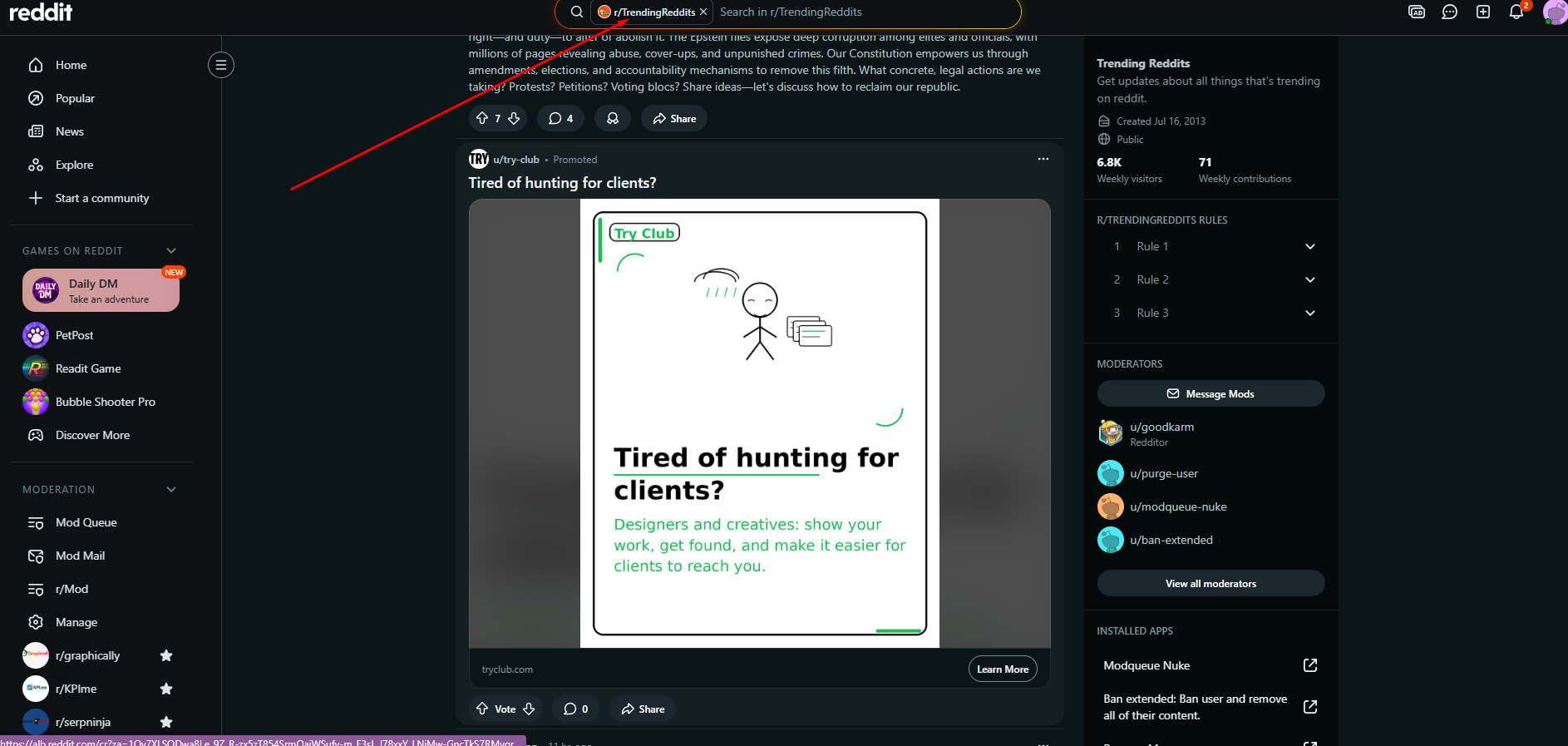
Sometimes the best nuggets are follow-up questions or arguments. If you make forum visits a regular habit, you will catch new topics as they emerge. These insights inform your blog strategy and make your content seem more in touch with your readers.
3. Audience Questions
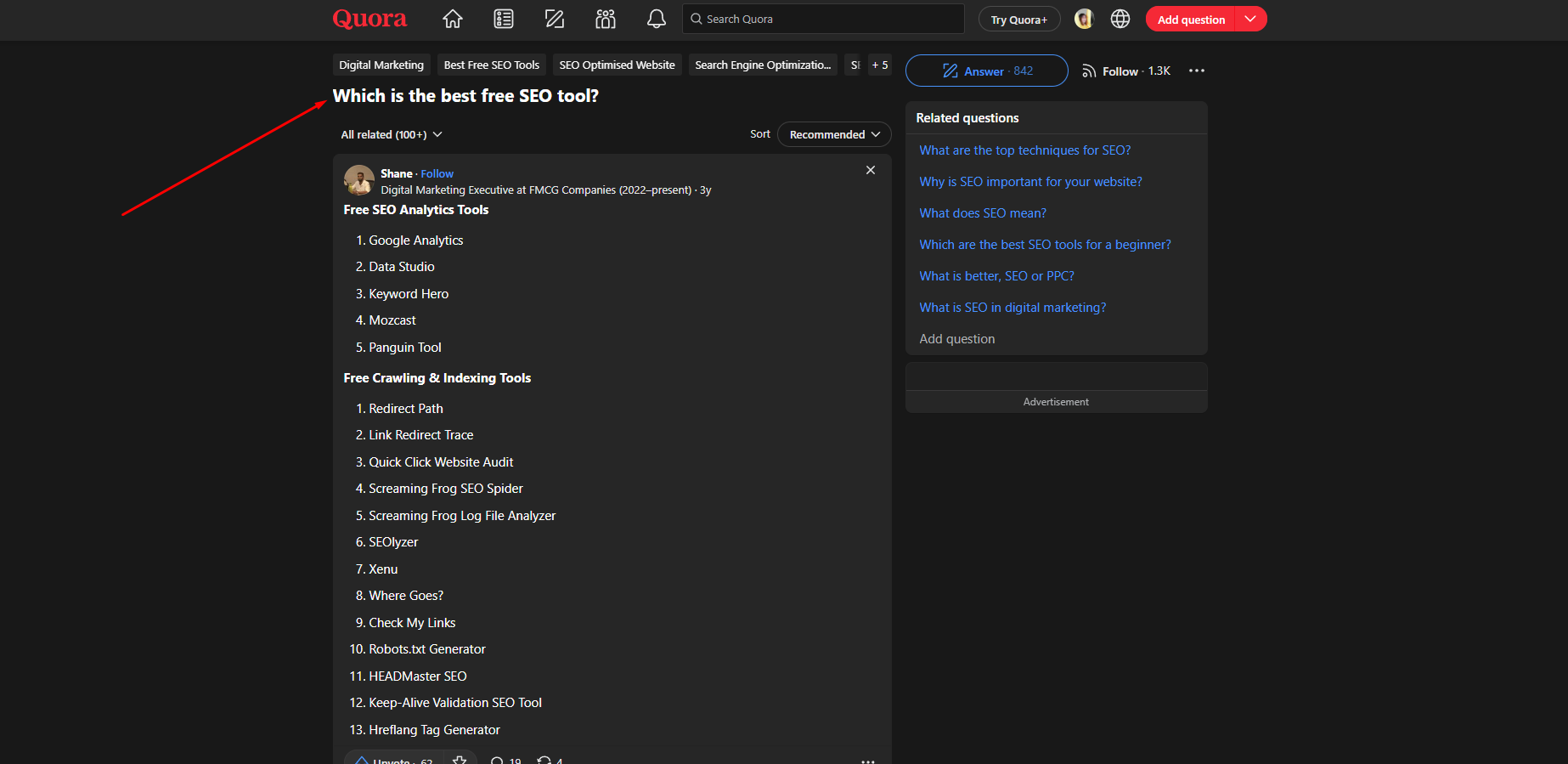
Questions reveal what people really want to know. Sites like Quora and Answer the Public allow you to identify high-view or highly-upvoted questions, which are great demand indicators. If you have your own readers submit questions, you get ideas directly from your audience.
When your posts answer real questions, you craft content with built-in appeal and can generate more organic traffic.
4. Niche Communities
Membership in niche communities keeps you proximate to what’s trending in your area. By participating in group chats or comment threads, you observe what sparks discussion. Link to your posts from these places, and you’ll expose new, engaged readers.
Tracking what’s getting buzz assists you in adjusting your own content strategy.
5. Predictive Tools

Predictive tools such as Exploding Topics or Google Trends help you catch new trends before they go mainstream. They analyze search trends and growth rates, so if you want to schedule some content that strikes while the iron’s hot, it’s much easier to do.
By mixing in trend forecasts to your content calendar, you’re prepared with a post as soon as a new topic heats up. Examining historical data can assist you in identifying fads and declining interests, so you can adjust accordingly.
Validate Topic Longevity
Validating topic longevity makes your blog useful and fresh, not a flash in the pan. When you select a hot topic, it is tempting to be swept away by momentary surges. The true test is knowing if the interest will endure. For one, verify topic consistency with Google Keyword Planner. Is the search volume relatively consistent over the last year or so?
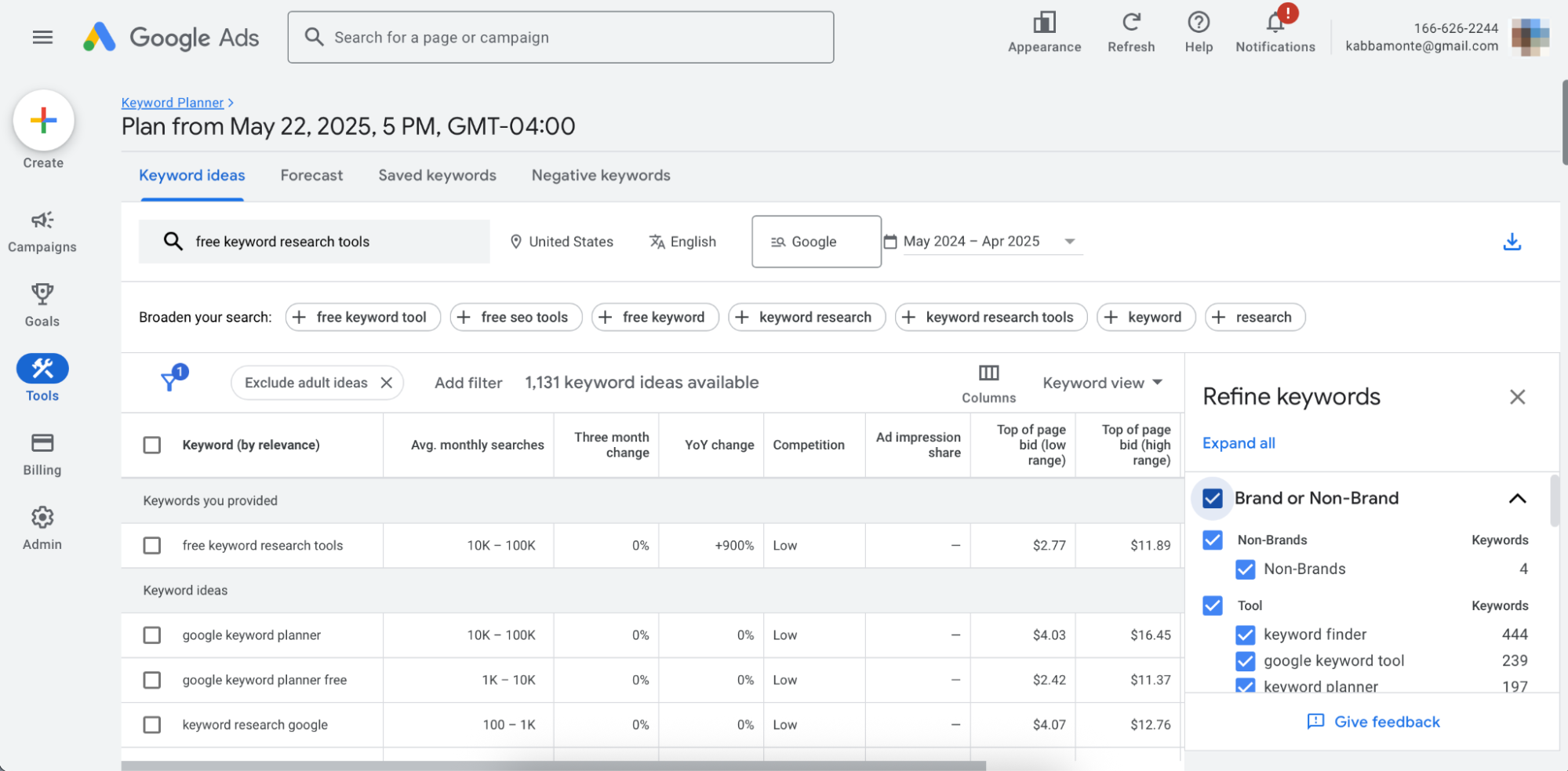
If you observe large fluctuations, perhaps a significant increase followed by a decline, that subject could fizzle quickly. Conversely, a topic that gets consistent searches month after month, such as “remote work tips” or “healthy meal ideas,” could be a more reliable choice for enduring traffic.
Audience interest matters just as much. Figures speak. Check metrics such as average time on page, bounce rates, and the number of people sharing or linking to the post. If a post’s engagement drops off after a few months, it might mean the topic isn’t holding up.
The table below shows how engagement can shift over time:
|
Month |
Avg. Time on Page (min) |
Bounce Rate (%) |
Shares |
|---|---|---|---|
|
Month 1 |
4.2 |
39 |
120 |
|
Month 3 |
3.9 |
42 |
80 |
|
Month 6 |
3.7 |
44 |
70 |
|
Month 12 |
2.4 |
51 |
25 |
If you see a consistent decline, as in the table, that is an indicator the topic’s glimmer is waning. Occasionally, readers will bypass posts that appear dated, even if the advice remains sound. This is why it helps to refresh entries semi-annually.
A little sprucing up—new statistics, recent fads, updated instructions—can really help keep a topic fresh and push it higher in the search rankings. Certain topics just stick around. Evergreen stuff, like ‘how to start a blog’ will keep churning traffic for years if you maintain it.
Even “evergreen” posts lose steam if you don’t update them. A productivity tip from 2015 likely won’t beat out today’s tools and trends. For news or trend-related topics, anticipate a limited shelf life. A post about a fad app or a single event is bound to fall off in traffic when the buzz dissipates.
A clever form of topic longevity stretching is the content series. If you discover a topic that has them returning, segment it or update it. For instance, an SEO 101 series can catch readers where they are: newbies, mid-levels, and pros. This keeps your content fresh and keeps readers coming back for new angles.
Find Your Unique Angle
Begin by considering your location and the services you provide. The idea is to identify a blog niche or expertise area that resonates as being yours. For instance, a digital agency in Singapore may observe that the local SEO patterns appear distinct from Berlin. Write about those split points, like how local search habits differ from city to city. This approach makes your content new, not just a rehash of what’s out there.
Dive into the between-service nitty-gritty at various locations. What’s different and what remains the same can both provide you with a powerful angle. If you see that e-commerce booms in Paris in the summer but not in Sydney, explain why. Or highlight what they share, demonstrating you did the homework others overlooked in their blog content.

Search for blog niche ideas that are not filled yet in what’s already on top. Browse the top pages for your subject and note what’s absent. Maybe everyone’s writing about “SEO tips” but no one’s writing about “SEO tips for eco-friendly brands.” Identify those spaces and plug them with your own perspective or a surprising twist. That’s how you differentiate yourself and attract the proper traffic to your blog.

Don’t forget to do the research! See what they care about now and how those concerns might evolve. Sometimes evergreen topics, such as how to deal with Google’s new SEO update, are exploding topics that continue to draw readers well past the trend’s ignition.
Draw inspiration from others. Look into your competitors and peers, and study their wins and mistakes. A narrative on how so-and-so cracked a tough SEO problem in a novel niche can ignite inspiration for your own entries and help you develop your content marketing strategy.
Integrate Expert Insights

Incorporating intelligence from true experts into your blog provides your audience with a richer and more lucid understanding of every subject. By interviewing experts, you can identify patterns others overlook and gain insights into potential blog niche ideas. Experts often have a unique perspective on what’s next before it becomes huge, which is crucial when you want to write about the latest trends—what’s hot now and what’s going to be tomorrow.
Partnering with leaders in your field can come in many shapes. You could connect for a brief conversation, conduct an interview, or request a guest post. Both ways differentiate your blog and establish credibility with your readers. For instance, if you have a marketing blog, request a well-known SEO consultant to share new ranking strategies. If you blog about health, locate a doctor who will discuss shifts in wellness.

Guest posts or interviews don’t just bring new voices; they bring new readers when experts share your post with their own audience. Expert quotes add depth and credibility to your posts. They provide readers validation that your concepts resonate in the real world. For example, if you cite a social media expert on what makes content go viral, it transforms your tips from conjecture into authoritative advice.
These quotes can generate interest and great conversations in your comments or on social media. Here’s the tip – use insights from multiple experts when you can. This not only helps you ensure your information is accurate but also provides you with multiple perspectives on a trend. Remember, experts have blind spots too. Verify their information where possible and seek equilibrium to maintain a balanced view in your niche.
Sharing expert insights doesn’t end with blog posts. Use snippet expert tips in your newsletters or convert interviews into Twitter threads. This brings more eyes to your content and helps you reach new users where they’re already spending their time. It establishes your reputation as a source of valuable insights, not simply a source of chaff.
Acquiring these insights requires effort. Experts are busy, and some only contribute their ideas for compensation. Occasionally you’ll need to pay or subscribe to special reports. Incorporating expert insights helps you catch what you may have missed and demonstrates where you can go deeper, making your blog more competitive in a crowded blogosphere.
It’s a savvy method for identifying holes in the knowledge and strategizing your way forward. For bloggers, it translates into smarter posts, smarter research, and a sturdier position in your right blog niche.
Conclusion
Locating blog trends remains easy with proper steps. News feeds, social buzz, and search data lead to new ideas. Choosing things that endure and shine in a sea of sameness brings visitors back. Expert tips add real weight to every post. I saw one client take a sleepy blog and turn it into a go-to spot simply by sprinkling in news, using whatever works, and telling first-hand stories. Staying sharp is about seeing what works and pivoting quickly if it does. If you want to grow your blog and capture loyal readers, give these steps a whirl and adjust them for your style. For new SEO tools and advice, visit SirLinksALot. Let’s make your blog hum!
Frequently Asked Questions
How can I quickly find trending topics for my blog?
Dig into Google Trends or BuzzSumo to explore trending searches and popular content. They display current interests, helping you identify the right blog niche and select topics with strong audience interest.
Why should I check if a trending topic will last?
Certain trends die hard, and by validating longevity, you can identify profitable blog niche ideas that remain relevant, ensuring your content keeps generating readers well into the future.
How do I check if a topic is too competitive?
Research the top search results for your blog niche. If big, established sites dominate it, there’s significant competition. Look for underreported slants or gain valuable insights from keyword tools.
What makes a blog angle unique?
A unique angle in your blog niche offers a fresh perspective or innovative solution, distinguishing your content from others. This approach adds value to your readers, ensuring your blog articles remain memorable.
How do expert insights improve my blog post?
Expert perspectives on blogging lend authority and nuance. Quotes, interviews, or expert data demonstrate authority, building confidence and improving your position to draw an engaged readership.
Can I use trending topics for any blog niche?
Okay, just make sure it works for your audience. Tailor more general trends to your blog niche for the best impact. Relevance is the name of the game.
Which metrics should I use to validate a topic’s popularity?
Search volume, shares, and engagement are crucial metrics that help you gauge genuine interest and confirm that your blog niche has true audience appeal.