Key Takeaways
- Meta descriptions are not a direct Google ranking factor and have not been since 2009.
- Instead of ranking factors, meta descriptions are “click factors.” They act as your website’s elevator pitch to convince searchers to visit your page.
- To actually rank on page one, you need strong technical health, topical authority, and high-quality backlinks (which is where a service like SirLinksALot comes in).
- A modern 2026 meta description should be around 150-160 characters for desktop and 120 characters for mobile.
- AI tools are fantastic for automating meta tags on massive e-commerce sites, but your core landing pages still deserve a human touch.
If you have spent more than five minutes looking into Search Engine Optimization (SEO), you have probably felt a little overwhelmed.
There are thousands of guides, endless opinions, and constant algorithm updates. It can feel like you need a computer science degree just to get your website noticed.
One of the most common questions beginners and seasoned marketers alike ask is about those little snippets of text under the blue links on a search page. We are, of course, talking about meta descriptions.
If you are currently building out a website and wondering are meta descriptions a ranking factor google actually cares about today, you are in the right place.
The short answer might surprise you. The long answer will completely change how you approach your daily SEO workflow.
In this comprehensive, beginner-friendly guide, we are going to break down everything you need to know about metadata in 2026. We will look at the history of Google’s rules, the anatomy of a perfect meta tag, and how to write them.
Let’s dive in and clear up the confusion once and for all.
The Short Answer: Are Meta Descriptions a Direct Google Ranking Factor?

Let’s cut right to the chase and answer the main topic of today’s guide.
No. Meta descriptions are not a direct ranking factor for Google.
In fact, Google officially announced way back in 2009 that neither meta descriptions nor meta keywords factor into their core ranking algorithms for web search.
Stuffing your meta description with 15 different keywords will not push your website from page two to page one. Google’s algorithm does not look at that snippet of text to decide how relevant or authoritative your website is.
However, just because they do not directly boost your rankings does not mean you should ignore them. Leaving them blank is a massive mistake.
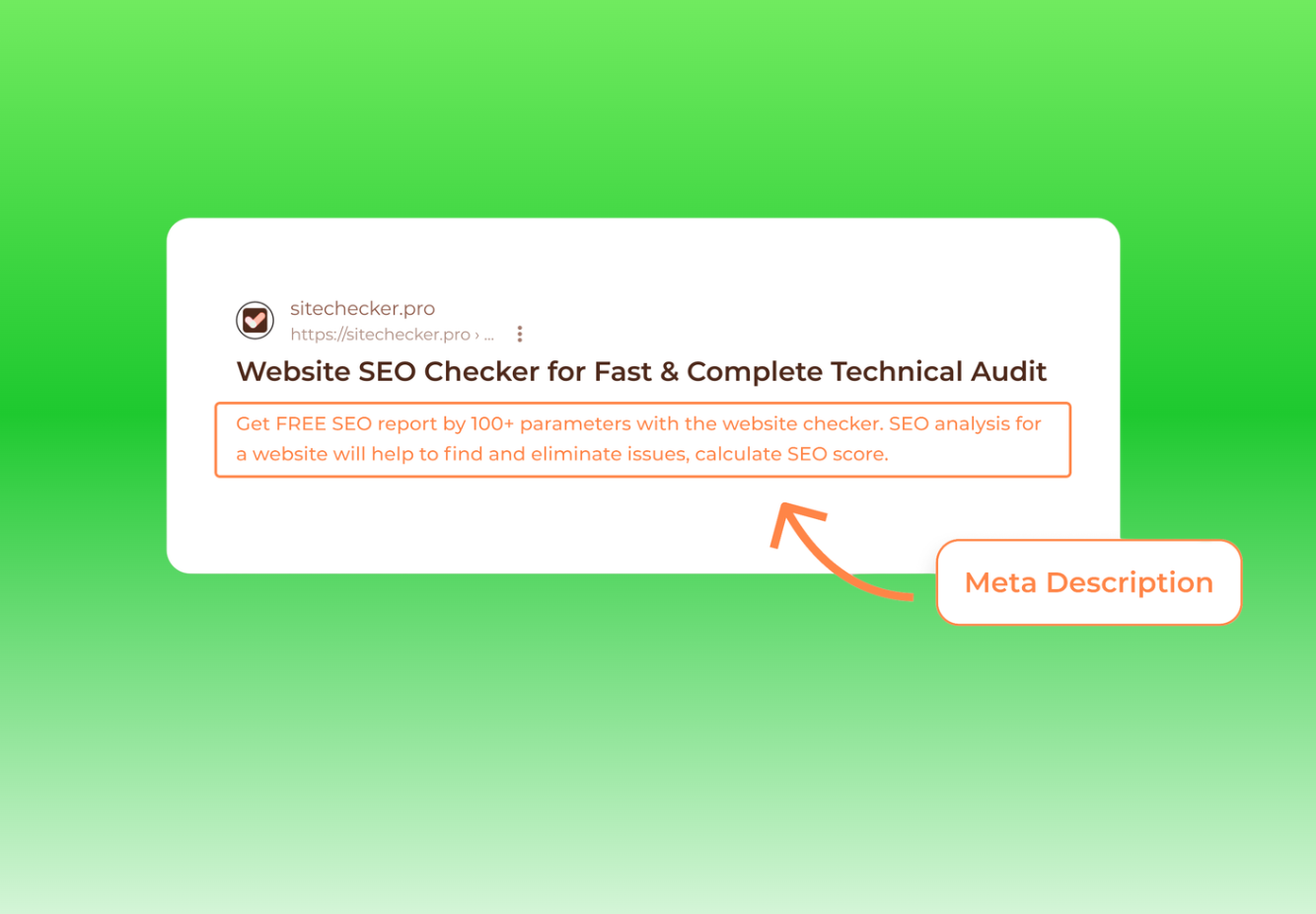
Why? Because meta descriptions are the ultimate driver of your Click-Through Rate (CTR).
Think of search engine results like a busy street full of competing stores:
- Your Ranking is the street address. It determines if you are on the busy main avenue (Page 1) or a deserted back alley (Page 10).
- Your Title Tag is the big neon sign above your door.
- Your Meta Description is the beautiful window display.
If your window display is messy, confusing, or completely empty, people are going to walk right past your store and go to your competitor.
A well-written meta description acts as an advertisement. It tells the reader exactly what they will find if they click your link, directly answering their problem or question.
If a searcher types in “how to fix a leaky pipe,” they are going to click on the result with a meta description that says: “Learn how to fix a leaky pipe in under 10 minutes with household tools. Step-by-step video included!”
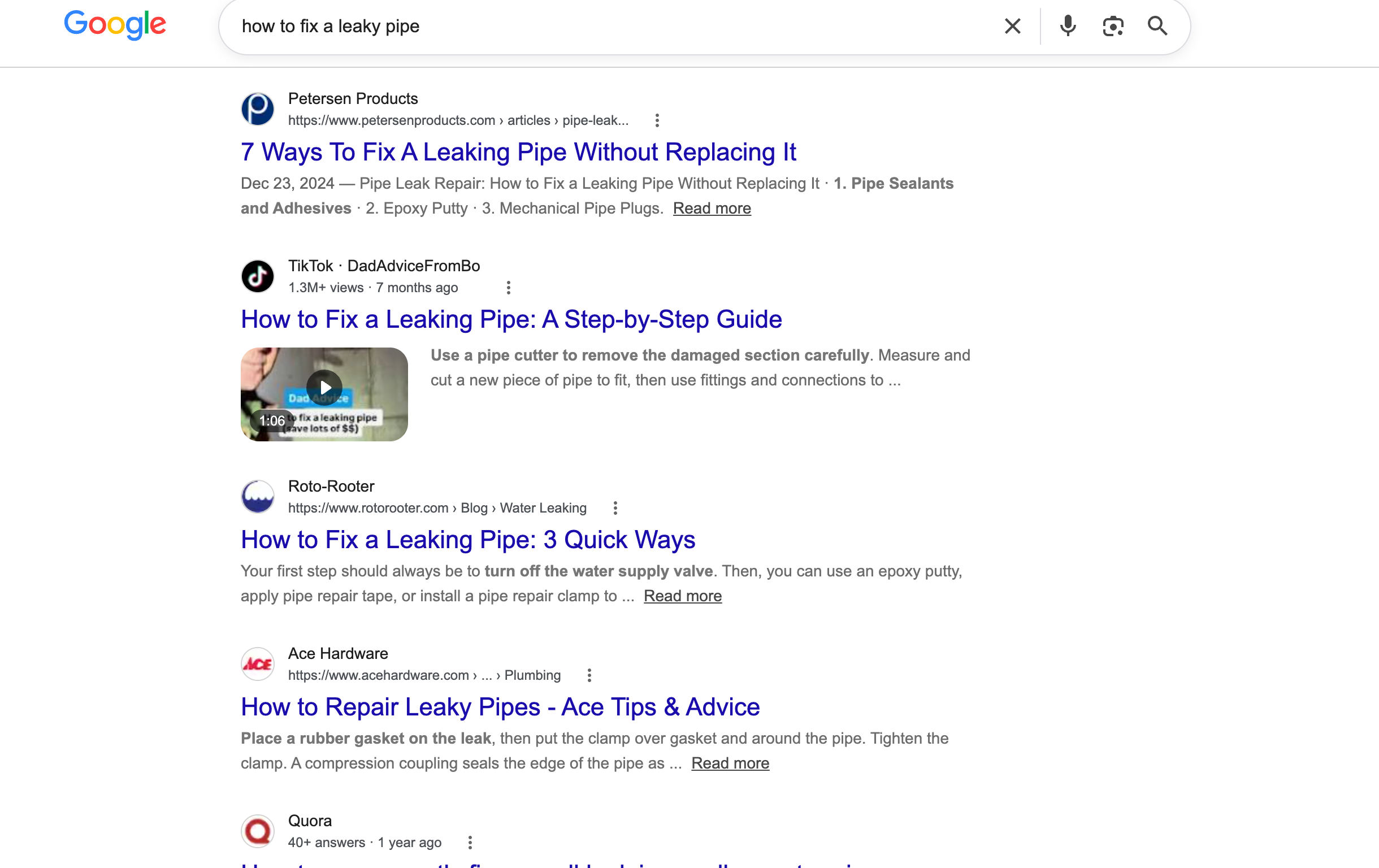
They will completely ignore the result that has a broken, robotic, or missing description.
Click Factors vs. Ranking Factors (And Why SirLinksALot Handles the Heavy Lifting)
To truly master SEO in 2026, you need to draw a thick, clear line in the sand between two concepts: Click Factors and Ranking Factors.
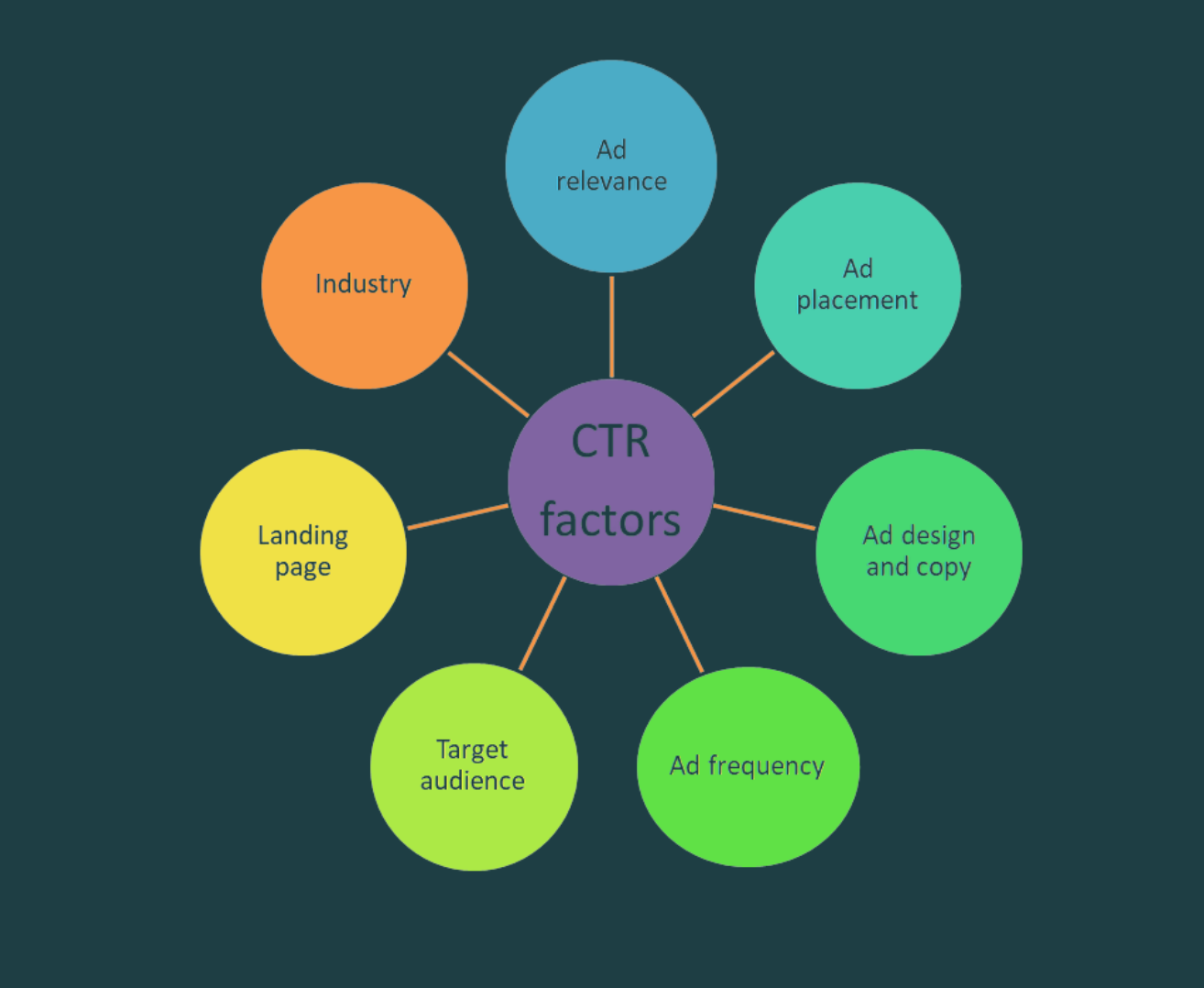
Click Factors are all about human psychology.
These are the elements that convince a living, breathing person to click on your website once it is already visible on the search engine results page.
Your meta descriptions, your title tags, and rich snippets (like star ratings or recipe cooking times) are all click factors. They make your link look appealing. But they cannot put your link on page one.
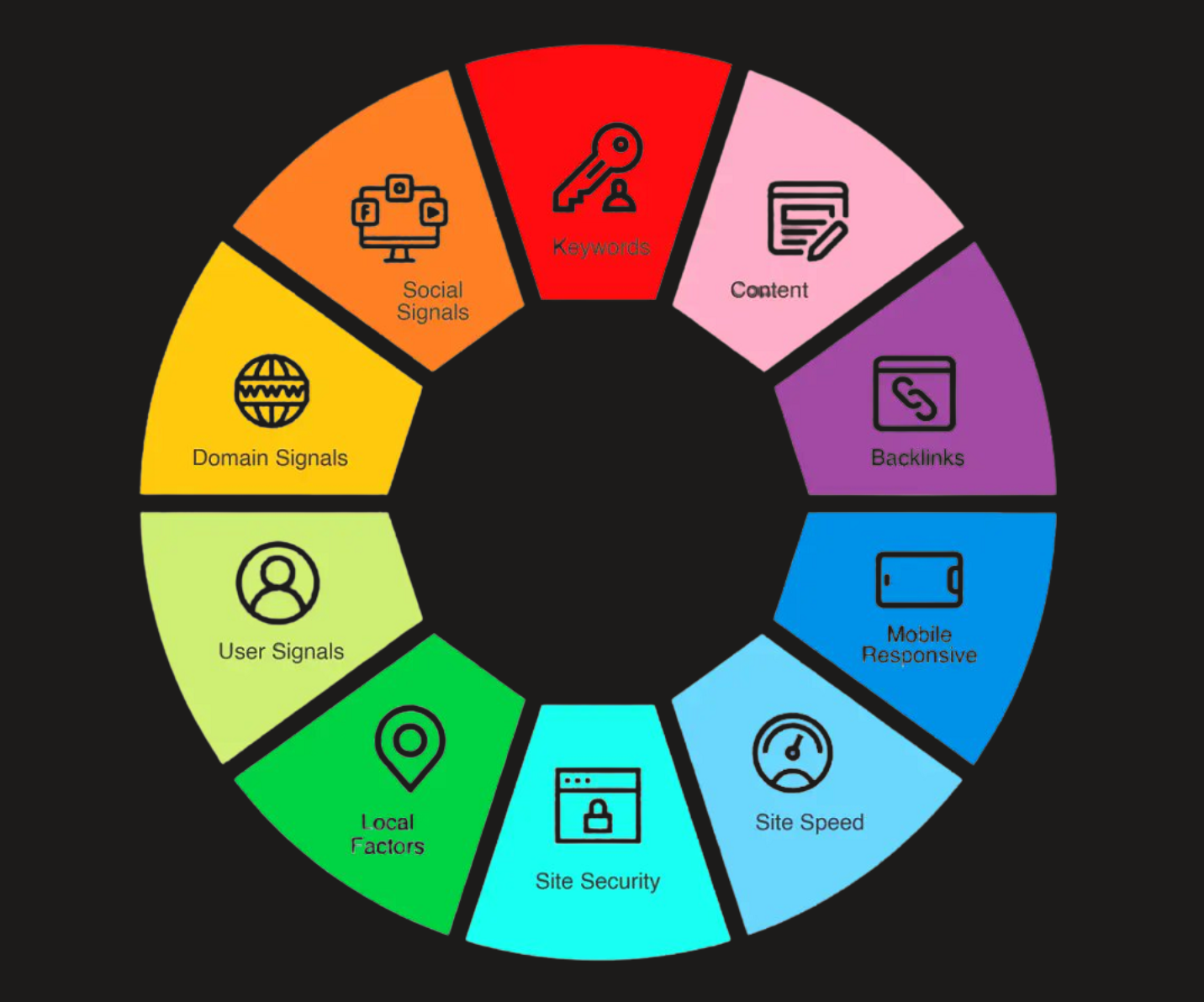
Ranking Factors, on the other hand, are about algorithmic trust.
These are the heavy-hitting metrics that Google uses to determine where your website deserves to live on the internet. To get to page one, you need:
- A technically sound, fast-loading website.
- Deep, well-written content that builds topical authority.
- A powerful backlink profile.
That last one is the holy grail of SEO. Backlinks (links from other websites pointing to yours) act like votes of confidence in the eyes of Google.
If you run a local bakery, and a massive national food blog links to your website, Google sees that link and thinks, “Wow, if this famous food site trusts this bakery, we should rank them higher.”
This is exactly why you need a partner like SirLinksALot.
While you spend your time crafting beautiful, snappy meta descriptions (your click factors), SirLinksALot is the ultimate solution for the ranking side of the equation.
They specialize in building the high-quality, authoritative backlinks that actually move the needle.
Let’s look at a real-world example. Imagine you run a software company selling project management tools.
- You write the perfect meta description for your homepage.
- But you have zero backlinks.
- Your perfectly written description is sitting on Page 7 of Google where nobody will ever read it.
Now, imagine you use SirLinksALot to build incredible, relevant backlinks to that same homepage.
- Your domain authority skyrockets.
- Google pushes your website to Page 1 because of those strong ranking factors.
- Searchers see your link, read your perfectly crafted meta description, and click.
Ranking factors get you to the party. Click factors ask the user to dance. You absolutely must have both to succeed.
The Anatomy of a Perfect Meta Description (Your 2026 Workflow)
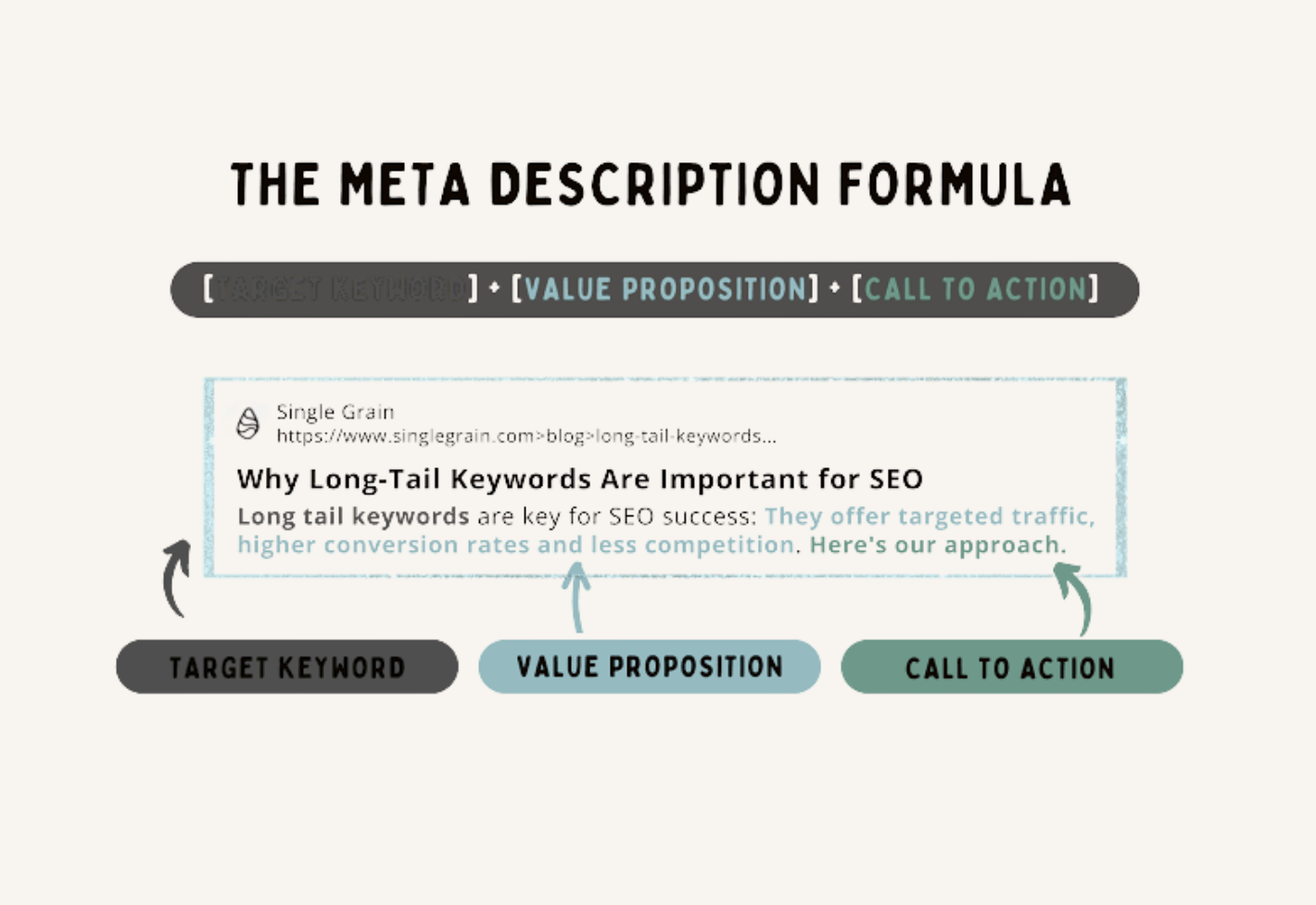
Now that you know your meta descriptions are meant for human eyes, how do you actually write a good one?
As search engines have evolved, the rules for formatting metadata have shifted slightly. With the massive dominance of mobile browsing today, you have to be very precise with your spacing.
Here is the technical breakdown for 2026:
- Desktop Length: Aim for roughly 150 to 160 characters. Anything longer will be chopped off (truncated) with an ellipsis (…).
- Mobile Length: Mobile screens have less real estate. Aim to put your most important information in the first 110 to 120 characters.
Let’s look at a step-by-step workflow for writing a description that gets clicks:
Step 1: Identify the User’s Intent
Why is the user searching for this topic? Are they looking to buy something, learn something, or find a specific website? Your description must immediately show them that you have the answer they want.
Step 2: Start with an Action Word
Don’t be passive. Use strong verbs at the beginning of your description. Words like Discover, Learn, Grab, Shop, Find, or Explore set an engaging tone right away.
Step 3: Include the Target Keyword Naturally
Even though it is not a ranking factor, you still want your keyword in the text. Why? Because Google often bolds the search terms in the meta description. If a user searches for “custom leather boots,” and you have that phrase in your description, it will be bolded, drawing the user’s eye directly to your link.
Step 4: Offer a Clear Benefit or Hook
Give them a reason to click yours over the competitor just above you. Do you offer free shipping? Is it a step-by-step guide? Do you have an exclusive interview? State the value clearly.
Real-World Example: Let’s say you are writing for a shoe retailer, targeting the keyword “best running shoes.”
- Bad Meta Description: We sell the best running shoes. Look at our shoes. We have blue shoes, red shoes, and green shoes. Buy our running shoes today they are very good. (Boring, repetitive, spammy).
- Great Meta Description: Shop the best running shoes of 2026. Discover top brands like Nike and Brooks, perfect for marathon training or casual jogs. Free shipping on all orders! (Action-oriented, clear benefits, naturally uses keywords).
The Great Debate: Should AI Write Your Meta Tags?
If you run a small local business website with 15 pages, writing meta descriptions by hand is easy.
But what if you run an e-commerce giant with 50,000 different products? Or a massive news publication publishing 100 articles a day?
Writing that much metadata by hand is impossible. This brings us to a massive topic in the modern SEO landscape: automating metadata with Artificial Intelligence.
Using AI generators (like ChatGPT or Claude) to write meta descriptions is becoming standard practice, but it comes with distinct pros and cons.
The Pros of Using AI for Meta Descriptions:
- Incredible Speed: An AI can generate 1,000 unique meta descriptions in a matter of minutes.
- Consistency: You can program the AI to follow strict character limits, ensuring none of your tags get cut off on mobile devices.
- Overcoming Writer’s Block: If you are staring at a blank screen trying to figure out how to describe a standard pair of white socks for the 100th time, AI provides instant inspiration.
The Cons of Using AI for Meta Descriptions:
- The “Robot” Tone: AI has a habit of sounding incredibly generic. It loves using overused words like “delve,” “unveil,” or “transform.” This can make your brand sound cold.
- Hallucinations: If you feed an AI a massive spreadsheet of products, it might accidentally invent features. It could write a beautiful description claiming a shirt is “100% waterproof” when it is just plain cotton.
- Google’s Rewriting Habit: Google actively rewrites meta descriptions based on the user’s search query if it feels your description isn’t good enough. If your AI writes lazy tags, Google will just ignore them and pull random text from your page instead.
The Best Workflow Strategy: Use a hybrid approach. For your massive catalog of secondary product pages or old blog posts, absolutely use AI to scale your efforts and save time.
But for your homepage, your main category pages, and your highest-converting landing pages? Keep it human. Write those yourself to ensure the highest possible conversion rate and the best brand voice.
Conclusion
So, to bring it all home: are meta descriptions a ranking factor Google algorithms care about?
No. They are click factors, designed strictly to win the hearts and minds of the human beings staring at the search results.
A perfectly optimized, 150-character meta description is the best way to improve your click-through rate, show off your brand’s personality, and directly answer a searcher’s question before they even hit your website.
But remember, a great window display is useless if your store is built on an empty, invisible street.
To actually get your website in front of eager searchers, you need real ranking power. You need technical health, great content, and most importantly, authority.
That is why partnering with SirLinksALot is the smartest move you can make for your 2026 SEO strategy. Let them handle the heavy lifting of building a world-class backlink profile and driving your site to page one.
Once they get you to the top of the search results, your beautifully written meta descriptions will be there, waiting to turn those fresh rankings into eager clicks.
FAQs
Does Google always use the meta description I write?
No, Google does not always use it. In fact, studies show that Google rewrites or replaces the meta description over 60% of the time. They will often pull a different snippet of text from your webpage if they believe it answers the specific user’s search query better than your written tag.
What happens if I just leave my meta description blank?
If you leave it blank, Google will automatically generate one for you by scraping the first relevant chunk of text it finds on your page. While this isn’t a penalty, it usually results in a messy, cut-off sentence that looks unprofessional and harms your click-through rate.
Do I need a unique meta description for every single page?
Yes. Duplicate meta descriptions can confuse search engines and provide a poor user experience. If two different pages have the exact same description, the user won’t know which one actually has the information they need.
Are meta keywords still a thing?
Absolutely not. Google officially stated in 2009 that they do not use the “meta keywords” tag for ranking purposes. Adding them to your site’s code today is a complete waste of time and only serves to show your competitors exactly which terms you are trying to target.