Key Takeaways
- Generic promises like “Page 1 rankings” and “more traffic” make your agency sound like every other agency in the search results.
- Naming industry red flags, like vague retainers and guaranteed rankings, builds more trust than any list of services ever will.
- High-ticket clients respond to business language: Customer Acquisition Cost (CAC), pipeline velocity, and commercial intent, not impressions.
- There’s no real “certified SEO copywriter” exam. What actually proves credibility is a visible track record.
- The agencies that win big contracts show their work instead of just describing it.
Anyone can put “certified SEO copywriter” in their bio. There’s no licensing board behind it, no exam that expires, no badge that means the same thing from one agency to the next. So when a prospect reads that phrase on your homepage, it doesn’t mean much on its own, unless the rest of the page backs it up.
That’s the real problem with most SEO agency copy: it all reads the same. “We get you to Page 1.” “We drive more traffic.” “Our team is certified.” Swap the logo out and the copy could belong to any of a hundred other agencies.
If you’re running an agency and writing your own marketing copy, here’s how to make it sound like someone who actually understands the business of SEO wrote it, not just the buzzwords.
Say the Quiet Part Out Loud About the Industry
Most people shopping for an SEO agency have already been burned once. They signed a vague, open-ended retainer, got a monthly report full of green arrows, and never saw an actual change in revenue. If your copy doesn’t acknowledge that experience, prospects will assume you’re about to repeat it.
Name what’s actually wrong with how the industry sells itself:
- Open-ended retainers. “SEO services” with no defined deliverables lets an agency bill for months without producing anything measurable.
- “Guaranteed rankings.” No agency controls Google’s algorithm, and Google’s own guidelines have said for years that no one can promise a #1 spot. A company that guarantees one anyway is either lying or planning tactics that get a site penalized later.
- Recycled reports. Rising keyword charts that never translate into a single qualified lead.
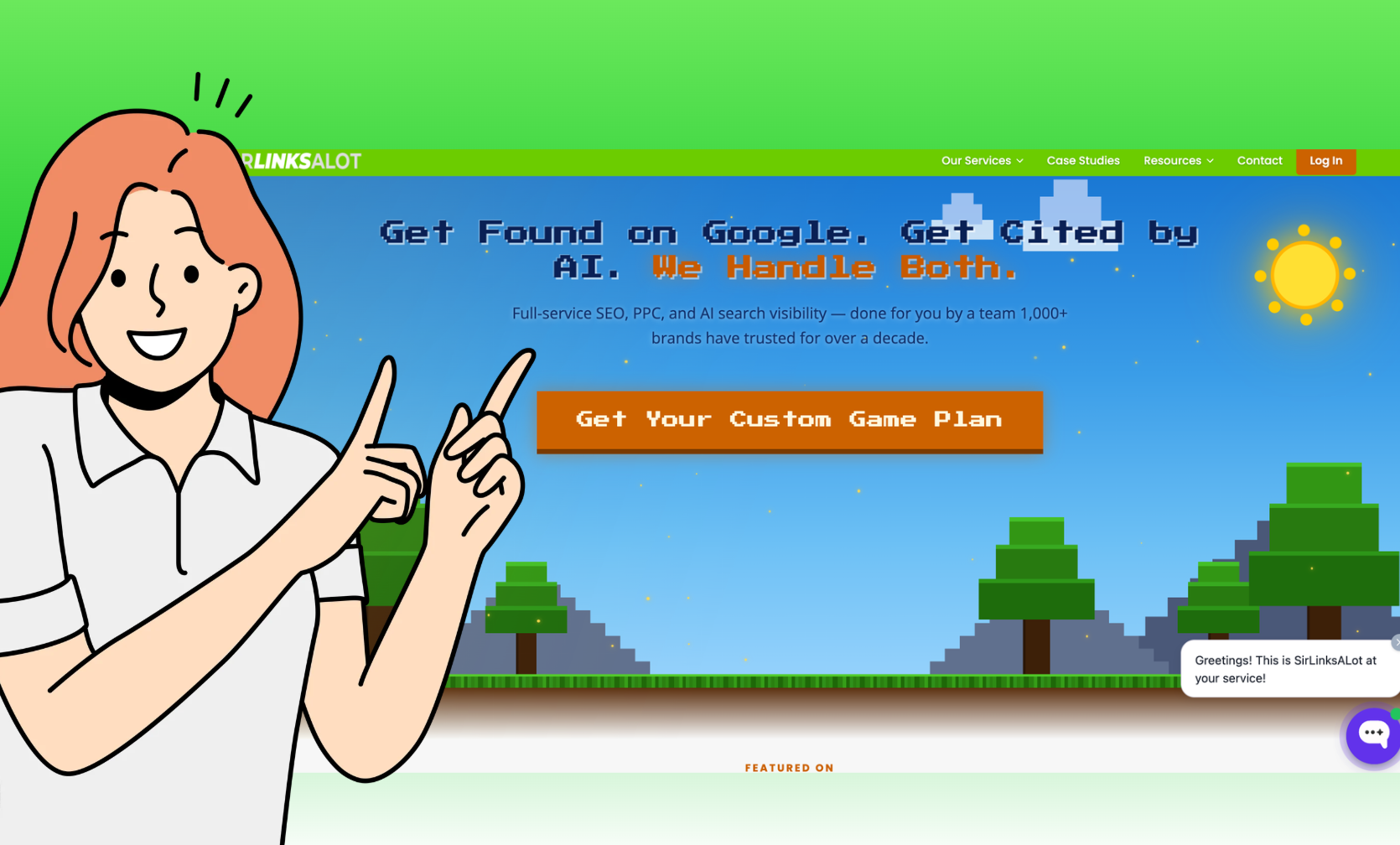
Calling this out isn’t venting. It disarms a prospect’s skepticism before your own pitch even starts. Being this specific about what other agencies get wrong makes it obvious you’re not one of them.
Sell the Math, Not the Rankings
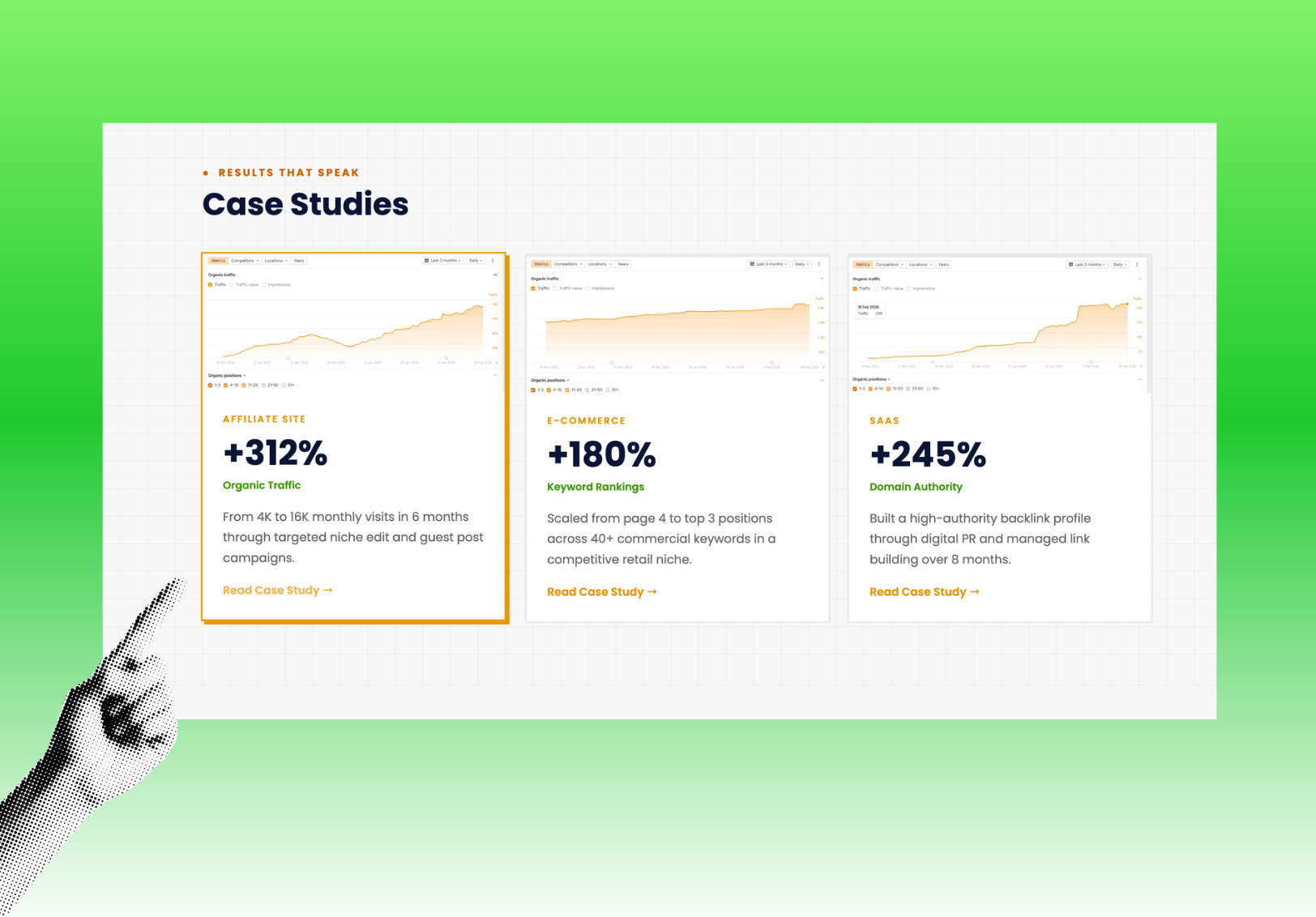
A marketing manager might get excited about impressions and keyword volume. The person signing the contract usually won’t. If your copy is aimed at closing high-ticket clients, it needs to speak in numbers their leadership already tracks.
Shift the vocabulary:
- Instead of “we increase organic traffic,” talk about what that traffic is worth: Customer Acquisition Cost (CAC) compared to their paid channels.
- Instead of “we target high-volume keywords,” talk about commercial intent. Ranking for the ten searches that end in a signed contract beats ranking for the ten thousand that end in a bounce.
- Instead of “we improve visibility,” talk about pipeline velocity: how much faster a qualified lead moves from search result to sales call.
A keyword like “SEO tips” pulls huge search volume, but almost nobody searching it is ready to buy anything. A keyword like “SEO agency for SaaS companies” pulls a fraction of that traffic and converts at a much higher rate. Copy that shows you understand this difference gets read by people with budget authority, not just bookmarked by people doing research.
Rank Yourself Before You Rank Anyone Else
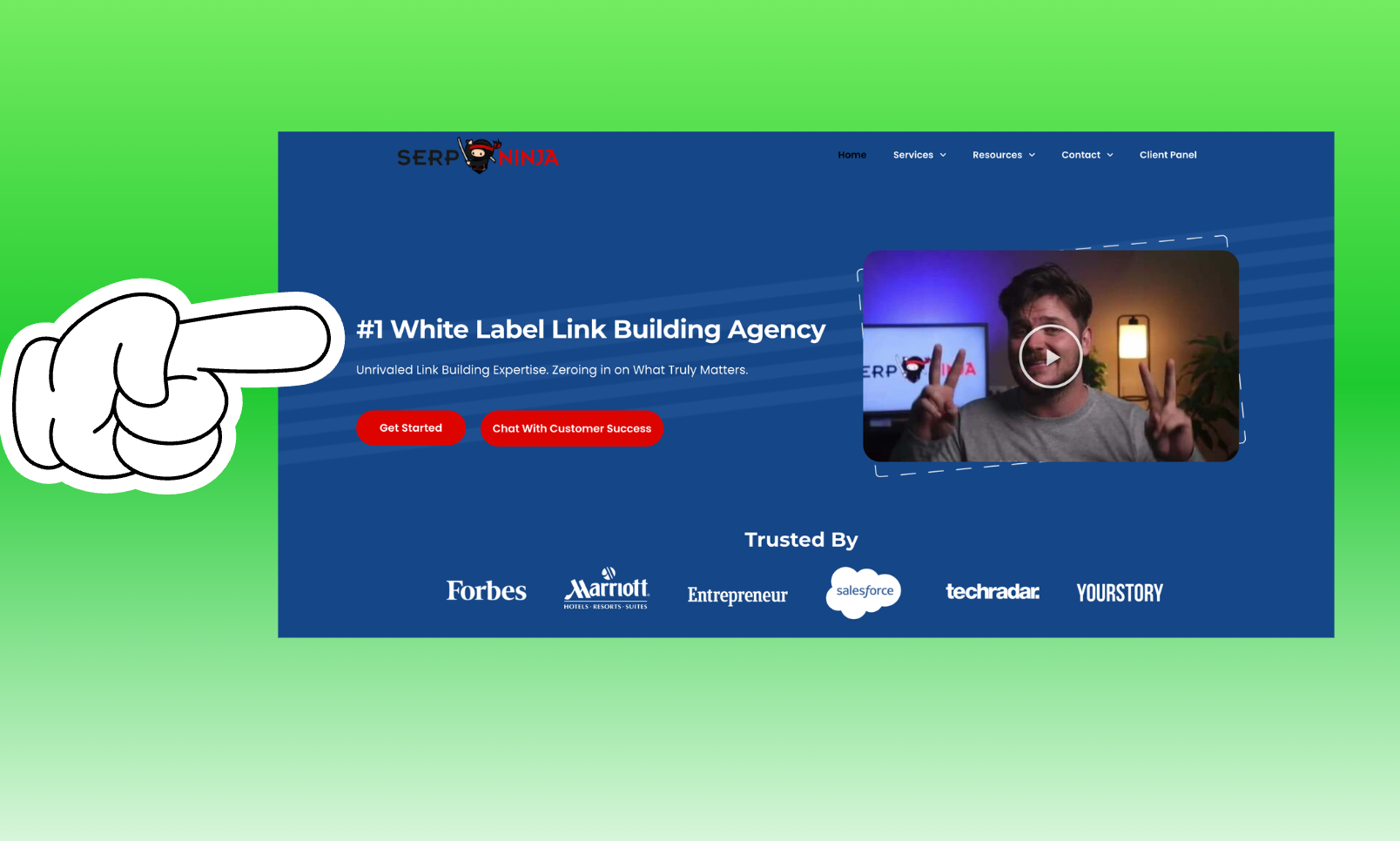
Saying “we’re SEO experts” costs nothing. Showing your own site ranking for a genuinely competitive term does the opposite. It costs real work, and prospects can tell the difference.
If your agency’s own site doesn’t rank well, that’s the first thing a skeptical buyer checks, and it undercuts everything else on the page. That’s why the smartest agencies treat their own website as their biggest case study. A section, or even a dedicated page, walking through exactly how they got their own site to rank for a hard, high-competition term does more convincing than any testimonial.
Getting there takes real link equity, not just better on-page writing. It’s why a lot of agencies quietly lean on established link-building partners like SirLinksALot.co for premium guest posts and listicle placements, the kind of authoritative backlinks that genuinely competitive terms require. This is worth writing about openly rather than hiding it: explain that ranking for hard terms takes sustained link building, and that you’ve proven it on your own site before ever promising it on someone else’s.
Show Clients Exactly Who’s Doing the Work
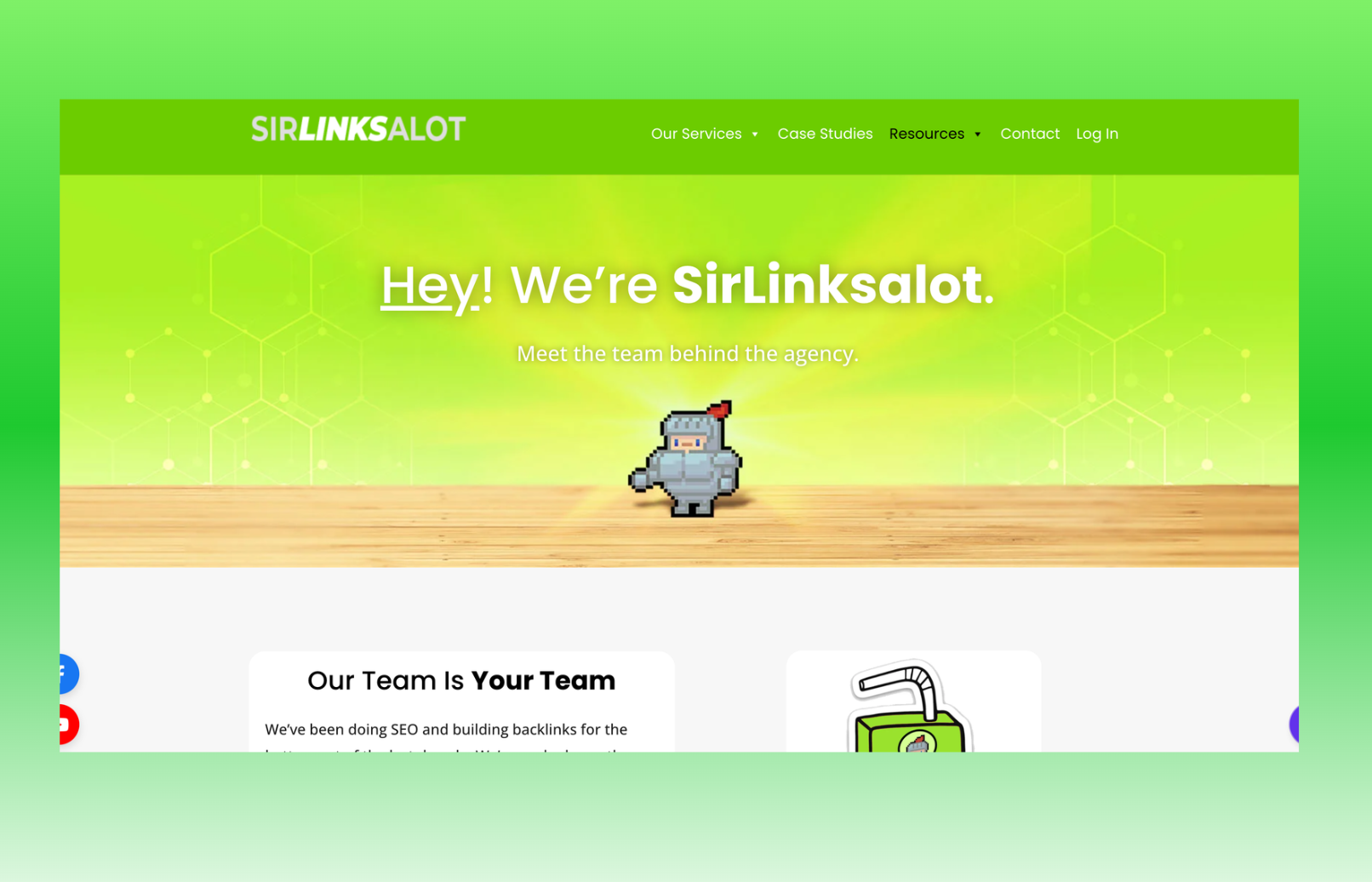
Plenty of clients have been sold by a charismatic founder on a discovery call, only to have their account handed to a junior strategist juggling twenty other accounts. Your copy should make it obvious that won’t happen to them.
Be specific about who does the work and how:
- Name the seniority level of the strategist assigned to accounts, not just “our team.”
- Describe the research that happens before any writing starts: competitor gaps, real search intent, what’s already ranking.
- Explain how content gets scored and revised before publishing, not after.
This is also the place to mention the tools behind the process, not just the people. Agencies that build campaigns using a platform like SirWritesALot.co, which generates data-backed content outlines and live content scores measured against what’s actually ranking for that keyword, can honestly tell clients their content isn’t a guess. It’s built against real competitive data before a single word gets written. That’s a far stronger claim than “our writers are talented.”
Conclusion
There’s no test you can take to become a certified SEO copywriter, and the prospects reading your agency’s website already know it. That’s exactly why so much agency copy gets ignored. What actually convinces a buyer is copy that names industry problems honestly, talks in the financial language their leadership already uses, and backs every claim with something verifiable.
That last part matters most. Whether it’s your own site ranking for a hard term with help from a link-building partner like SirLinksALot, or a documented process built on real competitive data, receipts beat adjectives every time. Write your agency’s copy like you’re trying to convince a skeptical CFO, not impress a junior marketer, and the “certified” part takes care of itself.
FAQs
Is there an actual certification for SEO copywriters?
Not one universal, recognized standard. Programs like HubSpot Academy or Semrush Academy offer SEO and content marketing certificates, but none function like a professional license. Real credibility comes from a visible track record, not a certificate.
What’s the biggest mistake in SEO agency copy?
Leading with vague promises, like “Page 1 rankings” or “more traffic,” without saying what that traffic is actually worth to the client’s business.
Should an agency ever guarantee rankings in its copy?
No. No agency controls Google’s algorithm, and a guaranteed ranking is one of the clearest signs of a low-quality or risky provider.
How do you prove your process without giving away trade secrets?
Describe the steps and standards: who handles the work, what data informs it, how content gets scored, without publishing the exact internal playbook. Specificity builds trust; you don’t have to reveal everything.