Key Takeaways
- Meaty, no-code SEO books to guide beginners, intermediately, and specialists — there’s an easy roadmap for wherever you are in your SEO journey.
- Real-world examples and case studies from these books bring SEO to life, guiding you to apply what you learn directly to your site and business.
- Tips from the best in the business inspire you to blend technical, content, and user experience tactics for a comprehensive SEO strategy that thrives in today’s fast-paced online landscape.
- Keeping abreast of what’s going on and plugging in to the community are important, as books cannot always keep up to date about changes and new tools.
- Customizing your SEO for local, e-commerce, or product-led approaches allows you to target the right audience and out-compete your niche.
- By emphasizing ongoing education and flexible skills, you’ll be prepared for whatever comes next in SEO — particularly in a market as dynamic as the United States.
SEO can feel like a maze, but the right book makes it way less intimidating. The best SEO books don’t drown you in jargon—they break things down with real examples, clear steps, and proven strategies that work. Whether it’s keyword research, on-page fixes, or link building, these books show you how to tackle SEO in a way that makes sense.
Most of the go-to reads are written by experts who live and breathe search, especially in the U.S., so you’re learning straight from people who know the game inside out. If you’re a digital marketer (or just someone who wants better rankings), picking up the right SEO book can save you time, spark new ideas, and give you a head start in climbing those Google results.
Foundational Reads
If SEO feels like a giant puzzle, these SEO basics are the pieces you need to see the bigger picture. Think of them as your roadmap—whether you’re just starting out, sharpening your skills, or leading a team, the right search engine optimization book can provide the clarity, confidence, and successful SEO strategies to grow.
1. For Beginners
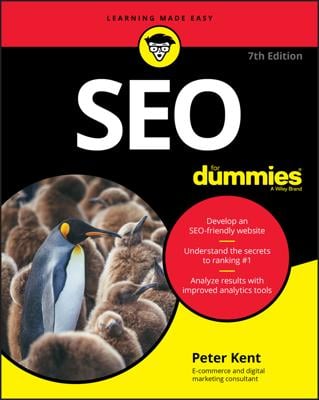
If you’re new to SEO, start simple. SEO For Dummies by Peter Kent and SEO for Beginners from SEMrush are great first steps. Both explain the basics in plain English—no jargon, no overwhelming theory, just actionable steps.
You’ll learn things like:
- Why link building matters
- The history of search engines
- How Google updates affect rankings
The best beginner books go beyond theory. They share real-world stories (like small businesses building traffic from scratch) and bust common myths—such as needing a massive budget or focusing only on keywords. You also get insights from people who figured SEO out the hard way, so you don’t have to.
2. For Intermediates
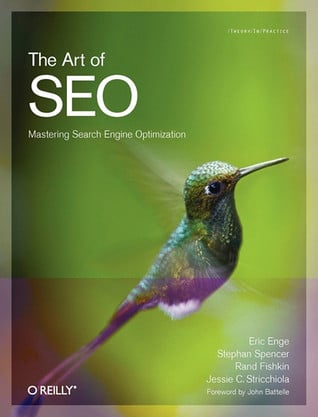
Once you’ve got the basics down, you’ll want to go deeper. The Art of SEO by Eric Enge, Stephan Spencer, and Jessie Stricchiola is a classic. It covers everything from technical SEO and site audits to connecting SEO directly with business goals.
Other great reads include:
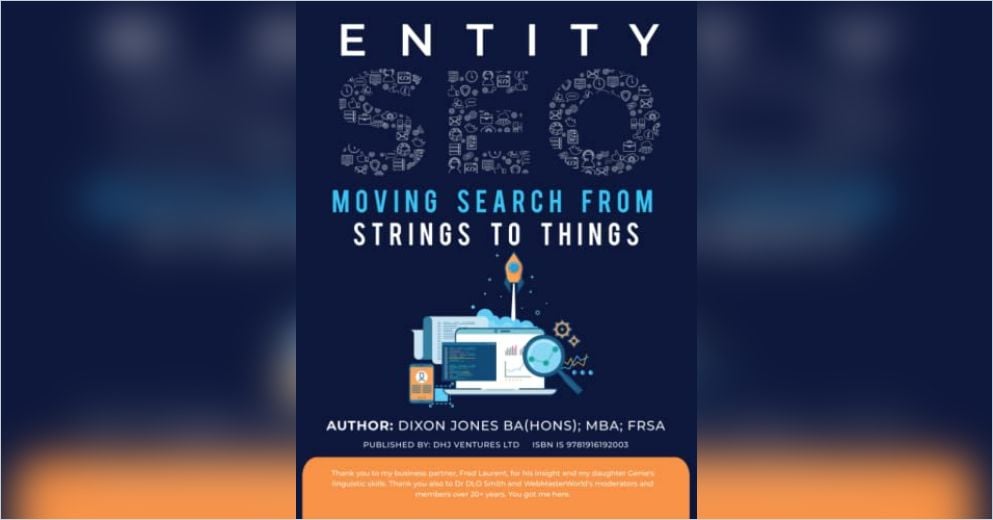
- Entity SEO by Dixon Jones — perfect if you want to understand how Google actually interprets content.
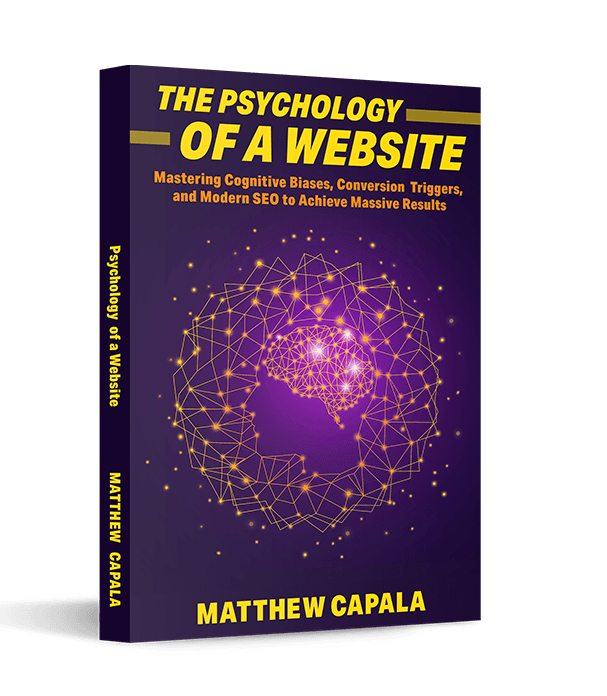
- The Psychology of a Website by Matthew Capala — a fascinating look at why people click and buy, not just how they find you.
These are the kinds of books that sharpen your edge and keep you current. Many are concise enough to finish in a weekend, giving you quick, practical wins without a huge time investment.
3. For Specialists
If you’re working at a higher level, you’ll want books that tackle advanced strategies. For example:
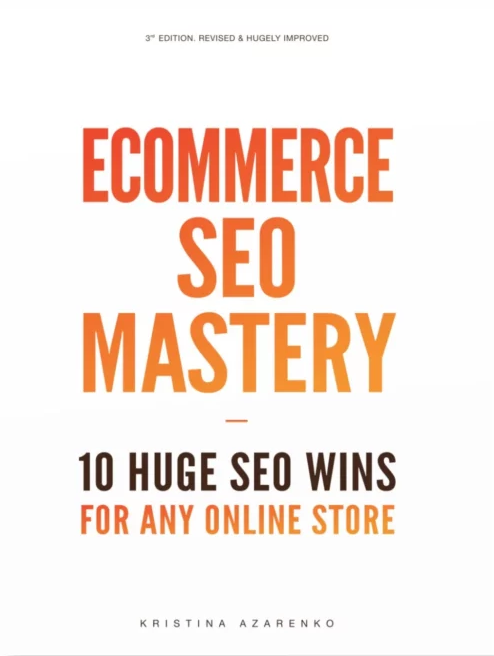
- E-commerce SEO Mastery by Kristina Azarenko — all about optimizing large online stores, from handling product catalogs to platform quirks.
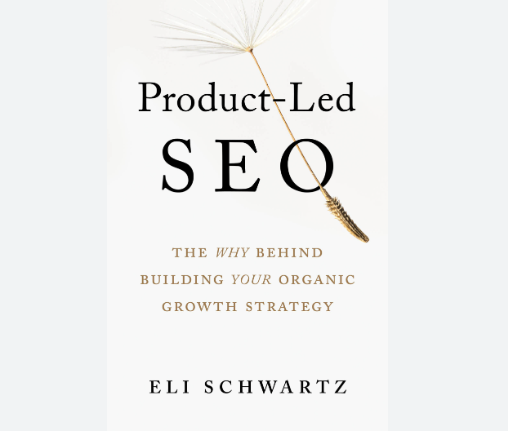
- Product-Led SEO by Eli Schwartz — a game-changer that shifts your mindset from tactical quick fixes to long-term strategy.
- Best Damn Website & Ecommerce Marketing and Optimization Guide by Stoney deGeyter — packed with advanced advice on analytics, site structure, and technical SEO.
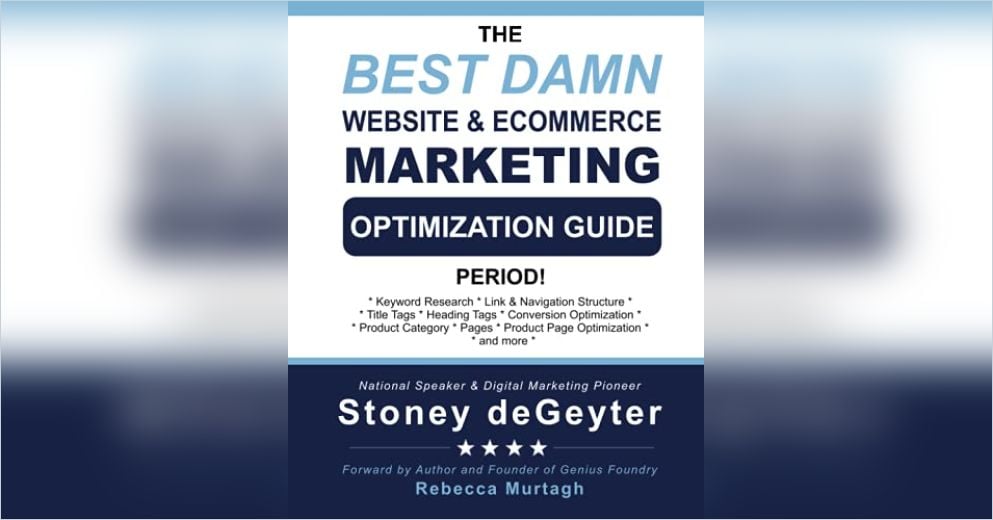
These books help specialists think bigger and execute smarter.
4. For Strategists
If you’re in charge of the bigger picture, mix technical reads with strategy-focused ones. Pair The Art of SEO (technical depth) with Product-Led SEO (strategic vision), and you’ll have the perfect balance of detail and direction.
Reading multiple perspectives is key—different authors approach SEO differently, and that diversity of thought helps you design a plan that fits your goals.
5. For Leaders
If you’re leading a team, your role is to inspire learning. Share these books with your team, encourage discussion, and create a culture of curiosity.
Start small—maybe your team reads one book per quarter together. The point isn’t just to “know SEO,” but to build habits of experimentation, continuous learning, and collaboration.
And most importantly, never discourage reading. The best SEO leaders are the ones who are also lifelong students.
Core Book Concepts
SEO books serve as a comprehensive guide to understanding how search engines operate and how to enhance your site’s ranking. They emphasize the connection between strategy and business objectives, user experience, and the importance of staying informed on search technology trends. Many of these resources delve into technical SEO, making them versatile tools for anyone eager to build a solid SEO strategy.
Technical Theory
Top SEO books dissect search engine algorithms, crawling, and indexing, providing valuable insights into search engine optimization. These articles demonstrate how Google utilizes code, page speed, and schema markup to determine rankings. Books like The Art of SEO or Technical SEO Guide explain why optimizing elements like robots.txt, sitemaps, and mobile friendliness is crucial for an effective SEO strategy.
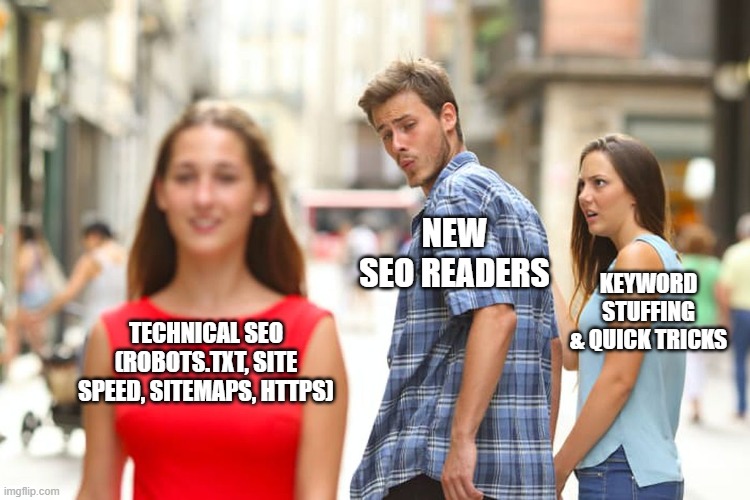
Readers come away with actionable checklists ranging from cleaning up duplicate content to securing your site with HTTPS. Mastering these SEO basics provides a direct route to more powerful site performance. The top SEO professionals employ real-world case studies, showcasing how a basic site speed tune-up elevated a Texas-based retailer’s rankings within weeks, grounding the principles in tangible outcomes.
These narratives transform engineering principles into a comprehensive guide, illustrating the path to SEO success and effective page optimization strategies.
Content Strategy
SEO books emphasize the merit of original, quality content targeted to search intent. They describe how to investigate topics, naturally incorporate keywords, and address user queries. For instance, Content Chemistry explains how to create blog calendars and measure engagement with tools such as Google Analytics.
Writers like to emphasize the connection between content quality and Google’s E-A-T concept—expertise, authoritativeness, trustworthiness. Hints are to use data, spin in local Austin stories, or expert interviews. The outcome is a content plan that generates both traffic and conversions, not just shallow clicks.
Link Acquisition
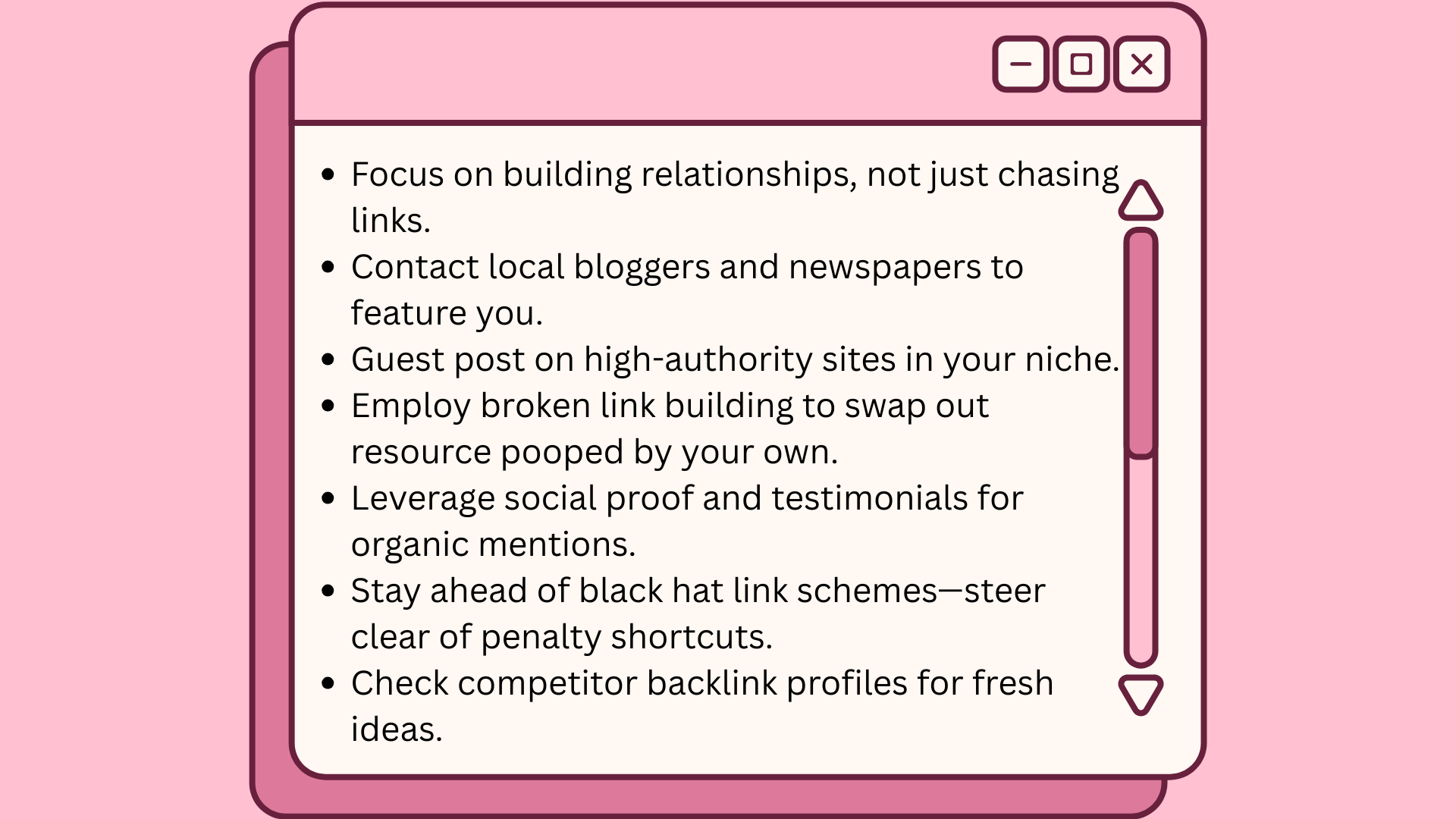
It provides a robust link building plan, informed by these SEO fundamentals, that assists sites in gaining credibility and rising through the search engine rankings.
User Experience
SEO site design books dig into slick navigation, fast load times, and easy-to-read layout. Short menus, calls-to-action and mobile-first design all still count. They address how users’ habits and biases drive clicks and conversions.
A frictionless user experience holds people on your website longer, which helps rankings. Even color options in charts or de-cluttering can really add up. As my favorite books demonstrate, a solid UX leads back to all other SEO strategies.
Applying Book Knowledge
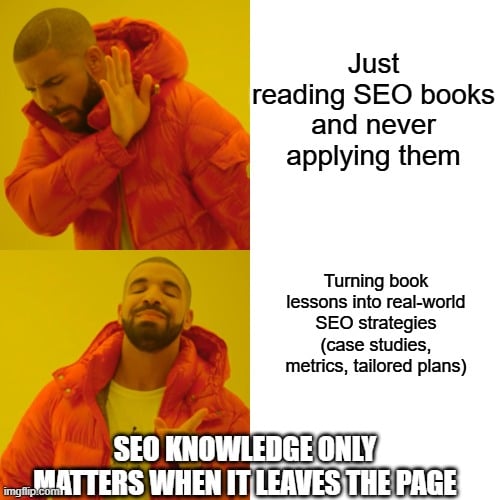
SEO books provide a stack of frameworks, but the real impact comes when you make those pages into practice. Bridging the gap means anchoring those books in case studies and tracking metrics and building a plan that fits your own business — not just what’s in print. Every business has its own unique set of challenges, and Austin’s online world is no exception—local food blogs, tech startups, and music venues each require their take on the basics of SEO.
Taking book lessons and implementing them in the wild is how you discover what works.
Case Studies
One of the best parts of SEO books is the case studies. They show how real businesses made small changes—like improving internal links or cleaning up content—and what results followed. These stories make SEO lessons practical and relatable, not just theory.
The best case studies go beyond bragging rights. They break down step-by-step what worked, what failed, and why. That way, you can learn from both the wins and the mistakes—like avoiding keyword stuffing that tanks engagement, or focusing too much on technical fixes while ignoring user needs.
At SirLinksAlot, we love digging into these examples because they separate fluff from real strategy. Think of them as blueprints you can adapt to your own business, helping you avoid common pitfalls and discover what drives results.
Measurement
Books emphasize the importance of tracking your work. It’s not sufficient just to make changes–you’ve got to measure. That’s what KPIs such as organic traffic, time on site, and bounce rate are for. Installing Google Analytics (or your other favorite) converts book knowledge to hard data.
Sure, a $150 SEO textbook might enumerate a laundry list of KPIs, but you can easily cobble together your tracking system for nada. Conduct random audits. Follow how a content or link shift alters rankings over a month or two.
Don’t guess at results—let the data tell you if users are hanging or if your tweaks are effective.
Customization
Each Austin business is unique, so customize your SEO plan. Research technical, on-page, and reputation management information. Then choose what suits you. If you own a music venue, local search and event schema trump a huge blogroll.
For agencies, a flexible plan that shifts with Google’s updates is key. Books put you into perspective, but you have to make allowances for your own reality. Trends shift. Algorithms change. What worked in a case study last year might flop now.
Keep educating, keep evolving.
The Book’s Blind Spot
Even the best-reviewed SEO books can have gaps. Why? Because the industry moves faster than print. By the time a book hits the shelf, Google’s already rolled out a few more updates.
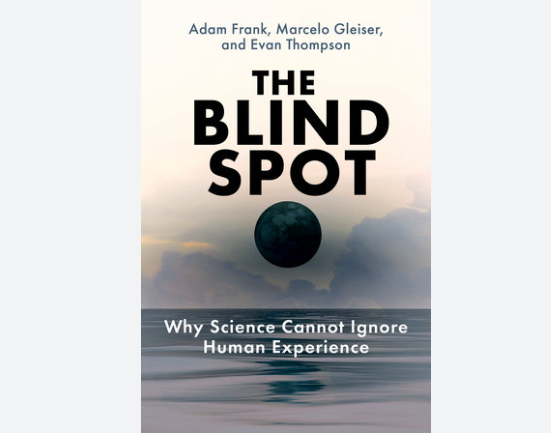
Books like The Blind Spot by Frank, Gleiser, and Thompson (MIT Press) remind us how easy it is to overlook what’s changing right in front of us. And in SEO, that’s especially true. It’s not just about shifting your mindset—it’s about taking action, testing strategies, and using tools that evolve in real time.
SEO books are fantastic for learning the fundamentals and giving structure, but the real world of search doesn’t pause for a publication date. To stay competitive, you’ve got to pair book knowledge with up-to-the-minute updates, data, and hands-on practice.
Real-Time Shifts
Books crystallize knowledge, but for an SEO entrepreneur, staying updated is crucial. Search engine algorithms are subject to overnight changes, and Google’s big algorithm updates or quick shifts in local ranking factors can render a search engine optimization book’s advice stale in a flash. Not even the most “breathtaking” guides – such as those with glowing reviews – can prepare you for a cliffhanger update in March or a brand new SERP feature in May.
Industry news sites and tools like Search Engine Roundtable or the Moz blog fill that gap, providing valuable insights that books can’t. If you’re doing SEO in a city like Austin, you’re likely attempting to monitor Google’s local pack changes or figure out how mobile search is evolving. This hands-on SEO knowledge is essential for implementing a solid SEO strategy.
Tool Proficiency
Among SEO books, some popular tools get mentioned, but learning to use them is a different story. The right tools—such as Ahrefs, SEMrush, or even Google Search Console—are vital to managing campaigns that succeed. Without tool know-how, all the tips in a trade paperback are just theory.
Many books will provide you with lists of what to experiment with, but they seldom guide you through the day-to-day. For instance, books may say “track your rankings,” but don’t demonstrate how to actually set up custom reports.
Niche Perspectives
SEO books aren’t one-size-fits-all. This is why the strongest guides take a niche angle, diving into industry specifics and audience needs. For field pros, particularly those working at agencies or on client campaigns, these books can plug knowledge holes.
Whether you’re optimizing a local campaign in Austin or scaling a nationwide e-commerce site, you need tools that understand your business’s real-world context. Authors publishing in these spaces often use Amazon or Apple Books, so it’s easy to discover very specific titles. However, it’s hard to find current, trusted resources because SEO evolves quickly.
Local SEO
- Verify your Google Business Profile and complete it with fresh information.
- Be sure your name, address and phone number are consistent all over the web.
- Include local search keywords in your site’s titles and first lines–“Austin BBQ” instead of just “BBQ.”
- TIP: Request reviews from satisfied customers, and personally respond to every one, positive or negative.
- Begin linking from local sites, such as business listings or local press.
- Be sure to post regularly about local events or news to demonstrate you’re part of the community.
Local SEO books explain why these steps are important. They illustrate how local keywords increase your rank in search, and why actual community connections—such as replying to reviews or supporting local events—attract foot traffic.
For small businesses, this is the difference between a bustling shop and a deserted one.
E-commerce SEO
When it comes to e-commerce SEO, it’s not just about keywords. The best guides show you how to write product titles and descriptions the way people actually search. They also walk you through product schema, so things like pricing and availability show up right in Google results.
You’ll also find checklists for site speed, mobile-friendliness, and tips on using analytics to see which product pages really drive sales. The big takeaway? It’s not just SEO in a vacuum—it’s SEO working hand-in-hand with email, social, and bigger marketing strategies, often backed by real store examples.
Product-Led SEO
Product-led SEO flips the script. Instead of stuffing keywords, it’s about putting your product at the center. The best books here push you to ask customers what they want, then use that feedback to shape both your product and your content.
Show your product in action—through tutorials, reviews, or case studies—and watch organic traffic grow. These perspectives highlight making SEO part of your daily workflow, powered by customer data, so you’re building long-term, sustainable growth.
Future-Proofing Skills
Future-proofing your SEO skills is more than knowing today’s best practices. It’s about cultivating the appropriate combination of technical, creative, and interpersonal skills to withstand industry changes. The table below shows some key skills every SEO pro should focus on:
|
Skill |
Why It Matters |
Example in Practice |
|---|---|---|
|
Critical Thinking |
Out-think the competition, spot gaps, solve puzzles |
Figuring out why traffic dropped |
|
Creativity |
Stand out in a crowded field |
Crafting unique content ideas |
|
Data Analysis |
Make choices based on numbers, not hunches |
Reading Google Analytics reports |
|
Communication |
Explain SEO to clients, work with teams |
Writing clear SEO briefs |
|
Adaptability |
Keep pace with new tech, trends, and platforms |
Testing new AI tools |
|
Technical Know-How |
Fix site issues, boost speed, use schema |
Improving Core Web Vitals |
|
Delegation |
Get more done, focus on high-value work |
Hiring out link outreach |
|
Leadership |
Grow teams, set direction, share vision |
Leading campaign launches |
|
Growth Mindset |
Keep learning, embrace change |
Enrolling in new SEO courses |
Staying current is the skeleton of future-proofing. SEMRush reports that SEO trends evolve rapidly, particularly in dynamic environments such as Austin. One year, Google’s pushing Core Web Vitals, next year it’s AI-generated search results.
So the people who remain prepared are the ones who read, experiment, and experiment (whether it’s a recent algorithm update or na ew keyword research tool).
Adopting new tech and techniques is critical. AI tools can accelerate keyword research or content creation, but you still need keen discernment to identify what’s effective and what feels stale.
For instance, a few agencies are already having AI tools write first drafts. A good editor is still going to shine and add that human touch. Learning to leverage these tools while maintaining your own creative edge can help distinguish your work from mechanized content.
It’s shrewd to understand some data science, as SEO becomes more numbers-based each passing year.
Cross-pollinating your skills rewards. If you’re strong on content but weak on technical SEO, now’s the time to pick up a lesson on site speed or structured data.
If you manage a team, consider which assignments only you can do and delegate the rest. This opens your time for strategy or client work. Delegating not just tasks, but responsibility, increases ownership on your team and enhances the entire team.
A growth mindset pulls it all together. The best in the world never stop learning. They register for webinars, chew on new SEO books, and dive into side projects.
They communicate with others, exchange notes, and disseminate successes. This learning futureproofs you.
Conclusion
SEO books are your entry ticket—they hand you the fundamentals, the hacks, and the stories from people who’ve fought (and won) in the trenches. Some focus on the basics, others dive into local SEO, and a few push boundaries with bold, unconventional tactics.
But here’s the catch: books can’t keep up with Google’s constant shake-ups. That’s why the smartest SEOs read, test, and adapt in real time. Pair your bookshelf wisdom with hands-on practice, and you’ll always stay one step ahead.
At SirLinksalot, we live by that mix, learning from proven strategies while experimenting with what works right now. So grab a good book, share your favorite takeaways, and turn them into real-world wins. After all, SEO isn’t just about reading the playbook—it’s about writing your own.
Frequently Asked Questions
What are the best SEO books for beginners?
Adam Clarke’s “SEO 2024” and “The Art of SEO” are our favorite SEO books for beginners, offering a comprehensive guide with actionable advice and current strategies for mastering search engine optimization in the US market.
How do SEO books help improve website rankings?
SEO books provide valuable insights into tried and true methods for keyword research, on-page SEO, and link building, making them essential for any SEO entrepreneur aiming for higher Google rankings.
Are print or eBook versions of SEO books better?
Both formats work great for mastering search engine optimization. The ebook allows for easy updating and access, while print offers excellent offline reading. Select according to your reading preference.
Can I apply lessons from SEO books directly to my Austin business?
Yes. A lot of SEO books, particularly those focusing on search engine optimization strategies, have local SEO tips that apply nicely to Austin businesses, including GBP optimization and local keywords.
What key topics should an SEO book cover?
Search for an excellent SEO book that covers keyword research, technical SEO, and on- and off-page tactics, along with analytics and content. These fundamentals provide a comprehensive SEO toolkit.
Do SEO books address the latest Google algorithm changes?
The top SEO books, especially the ultimate guide on search engine optimization, are current with Google’s most recent changes. Just make sure to check the date for fresh advice.
How do I spot outdated SEO advice in books?
Look for references to keyword stuffing, buying links, or meta keywords. These outdated tactics are no longer viable or risk-free for modern SEO strategies and search engine optimization efforts.