Key Takeaways
- Correct and uniform business listings everywhere—especially all of the big, important local directories—are critical for increasing your local SEO rank. This quality practice will contribute to developing trust with both search engines and your potential customers.
- Regularly auditing and updating your business name, address, and phone number (NAP) helps prevent confusion, protects your reputation, and ensures potential customers can find you easily.
- Focus on those popular platforms where you see the most traffic, starting with GBP and Yelp. Target industry-related directories to have the most industry-relevant impact with your citation cleanup!
- Cleaning up duplicate listings helps ensure you have a strong online presence. Adding lots of rich content, such as beautiful photos and descriptive content, really makes your business profile stand out!
- Track your results by monitoring local search rankings, website referral traffic, and customer engagement to measure the success of your citation cleanup efforts and keep your listings in top shape.
A citation cleanup guide helps businesses correct outdated or inaccurate information, like their name, address, and phone number, across the web. Inconsistent listings can harm your local SEO, confuse search engines, and turn away potential customers. By cleaning up these citations, your business information becomes accurate and consistent across all major directories. For businesses in the U.S. managing local SEO on their own, a well-executed citation cleanup strategy builds credibility, improves visibility, and drives real results. In this article, we’ll walk you through a step-by-step guide to cleaning up your online listings, improving your local search performance, and earning trust in your local market.
What Are Local Business Citations?
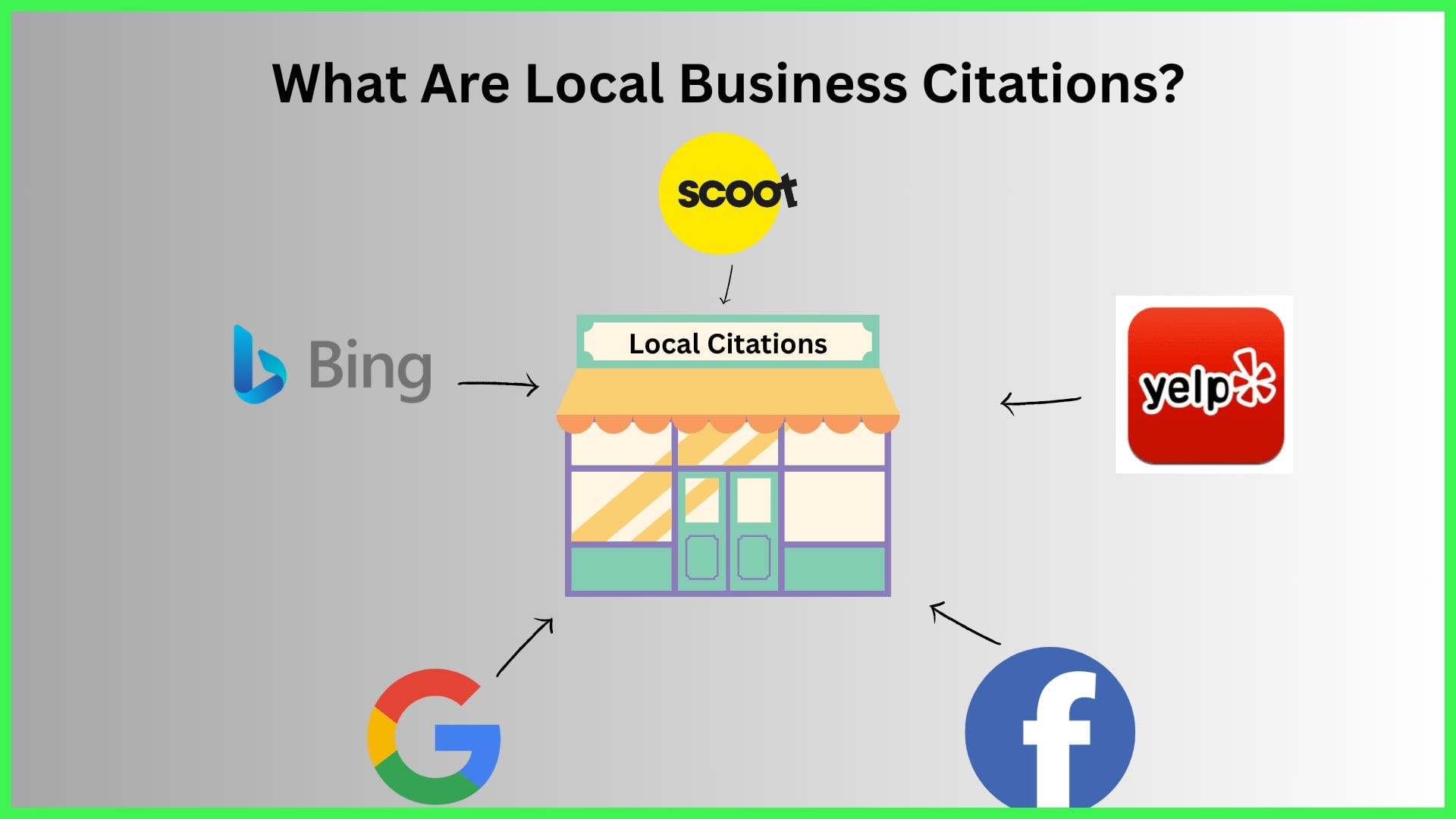 Local business citations form the building blocks of a local business’s online footprint. These citations come up on business directories, review websites, and other aggregator sites. They show your business’s name, address, and phone number — known as NAP — for short. They can list your website address, business hours, and links to your social media profiles. In Austin, Texas, local business citations increase the presence of businesses. They are what allow businesses to show up in Google Maps, Yelp, and yes, even your local news blogs! For SEO buyers and agencies alike, knowing how these citations function is central to powering local search rankings and credibility.
Defining Your Digital Footprint
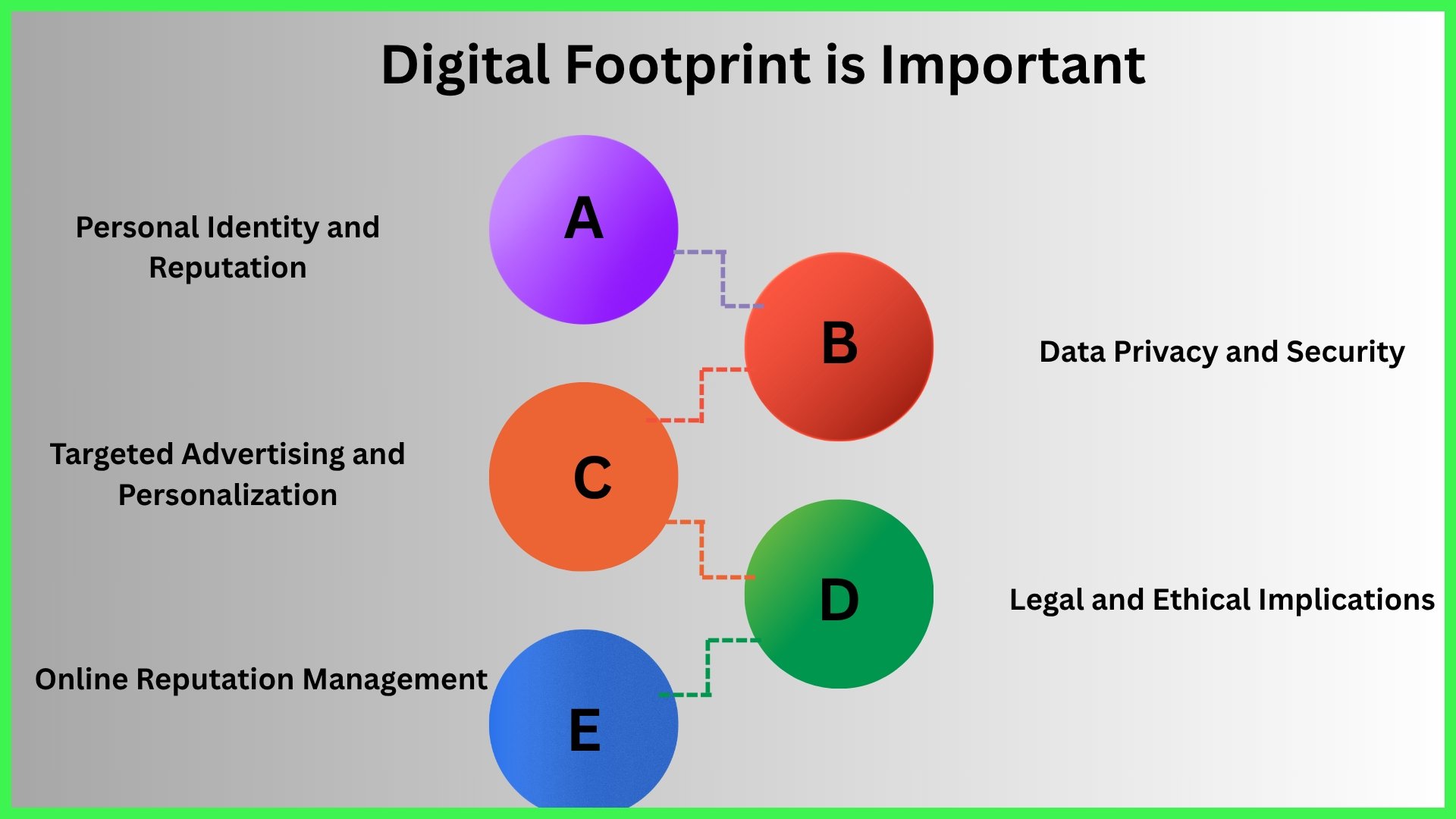 Your digital footprint is the total of all the places, including every mention, listing, or profile, your business appears online. Every citation is another layer to this footprint. When your citations are consistent and identical all over the internet, your trustworthiness increases exponentially. Consumers perceive you to be more legitimate and trustworthy. The idea is the same—for instance, having the same NAP on Google My Business, Facebook, and Yellow Pages gives your brand a professional appearance. Having consistent and accurate listings under control protects your business’s reputation and ensures people can find your business easily.
Key Types of Business Listings
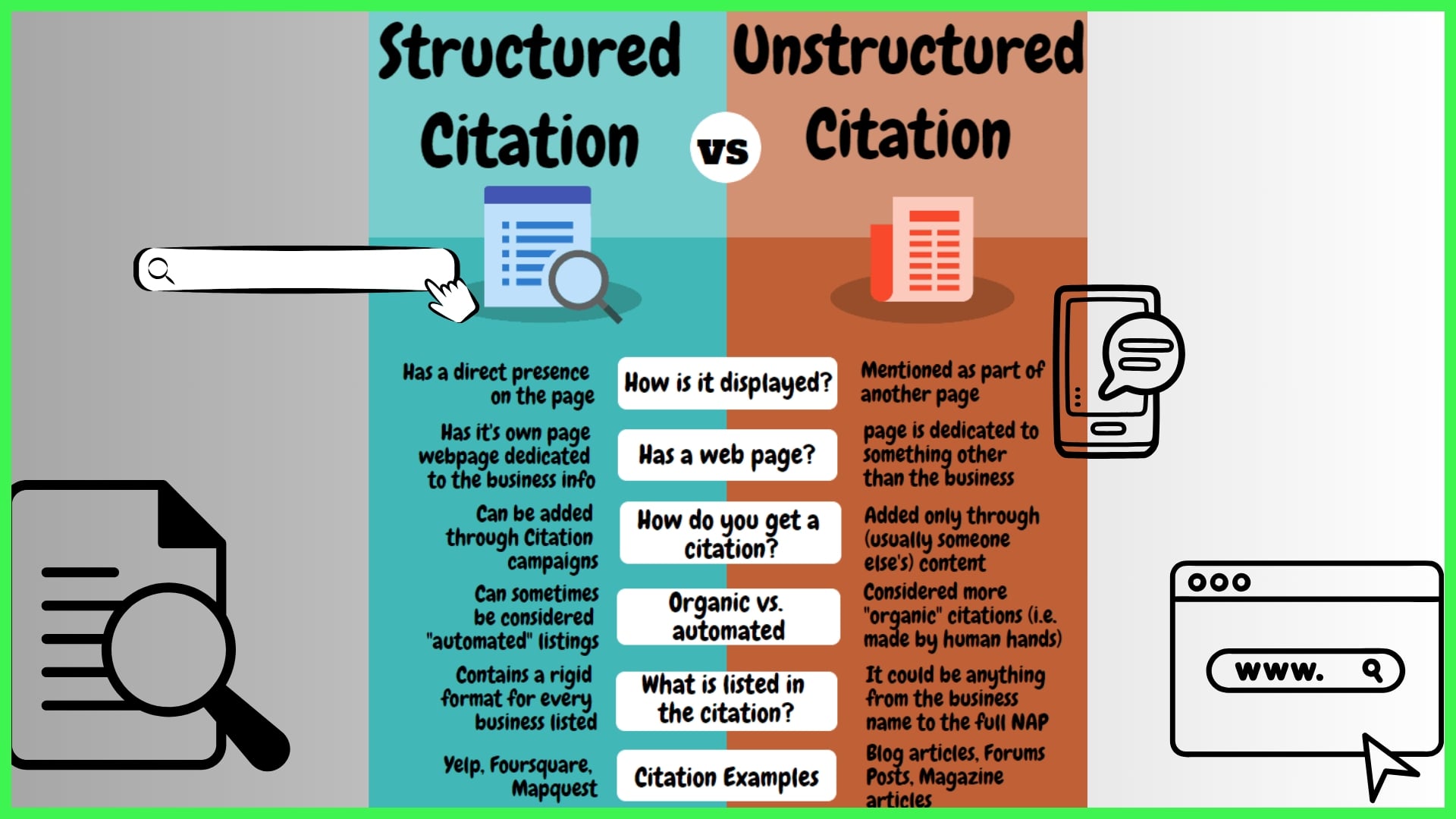
 Business listings come in two main types: structured and unstructured. These structured citations show up on local business directories such as Google My Business, Yelp, Bing Places for Business, etc. These directories have a strict standard for displaying NAP information. Examples of unstructured citations can be found in places like blogs and news sites. Both are important. Structured citations strengthen local SEO through unambiguous signals, and unstructured citations provide authority and marketplace chatter.
Why Accuracy Is Non-Negotiable
When your citations are 100% accurate, search engines will better trust your business to return in search results. Even the smallest discrepancy, like a former phone number, can confuse both Google and your potential customers. This, in turn, results in missing out on potential customers and confused organic search rankings. In short, keeping it all accurate and up to date saves you money. It’s simple, accurate, complete, and consistent local business listings lead to improved local rankings, fewer missed calls, and an overall better experience for customers.
The Real Cost of Messy Citations
 Messy citations seem harmless on the surface, but for little guys like locally owned businesses, they pose big dangers. In Austin and many other large cities, just a couple of inaccurate listings can trigger a cascade effect. This could affect your SEO techniques, credibility, and in the end, your bottom line. Let’s take a closer look at what it costs to ignore citations.
Hurting Your Local SEO Rank
Incorrect or inconsistent citations, such as an outdated phone number or a variation in how you list your street name, totally mess up your local SEO. Google wants the same NAP (Name, Address, Phone number) listed consistently across the web. When your NAP info doesn’t match up, you sink in the SERPs. An Austin-based business, for example, with some listings displaying one phone number and some listing another phone number, will find its Google Maps visibility severely reduced. That makes it harder for locals to discover you when they search for “best taco place near me. Even duplicate citations can fracture your traffic, confusing Google and limiting your brand’s visibility in search.
Confusing Potential Customers Fast
Potential customers depend on consistent and clear information to choose your business over a competitor. When Yelp shows you are on 5th Street, but Facebook has you on 6th, people lose trust. The confusion only increases if hours or phone numbers are incorrect or inconsistent across platforms. Potential customers may end up calling the wrong number. They can end up taking their business to a competitor with tidy, accurate citations.
Damaging Your Brand’s Trust
Trust is born from clear, straightforward information. Messy, inconsistent citations give the impression that your brand is unprofessional or untrustworthy. If a user has to scroll through three different locations for your store, their trust will likely lead them to another option. In the long term, this damages loyalty and erodes your ability to recapture people. The solution? It’s simple—ensure your citations are consistent across the board—Google, Yelp, Apple Maps, any directories.
Wasting Your Marketing Dollars
Any dollar you spend on ads or SEO is down the drain if customers can’t reach you. One incorrect address can tank a well-planned campaign. Restoring citations is a labor-intensive process, often requiring an entire week, eight hours a day, to fix thousands of listings. The return on investment is worth it in improved rankings and actual leads! Taking even just 15 minutes a day to work on citation cleanup is an easy, effective way to make your marketing dollars go farther.
Your Step-by-Step Citation Fix
 Fixing your business citations takes time and a well-defined strategy. For agencies and consultants that build relationships with local businesses, a systematic approach will strengthen those relationships and lay the groundwork for long-term success. A timely, well-executed citation cleanup increases your business’s visibility in relevant local searches. It fosters customer loyalty—it helps you stay one step ahead! This section lays out a detailed, step-by-step process to fix citation issues, from the first audit to tracking the final updates.
1. Start Your Comprehensive Audit
An annual comprehensive audit is an opportunity to get the complete picture of your business location’s listings. This step is critical—skipping it risks overlooking hidden errors. Here’s what you should include in your checklist:
- Business Name, Address, Phone Number (NAP)
- Website URL
- Business hours
- Customer reviews and ratings
- Categories and descriptions
- Photos and media
There are some great tools to help you conduct this audit more efficiently. Sirlinksalot, Whitespark, BrightLocal, and Moz Local are excellent options. These platforms search major directories and find both your structured and unstructured citations. Using the correct schema, structured citations will appear in online business directories such as Yelp, while unstructured citations may be found in relevant blog or news articles. Take notes on everything you discover. Create a spreadsheet to record the platform, current NAP information, and what issues exist. 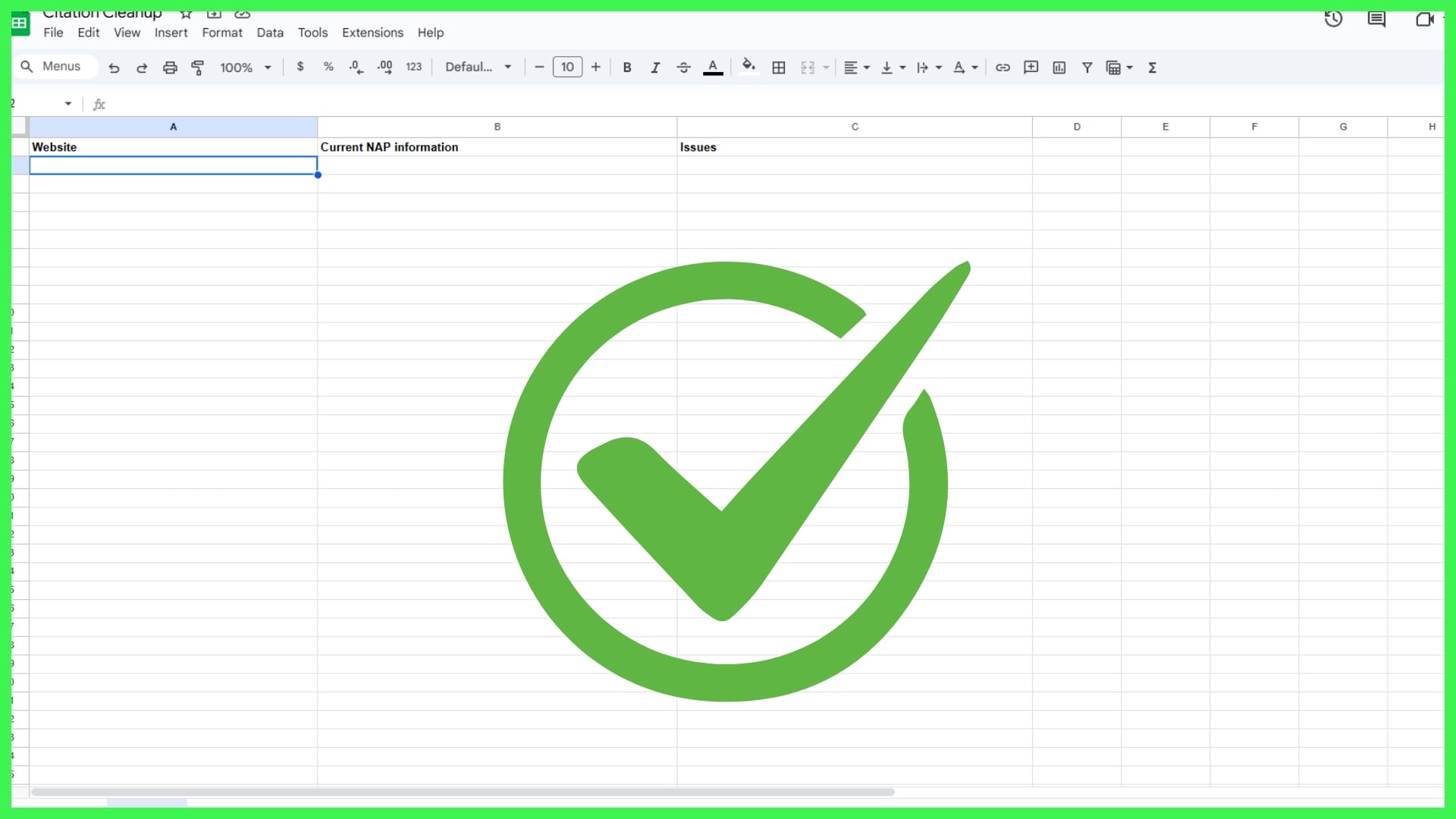 Having everything in order prevents a lot of confusion and helps prepare you for a much easier cleanup.
2. Identify All Inconsistencies
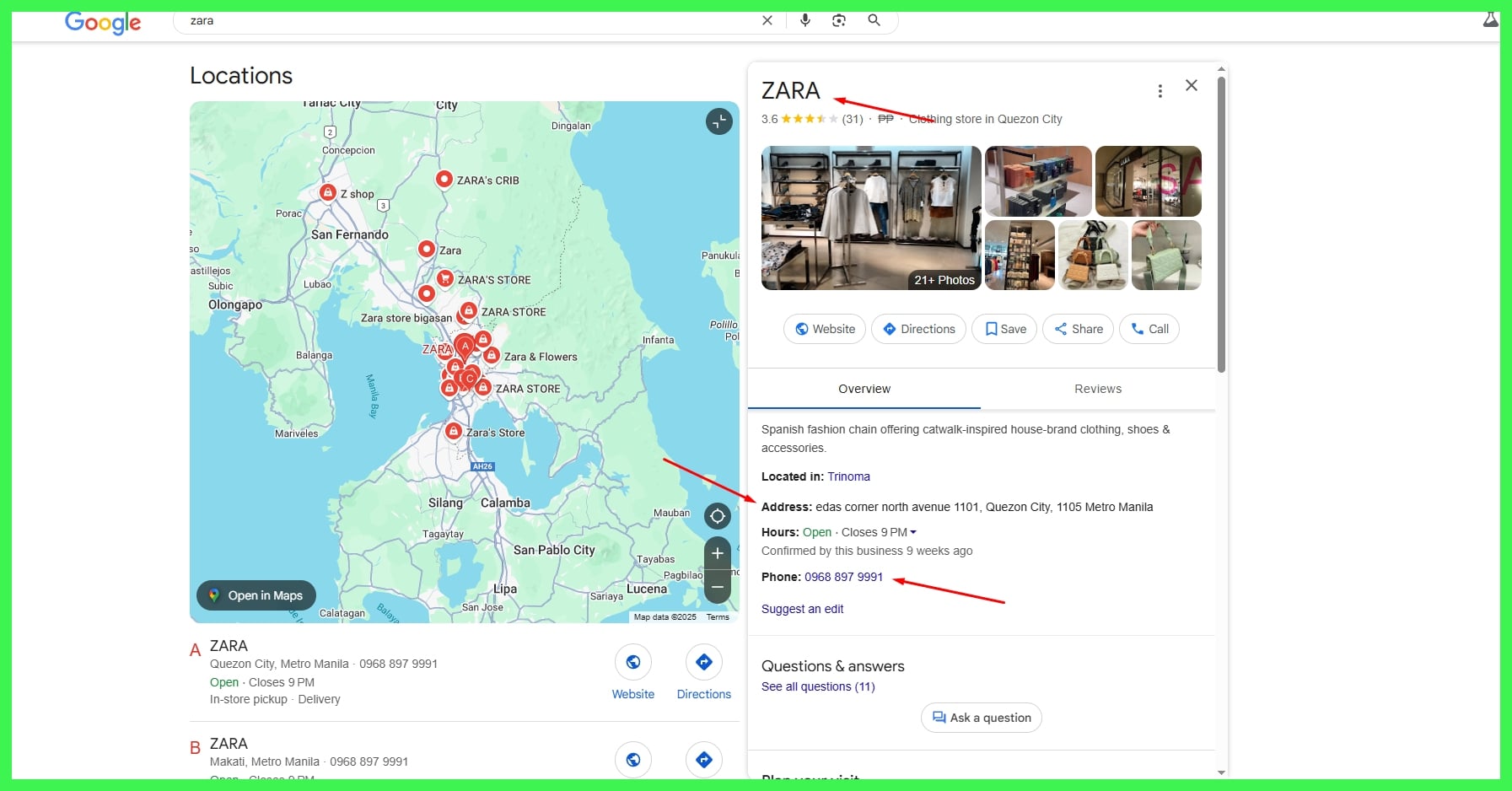 Find all the discrepancies. Go through each citation one by one and search for all errors, minor and major. Typical examples might be varied business names, outdated phone numbers, or addresses that lack suite numbers. Like “123 Main St.” on one platform and “123 Main Street” on the next, these differences could feel harmless, but this inconsistency may be damaging your rankings. Inconsistencies from platform to platform create confusion, which results in search engines being unable to trust the accuracy of your business information. In our experience, studies have found that inconsistent NAP is the most common reason for local ranking decreases. Look beyond the large national platforms to state, regional, and local directories, as well as industry-specific directories and social profiles. Go through every single listing with a fine-toothed comb—one error you overlook could damage your local SEO beyond repair.
3. Prioritize Key Listing Platforms
All listing platforms have their pros and cons. Save your efforts and labor for the platforms that will have the most ROI potential for your region and sector. In the U.S., start with:
- Google Business Profile (formerly Google My Business)
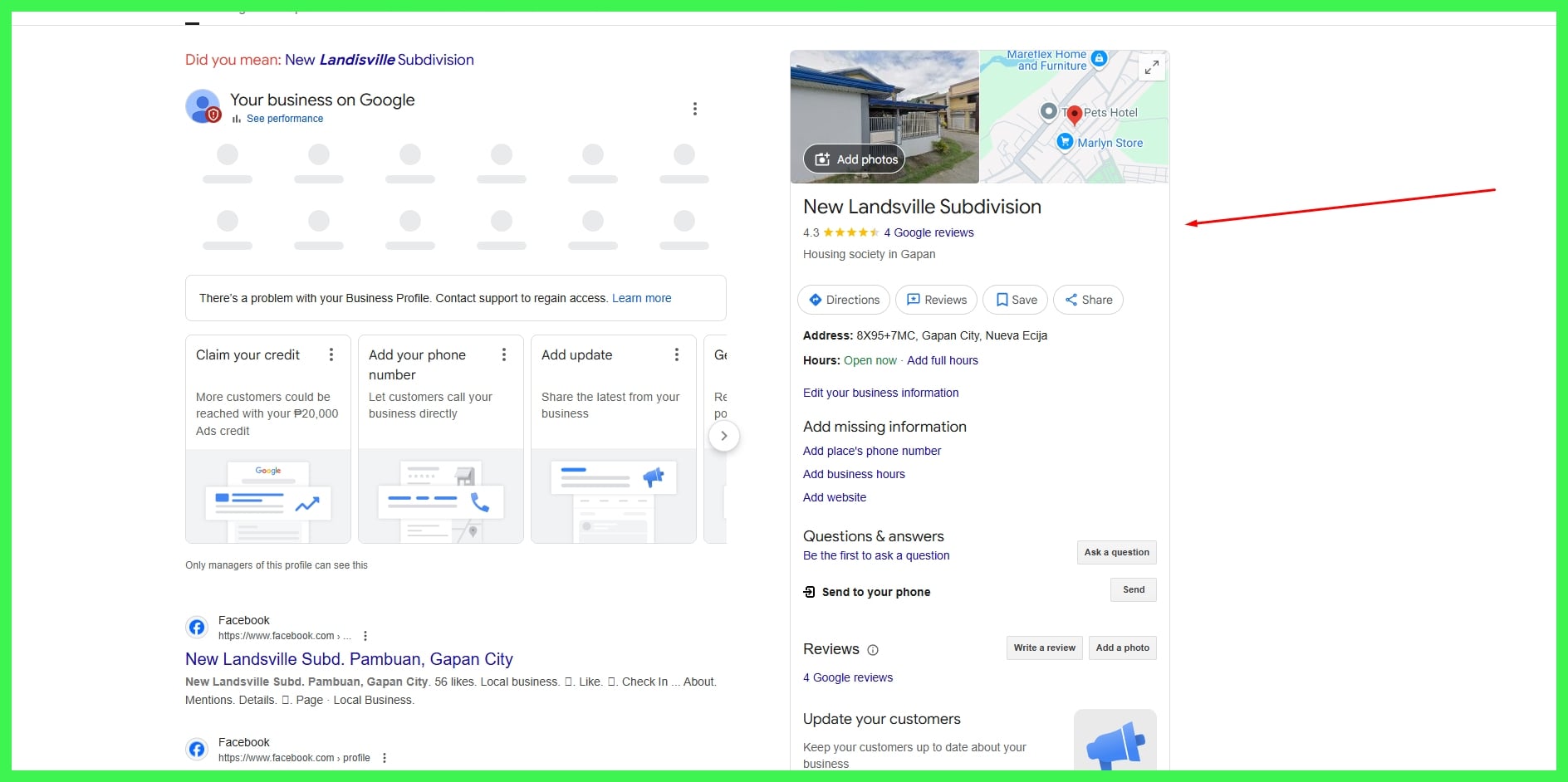
- Yelp
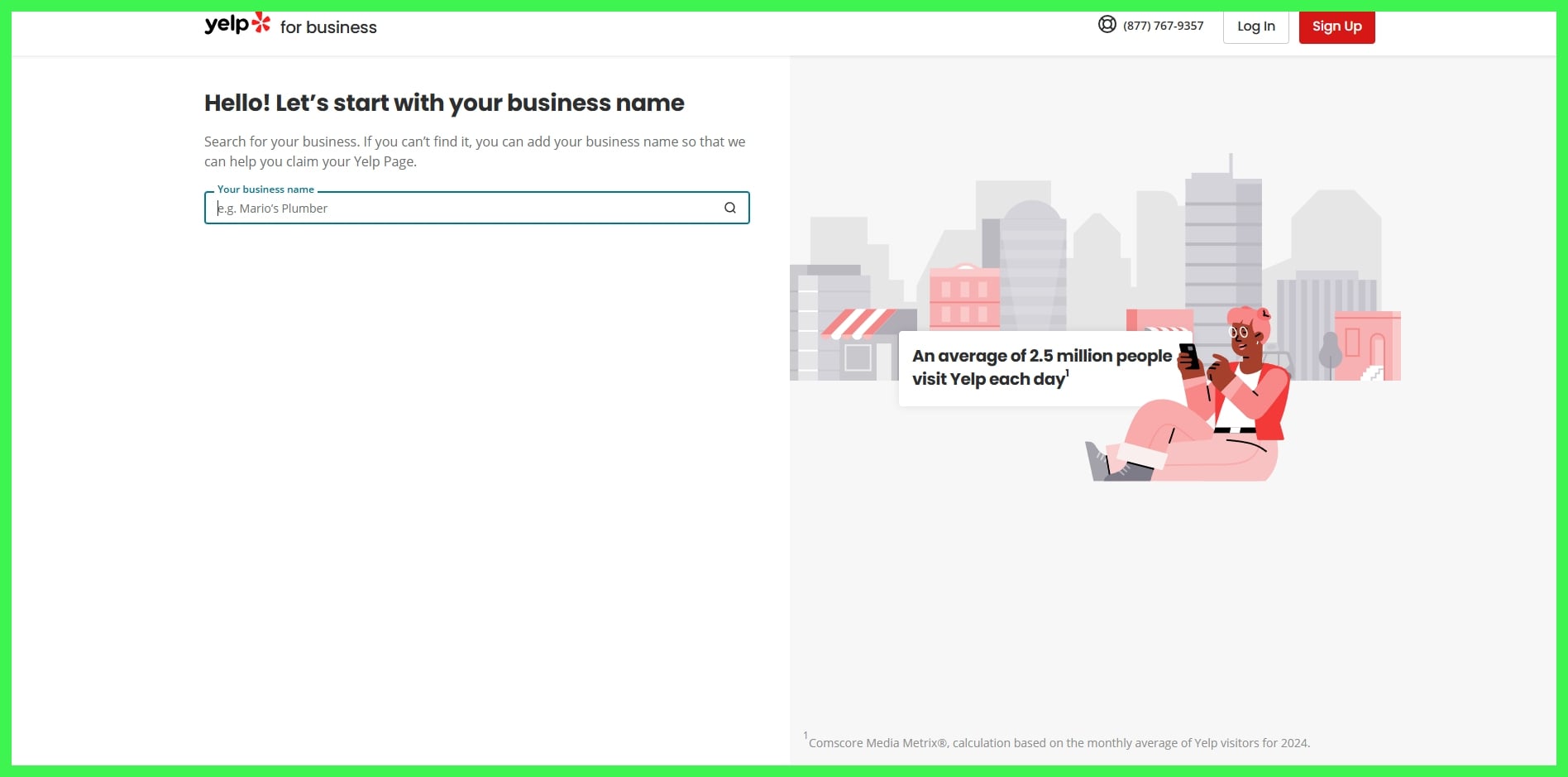
- Bing Places
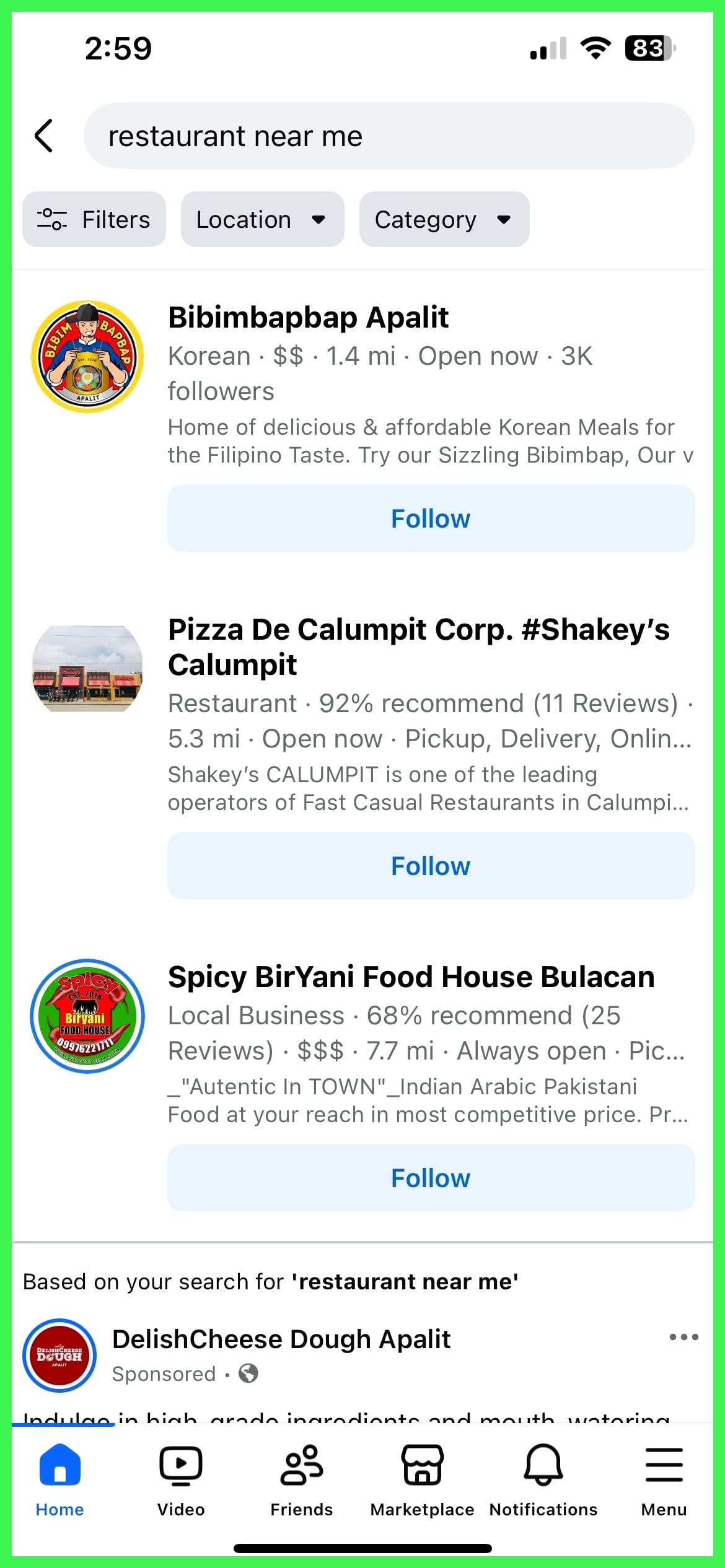
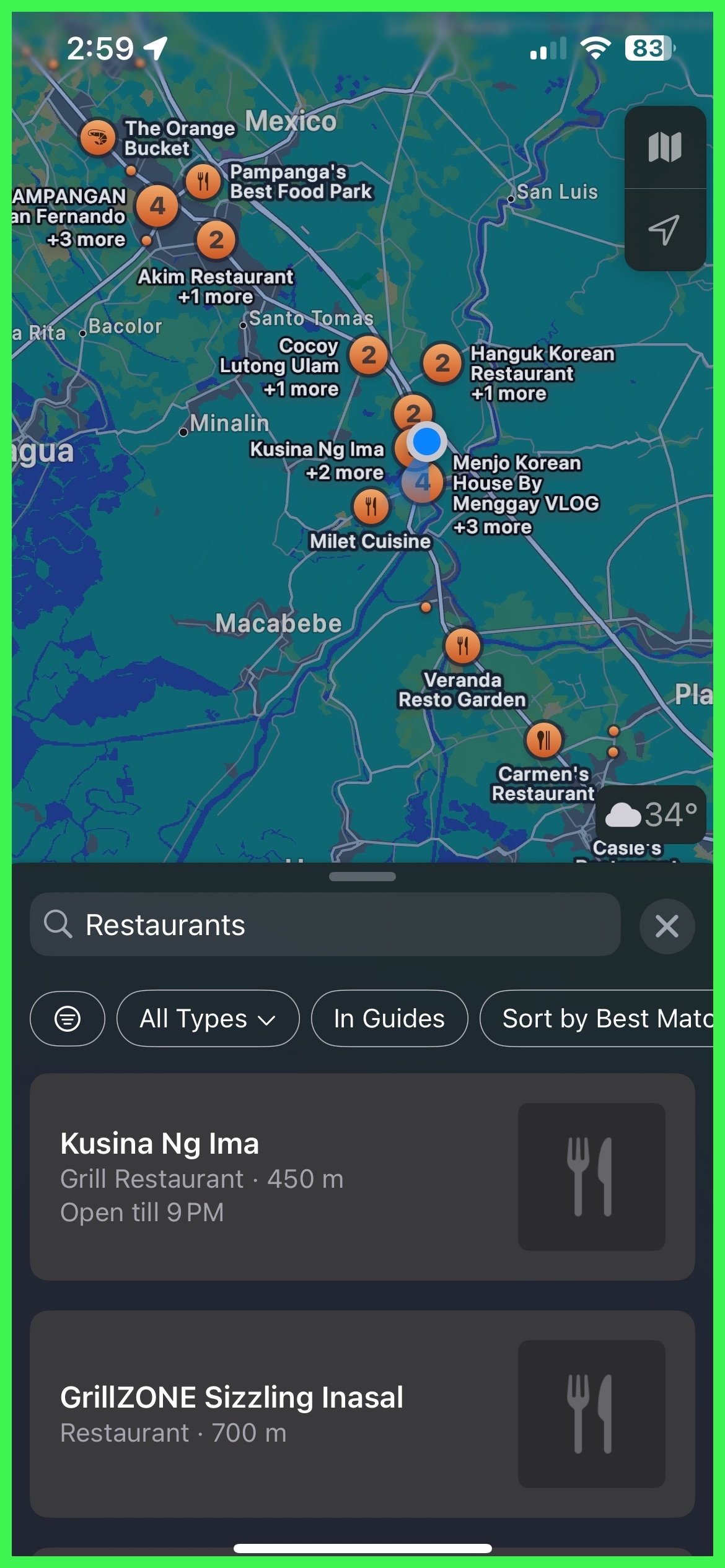
- Apple Maps
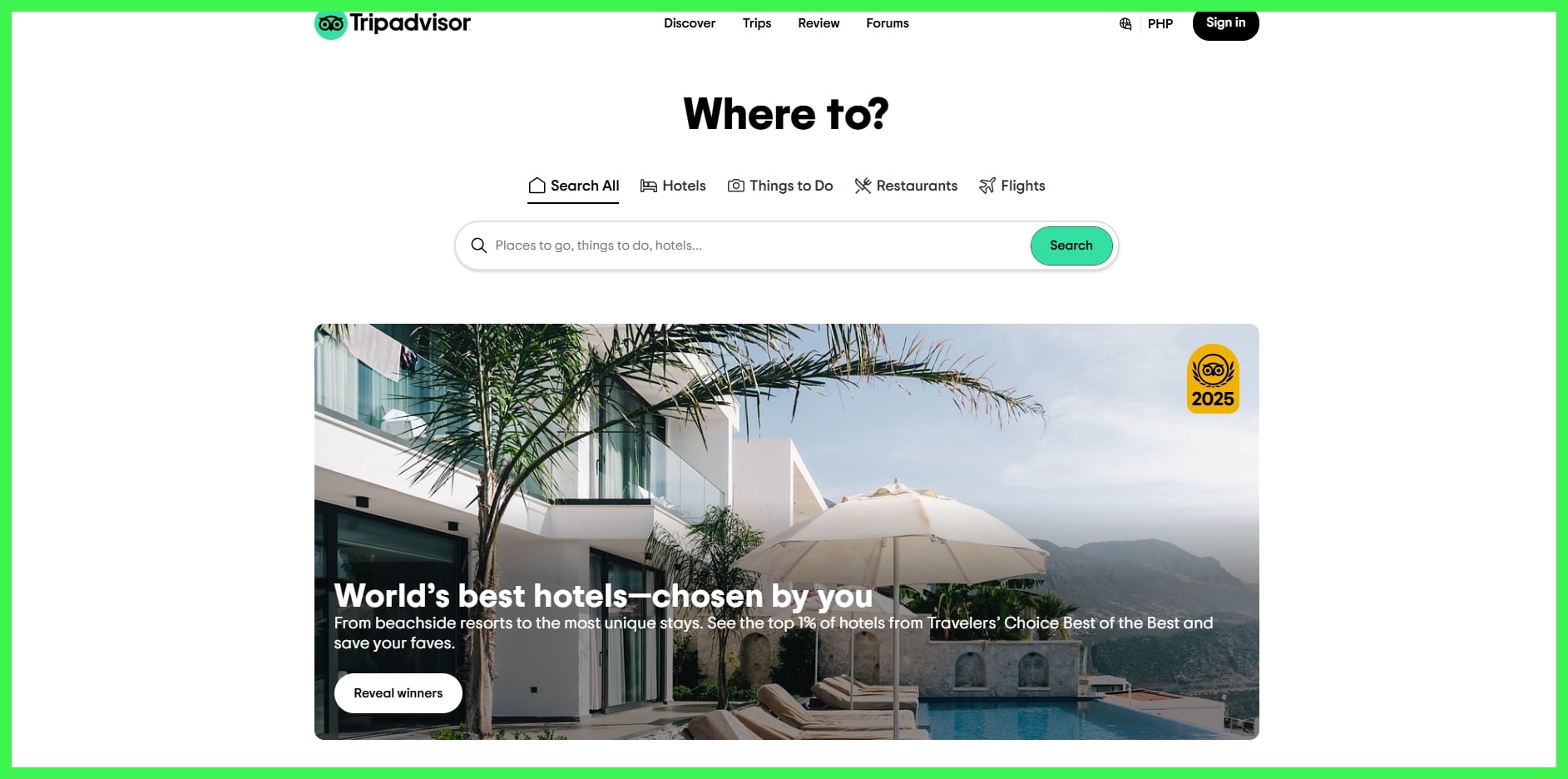
- TripAdvisor
 Additionally, platforms that receive higher levels of traffic tend to be crawled by search engines more frequently, attracting even more eyeballs. By addressing these first, you increase your influence the furthest upstream. This priority system not only prevents the cleanup from being too daunting but also allows your team to realize immediate wins.
4. Claim and Verify Your Listings
To manage your business information and have accurate listings, you must claim your listings and verify them. The process usually involves:
- Finding your business in the directory
- Clicking “Claim this business” or similar
- Giving verification for business ownership (usually a call or postcard verification).
- Updating your business details
Verification secures your changes and stops others from randomly editing your updates. Occasionally, you may encounter obstacles such as legacy listings you don’t have access to or obsolete emails associated with the account. Luckily for you, most directories have robust support channels available to assist you when you run into a wall. Be persistent and diligent about making every claim go on the books.
5. Correct NAP Information Systematically
For the actual corrections, stick to best practices:
- Align your NAP+W (Name, Address, Phone Number, Website) to your website down to the letter
- Keep formatting consistent (“St.” or “Street”, not both)
- Update all variations—don’t leave old info anywhere
- Double-check business hours and categories
- Add supporting details like photos and current reviews
The secret to improving your citation health is… Consistency, consistency, consistency. This isn’t only the big picture—small details go a long way with search engines and your customers. Make bulk updates whenever possible, beginning with the highest priority listings. Routine audits go a long way to ensuring everything is current.
6. Remove Duplicate Business Listings
Not only do duplicate citations confuse search engines, but they also disorient customers. A potential customer searching for your business may come across two different addresses or phone numbers and immediately lack confidence in your brand. Additionally, search engines could be dividing your ranking signals, causing your business to be more difficult to find. To clean up duplicates:
- Search each directory for multiple listings of your business
- Flag or report duplicates using the directory’s tools
- Request the removal or merging of the extra listings
Maintain a record of removal requests and periodically revisit them to ensure they have been removed.
7. Develop Your Outreach Strategy
 Occasionally, you come across the occasional listing that you cannot edit on the spot. Here’s what to include in your outreach plan:
- List of sites or directories requiring manual contact
- Contact info and submission forms for each platform
- Templates for outreach emails
- Timeline for follow-ups
This is why personalized outreach is always more effective than blanket, mass emails. Identify the issues and provide the right information. If you don’t hear back, wait a week or two and follow up. Don’t lose heart—many of these platforms receive hundreds of requests, and it can take several attempts.
8. Track Your Correction Submissions
Recording your updates will ensure the correction process stays orderly. Maintain a log of each correction you submit, date of submission, the information corrected, and the status of the correction. Tools such as Google Sheets and Trello allow you to easily see which submissions have been finished. Use project management platforms to keep track of what’s outstanding. There are many advantages to tracking. You can easily demonstrate work performed to your constituents, identify task backlogs, and prioritize future repairs. When a directory rolls back your edit, having a clear citation will tell you exactly what to change.
Smart Cleanup: Tools and Tactics
To get your citation cleanup services done properly, it’s all about combining the best technology with a white glove approach. In the rapidly changing arena of local SEO, leveraging the proper combination of software and local citation audit will increase your business’s online presence. Don’t end up with a mess on your hands later—get professional human review today!
Manual Review Meets Automation
A smart cleanup begins with this balance. Manual review catches the nuances that software can overlook, such as a subtle business name mismatch or strange address formatting. Automation handles the drudge work efficiently. Without it, it quickly runs into thousands of unapproved comment records or postmeta records of no value, while causing countless errors. Yet, despite the best plugins or even the best technology, human oversight will always remain critical. This ensures that you don’t miss items, such as draft posts or attachments with missing files, that an automated cleanup would overlook.
Leveraging Software for Efficiency
Lucky for you, there are tools available to make citation cleanup a little less hassle. Features to look for include the ability to quickly reset to default, delete unnecessary data, and have a user-friendly dashboard. These tools help expedite the work and reduce the opportunity for human error. They assist with keeping to a standardized naming scheme, something that is very important after a few months of database usage.
Avoiding Common Automation Pitfalls
Remember, automation is quick, but it’s not perfect. Overreliance on software might lead to overlooking underlying errors or removing data that is still actively being used. As a final reminder, always triple-check any changes made by automation, particularly on big directories such as Google Business Profile and Yelp. Routine evaluations and easily digestible feedback loops ensure that your cleanup efforts are effective and errors are minimal.
When to Call for Experts
Then you run into the trouble—hard to work around citation heavy-hitters or big, bad mismatches. Here’s when calling in the pros is a no-brainer. Prioritize firms that have successful plays in citation cleanup, particularly businesses that cite successes within your particular niche and geographic area. A reputable provider will be up front about their pricing, the process they use, and will provide reviews or references to you.
Best Practices for Pristine Listings
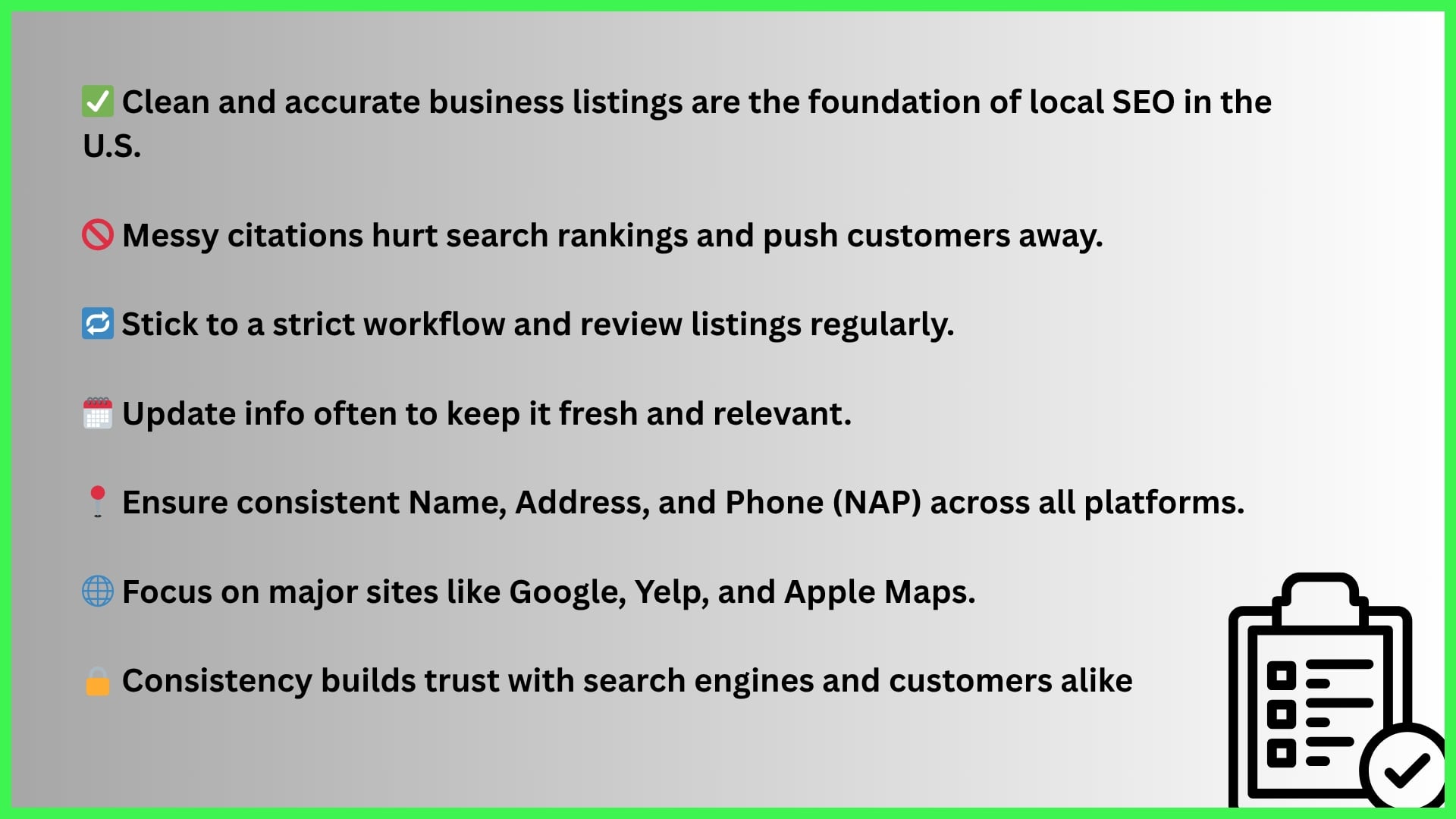 Maintaining business listings clean and squeaky-clean, perfect is the bedrock of local SEO over here in the U.S. Messy citations can do just as much damage by quickly eroding that trust with search engines. They drive away actual customers searching for your business. The only real way to maintain a pristine listing is to follow a very strict workflow and review your work repeatedly. Frequent updates are what keep your information fresh. A consistent name, address, phone number (NAP), and business description on all of the major aggregators—Google’s GMB, Yelp, Apple Maps—checked off instills trust and allows customers to find you seamlessly.
Maintain One Consistent Business Name
Maintaining a consistent business name across the web is essential to building brand trust. Flipping back and forth between “Joe’s BBQ Shack” and “Joe’s Barbacoa Shack” in your listings only confuses Google—and your future famished patron. Consider Austin’s famous “Franklin Barbecue,” for instance. They don’t have to update the name constantly, so you’re always certain you’re in the right location. A basic spreadsheet will do the trick when it comes to keeping tabs on listing names from site to site.
Standardize Your NAP Everywhere
Ensuring your Name, Address, Phone number (NAP) are standardized and consistent across the board is an often-overlooked but simple win. One tiny misspelling of your street name or suite number is enough to throw Google’s local search for a loop. Create a process, such as a shared spreadsheet or database, to track and monitor each listing. Contact listing sites to correct errors and maintain consistency with your primary address.
Optimize Directory Categories Wisely
Optimize Directory Categories Wisely Select categories in online directories that align with your offerings. For example, if you operate a food truck, it would be better to list under “Restaurant” and “Food Truck” instead of solely “Catering.” This makes it easier for the right customers to discover you and increases your chances of appearing in relevant local searches.
Enhance Listings with Rich Content
Eye-catching photos, short videos, and a clear description of what you offer will get your potential customers’ attention. Those complete profiles not only rank higher but also receive more clicks. Adding keywords that reflect the most common services you offer can make a positive impact.
Conduct Regular Citation Checkups
Stay sharp by checking citations often:
- Every quarter for big changes
- After moving or updating contact info
- After adding new services
Regular citation checkups catch mistakes before they drown your SEO. Whether you leverage technology or simply a checklist, you’ll ensure you’re always one step ahead.
Measuring Your Cleanup Impact
Completing a citation cleanup is only the first half of the battle. When you track what comes next, you’re revealing the true impact of your work. A thorough cleanup involves assigning and correcting data in each of the top business directories. Even though this takes time, it’s worth the effort when you can demonstrate improved keyword rankings, increased site traffic, and enhanced customer confidence. Ninety-three percent of consumers have been disappointed by incorrect business information. Get your information right to earn trust and loyalty and have that phone ringing off the hook!
Tracking Local Search Rankings
So, after going through the heavy cleanup process, you’re probably hoping to see your rankings start to move. Most local SEO professionals have access to tools such as Ahrefs that allow them to monitor local pack SERP results for keywords they’re targeting. These tools allow you to measure where your updated NAP+W (Name, Address, Phone, Website) data stacks up against the competition. Local SEO example: In Austin, a local taco shop might be able to rank #1 for “best tacos in Austin. This is especially true after they work to repair deprecated or inaccurate listings. More accurate citations usually lead to improved ranking on Google Maps and local search.
Monitoring Website Referral Traffic
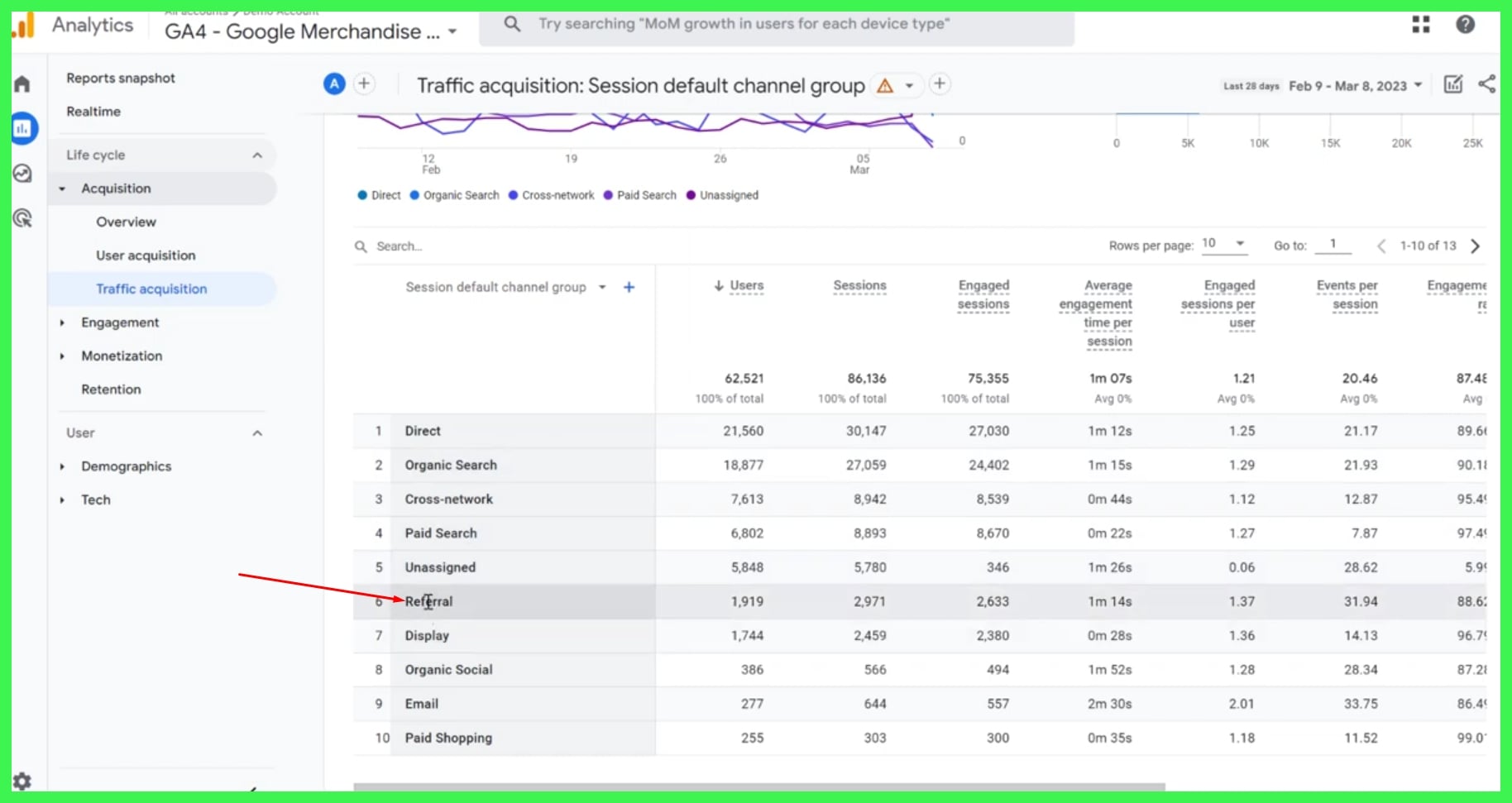 Monitor your website referral traffic. An increase in traffic from citation sources, such as Yelp or Apple Maps, is a positive indicator that your work is taking effect. Both Google Analytics and Ahrefs allow you to monitor these referral journeys. Identify what directories are sending you the most traffic—this will allow you to identify which listings are most important for your business.
Observing Customer Engagement Changes
The right citations make it easier for customers to discover you, call you, and stop by without running into brick walls along the way. Following a cleanup, monitor customer engagement metrics such as the number of calls received, clicks for directions, or review count. Tools like Google My Business Insights and CallRail provide immediate indicators of these trends. Increase average star ratings and visit duration? Now, that’s a big victory.
Gauging Your Online Visibility Lift
After you’ve cleaned all of your citations, you’ll want to see how much your business is showing up in local search. The more consistent online listings you have, the easier it is for potential customers to discover you. Creating a standard NAP+W format to stick to will make things easier 10 years down the road.
Conclusion
The more citations you have in order, the better your business will perform in local search. A clear, clean digital footprint earns you credibility, higher search rankings, and more qualified traffic headed to your door. In Texas, for example, a new barbecue joint can instantly get a jumpstart simply by having a few erroneous addresses and phone numbers corrected. Even Austin’s smallest indie shops don’t stand a chance of being found quickly without proper listings. Cleanups don’t have to be such a hassle. Leverage intelligent tech or bring on an expert squad to save time. See your traffic and phone calls increase, one by one. Don’t let legacy trash stand in your way. Start with clean, consistent online listings. At SirLinksalot.co, we specialize in citation cleanup services that help boost your local SEO and make sure customers find you, not your competitors. From correcting outdated info to eliminating duplicates across major directories, we help you get seen, get calls, and grow your business.
Frequently Asked Questions
What are business citations, and why do they matter?
Business citations are crucial for local SEO success—they help customers find you and boost your local search rankings on Google through consistent, accurate listings.
How do messy citations hurt my local SEO?
Messy citations can significantly hurt your local SEO efforts and decrease potential customers’ trust in your business, leading to inaccurate citations and incorrect business info.
How often should I check my business citations?
In addition, when you move, change your name, or change your phone, check them immediately for citation accuracy.
What tools can help with citation cleanup?
Other trusted tools like BrightLocal, SirLinksalot, Moz Local, and Whitespark assist in managing citations and improving local SEO efforts effectively.
Can I fix citations myself, or should I hire a pro?
For the most part, yes, you can and should repair many of these listings yourself, particularly on the big listing sites. However, for larger projects or more extensive errors, hiring a citation cleanup service provider will save you a great deal of time.
What’s the most important info to keep consistent in citations?
Match the business name, address, and phone number (NAP) exactly, every time. This step is crucial for local SEO success and is often overlooked. Consistent citations build trust not only with Google but also with your potential customers.
How do I know if my citation cleanup is working?
Look out for better local SEO performance, increased traffic to your website, and an uptick in calls from maps and directories. These are positive indicators that your citation cleanup services are having an effect.