Digital marketing has become an inevitable and essential investment for businesses in general. But SEO has become the most integral part of making sure your business websites are successful. Your search engine optimisation tactics should be the foundation of your digital marketing strategy, and should be considered within the broader context of digital marketing strategies that encompass SEO as a key component. Whether it’s about driving more customers through online platforms, building more authority, or improving your overall search rankings, you need to be well-versed in SEO techniques. SEO is also a crucial part of online marketing efforts, helping to improve visibility and drive targeted traffic.
Yes, we are witnessing a major shift in the digital marketing industry with the rise of AI, but making sure you prioritise SEO in these ever-changing times is crucial for your online brand’s long-term sustainability and SERP visibility.
In this blog, I’ve talked about the top SEO techniques you need to follow in 2025 to ensure you have actionable ideas to implement on your website. Blog posts are a core component of SEO and content marketing, playing a vital role in attracting visitors, improving rankings, and building authority. This way, you can boost your online presence and eventually gain more organic traffic.
Understanding SEO
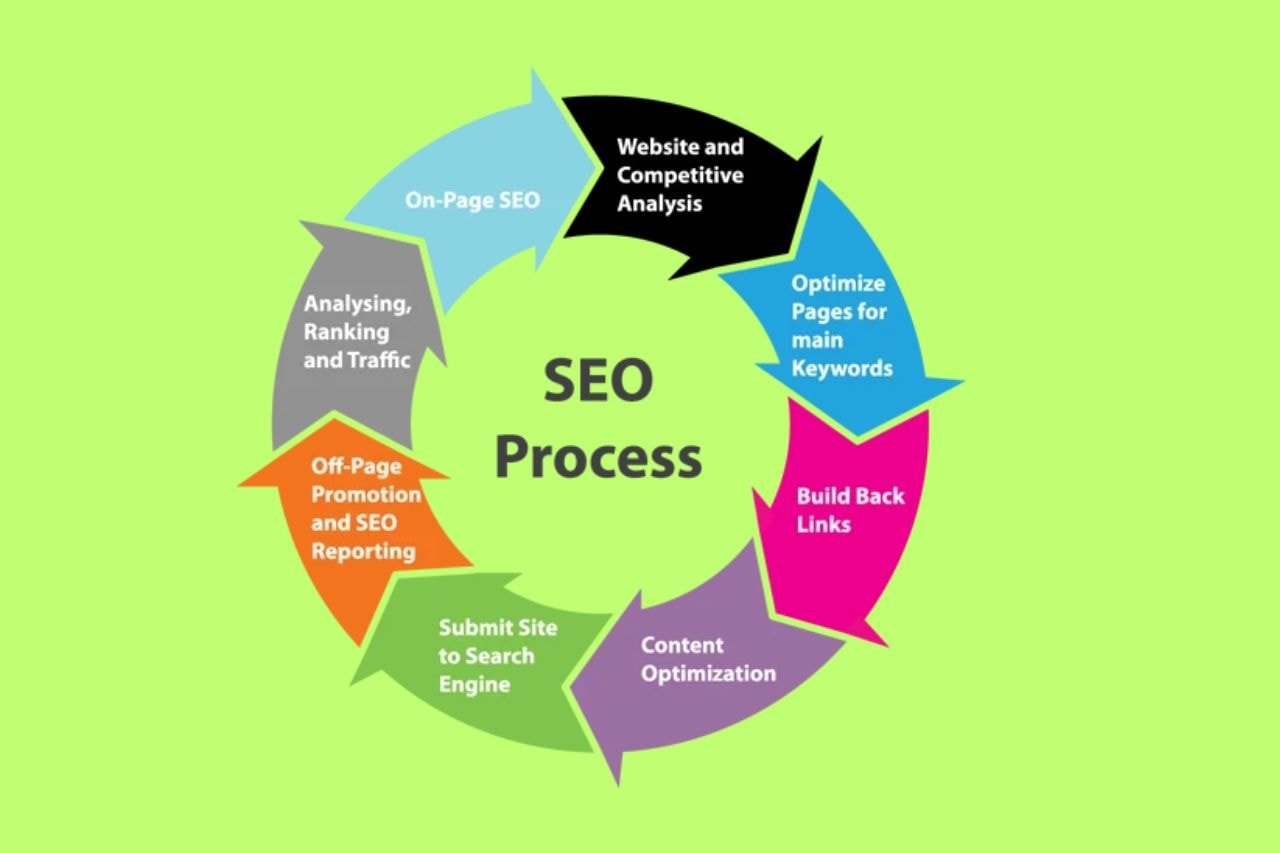
To truly harness the power of SEO, it’s important to understand the various elements that contribute to a successful strategy. SEO is more than just sprinkling keywords throughout your content; it’s a comprehensive approach that includes keyword research, on-page optimization, link building, and content marketing. Each of these components plays a vital role in helping your website climb the search engine rankings and reach your target audience.
Search engines use complex algorithms to determine which web pages appear at the top of search results. By understanding these ranking factors and how search engines evaluate your site, you can develop an effective SEO strategy that delivers long-term results. This means continually optimizing your site, building high-quality backlinks, and creating valuable content that meets the needs of your audience.
SEO is a marathon, not a sprint. It requires ongoing effort, regular analysis, and a willingness to adapt to changes in search engine algorithms. By staying committed to best practices and focusing on both technical and creative aspects of SEO, you can improve your search engine rankings and drive sustainable growth for your business.
Top Digital Marketing SEO Techniques

We all know how effective SEO is as the backbone of digital marketing. Here are the top 5 SEO techniques, each explained in depth, to help you achieve higher search rankings in 2025.
1. High-Quality Content
High-quality content remains the first and topmost priority of SEO in 2025. SEO optimized content isn’t just a checklist of keywords to stuff in, or other technical shenanigans. That’s because it’s not about writing for search engines. In other words, you have to make sure that the content you create is truly useful, comprehensible, and easy to discover. Each blog post should be tailored to address the needs of your target audiences, ensuring relevance and value for the people you want to reach.
Quality content resonates with what people are searching for and engages them. It’s all about identifying what users are looking for, providing answers to genuine questions, and offering content that is valuable to them. Including images and videos makes your content more scannable, which is important for keeping readers on your page.
Identify potential search phrases, then write with them in mind. Address the user intent behind the queries people are searching for, such as “When is the best time to visit?” “Is street food safe? Word salad aside, work in relevant terms to give search engines more context about what your content is all about.
This ensures that your content reads organically and answers the questions that people are actually searching for.
Avoid mimicking what all the others have done; create content that is original, distinctive, and representative of your brand’s digital voice. This helps establish you as an authority, which in turn builds trust and helps bring readers back. Additionally, avoiding duplicate content is crucial to maintain strong SEO performance and protect your site’s authority.
Crafting Winning SEO Content
Using headings such as H1, H2, and H3 will help establish a solid structure and flow. They’re the easiest way to make your content more scannable for readers and search engines alike! User satisfaction is the goal, easy to use, hard to master, but that’s not enticing users to return.
1. Nail Your Keyword Research
Keyword research remains the foundation of any successful SEO strategy. By identifying and targeting the right keywords, you can rank higher for relevant queries and attract your ideal audience. Effective keyword research not only helps you rank for valuable terms but also improves your visibility in the search results and drives more organic search traffic to your site.
Getting keyword research right isn’t a hit or miss endeavor. We do the grunt work with tools like Ahrefs or SEMrush to identify phrases with actual search volume. Long-tail keywords are often the best choice in competitive markets, attracting searchers with clear intent for specific information.
We’re not ones to pick keywords and walk away. We see which ones do well and re-evaluate the plan every few months.
2. Build Smart Topic Clusters
Organizing content into pillar topics is a great way to improve SEO. We create large, in-depth “pillar” posts that link out to these smaller, more targeted articles.
This pillar and cluster approach allows readers to explore further in-depth and distributes link authority more evenly across the pages. Creating links between them in a natural way allows your site to be more easily crawled and explored.
Regularly publishing and updating blog posts within your topic clusters supports your content marketing and SEO strategy by attracting visitors, improving rankings, and building authoritative backlinks.
3. Write for People, Optimize Later
After all, great content is written for humans; SEO is just the icing on the cake. We speak like we talk, with a casual, friendly tone full of stories and practical advice borne from the real world.
When the content draft is in excellent shape, we insert keywords accordingly and optimize for search engines, never jamming keywords to appeal to bots.
4. Keep Content Evergreen & Fresh
Evergreen pieces may be made of stone, but we don’t leave them to weather; we update them regularly. Because trends change, we go back to old posts and try to update them with new information or infographics.
You should add multimedia elements such as images, videos, infographics, and podcasts can improve user engagement and dwell time, further signaling quality to search engines.
5. Use AI Ethically
We can’t ignore a world without AI. So, AI may assist us in identifying trends and developing content concepts, but humans are responsible for writing the content. We always maintain the human element and carefully review each piece to ensure quality and uniqueness.
2. Earn High-Value Backlinks
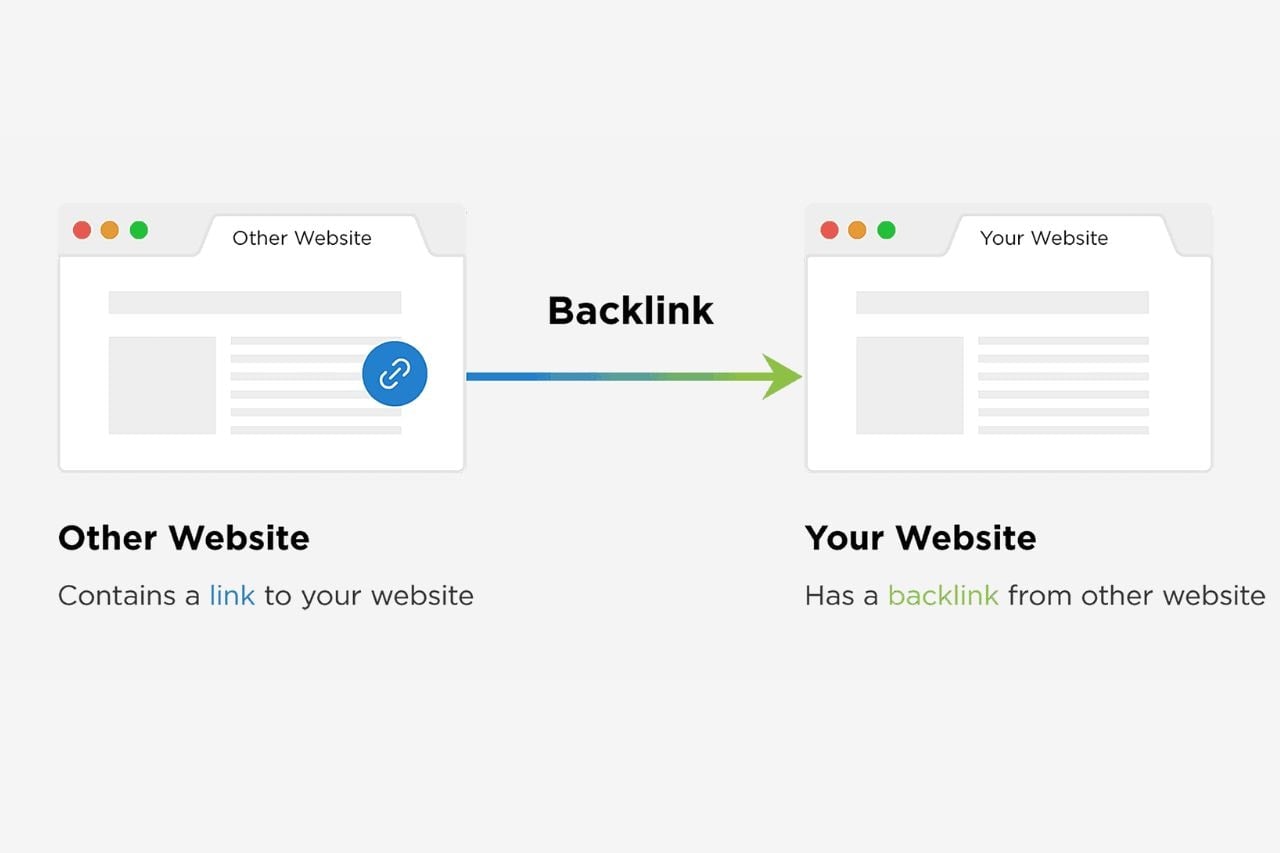
Earning high-value backlinks is the backbone of any good SEO strategy. High-value backlinks increase your site’s authority. The best long-term, high-value backlinks come from respected, relevant sites, and they build your site’s authority.
Don’t forget that Google’s E-A-T (Expertise, Authoritativeness, Trustworthiness) principle is more important than ever. Content should actually showcase the author’s credentials, cite reputable sources, and be regularly updated to remain relevant
We at SirLinksalot help you find the best backlinks. Connect with us today!
The truth is, the majority of content, around 94%, will never get a single link. To defy those odds, you need a smart strategy. Always aim to provide the best quality possible and be prepared to foster genuine relationships. Here are some key things you need to keep in mind while looking for backlinks:
Focus on Link Quality, Not Count
The real value of a backlink is not in the number of backlinks you have, but rather in the authority and relevance of the site it’s on. For example, a gardening blog gains more from a backlink on a landscaping site than from a coffee review page.
Prior to scheduling a speaking engagement, use tools such as Ahrefs or Moz to look at the domain’s strength. As there are several methods to improve your serp, you can try out Grey Hat
3. Meta Tags That Matter
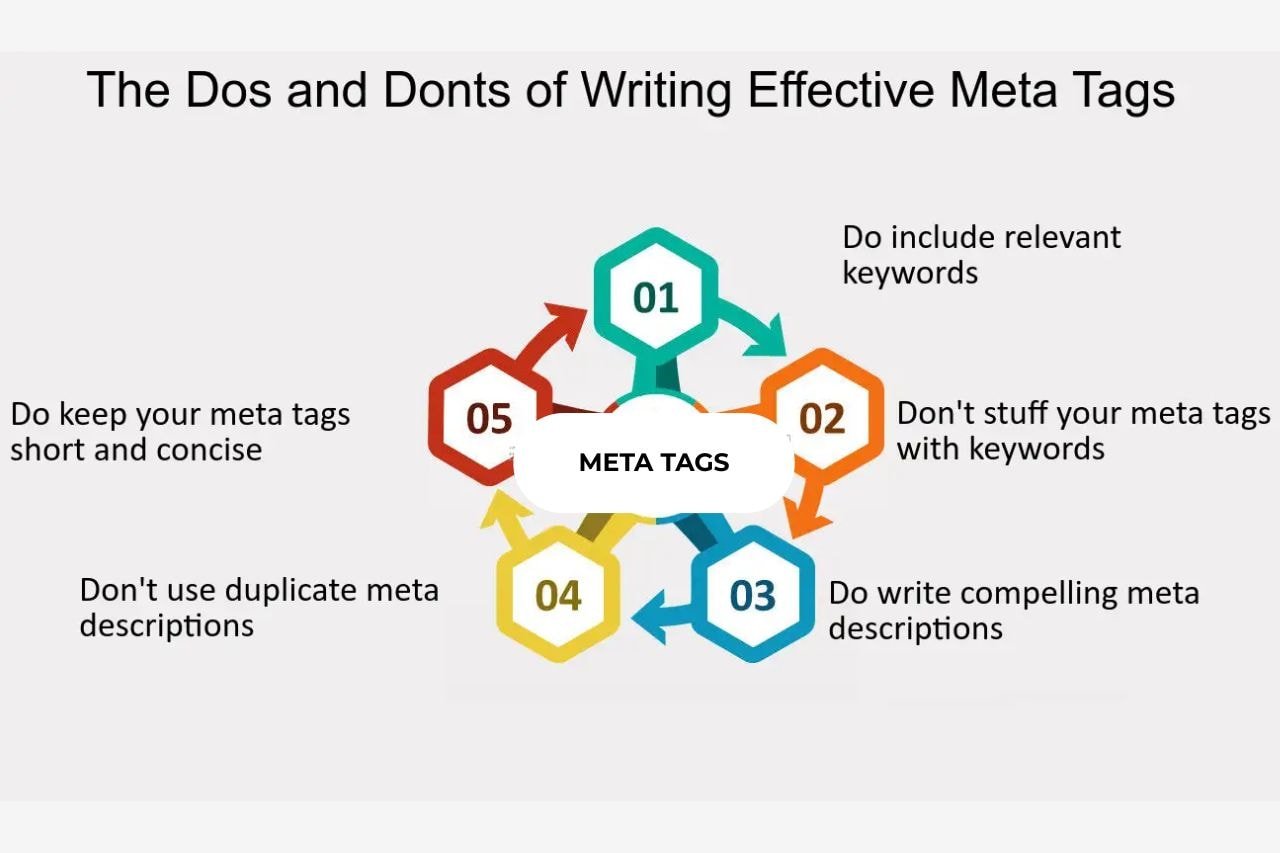
Meta tags are small but mighty elements that play a crucial role in how your website appears in search engine results pages. The most impactful meta tags for SEO are your title tags and meta descriptions. Title tags should be concise, descriptive, and include your target keywords to signal to search engines and users what your page is about. A well-crafted title tag can make the difference between a user clicking on your link or scrolling past.
Meta descriptions, while not a direct ranking factor, are your opportunity to entice users to visit your site. A compelling meta description should summarize your page’s content, include relevant keywords, and speak directly to your target audience’s needs or interests. This can significantly improve your click-through rate, driving more organic traffic to your site.
Optimizing your meta tags is an ongoing process. Regularly review and update them to ensure they remain relevant and aligned with your SEO strategy. By paying attention to these details, you can boost your website’s visibility in search engine results, attract more qualified visitors, and improve your overall search engine rankings.
Maximize Your On-Page Impact
This is where you’ll see your biggest wins with digital marketing on-page SEO. These proper on-page improvements will not only improve a site’s search position but ensure visitors are able to find what they’re looking for quickly and efficiently.
This part walks you through how to optimize each element on your page. So create it with both users and search engines in mind! Here are the ways in which you can improve your on-page SEO:
Structure with Clear Headers
Headers are an important cue for both users and search engines to understand the structure of your content. Clear H2s and H3s cut long text walls into chunks, which is easier for users to read.
Include keywords sparingly and use them organically; stuffed keywords can damage ranking. Verify that each header is a clear and honest representation of the content within to build reader trust.
Make Images SEO-Friendly
After all, images add immense value and can make or break the user experience, but only if they load quickly and display effectively on mobile devices.
These are good opportunities to optimize your images with short, keyword-rich file names and alt text. Make images load faster by compressing them, and help users contextualize the images on the page by captioning them.
With a responsive image setup, everything will look razor-sharp on any screen.
Strengthen with Internal Links
Provide a path to related, useful content on your own site with descriptive text that matches the context of the page you’re linking to. This is useful for your users and search engines to discover more relevant information.
Monitor your internal links and refine them as your website develops. When it comes to search engines, schema markup provides an extra layer of meaning, helping your content get a better chance at ranking in position zero.
4. Technical Optimization

Technical SEO is the behind-the-scenes work that ensures your website is easily accessible and understandable to both users and search engines. A technically optimized site loads quickly, is mobile-friendly, and has a clear structure that search engine crawlers can navigate with ease. Key elements include optimizing page speed, ensuring mobile responsiveness, and maintaining a clean XML sitemap to guide search engines through your site.
Boost User Experience Signals
User experience signals have become one of the most important factors that search engines consider when ranking websites in their results pages. Intuitive design, quick loading speeds, and seamless browsing experiences all play a big part in sending signals that can help your site shine. When you invest in a better user experience, people want to return, and search engines will pay attention.
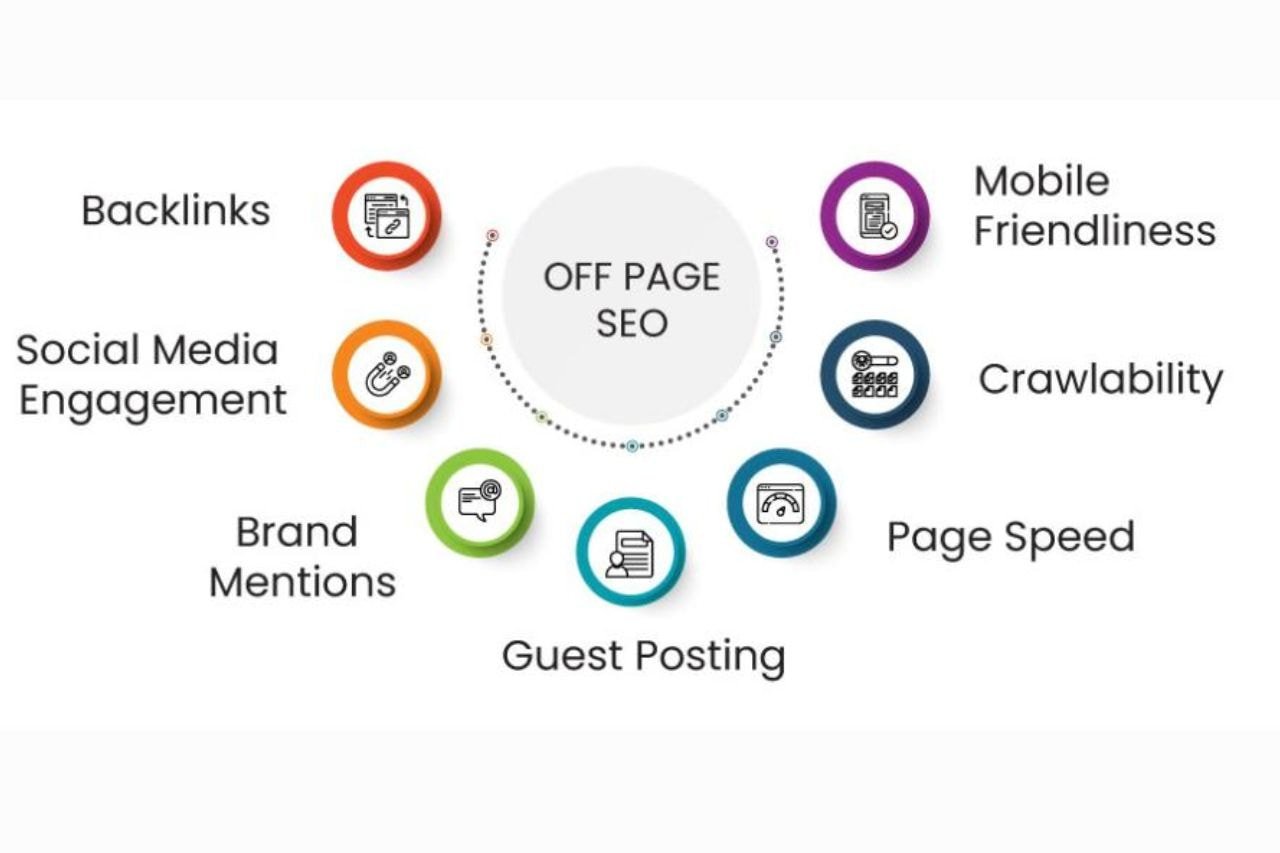
92.3% of all internet users are using the internet through smartphones, to be exact. It’s the reason mobile-friendly sites are rewarded with higher rankings. Mobile SEO is essential for reaching mobile users and ensuring your site performs well on smartphones and tablets, which directly improves search engine rankings. Basic stuff, like quick load times, intuitive menus, and efficient designs, makes a huge impact on user experience and digital marketing. Here are the key ways om which you can improve technical SEO and site performance.
Make Your Site Load Fast
Make Your Site Load Fast. Site Speed is extremely important. Pages need to be able to load the entire above-the-fold content in less than 2.5 seconds. You can begin by reducing image sizes and reducing unnecessary code.
Browser caching and CDNs ensure you’re able to get that content out quickly, regardless of where your users are located. Monitor your site’s speed with platforms such as Google PageSpeed Insights. If anything is causing a slowdown, address it immediately. Every second is critical, and sites that are slow send users running.
Ensure Perfect Mobile Viewing
Responsive design ensures your site is always at its best, no matter what device. Ensure perfect mobile viewing. Regularly check mobile usability, touch targets that are too small or navigation that’s difficult to use will lose you site visitors.
Ensure that buttons and links are large enough to click. With search engines now indexing mobile versions first, make sure to test your site on various phones and tablets. Avoid intrusive interstitials like pop-ups that cover content, as they provide a negative experience to users and significantly impact rankings.
Design Easy Site Navigation
An uncluttered, easy-to-follow hierarchy makes it easier for users to locate what they need quickly. Breadcrumbs help users understand their location within a site, reducing confusion on extensive websites.
Avoid cluttered menus; ensure they are concise and direct. Include a search field to improve usability signals. Ensure users can search for what they need quickly. These measures lower bounce rates and assist search engines in indexing your site.
Personalize Content for Users
Personalize content for users based on their needs and interests. Highlight suggestions according to user behavior or preference. Dynamic content enhances user experience.
Dynamic content is a great way to keep your site fresh and relevant. Solicit user feedback and adjust content to meet actual use cases. This creates a powerful loyalty loop and it sends clear and strong user experience signals to search engines. Enhancing user experience in these ways can also lead to increased organic website traffic as your site becomes more visible and attractive to both users and search engines.
5. Analyze, Adapt, and Dominate
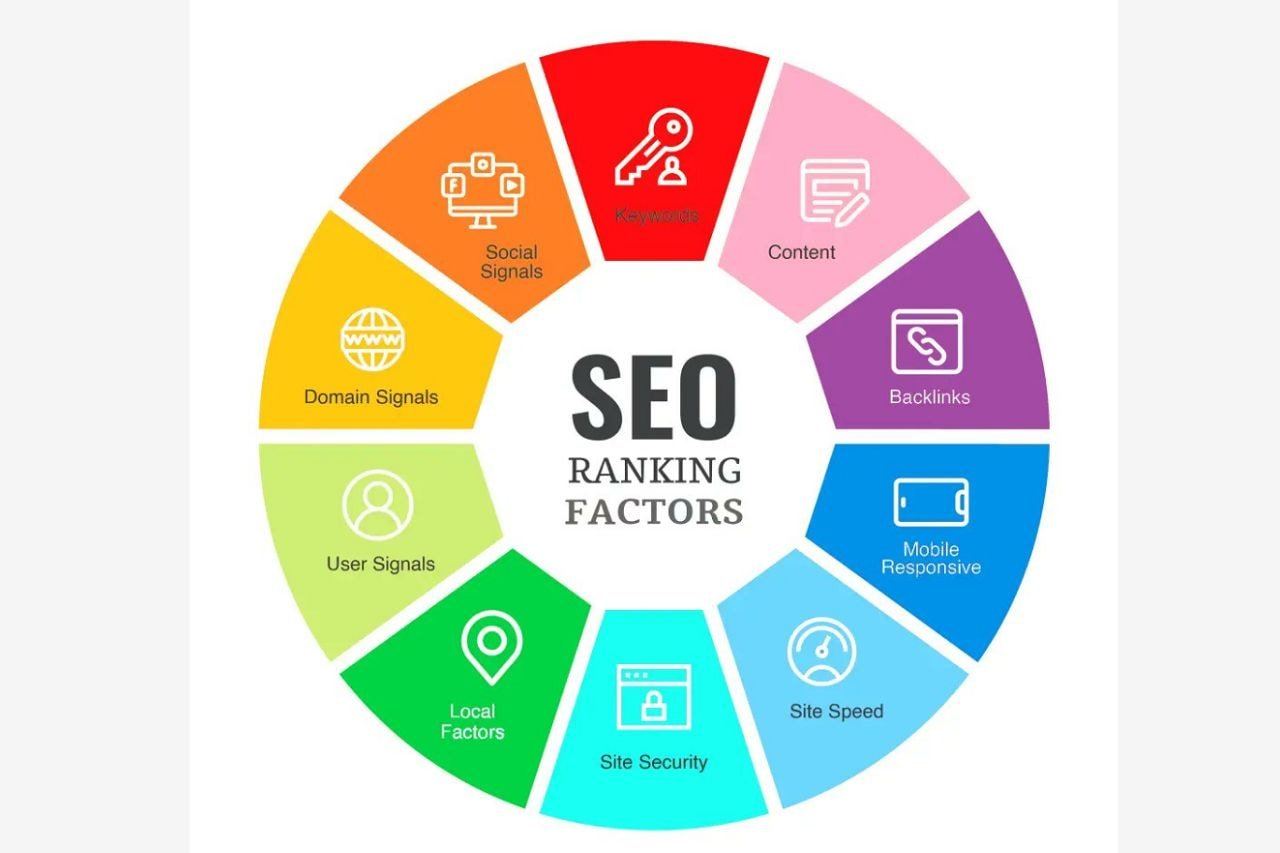
If there’s one thing that it takes to achieve digital marketing success, it’s the ability and willingness to continually learn and adapt. Analyzing, adapting, and dominating Good SEO is not a set-it-and-forget-it task. It’s the art of monitoring key metrics, identifying emerging patterns, and understanding what resonates best with your viewers.
This allows you to make educated decisions rather than arbitrary assumptions. When you work toward specific, quantifiable objectives, like increasing organic traffic or reducing bounce rate, for example, you know exactly how far you have to go. With every little adjustment, you’re one step closer to the competitive edge in the results page. User testing and hard data support each change!
Study Competitor SEO Tactics
Studying your competitors’ SEO tactics isn’t just eavesdropping. It’s not school = it’s learning. Using their keyword targeting and backlinks as a guide, you can identify gaps that they have overlooked.
They might be doing great for “local Marrakech food tours,” but they lose out by not having guides for vegan travelers. So don’t miss your opportunity. By consuming their content and observing all the areas where they succeed or fail, you can start to tailor your approach. Implement what you take, avoid what you don’t, and round out with your own advantage.
Track Your SEO Performance
Tools such as Google Analytics or Ahrefs paint a realistic picture. You’ll be able to identify what pages are engaging the most, what pages are causing people to leave, and where people are making a purchase or signing up.
By monitoring these trends in SEO, you can adapt quickly, repair what’s damaged, and improve what’s effective. That way, it’s easy to demonstrate this value to your team or clients in a report, so everyone’s on the same page.
Stay Ahead of Algorithm News
It’s because search engines like Google change the rules constantly. Reading your favorite SEO blogs and participating in relevant industry Twitter chats helps you stay informed.
Monitoring changes in Google’s search and keeping an eye on Google’s search results is essential for maintaining high SEO rankings in Google search results. When a large update rolls out, you’re prepared to adapt your strategy accordingly. When you share this story with your team, everybody will be able to respond quickly, as a unit.
Conclusion
If you want to truly win at digital marketing with SEO, you have to put in honest work. SEO techniques won’t start working the minute you implement them, you have to be consistent in following all these steps. Content is what attracts people, so making sure you put out original content is all that matters. Buy good backlinks, and it is going to be your site’s street cred. Quick loading times and simple designs keep people engaged. Know your stats. Diversify your tactics. See what’s thriving in your patch! People in New York City may have a taste for quick hit information, but people in Austin may appreciate more narrative. SEO is not magic, but it certainly can work wonders for your site if you do it correctly. Want us to help you clean up your SEO disaster or see your rankings increase? Connect with us now!
FAQs
1. What are SEO techniques in digital marketing?
SEO techniques in digital marketing are strategies used to improve a website’s visibility on search engines. These include keyword research, on-page SEO, link building, technical SEO, and content optimization to drive organic traffic.
2. What are the 4 types of SEO?
The 4 types of SEO are:
- On-page SEO – optimizing content and HTML elements.
- Off-page SEO – building backlinks and domain authority.
- Technical SEO – improving site speed, mobile-friendliness, and crawlability.
- Local SEO – optimizing for local searches and Google Maps visibility.
3. What is SEO for digital marketing?
SEO for digital marketing is the process of optimizing your website to rank higher on search engines like Google. It helps increase organic traffic, improve brand visibility, and attract potential customers online.
4. What are the 4 pillars of SEO?
The 4 pillars of SEO are:
- Technical SEO – Ensures search engines can crawl and index your site.
- Content – High-quality, keyword-optimized content that matches user intent.
- On-site SEO – Proper use of tags, internal linking, and site structure.
- Off-site SEO – Earning backlinks and building authority through external sites.