Key Takeaways
- Promoting a tweet is wildly different in costs depending on ad format, campaign goals, and audience targeting. It is important to go in with a clear goal.
- Selecting the appropriate bidding method and keeping an eye on your advertisement’s quality can assist you in minimizing costs and maximizing impact.
- Setting either a daily or lifetime budget is a smart way to maintain control over spending as you adapt to campaign results and shifting markets.
- Various promotion options, including Quick Promote or Ad Manager, have different costs and customization levels, so you can choose what suits you.
- Knowing the value of impressions versus engagement allows you to gauge the actual return on your ad spend.
- By consistently monitoring key metrics such as engagement, click-through rates and conversions, you can optimize your strategy for maximum results.
To promote a tweet, the cost often starts at around $0.50 to $2.00 per engagement, based on factors like audience size and campaign goals.
Real spend can vary with targeting, bid type, and ad quality. Most brands test with small budgets and increase spend as they observe results.
As an agency or consultant, knowing these costs goes a long way toward establishing real plans and managing client expectations.
The following section deconstructs major cost drivers and action planning steps.
The Price of a Promoted Tweet
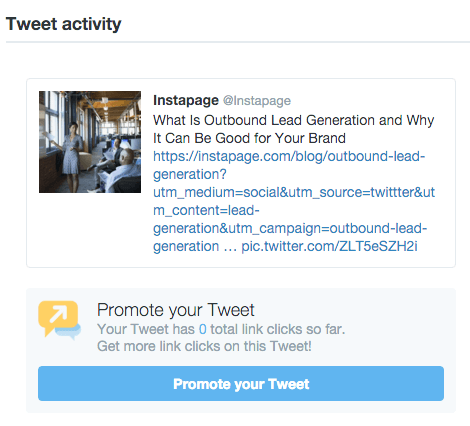
Promoted tweets can be a clever way to get your brand in front of the right eyeballs. What you pay is far from fixed, as twitter advertising costs may move with your objectives, your target market, and the advertisement style you choose. For online marketers and SEO specialists, understanding what to anticipate in terms of cost is crucial for organizing an effective twitter advertising campaign, no matter your location.
Most brands want to know what the going rate is and what gets you the most value for your money. Below is a quick look at Twitter (now called X) ad costs by format, using U.S. Dollars for clarity and the metric system where needed:
|
Ad Format |
Average Cost per Engagement (USD) |
Notes |
|---|---|---|
|
Promoted Tweet |
$0.50–$2.00 |
Cost per engagement (click, like, retweet) |
|
Promoted Tweet |
$0.01 to $0.11 |
Per first action (reply, favorite, click) |
|
Promoted Account |
$1.01–$2.00 |
For each new follower |
|
Video ads |
$0.50 to $2.00 or more |
Higher for longer or premium quality video ads |
|
Carousel Ads |
$0.50 to $2.00 or more |
Depends on engagement (multiple images/cards) |
What you pay depends a lot on what you want from your campaign. If your objective is to increase engagement by receiving more clicks, likes, or shares, you’ll be charged between $0.50 and $2.00 for every action taken on your tweet. This range is consistent with what most successful twitter advertisers experience.
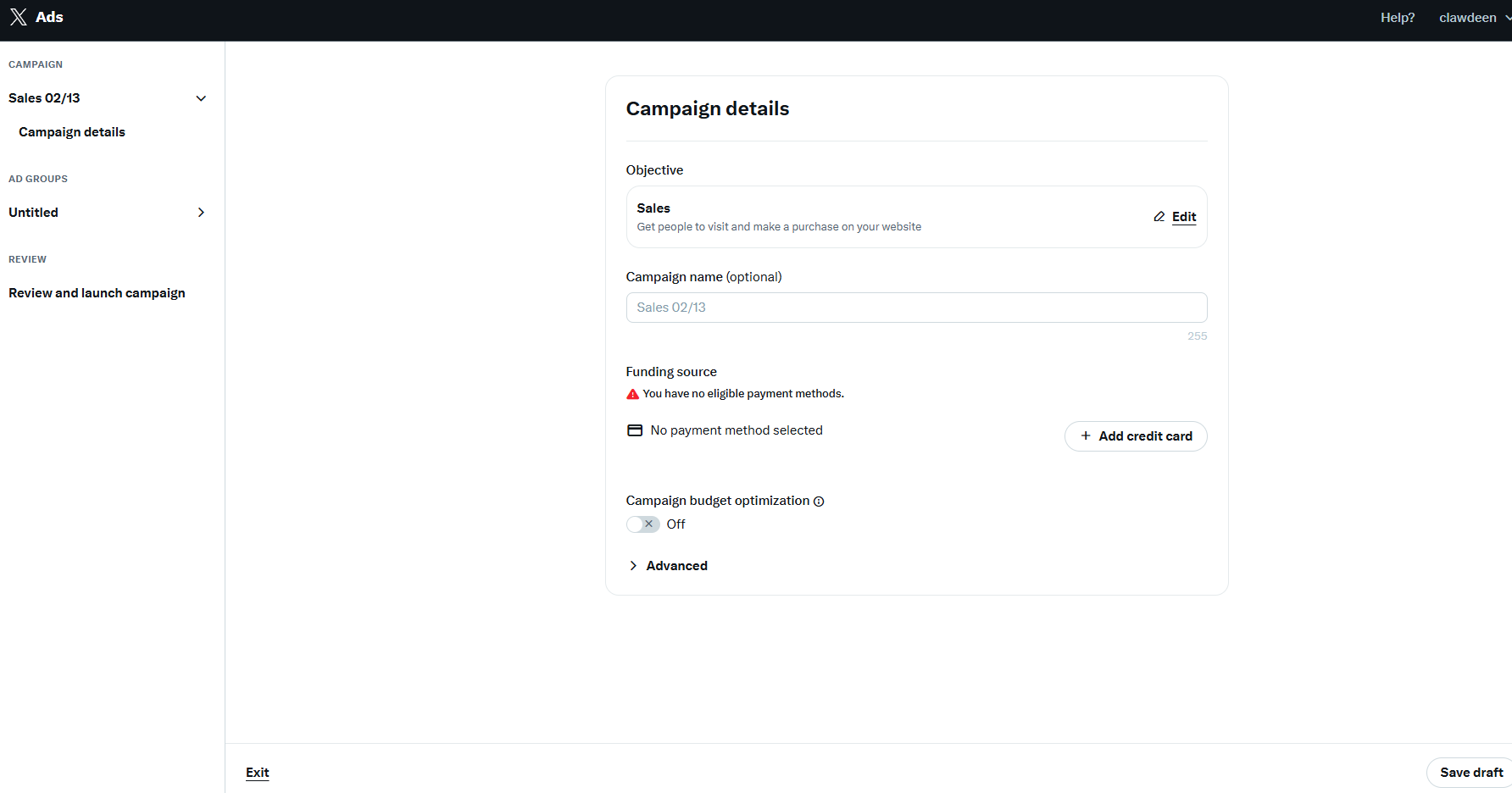
However, it can fall to approximately $0.26 for certain promoted posts if your timing and targeting are perfect. If you want to gain followers, it’s a bit pricier, generally $1.01 to $2.00 per new follower.
Most businesses find they need to budget $500 to $2,000 per month to notice results. That’s not just a number plucked out of the air; it captures the necessity of reaching enough people so the data actually signifies and your message gets absorbed. The minimum spend can be lower if you’re feeling your way, but for most campaigns, anything less than $500 a month won’t provide the reach or impact you seek.
Ad format matters. Video ads and carousel ads can cost more than simple promoted tweets. Videos require a higher budget as people invest more time in them while carousel ads provide users with additional methods to engage with your content, potentially increasing both engagement and expenses.
Choosing the proper format is a matter of balancing what grabs your audience and what suits your digital marketing budget.
What Determines Your Promotion Cost?
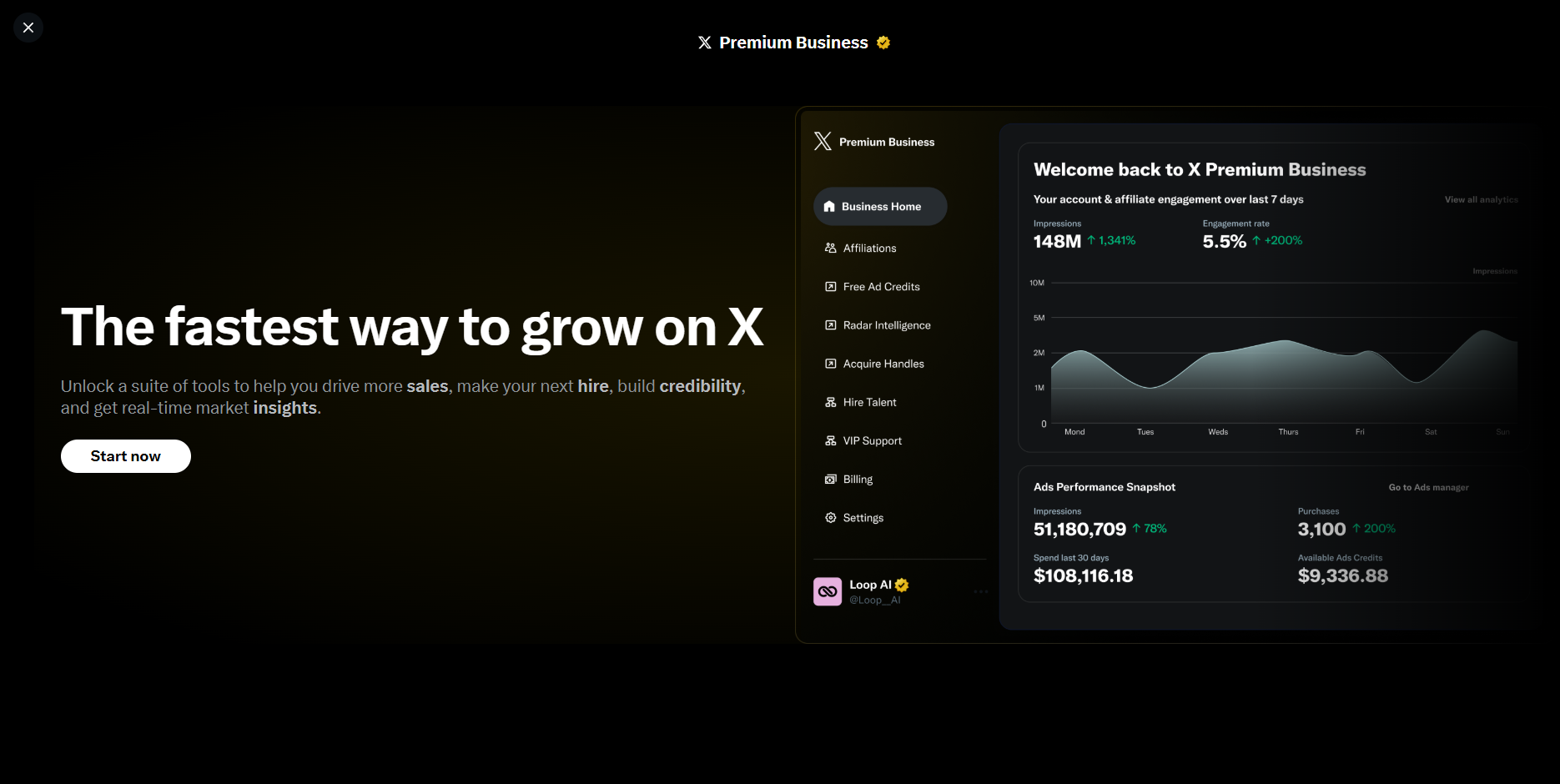
Twitter’s advertising costs are influenced by an auction-based system, where your campaign cost depends on your objectives, target audience, bid amount, ad quality, and market competition. Each of these factors can push the figures higher or lower, often in unexpected directions.
1. Campaign Goal
Your chosen objective establishes the theme for your ad spend. If you’re going for brand awareness, you pay per thousand impressions (CPM), whereas a campaign targeting clicks or sales goes for cost-per-click (CPC).
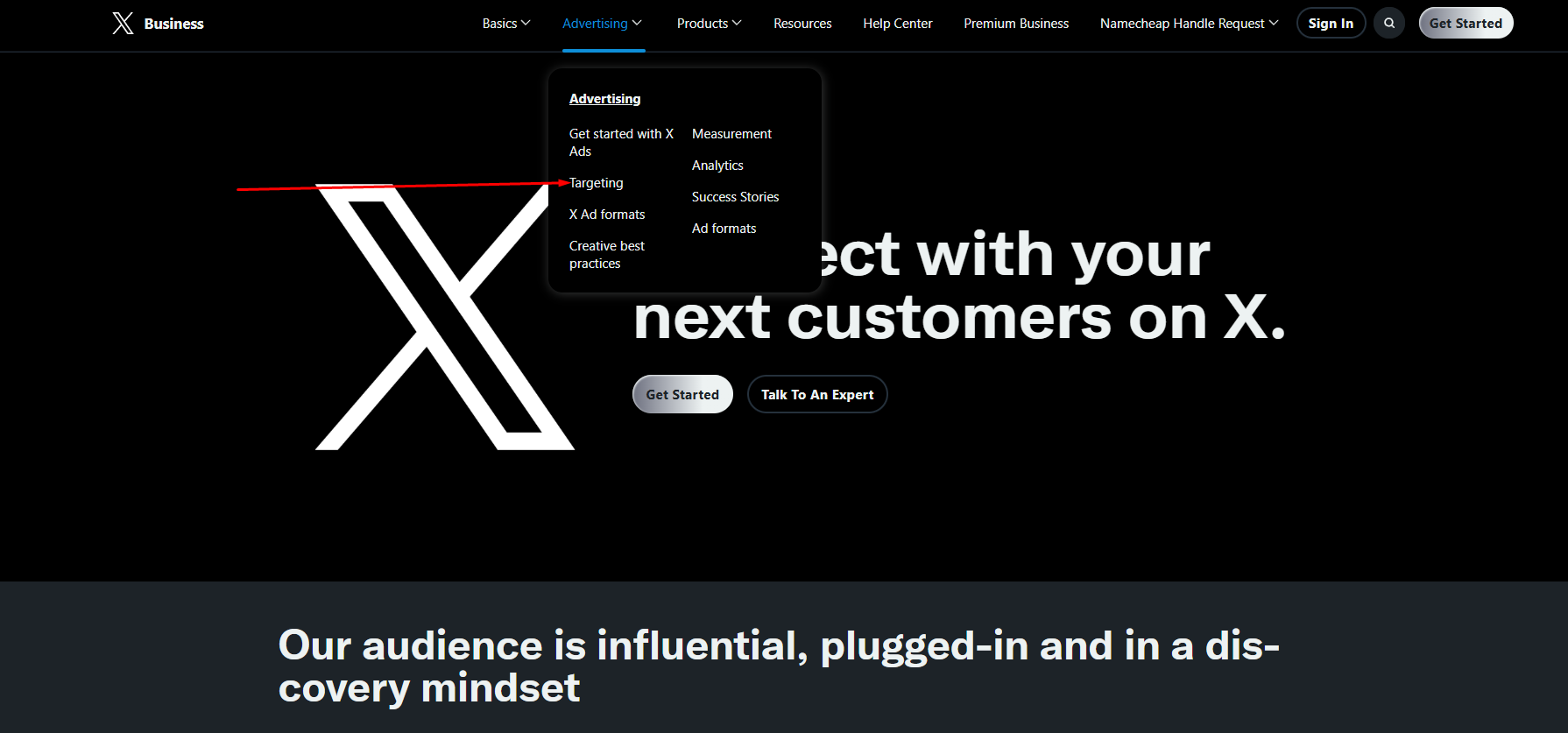
Looking for more followers? Then prepare to pay about $2.00 to $4.00 per follower. Generating website visits or engagement typically costs 50 cents to $2.00 for that action. Specific objectives guide your way. Monitoring clicks, conversions, or engagement allows you to know if the cost is worth it.
Big, complicated campaigns require bigger budgets. If you’re starting a worldwide brand awareness push, your costs pile up quickly against a tiny, local engagement campaign.
2. Audience Targeting
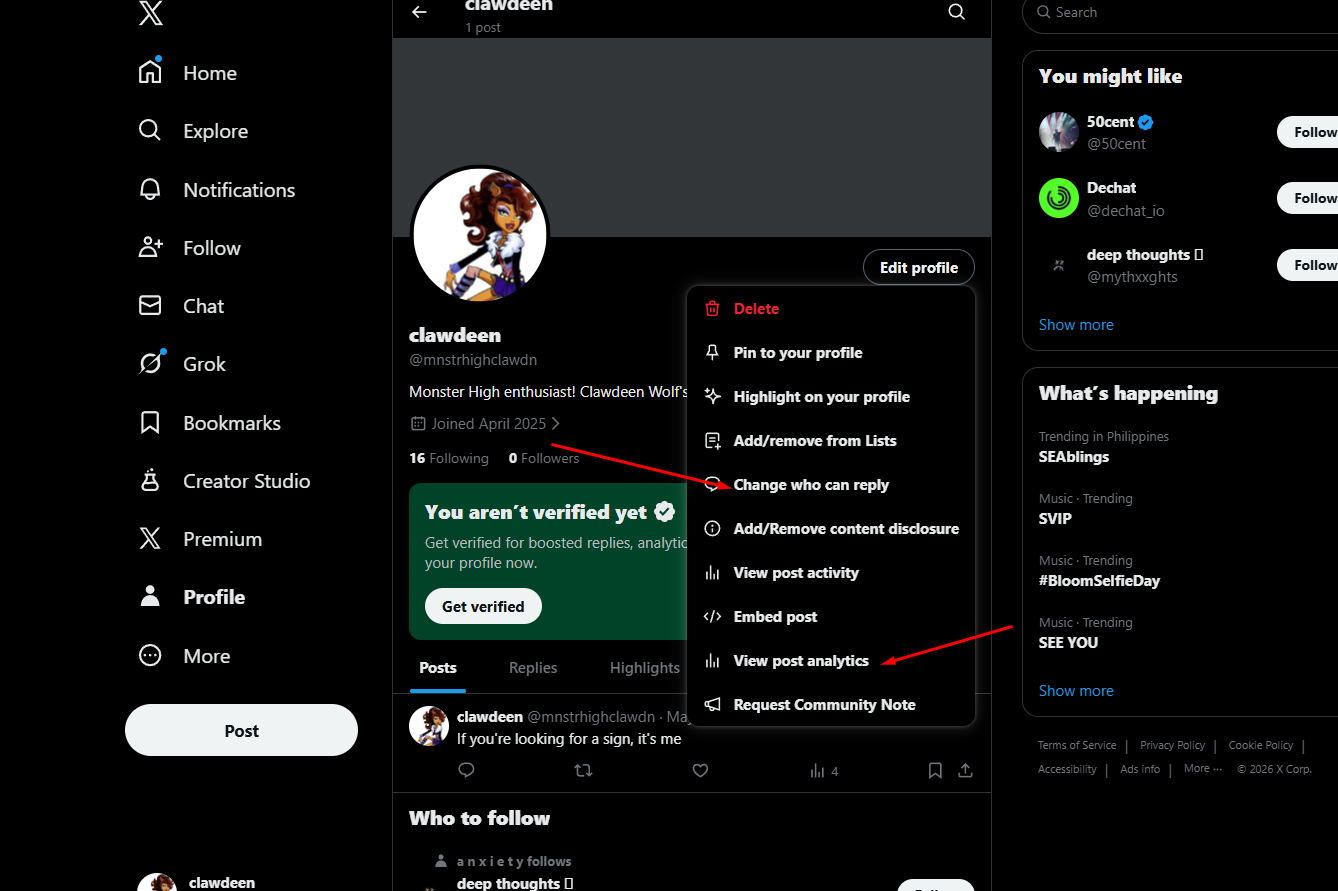
Targeting the right audience keeps your cost down. By limiting who sees your tweet—say, by interest, age, or location—you make every penny matter. Segmentation increases engagement because your ad is addressing people who have an interest.
If you’re pushing a sports brand ad, targeting users with an interest in fitness should get better results than a generic push. Watching how various audience segments respond allows you to optimize for improved performance and fewer wasted impressions.
Over time, you’ll notice what works and shift your spend to the highest performers.
3. Bidding Strategy
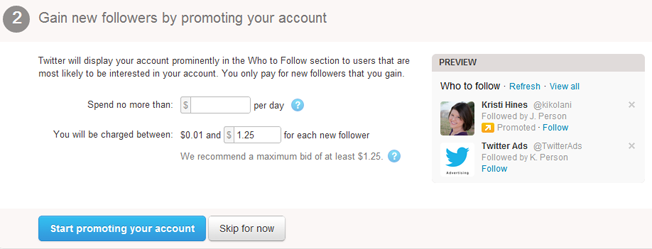
Twitter provides you more than one way to bid. With CPC, you pay only when someone clicks. CPM means you pay for each 1,000 impressions. Manual bidding allows you greater control over your maximum spend and lets you optimize as you learn.
Automatic bidding allows Twitter to come up with the best results they can find within your budget. It’s easier but can imply less control. Keep in mind, you’re not bidding in isolation. You’re bidding against other brands, particularly during major events or peak season, which can drive costs up.
4. Ad Quality
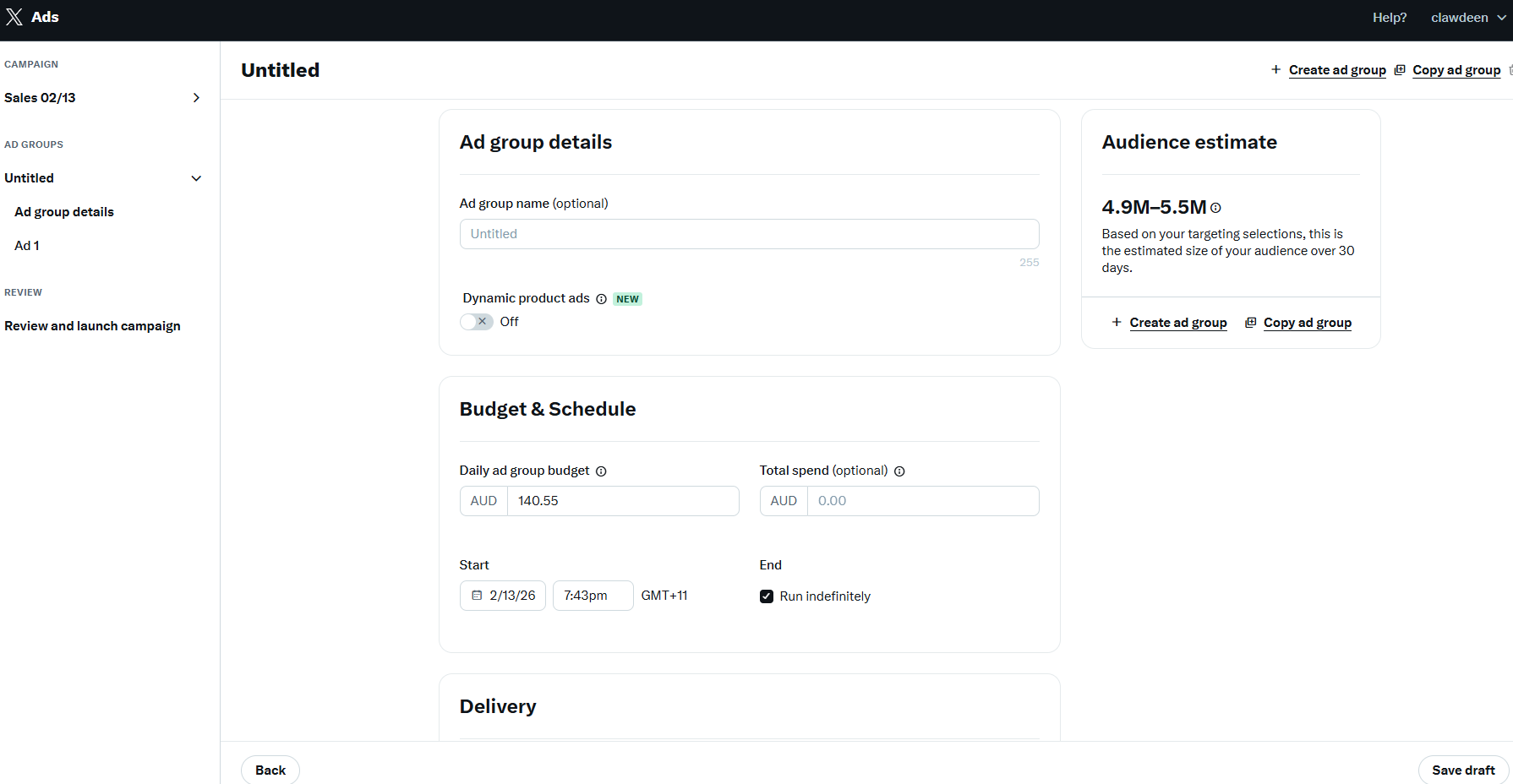
Ads that get noticed and are relevant get better results at a lower cost. Twitter prices ads based on quality, giving better rates to better ads. Clean images and neat copy are important.
Try different formats and copy with A/B testing to see what hits home. By tracking your ad quality score, you keep costs down and your campaign competitive. If your creative resonates with your audience, you will observe increased engagement at a lower cost.
5. Market Competition
The more brands scrapping for attention, the greater your expenses. Major events like the Super Bowl, holiday sales, or elections make ad spots more expensive. If you see spikes, it’s probably because everyone else is increasing their bid to remain visible.
By reflecting on historical trends or seasons, you can more effectively plan your campaigns and budgets for when the competition is at its strongest. Adjusting your bid to market changes keeps you competitive without overspending.
How to Set Your Budget
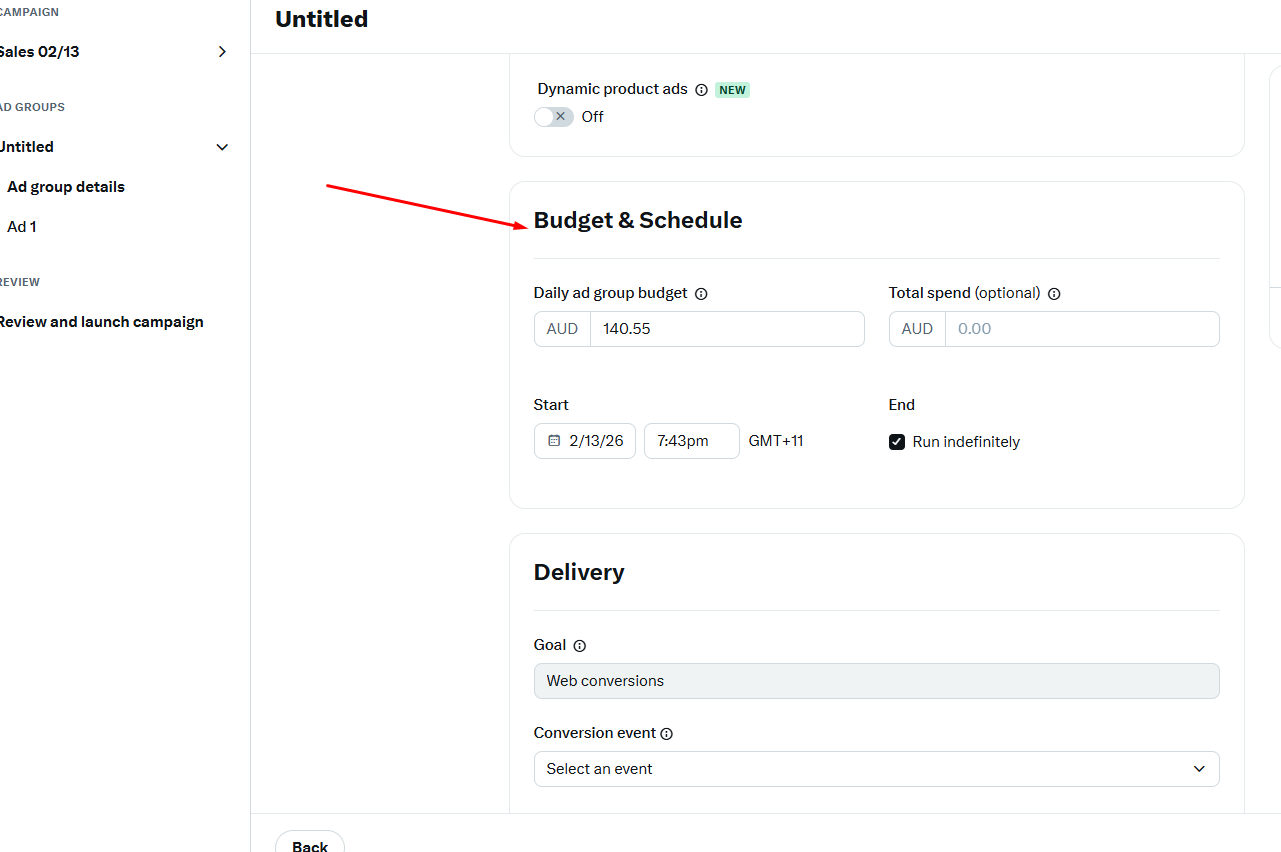
Getting your budget for promoting a tweet right begins with understanding your boundaries and having explicit objectives. The twitter advertising costs to promote a tweet aren’t cookie-cutter. They are molded by your audience, your market, and what you aspire to receive from each campaign. A savvy budget keeps you in the driver’s seat, prevents shocks, and allows you to adjust as you learn more about your twitter advertising campaigns.
- List your main goals for the campaign.
- Review your overall ad budget for the month or year.
- Pick the percentage for social media, usually 6%–30%.
- Determine how much you want to allocate for X (Twitter) ads.
- Divide the amount down further into daily or campaign budgets.
- Twitter lets you use its tools to set your bid for each action.
- Monitor results and adjust your budget if necessary.
Choose a daily or lifetime budget to keep your spending on track. If your digital marketing budget is $5,000 a month and you allocate 20% for social media, that’s $1,000. Of that, maybe $300 to $600 goes only to Twitter ads. You can run a daily budget of $20 per day for a 2-week push or a total limit for the entire campaign. That really depends on what your goals are and how quickly you want results from your twitter ad campaign.
Different Promotion Methods
Promoting a tweet on Twitter is all about selecting the method that fits your objectives and budget. Marketers and agencies have two main routes: Quick Promote or Twitter’s Ad Manager. Each one suits a different type of campaign, and both have their own expense structures and advantages. Understanding the distinction can assist you in making the best choice for your brand or client, especially when considering the overall twitter advertising costs.
Quick Promote
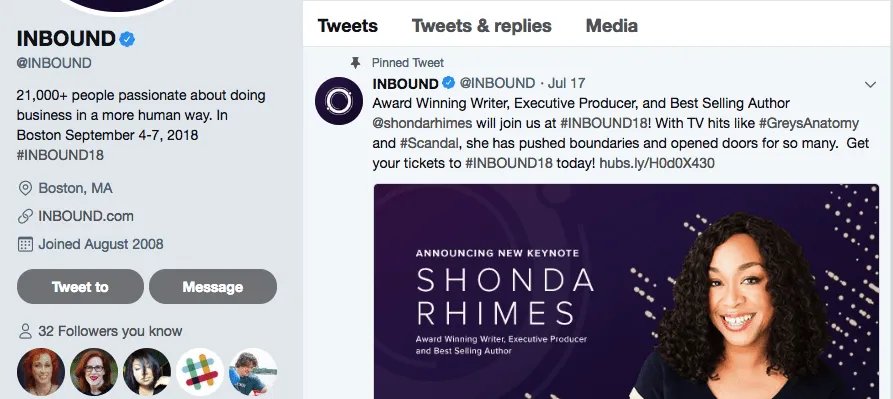
Quick Promote is made for speed and efficiency. If you need to promote a tweet quickly, like for a flash sale or new product launch, this tool allows you to create an ad in just a few clicks. You don’t need deep ad expertise or a lot of lead time. Simply choose a tweet, target your audience and budget, then launch live, making it an effective twitter promotion strategy.
Most brands on Quick Promote begin with a daily spend minimum of $30 to $50. This technique is great for getting fresh eyeballs fast without diving into the weeds of fine targeting. It usually costs between $0.50 and $2 a click or follow, depending on your target audience and the timing of your campaign. If you want something simple and don’t need advanced features, Quick Promote is a sure thing for those looking to maximize their twitter ads budget.
Twitter’s Ad Manager
For more involved or big-bang efforts, Twitter’s Ad Manager unlocks fine-grained audience targeting, scheduling, budget controls, and creative testing. This is where agencies and bigger brands can optimize every piece of their ad spend. The typical monthly spend for efficient campaigns here is $500 to $2,000, allowing for a more robust advertising campaign.
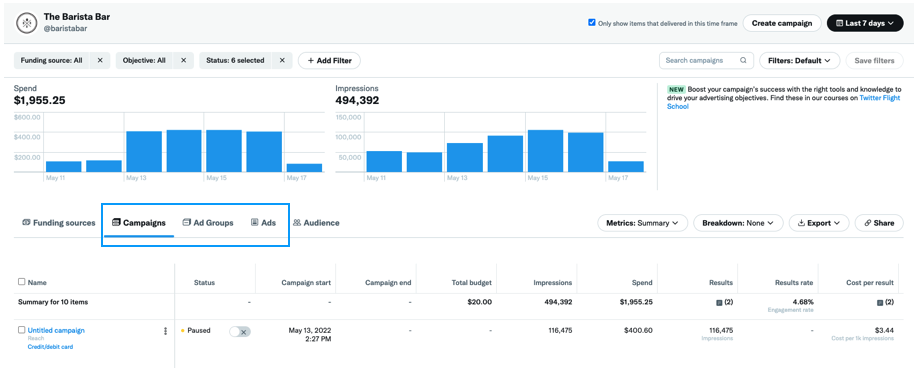
Large brands or international campaigns can easily spend thousands a day, particularly when targeting whole regions or running video ads. Promoted accounts are roughly $0 to $4 per new follow. Promoted tweets often hang in that same $0.50 to $2 per action range. Ad Manager lets you in on premium placements, like Promoted Trends, which are very high-profile but can run over $200,000 per day. It’s not for every marketer, but it’s good to know the option is there for big launches or brand awareness pushes.
Cost Comparison and Practical Advice
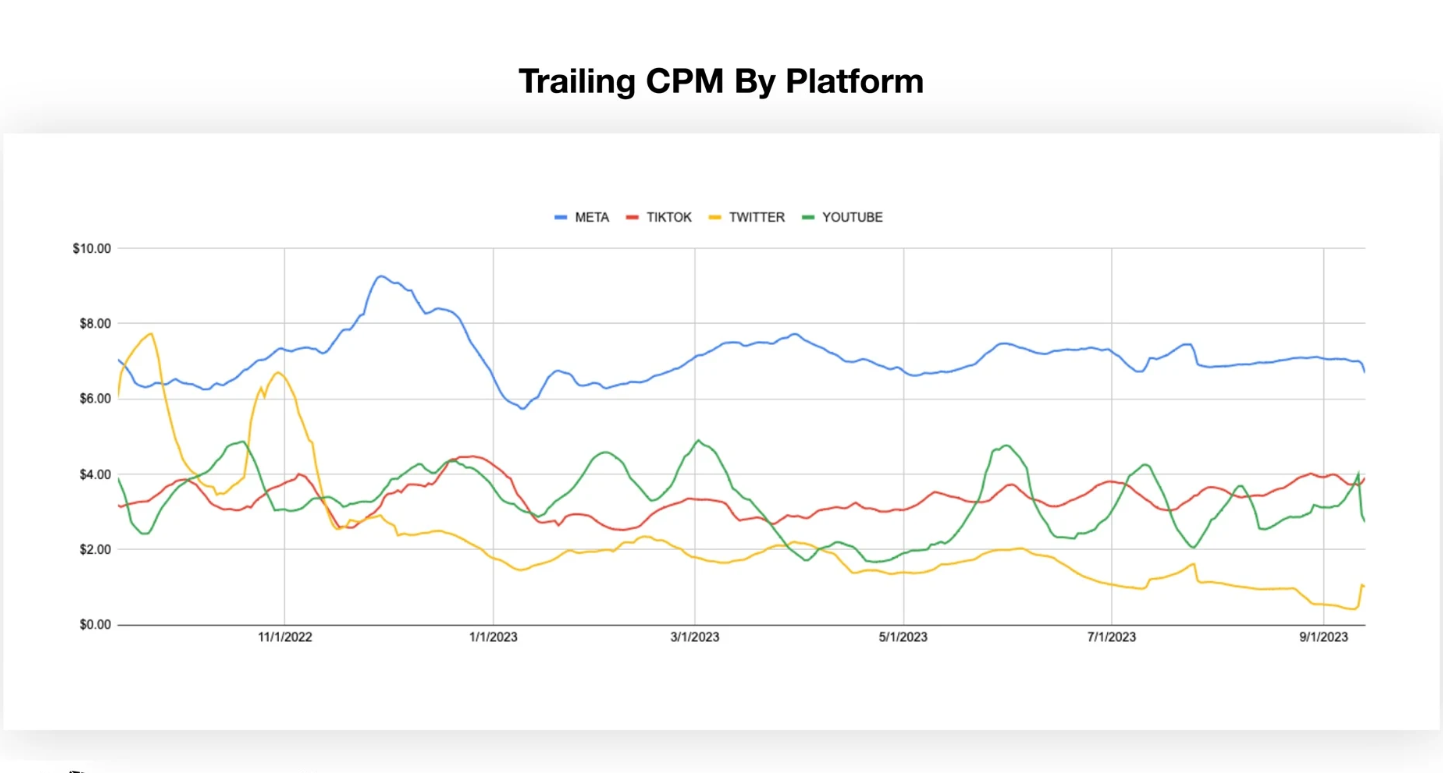
Twitter’s CPMs are among the lowest of any social platform, making it very cost-effective for reach-focused campaigns. Most companies do well with daily budgets on the smaller side, increasing as results come in. Tweets with explicit copy perform better, with 18% more clicks and 29.8% more retweets, so stick to straightforward, crisp messaging to enhance your campaign performance.
We try different formats and budgets, which helps us find what works for each audience. Agencies typically begin at a small scale, find what resonates, and then expand for greater effect and reach, ensuring they stay within their digital marketing budget.
How to Measure Your Success
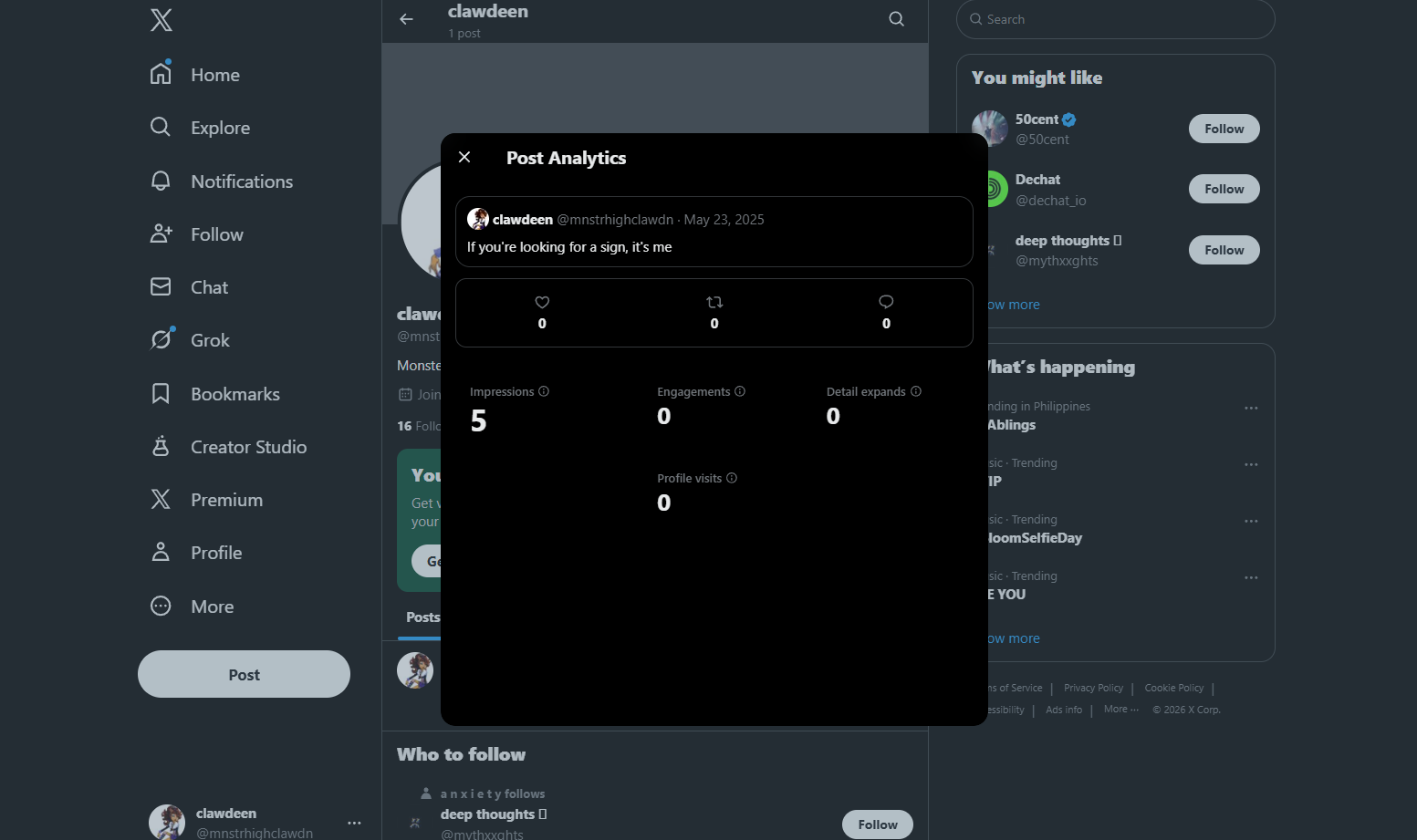
Ultimately, tracking the real value of promoting a tweet is about reading the right signs. Twitter advertising campaigns present you with a few campaign goals, such as driving website clicks, increasing engagement, or acquiring followers. These decisions define both your objectives and what you ultimately pay, so selecting the one that aligns with your intention is critical at the outset.
Just be smart and go back on your tweets to look for ones that had high engagement or reached more eyes. That way, you know what your audience enjoys before you spend to promote another tweet using your twitter ads budget.
Numbers are important in this regard. The three biggies are engagement rates, CTR, and conversions. You can verify these with Twitter’s own analytics tools, which display how each tweet compares. A table makes it easy to see the score at a glance:
|
Metric |
Definition |
Example Value |
|---|---|---|
|
Engagement Rate |
% of users who interact with your tweet |
5.4% |
|
Click-Through Rate |
Percentage of users who click a link in your tweet |
1.8% |
|
Conversions |
Number of users who take your desired action |
150 |
Easy ads, only 50 to 100 characters, generate most clicks and retweets. Clear and concise ads received 18% more click-throughs and almost 30% more retweets than long or vague ads. There’s genuine evidence that less is more when it comes to twitter advertising.
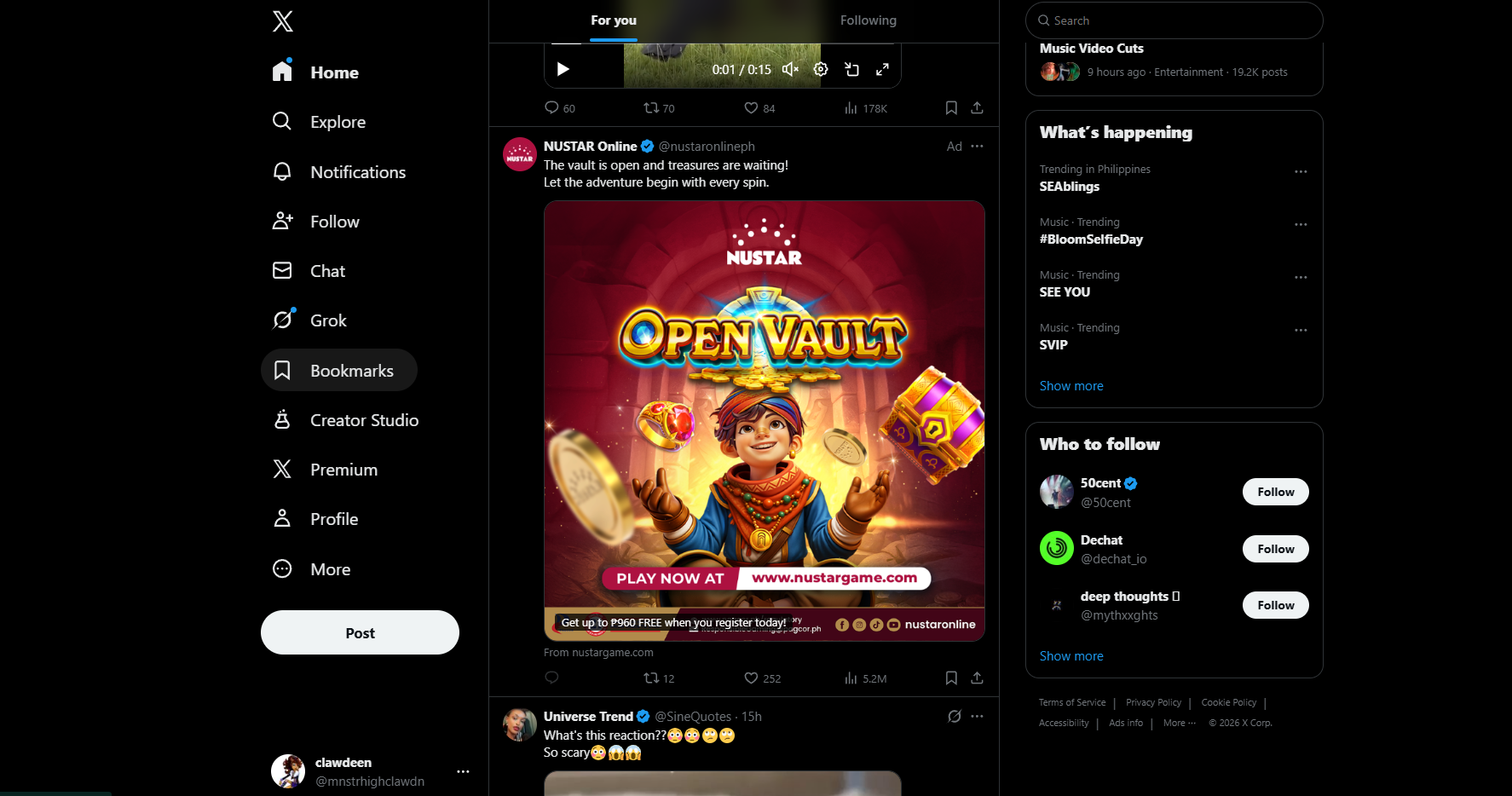
Running multiple tweets per campaign provides the Twitter algorithm with additional data, allowing your optimal tweet to sparkle and travel to the individuals most inclined to do something about it. If you’re interested in testing the waters with Promoted Trends for premium exposure, remember it ain’t cheap.
These can run over $200,000 a day, so it’s a significant step best reserved for large-scale campaigns with serious budgets. If you want to actually judge your spend, check your CPM, which is what you pay for every 1,000 views or engagements.
Contrast this to what you’d pay on other social media platforms to determine if you’re receiving value for your dollar. A daily budget keeps spending in check. If you have $500 to spend for a month, break it down to about $16 per day and check your results daily.
Modify your bids, pause low-performing ads, and lean into what’s working. This nice feedback loop not only helps you reach your goals, it keeps you from exhausting your budget on ineffective tweets.
Conclusion
Promote tweet cost could not be more easy or affordable. Prices move depending on your objectives, your bid, and your audience. Some brands are spending only a few bucks while others are investing far more. Specific objectives and budget keep you focused. Make incremental moves, experiment with what works, and monitor your stats. Small shifts yield big gains. How much does it cost to promote a tweet? Need assistance to figure it out or want to amplify your reach? Talk to SirLinksALot. Real tips, no fluff—just straight answers that’ll help you grow.
Frequently Asked Questions
How much does it cost to promote a tweet?
Promoted tweets typically cost $0.35 to $2.00 USD per click, engagement, or action, with the true cost varying based on your audience and competition in your twitter advertising campaigns.
What factors affect the cost of promoting a tweet?
Your twitter advertising costs vary based on your audience, ad relevance, competition, and objectives, with highly competitive topics or audiences tending to be more expensive.
Can I set my own budget for promoting tweets?
Yes, you control your spending within your twitter advertising budget by setting daily or total limits.
What are the payment methods for promoted tweets?
They generally accept all the usual credit cards, bank transfers, and a few digital options, which may vary by country, impacting advertising costs.
Are there different ways to promote tweets?
Yes, promote tweets directly using various ad options, or select advanced ad objectives like website visits or app installs.
How do I know if my promoted tweet is successful?
Click, engagement, and conversion define success in social media advertising. Leverage the platform’s analytics to monitor your results and adjust your twitter advertising campaign.
Are there any hidden fees when promoting tweets?
There are generally no hidden charges in social media advertising; you merely pay for the outcomes you decide on, such as clicks or impressions. Be sure to check the platform’s advertising costs in advance.