Key Takeaways
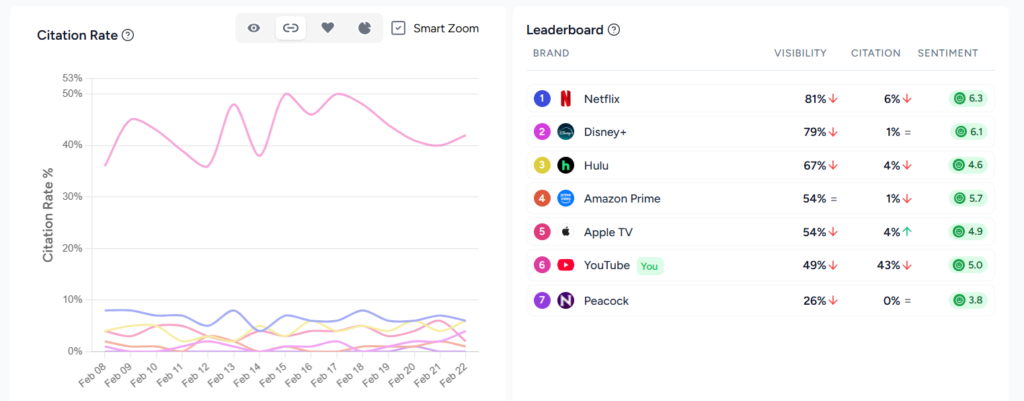
- In AI search, the reference rate (often called the citation rate) measures how often an AI model links back to the original external sources it used to formulate an answer.
- This metric is critical for digital marketing; a higher reference rate from an AI engine means more opportunities for publishers to capture organic traffic.
- Unlike traditional search engines that provide a list of links, AI search engines synthesize information, making explicit citations the primary driver of inbound clicks.
- Optimizing for AI reference inclusion requires a shift in strategy, focusing on authoritative formatting, original data, and clear entity relationships.
Reference rate in the context of artificial intelligence refers to the benchmark of how frequently an AI search tool attributes its generated answers to external sources via clickable links. As search behavior shifts from traditional link-clicking to conversational AI summaries, understanding this mechanism is vital for SEO professionals and content creators trying to maintain visibility and estimate organic traffic.
What is a Reference Rate?
1. Core Definition
When an AI search engine uses Retrieval-Augmented Generation (RAG) to answer a user’s prompt, it scours the web, retrieves relevant information, and synthesizes a response. The reference rate is the proportion of that generated text that is actively anchored to a source link.
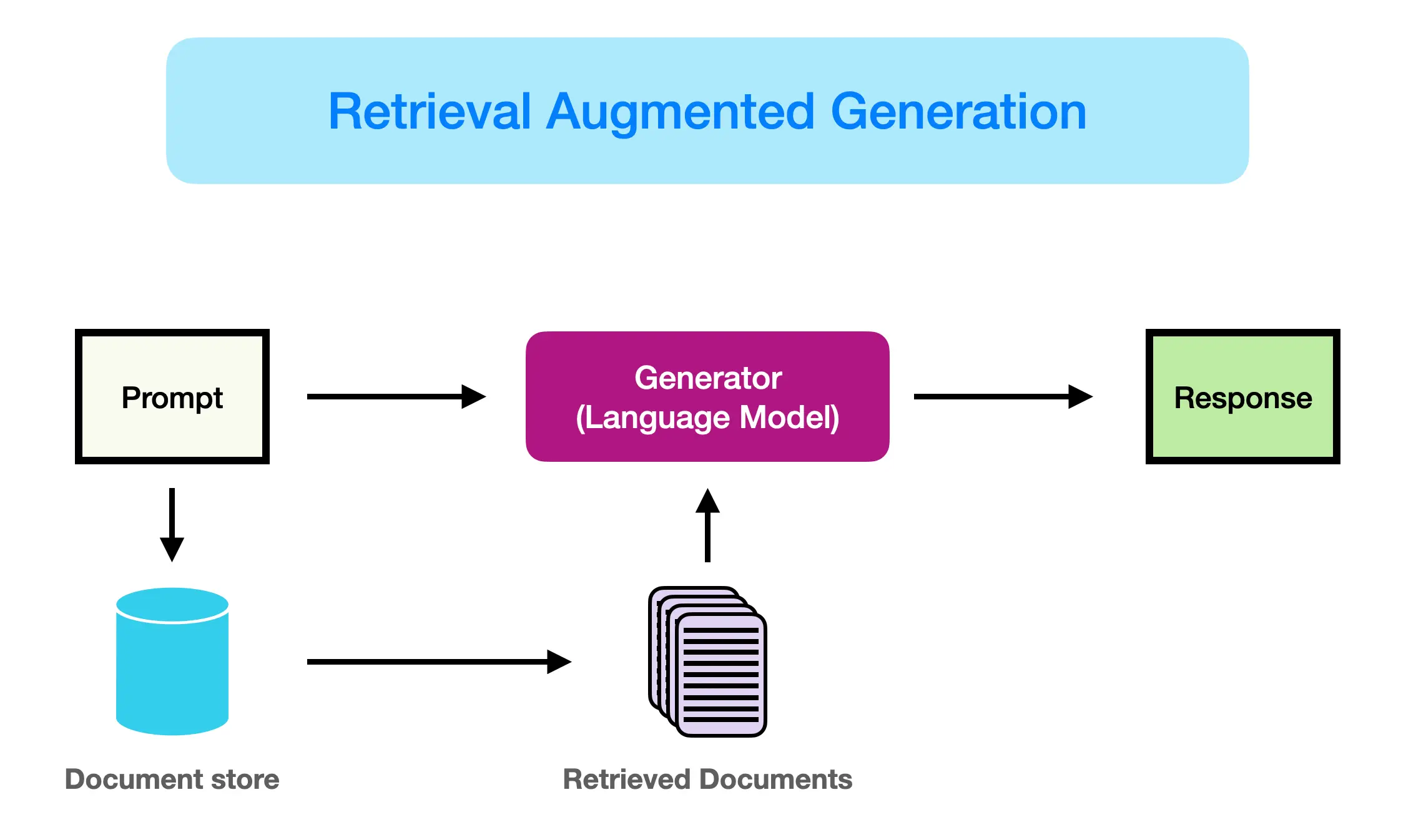
If an AI engine has a high reference rate, it frequently provides footnotes or hyperlink cards directing users to the publishers. If it has a low reference rate, it acts more like a “zero-click” oracle, providing the answer without passing any traffic back to the creators of that information.
2. Why it Matters for Digital Strategy
The transition from traditional search to AI search fundamentally changes the mechanics of web traffic. In standard search, ranking in the top three spots guarantees visibility. In AI search, if your content is absorbed and regurgitated without a citation, you receive zero traffic.
For teams managing SEO, orchestrating guest posting campaigns, or balancing PPC budgets, the reference rate of major AI platforms dictates strategy. A search environment with a very low reference rate chokes off organic inbound traffic, often forcing brands to rely more heavily on paid social media marketing or direct advertising to maintain their audience base.
3. How AI Determines What to Reference
Not all content gets referenced equally. AI search engines rely on specific signals to determine which sources are trustworthy enough to cite:
Trust and Authority
AI systems heavily favor high-authority domains. A reputable, well-established site is far more likely to be cited as the definitive source of a fact than a newer, unverified blog.
Original Data
AI models are designed to find the origin of a claim. Articles that feature original research, proprietary data, or unique quotes have a much higher likelihood of being referenced than articles that simply aggregate existing information.
Content Structure
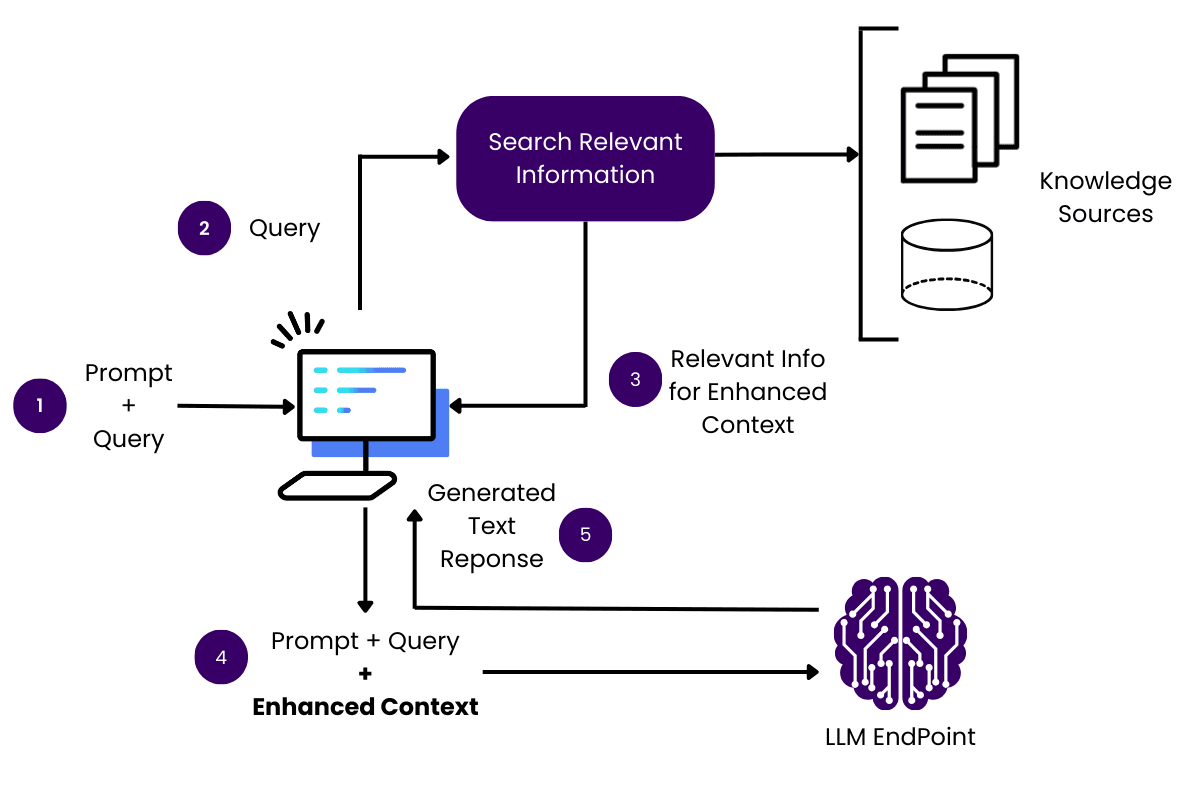
RAG systems extract information using natural language processing. Content that is structured cleanly—using clear headings, bullet points, and concise, definitive answers—is easier for the AI to parse, extract, and subsequently reference.
4. Strategies to Increase Your Inclusion Rate
To adapt to an environment where AI reference rates dictate traffic, content strategies must evolve:
- Optimize for Direct Answers: Structure your content to directly answer specific questions early in the text.
- Focus on Information Gain: Ensure every piece of content adds net-new information to the internet. If a guest post or article simply repeats what is already out there, the AI has no reason to cite your specific link.
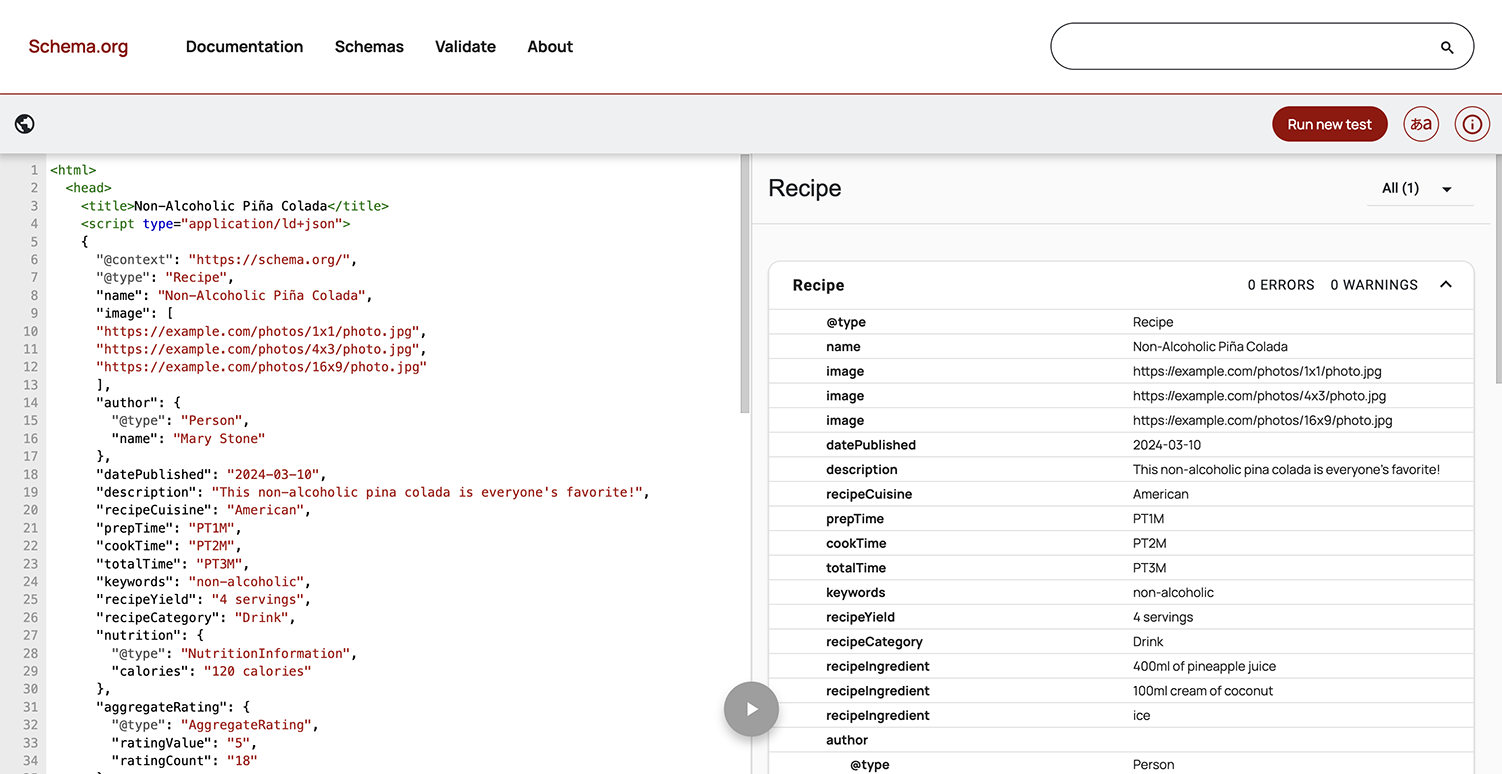
- Utilize Schema Markup: Technical SEO still matters. Using schema markup helps AI crawlers understand the context and entities within your content, increasing the chances it is categorized correctly and retrieved during a relevant prompt.
Conclusion
As AI search continues to evolve, the reference rate will remain a battleground between AI developers (who want to provide seamless answers) and publishers (who need traffic to survive). For anyone involved in digital content, tracking how these platforms cite their sources is no longer optional. By understanding how AI retrieves and references data, you can pivot your content strategies to ensure your work remains visible, clickable, and relevant in the new search landscape. Navigating these shifts can be complex, but you don’t have to do it alone; for expert guidance and robust link-building strategies that adapt to these changes, reach out to the team at SirLinksALot.
Frequently Asked Questions
What is a reference rate in AI search?
In AI search, the reference rate (or citation rate) is the frequency with which an AI model provides a direct, clickable link to the external source it used to generate its response.
Why are AI reference rates important for digital marketing?
As users increasingly rely on AI overviews instead of scrolling through traditional search results, explicit citations are becoming the primary driver of organic traffic. If an AI uses your content but doesn’t link to it, you lose that inbound traffic.
How do AI search engines decide which sources to reference?
AI systems look for strong signals of trust and authority. They favor established domains, content that provides original data or unique insights (information gain), and pages with clear, machine-readable formatting (like direct answers and schema markup).
Are reference rates the same across all AI platforms?
No. Each AI search tool (such as Perplexity, Bing Copilot, or Google’s AI Overviews) has its own proprietary methodology. Some platforms prioritize heavy citation for almost every claim, while others tend to provide more “zero-click” summaries with fewer external links.
How can I optimize my content to be cited more often?
Focus on creating net-new information rather than just aggregating what’s already out there. Use clear headings, bullet points, and directly answer specific questions early in your text so the AI’s Retrieval-Augmented Generation (RAG) system can easily parse and extract your insights.
Will traditional SEO still matter in an AI-driven search landscape?
Yes, but the focus is shifting. Technical SEO (like site speed and schema markup) remains crucial for AI crawlers to understand your site. However, the content strategy must pivot from just targeting keywords to establishing topical authority and providing unique value that an AI is forced to cite.