Key Takeaways
- Weekly SEO analysis assists you in identifying problems that can restrict your website’s exposure and organic visitors, allowing you to maintain an edge in search rankings.
- Focusing on technical health like page speed and mobile responsiveness, ensures that your users and search engines can easily use your site.
- Top-notch relevant content that aligns with user search intent entices users to engage and reduces bounce rates. This increases the perceived value of your site.
- Keeping an eye on and enhancing your backlink profile can give a remarkable lift to your site’s authority and search rankings.
- AI-powered tools make SEO audits easier and more insightful. They allow you to swiftly pinpoint and act on optimization opportunities.
- It’s about understanding and adapting to user intent, not just metrics, that creates more meaningful connections with your audience and drives long-term SEO success.
SEO analyze page is a web page ranking checking tool. Key steps include checking keywords, page speed, links, and meta tags.
Both have a tangible effect on how users discover your site and linger on it. For SEO buyers and agencies, knowing how to spot weak points and strengths shapes smart strategies.
Why Analyze Your Page?
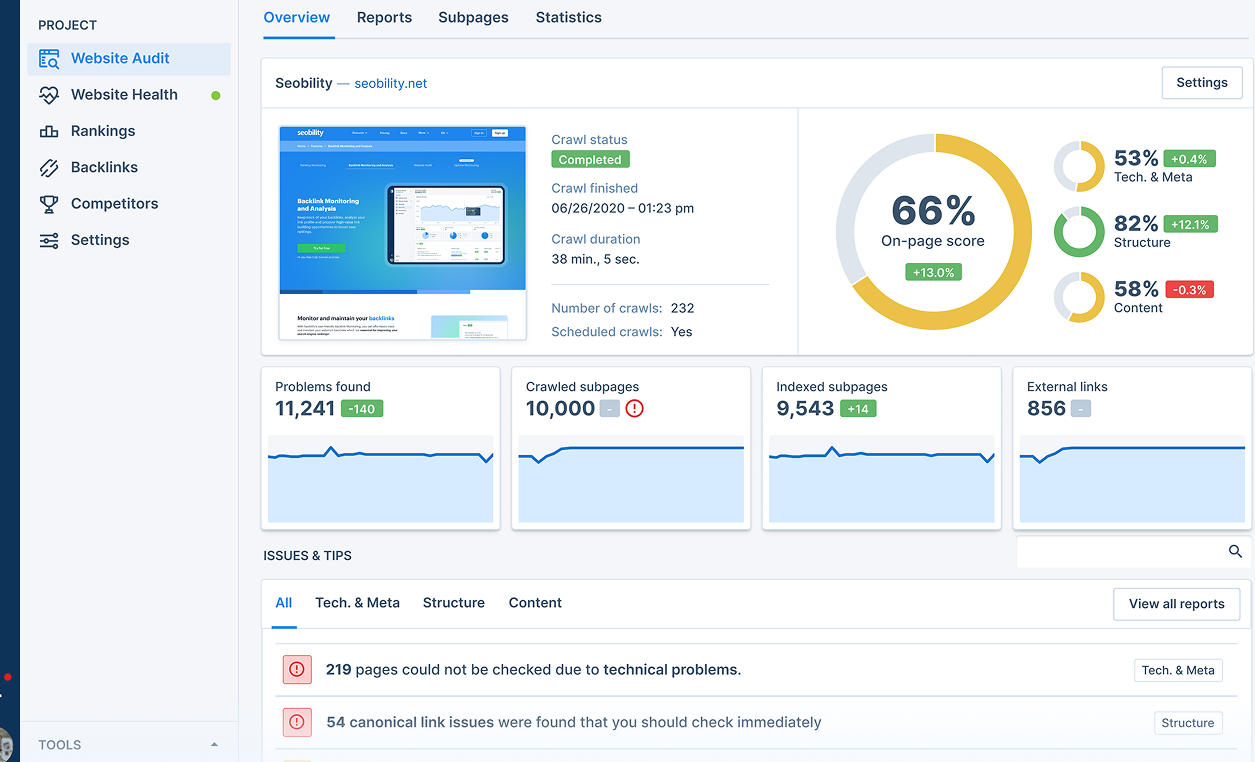
That’s why your SEO site checkup is key if you want to be found and want your site to continue running well. It’s not enough to just look for keywords – search engines scan for your page’s architecture, speed, and user sentiment. A complete SEO audit provides you with a specific action plan to identify vulnerabilities and get tangible results.
A good SEO analyzer tells you what’s holding your site back. Stuff like broken links, slow page speed, and missing tags can harm both your rankings and user experience. For instance, nothing drives users away like a broken link, which they might avoid and are unlikely to ever come back to.
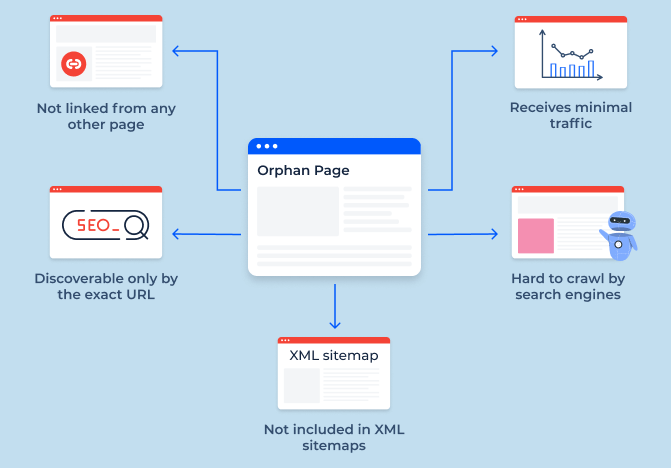
If your site has orphan pages, search engines may never discover or index them. Redirect chains and duplicate content can bog things down and make it difficult for users to locate what they need. All details might be missed without a careful glance.
SEO is not a once and done task. Search engines are always tweaking their rules, and the way people surf around evolves, too. That’s why checking in at least quarterly is so important. You’ll identify SEO issues before they get big.
Even things like missing metadata or old headings can creep up and drag your rankings down over time. Through page analysis, you can check your web page’s loading speed as well as user navigation. This is where metrics such as core Web Vitals come into play.
If your site loads slowly, they leave and rankings drop. Fiddling with images or scripts after a review can optimize your site and retain users. Examining your page’s user data is essential for growth.
Bounce rates and how long people stay on your page indicate what’s working and what should be improved. If they leave immediately, then perhaps your content is confusing or your site is hard to navigate. By watching out for these symptoms, you can repair issues quickly.
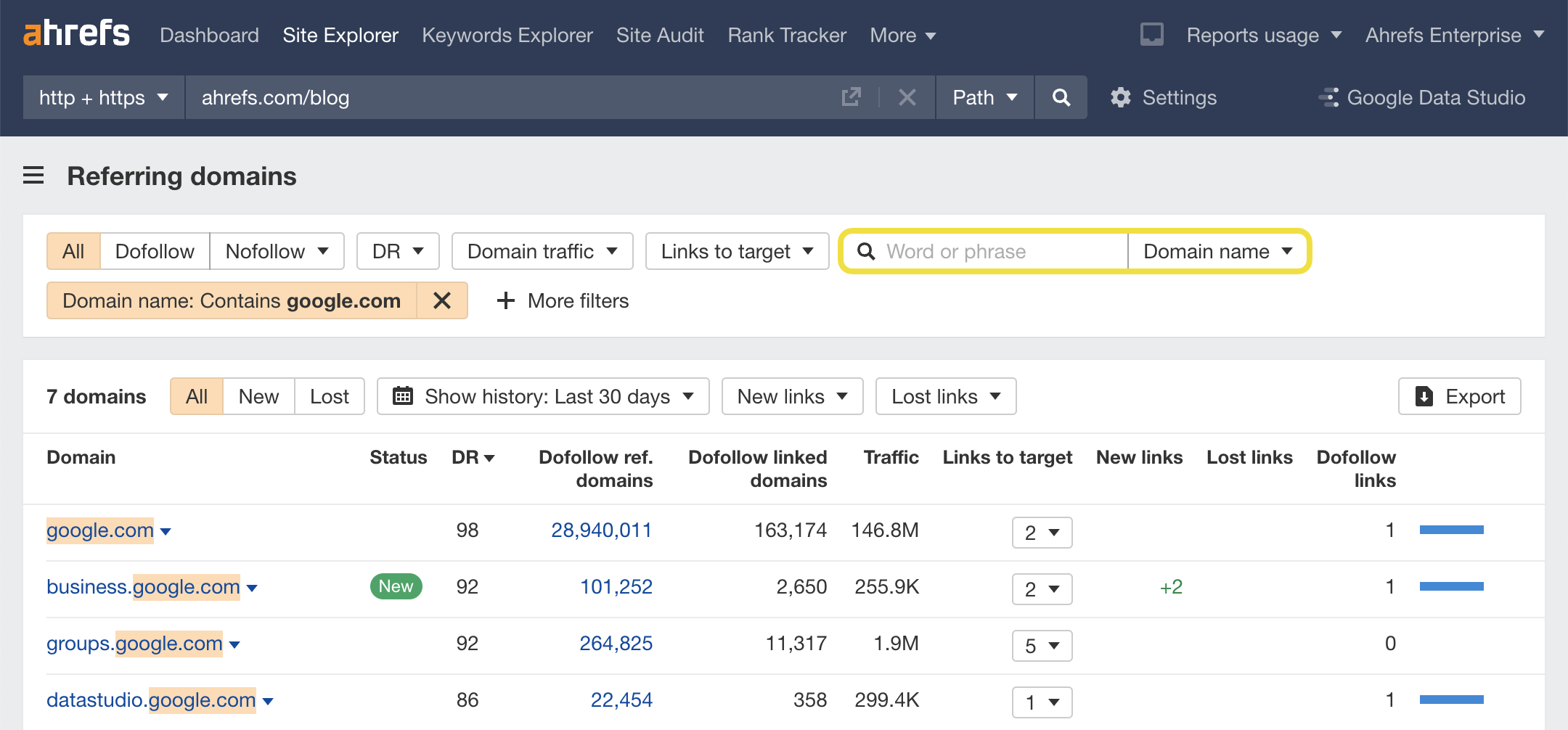
For good measure, your backlink profile analysis shows you where you can gain new links and increase off-page authority. Pages with nice, natural links tend to rank higher.
Content and structure reviews help you identify missing holes in your keyword map. Perhaps you’re overlooking long-tail or semantic terms people look up. Or perhaps your keywords are all over the place and could use some grouping.
Bridging these gaps can help your page appear for more searches and better serve readers. Don’t just chase rankings, overlook mobile users, or depend on AI-written content. These mistakes hurt you.
The SEO Analysis Process
A systematized SEO analysis assists in identifying vulnerabilities, maintaining smooth operations, and enhancing site rankings. This is a process, not a one-and-done task. Regular audits at a minimum of twice annually keep teams ahead.
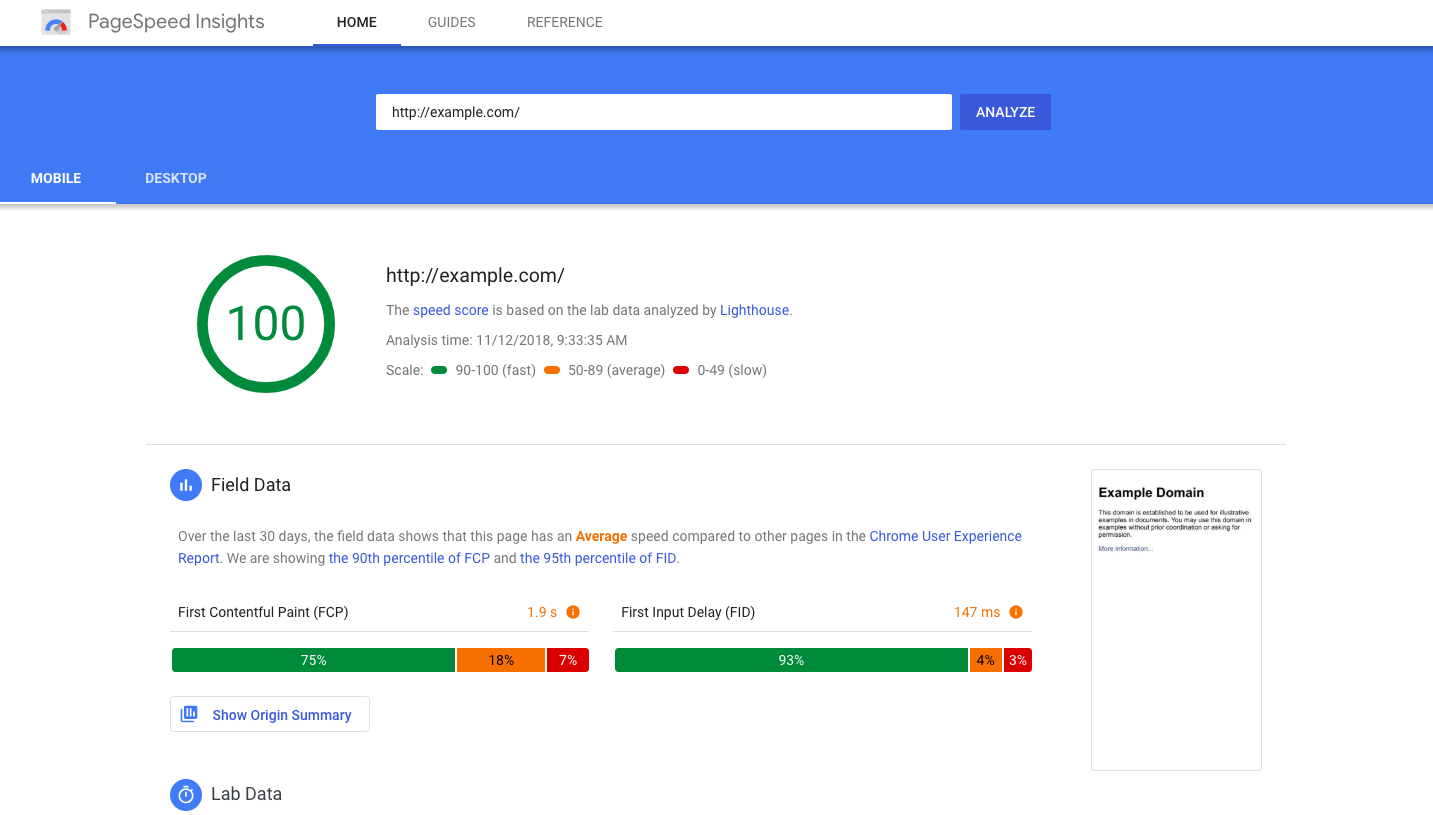
Leveraging tools such as Ahrefs, Moz, or Google PageSpeed Insights allows you to measure what counts, monitor your progress, and make informed adjustments. The analysis covers four main areas: technical health, content quality, user experience, and link profile. They all play a part in how users and search engines perceive your site.
1. Technical Health
Technical health checks begin with crawlability and indexability, as these factors are essential for effective website performance. Search engines can’t crawl or index a site, so it won’t achieve better rankings. Utilizing an aioseo seo analyzer can help you identify orphaned pages and broken links. Temporary redirects, 404s, and missing canonicals often pop up in these scans, which can negatively impact your site’s SEO score.
Site speed is a significant factor in your overall website SEO. Slow load times make people bounce and can impinge on rankings. Tools like PageSpeed Insights identify what is causing your site to be slow, highlighting optimization opportunities. Ensure everything is mobile-responsive on all pages, as more users browse on phones now. Core web vitals, such as Largest Contentful Paint and Cumulative Layout Shift, provide critical information about performance and user experience.
A complete SEO audit should always include a look at site infrastructure. Server troubles, SSL certificates, and XML sitemaps are all pieces of a salubrious configuration. Addressing these technical SEO issues early keeps the site in good condition and poised for search engines.
2. Content Quality
Check your pages for keywords. Are they what your readers seek? Be sure keywords flow naturally and assist readers, not just search engines.
A page with compelling content holds your visitors. Thin, stale or off-topic content might result in high bounce rates. The top pages respond to queries, provide usefulness and connect to off-shoots.
Make sure your meta titles and descriptions are clear, accurate, and unique. They assist searchers in determining what your page covers prior to clicking. Routine content audits identify holes, stale information, or areas where you could go more in-depth.
3. User Experience
Navigation and layout should be intuitive for all users on any device. If visitors have to fight to find what they need, they’ll bolt. Gather input and analyze interaction data to identify those sticking points.
Fast loading and mobile-ready are musts. Check speed by tools and fix as necessary. Calls to action need to be straightforward and lead users to the next step.
4. Link Profile
Review all inbound links because quality trumps quantity. High-quality backlinks increase authority and confidence.
Develop relationships and gain links from reputable sources. Watch for link profile shifts to prevent issues and identify opportunities for growth.
5. Competitive Landscape
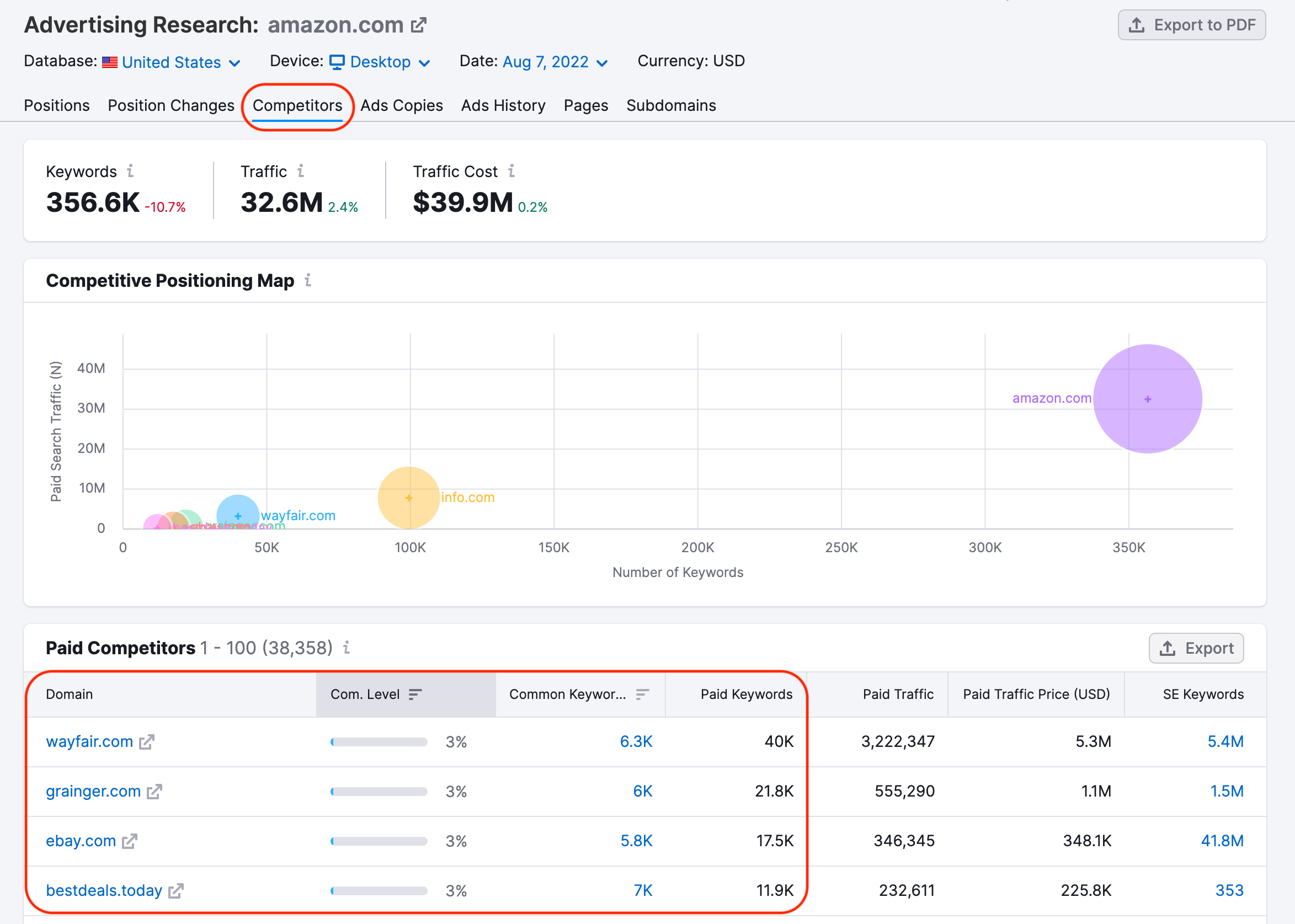
Snoop on competitor sites and find out what works for them. Compare keyword rankings to discover gaps or triumphs. Their best strategies can spark a brainstorm for your own strategy.
Continue monitoring search visibility and optimize accordingly. The web evolves rapidly, and your approach should too.
Essential Analysis Tools
It’s smart SEO work with the right tools. Choosing the right tools can save time, catch problems early, and assist even the smallest or least-funded teams achieve success. Most pros rely on a combination of dependable tools, each with its own advantages.
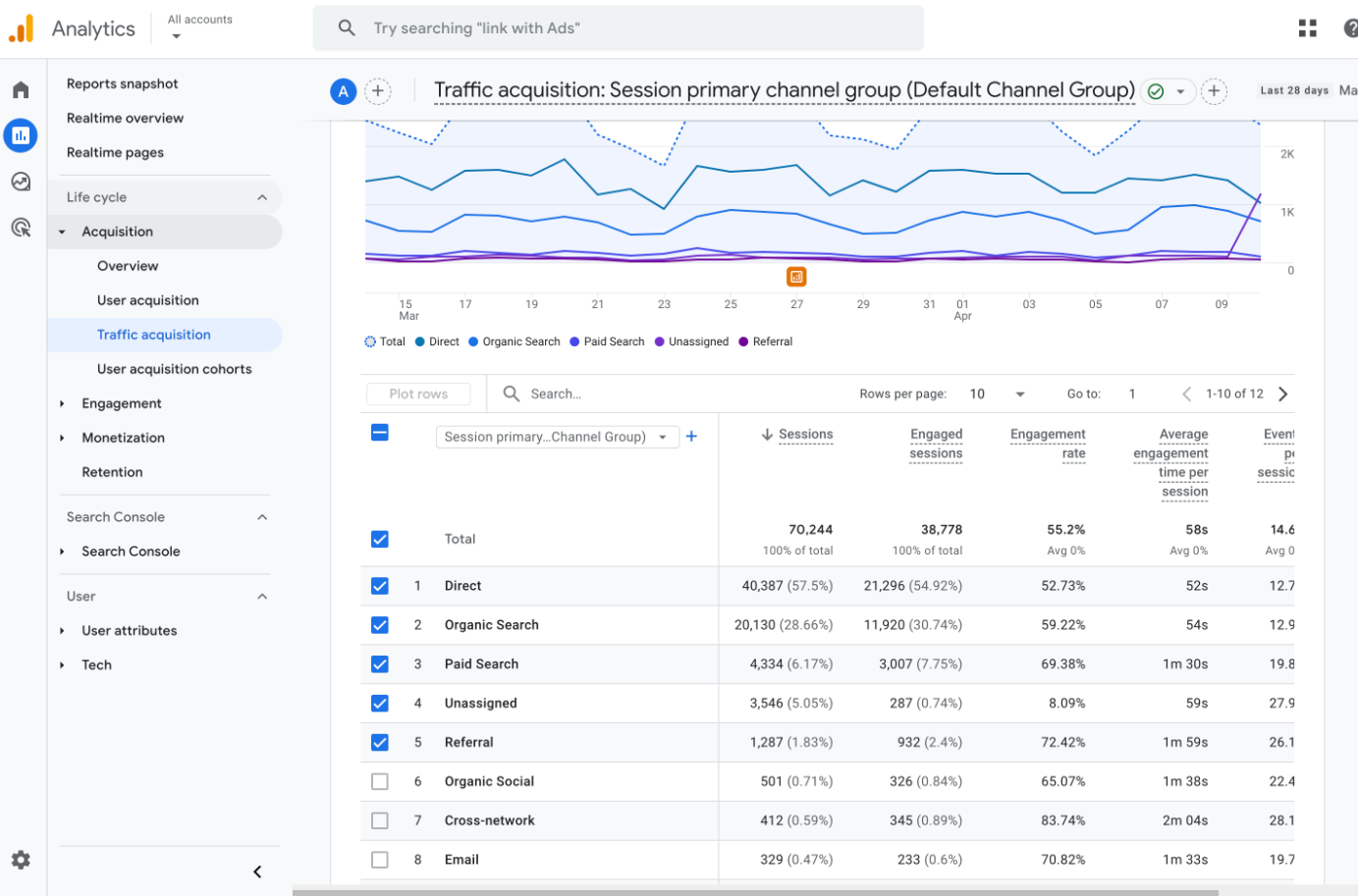
Among the most reputable ones are AIOSEO, Seobility, and Google Analytics. These aren’t your average traffic counters. For example, AIOSEO includes prebuilt SEO templates and simplifies XML sitemap creation, allowing search engines to better crawl and index your site.
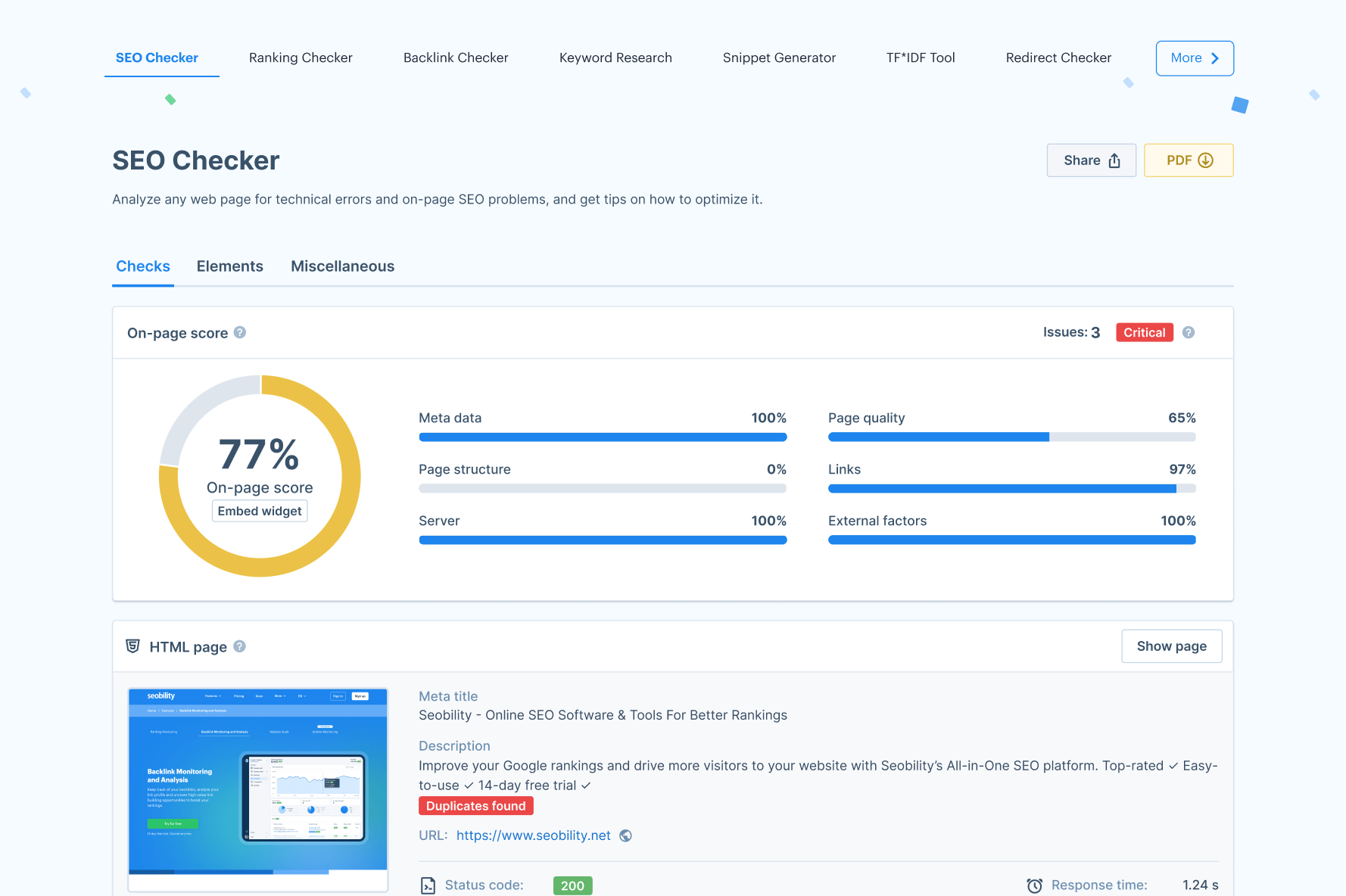
Seobility assists with technical and on-page checks. Google Analytics bridges the gap between behavior and site performance, indicating where users abandon or what engaged them. Between them, they cover a broad spectrum of requirements, from granular speed tests that identify lagging loading times, bloated images, or excessive JavaScript to monitoring your site’s performance on desktop and mobile.
Free SEO audit tools are a must for speedy health checks. They provide a snapshot of what is working and what is not. For example, they frequently provide performance scores, recommend repairs for broken links, and indicate how optimized your site is for speed and search.
A few tools even track AI Overviews in Google results, highlighting areas your content can still capture or should be reinforced.
Key features to look for in any analysis tool:
- Prebuilt SEO templates
- Multi-source connectors
- Scheduled delivery of reports
- AI Insights for trends and opportunities
- Detailed speed and performance scores
- Internal link and H1, H2, H3 analysis
- XML sitemap generation
- Tracking for AI Overviews in Google
Each one has a slightly different role. What works best varies by your business objectives, budget, and technical aptitude. Certain agencies require quick dashboards and rapid audits.
Others desire detailed deep dives with custom reports. The right blend keeps your SEO pipeline flowing and enables you to respond quickly to emerging search trends.
Interpreting Your SEO Report
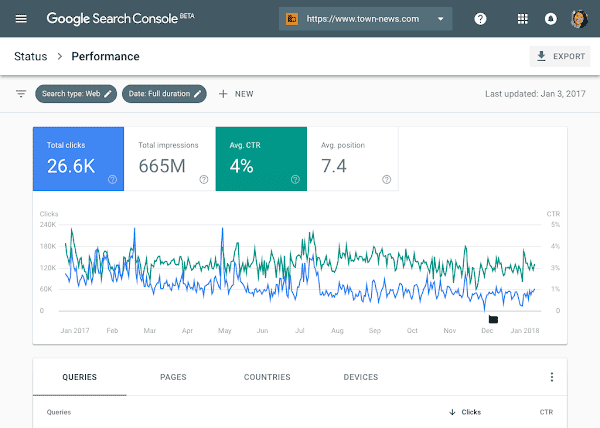
Your SEO reports can appear to be a tangle of numbers and charts. Understanding what those numbers mean transforms data into savvy moves for your brand. For starters, decompose the headline figures. Review organic traffic, CTR, bounce rate, and average time on page. These figures represent how actual humans discover and navigate your website, impacting your overall website performance.
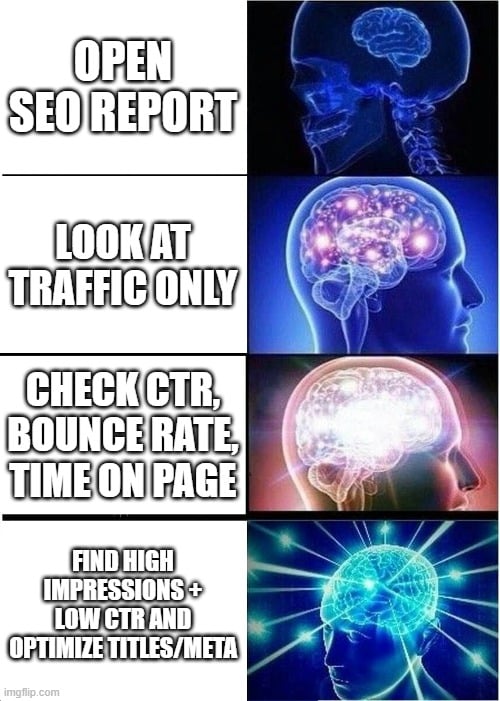
Take a close look at your top search queries. If some keywords generate tons of clicks, you know what already works. Identify queries with high impressions and low CTR. These are opportunities to make your title tags or meta descriptions more enticing, contributing to better search engine rankings.
Next, look for critical SEO related problems. Not all issues are immediate. Sort by impact. A broken link or slow page speed can harm every user, so these must get mended pronto! Less pressing concerns, such as missing alt text, still count but can sit back if necessary, as they could be part of a larger SEO site checkup.
There could be other weirdness in your data, like an unexpected drop in clicks. Other times, this is from factors outside your control, such as a search engine update or the release of a new AI summary. Watch for seasonal trends. Folks may search more for certain things at a particular time of year, and that’s not necessarily bad news for your SEO.
SEO reports are only half the story if they extract from a single source. Unite data from search engines, web analytics, and third-party tools. This assists you in looking at the big picture and identifying trends. Automation tools like the aioseo seo analyzer are a huge assistance here. They save you hours and reduce errors, ensuring your reports are always current and simple to benchmark.
Translate your discoveries into actionable steps. Here’s a simple list to help turn your report into action: View your SEO report frequently. Trends and search habits evolve, so stay tuned and revamp accordingly. Over time, this allows you to monitor growth and identify what’s effective, optimizing your overall website SEO.
- Address high-impact problems first, such as broken links, slow load times, or missing pages.
- Update or rewrite pages that receive many impressions but few clicks.
- Monitor seasonal trends and schedule your content calendar to align with upcoming surges.
- Let automated tools catch issues and verify information from all sources.
- Bring the insights back to your team, concentrating on what they can do with it, not just the numbers.
By consistently applying these insights, you can enhance your site’s visibility, drive organic traffic, and improve your ranking factors over time.
Conclusion
To see how your page ranks in search, get practical with SEO analysis of the page. Observe what is effective, identify vulnerabilities, then adjust and experiment. Tools provide the data, but the true victories arise from interpreting the narrative behind the statistics. For instance, a plain page with obvious copy and immediate load attracts more attention than a plodding, busy one. That is why you should use AI for rapid audits and rely on intuition and actual user data. Each page tells its own story. Occasionally, a light edit, such as a crisper headline or more concise copy, sees a big leap in clicks. To stay sharp, immerse yourself in your metrics, become educated, then move. Need more SEO supercharging tips? Visit SirLinksALot for new tips and assistance.
Frequently Asked Questions
What is SEO page analysis?
An SEO analyzer examines your web page for technical SEO issues, keywords, and content, enhancing your site’s performance in search results and boosting organic traffic.
Why is it important to analyze your web page for SEO?
The seo analyzer evaluates your page to identify and address issues that could negatively impact your search ranking, while a complete seo audit frequently boosts your site’s effectiveness and visitors.
How does AI improve the SEO analysis process?
AI scans pages fast, utilizing an aioseo seo analyzer to discover patterns and recommend fixes. It saves time, improves accuracy, and enhances your website performance by keeping you on top of evolving SEO trends.
What are some essential tools for SEO analysis?
Well-known examples are Google Search Console, Ahrefs, SEMrush, and Moz, which are essential tools for conducting a complete SEO audit, offering features like keyword tracking, site audits, and backlink analysis.
How do you interpret an SEO report?
Concentrate on critical metrics such as traffic, rankings, and technical SEO errors. Utilize the free SEO audit information to identify successful areas and those needing fine-tuning.
Why is understanding human intent important in SEO?
Understanding what people desire assists in crafting pertinent content, enhancing website performance and improving your search rankings through effective page optimization.
Can SEO analysis improve user experience?
Yes, an SEO analyzer can discover problems that impact usability, such as slow loading or broken links. Solving these technical SEO issues creates a nicer experience for your visitors.