Key Takeaways
- Building an AI citable page requires clear authorship, concise answers, comprehensive depth, and trustworthy signals to enhance both user experience and citation effectiveness.
- Human insights and expert curation balance AI efficiency with creativity, ensuring content is relevant, accurate, and engaging for diverse audiences.
- How to write an AI citable page. Semantic schema and machine-readable frameworks help your content get found by AI search engines and cited elsewhere.
- Robust data interlinking and open version control fortify content authority and preserve accuracy.
- Building your content around user intent and behavior increases engagement and the potential for citable impressions by providing information that is transparent, easy to understand and useful.
- By staying ahead of emerging AI trends and evolving citation practices, content remains future-proof, discoverable, and authoritative.
In the rapidly shifting landscape of SEO in 2026, securing a top position on a traditional search engine results page (SERP) is no longer the ultimate prize. Today, the goal is getting cited. The “anatomy of an AI citable page” refers to how a web page structures its information, citations, and formatting so that Large Language Models (LLMs) and AI search agents can easily extract and confidently attribute that information.
AI search models do not “read” pages like humans do; they parse them for extractable facts, assess their credibility, and generate synthesized responses. Understanding the precise blueprint of an AI-citable page empowers SEO and digital marketing teams to turn their content into a primary source for the world’s most advanced search engines.
The Anatomy of an AI Citable Page
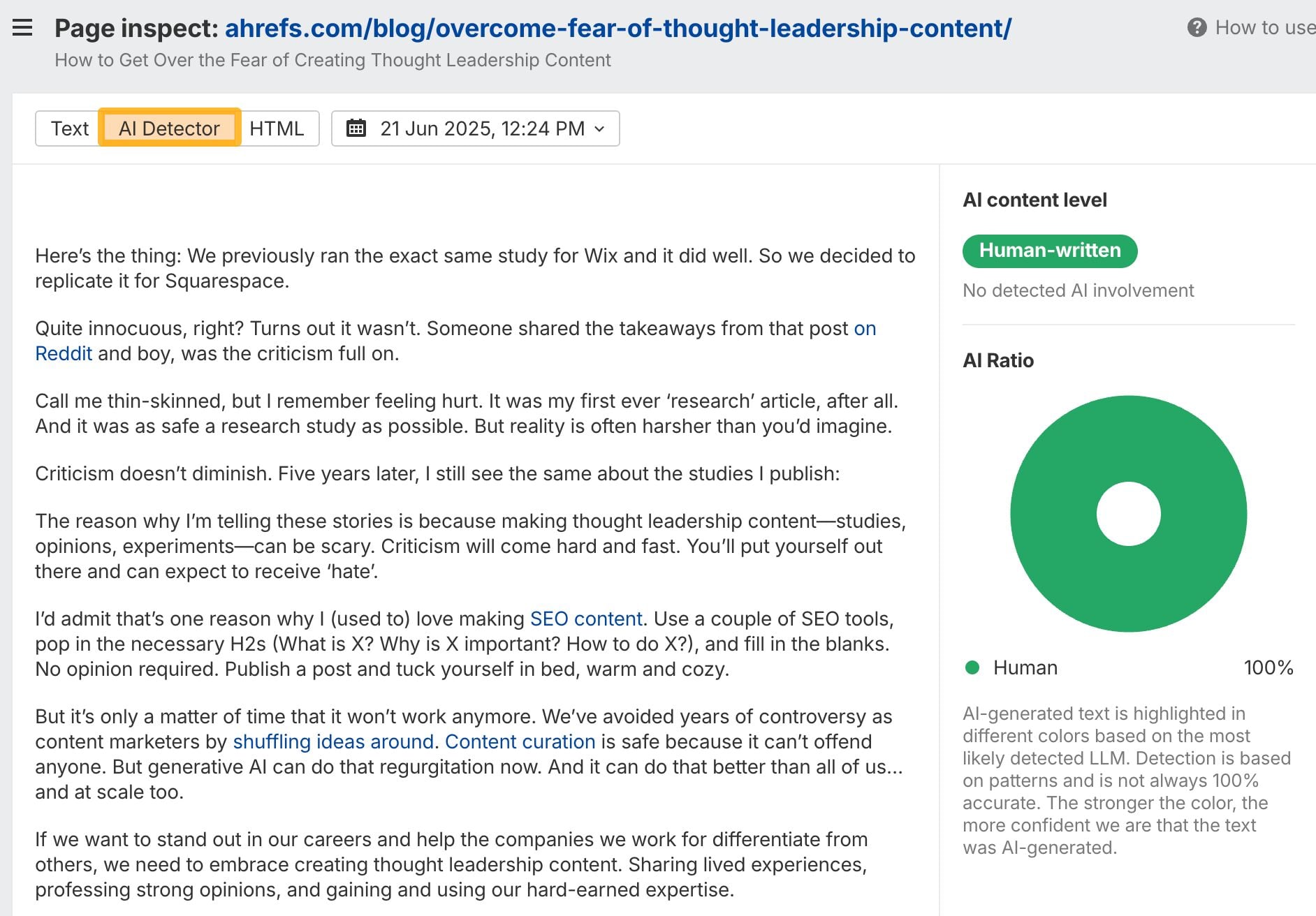
The blueprint of an AI-citable page is highly intentional. Every element—from authorship to header tags—serves to inform the search engine crawlers while simultaneously providing a seamless experience for human readers.
|
Component |
Role |
Citation Effectiveness |
|---|---|---|
|
Identity Layer |
Shows authorship and source origin |
Builds trust, boosts credibility |
|
Answer Layer |
Delivers clear, spot-on responses |
Directly cited for precise answers |
|
Depth Layer |
Adds detailed, well-referenced content |
Raises authority, supports claims |
|
Trust Layer |
Signals transparency and quality |
Increases likelihood of citation |
The blueprint of an AI-citable page is highly intentional. Every element—from authorship to header tags—serves to inform the search engine crawlers while simultaneously providing a seamless experience for human readers.
Here is how the four essential layers of an AI-citable page break down:
1. The Identity Layer
AI systems need to know who is responsible for a claim before they will cite it. The identity layer establishes authorship and source origin, which builds trust and boosts credibility.
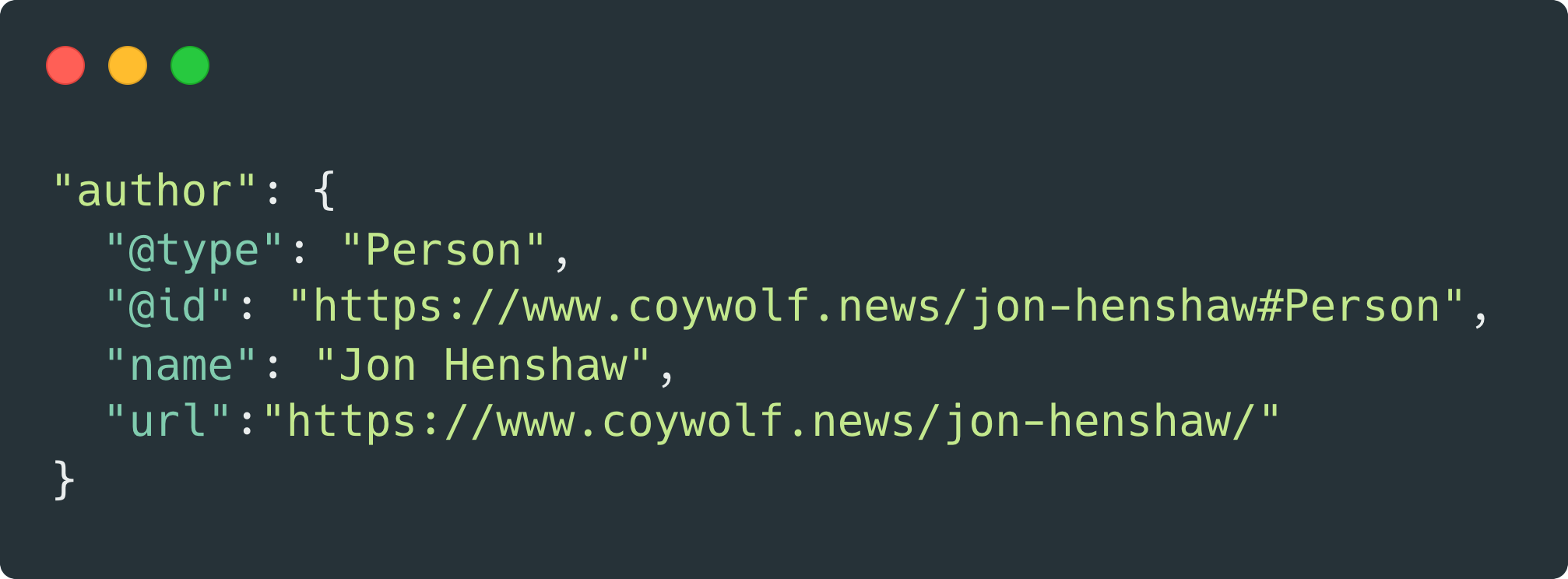
How it works: AI looks for clear author names, verifiable credentials, and transparent source lines. Including a comprehensive Author Schema, linking to professional profiles, and establishing clear entity relationships proves to the machine that an actual, trusted human expert wrote the piece.
2. The Answer Layer
AI models prefer content that is “pre-digested.” The answer layer is designed to deliver clear, spot-on responses that directly satisfy user intent.
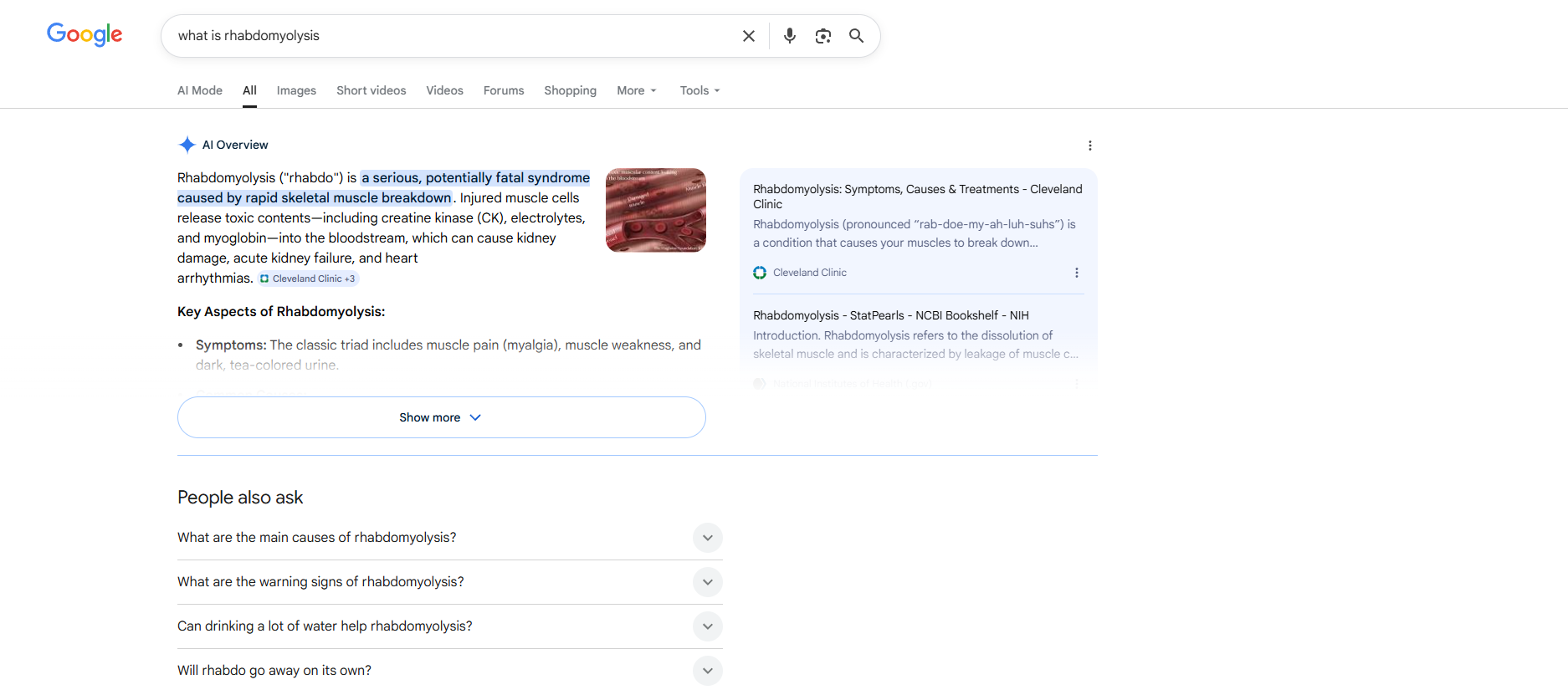
How it works: This layer relies on “answer nuggets”—40 to 60-word paragraphs placed immediately following a question-based heading (like an H2 or H3). Writing in declarative, easy-to-understand sentences increases the likelihood that an AI will extract your exact text for a featured snippet or AI Overview.
3. The Depth Layer
Shallow answers are easily replaced. The depth layer adds detailed, well-referenced content, raising your overall topical authority and supporting your primary claims.
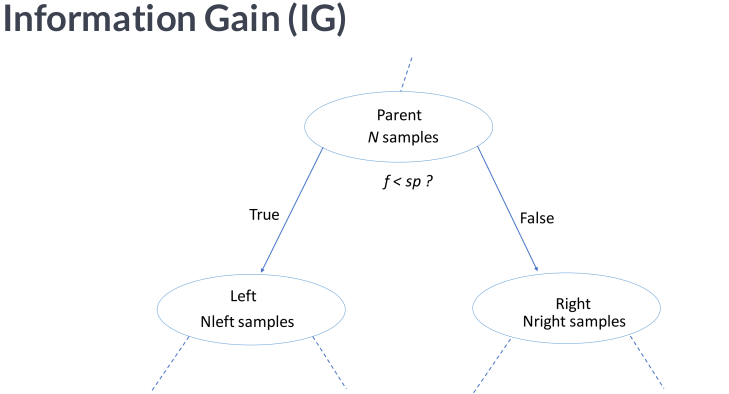
How it works: AI models look for “Information Gain”—unique value that doesn’t exist on a million other pages. You achieve this depth by providing original data, cited statistics, case studies, and practical examples. Breaking this deep content up with HTML tables and bulleted lists makes it highly scannable for both humans and bots.
4. The Trust Layer
Trust is the ultimate currency for AI models. The trust layer signals transparency and quality, making your page a safe bet for citation.
How it works: Trust is built through obvious technical and editorial cues. This includes HTTPS security, transparent outbound linking to high-authority sites (like .edu or .gov domains), and clear “Last Updated” timestamps. When you make your evidence easy to verify, AI cites you more frequently.
Tips on how to make an AI citable page
To turn these anatomical concepts into a reality, your content operations must adhere to strict, machine-readable standards.
Adopt the CITATE Framework
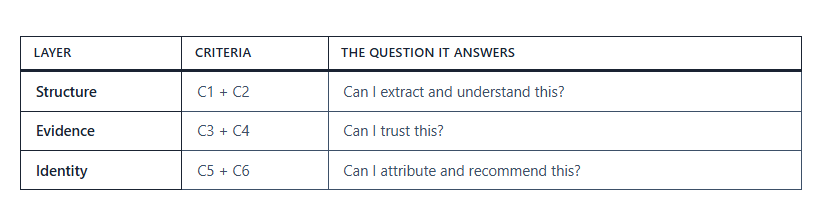
The CITATE framework, formalized in early 2026, defines the exact threshold at which content becomes extractable, evidenced, and attributable. A page must pass three sequential dependencies:
-
Structure (C1–C2): Use standalone declarative openings and explicit definitions.
-
Evidence (C3–C4): Provide statistics with full context and attribute those claims to named, authoritative sources.
-
Identity (C5–C6): Clearly name the entity responsible for the page so the AI can attribute the extracted claim without risk of misrepresentation.
Leverage Semantic Schema
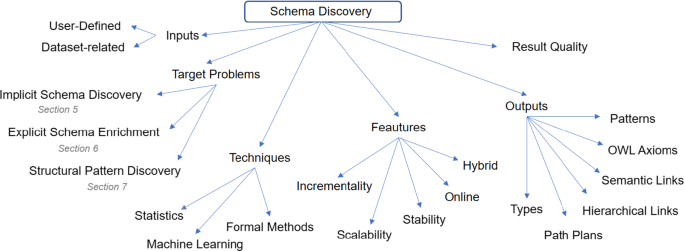
Semantic schema tags act as a translation layer for artificial intelligence. Implementing detailed JSON-LD markup (such as Article, FAQPage, Dataset, and Author) tells the AI exactly what your content is. When information is mapped cleanly via schema, AI can reference it more authoritatively, often boosting citation rates significantly.
Build Strong Data Interlinking
Data interlinking connects your content into a larger knowledge graph. Link out to trustworthy, recent information to prove your claims withstand external scrutiny. Simultaneously, build strong internal links so AI agents can parse your site architecture and understand your broader topical authority.
Maintain Version Control and Freshness
A page is only as good as its last update. AI models aggressively prioritize fresh data. Statistics older than 18 months must be audited and swapped for current numbers to keep citation accuracy high. Providing a transparent changelog or an explicit “Last Updated” date sends a powerful freshness signal that algorithms reward.
Designing for User Intent
In 2026, designing for user intent means recognizing that users want reliability, transparency, and agency.
- If users come for quick answers, put your citations and executive summaries at the top of the page.
- If they want a deep dive, provide intuitive navigation menus that allow them to jump between complex subtopics seamlessly. Clear, intuitive UI design lowers bounce rates and increases dwell time, sending positive engagement signals back to the AI that your page effectively satisfied the user’s query.
Future-Proofing Citable Content
Future-proofing your content means anticipating how AI agents will crawl the web tomorrow. To ensure your pages remain discoverable:
- Use temporal markers for time-sensitive claims (e.g., “As of April 2026…”).
- Maintain a clean, logical heading hierarchy (H1 > H2 > H3).
- Format complex data into HTML tables, as AI models heavily favor tabular data for quick comparisons.
- Continuously monitor your AI visibility metrics to see which prompts trigger your citations and adjust your strategy accordingly.
Conclusion
Constructing an AI citable page is not merely coding or guidelines. It’s about trust, plain language and genuine worth for the people who surf the net every day. Good pages shine when they demonstrate evidence, provide explicit answers and facilitate discovery by humans and machines. Visual brands earn trust by providing real stories and straightforward actions, like how-tos that demystify or FAQs with concise, punchy answers. To keep ahead, keep real and keep simple. Want your pages to work for both people and search engines? Begin with these. Contact SirLinksALot and we’ll get you building pages that garner trust and endure.
Frequently Asked Questions
What is an AI citable page?
An AI citable page is a page designed to be read by both humans and AI. It employs distinct sections, precise information, and open citations, so it is simple to cite and reliable as well.
Why is structure important for AI citable pages?
Structure is what allows AI to know what’s what. Smartly structured content enhances searchability and encourages citability.
How does human intelligence improve AI citable content?
Human input guarantees accuracy, reliability, and clarity. It supplements context, fact checks, and user intent in ways that add value and credibility.
What makes a page machine-readable?
A machine-citable page employs uniform titles, tags, and formatting. This allows AI and search engines to easily extract, analyze, and cite content.
How do you design for user intent on citable pages?
Know what users want and provide straight, obvious answers. Employ headings, bullets, and terse prose to render information easily locatable and citable.
How can you future-proof AI citable content?
Persistently refresh data, apply common patterns, and adopt emerging technologies. This keeps content pertinent and flexible to changing AI and user demands.
Are sources important on an AI citable page?
Citing trustworthy sources establishes authority and confidence. This lets humans and AI fact check and cite original sources precisely.