Key Takeaways
- Bing is getting traction in the search engine world, and it would be astute to plan for Bing in your SEO and digital marketing strategies for extended reach.
- Capitalizing on Bing’s deep connection to Microsoft products and the distinctive audience it appeals to can create opportunities you don’t get on Google alone.
- Top Bing rank trackers monitor keyword positions, search visibility, and traffic share, providing you with actionable data to optimize your SEO approach.
- When it comes to selecting a Bing rank tracker, reliability is key.
- Knowing the distinctions between Bing and Google algorithms enables you to optimize your content and tactics accordingly for improved performance on each platform.
- Consistently reviewing rank tracking data allows you to identify content gaps, optimize local SEO, and anticipate market shifts for sustained online success.
Top Bing rank trackers assist SEO experts and agencies in monitoring their websites’ positions on Bing, providing immediate, unambiguous reports.
These must-have tools display keyword trends, provide daily reports, and help identify wins and holes. With Bing’s U.S. Search market share, selecting the appropriate rank tracker can transform the way you form your SEO strategy.
The following sections dissect the best tools and what makes each shine for Bing tracking.
Top 5 Bing Rank Trackers in 2025
Here are five reliable Bing rank tracker tools you can use in 2025 to track your website’s performance on Bing. For each, you’ll see what it is, its pros and cons, and what it costs (or how pricing works).
1. Rank Tracker by SEO PowerSuite
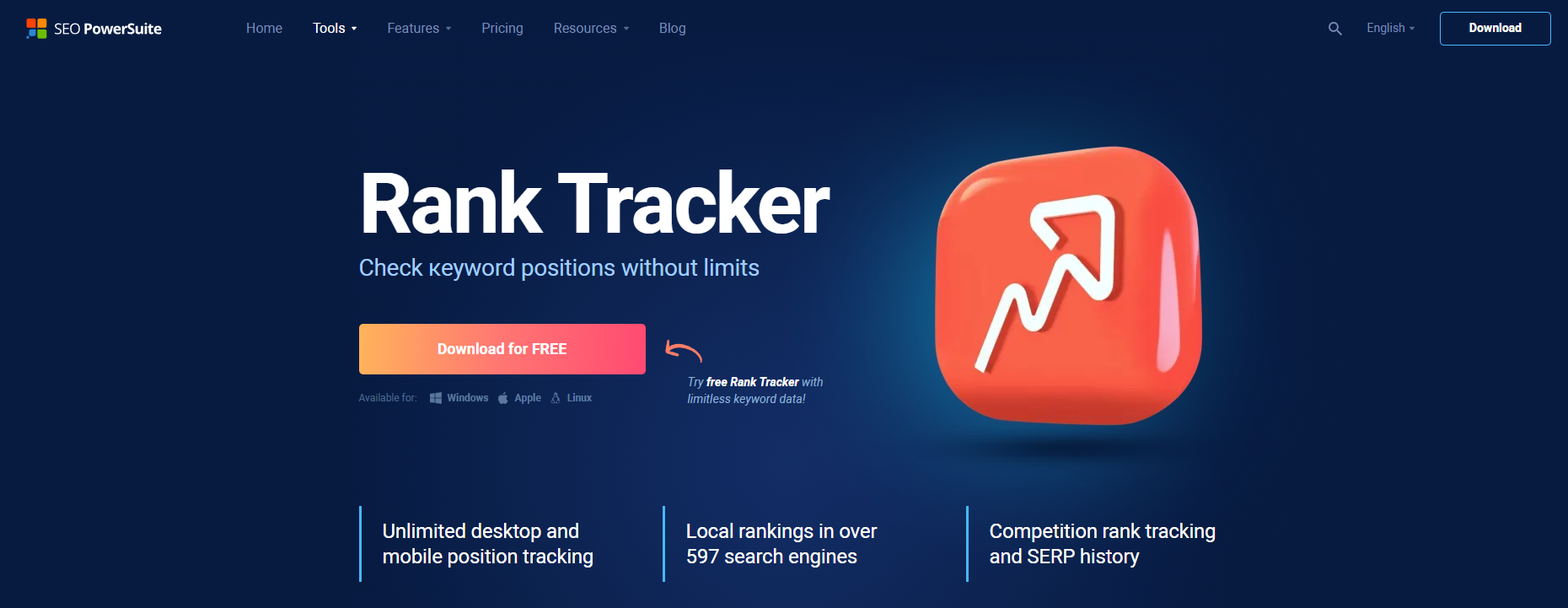
Rank Tracker is a desktop-based SEO tool (you download it to your computer) that supports Bing rank tracking (along with Google, Yahoo, etc.). It lets you track keywords, see historical trends, compare competitors, and run local rankings.
Pros
- Unlimited keywords and projects (no forced caps).
- Strong local / geo customization (you can simulate Bing searches from a specific city or neighborhood).
- Good competitor tracking (you can add up to 10 competitor sites in each project).
- Customizable reporting (you decide what data to include).
Cons
- It’s desktop software, not cloud-based, so you need your machine on to run tasks or schedule updates (unless you pair with their cloud features).
- Some users report mixed accuracy for Bing in certain cases or interface quirks.
- The free version has limitations (for example, some data won’t be saved).
2. SE Ranking
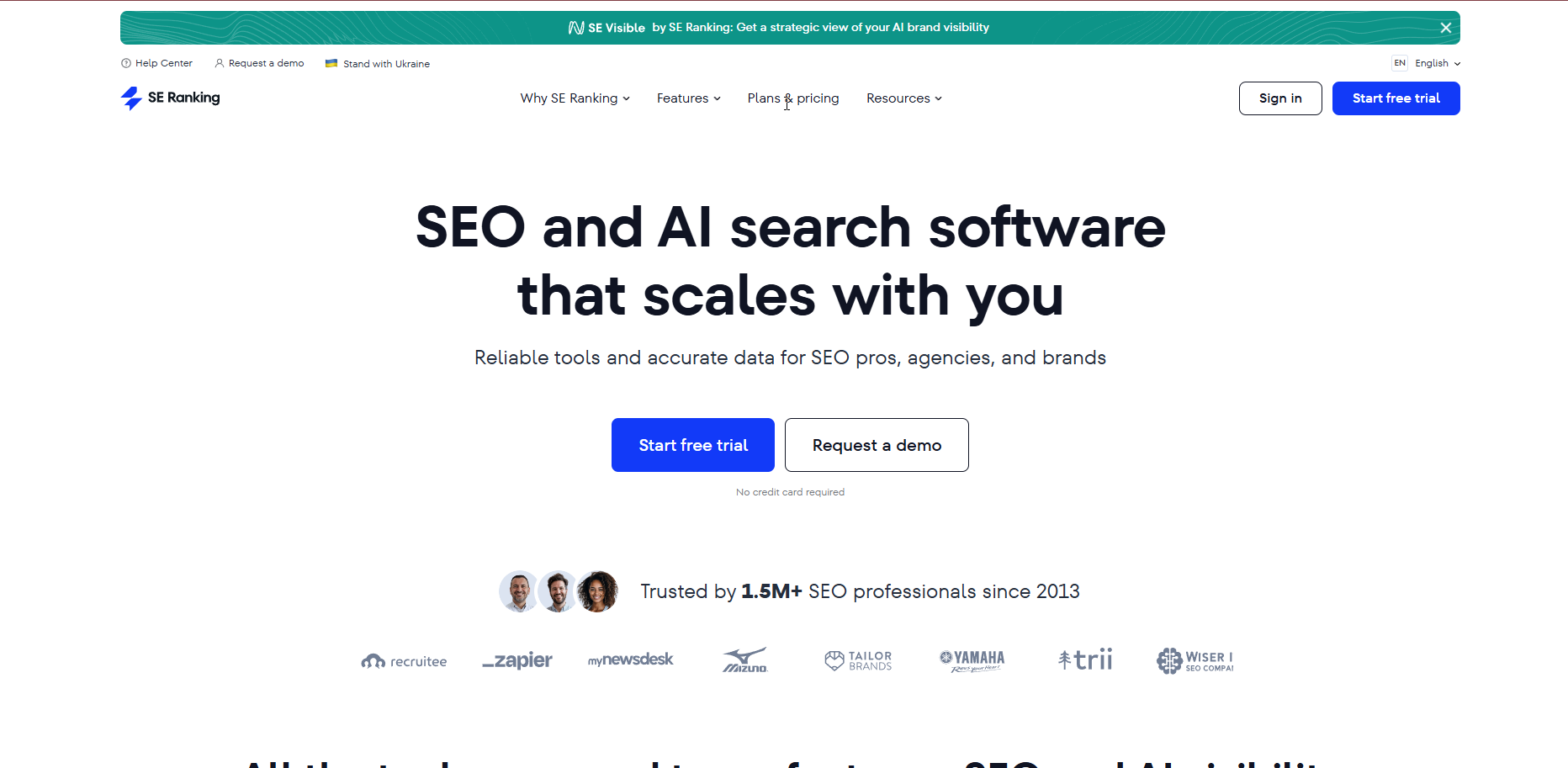
SE Ranking is a cloud-based, all-in-one SEO platform that includes a built-in Bing rank tracking feature. You use it via a web browser (no installation). It tracks Bing rankings daily and supports localization (device, country, etc.)
Pros
- Easy to use — clean interface and good visuals.
- Supports multiple devices, locations, and languages in Bing tracking.
- Competitor tracking included (you can monitor up to 10 competitors)
- Free trial available (14 days).
Cons
- Rankings update only daily (you can’t force a manual refresh).
- As with many SaaS tools, you pay more as you need more keywords/projects.
- Some of its advanced SEO modules (beyond rank tracking) come at an extra cost.
3. AccuRanker
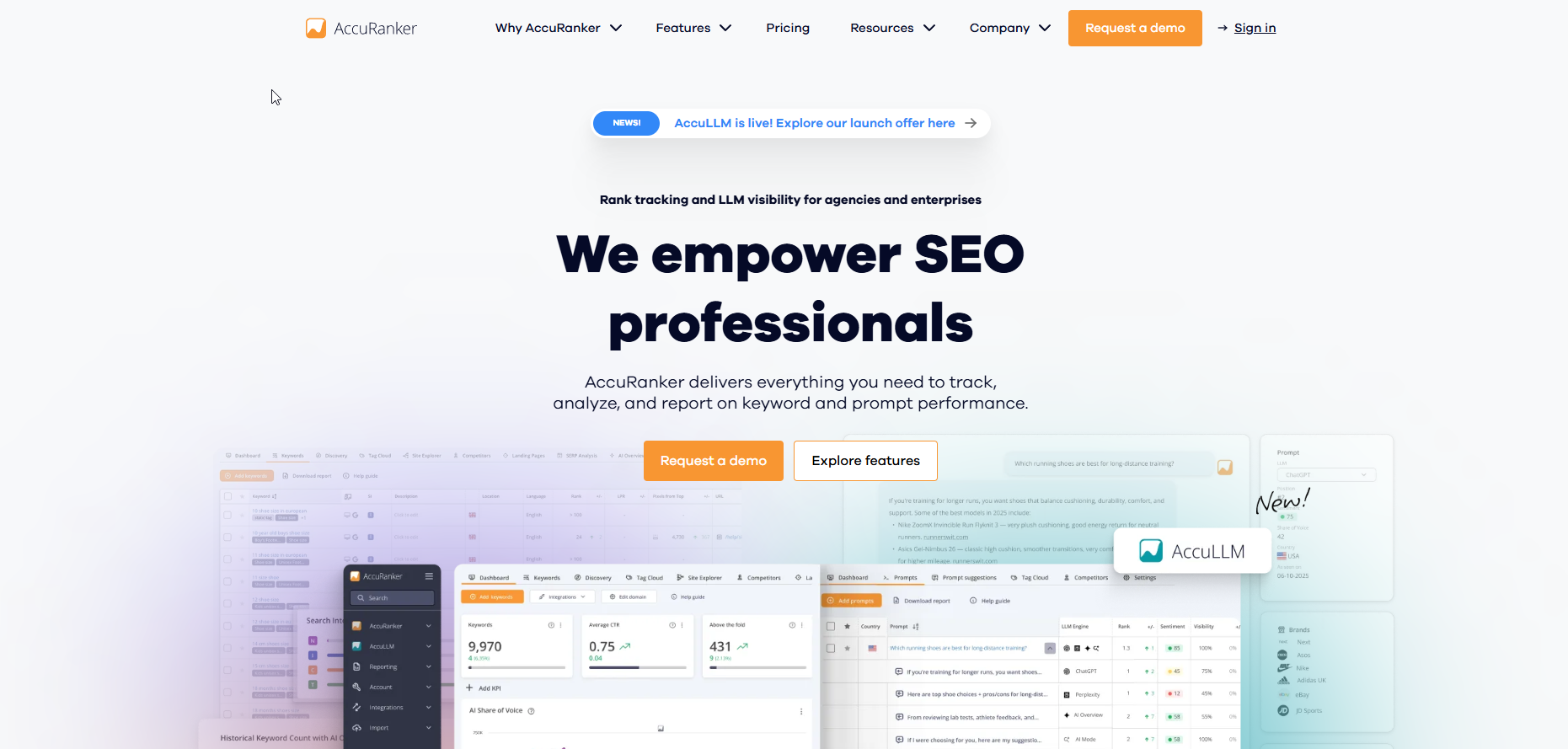
AccuRanker is a premium SEO tool focused particularly on rank tracking (for Google, Bing, etc.). It’s known for speed and deep analytics.
Pros
- Very fast rank updates and a responsive interface.
- Solid support and reputation among SEO professionals
Cons
- Expensive — it’s one of the pricier options. Starts at USD 129/month to track up to 1,000 keywords.
- You must manually add the keywords you want to track — it won’t suggest or auto-detect new ones.
- It only tracks up to position 100 (if your page is beyond that, it’s out of scope).
4. ProRankTracker (not directly in sources but often recommended)
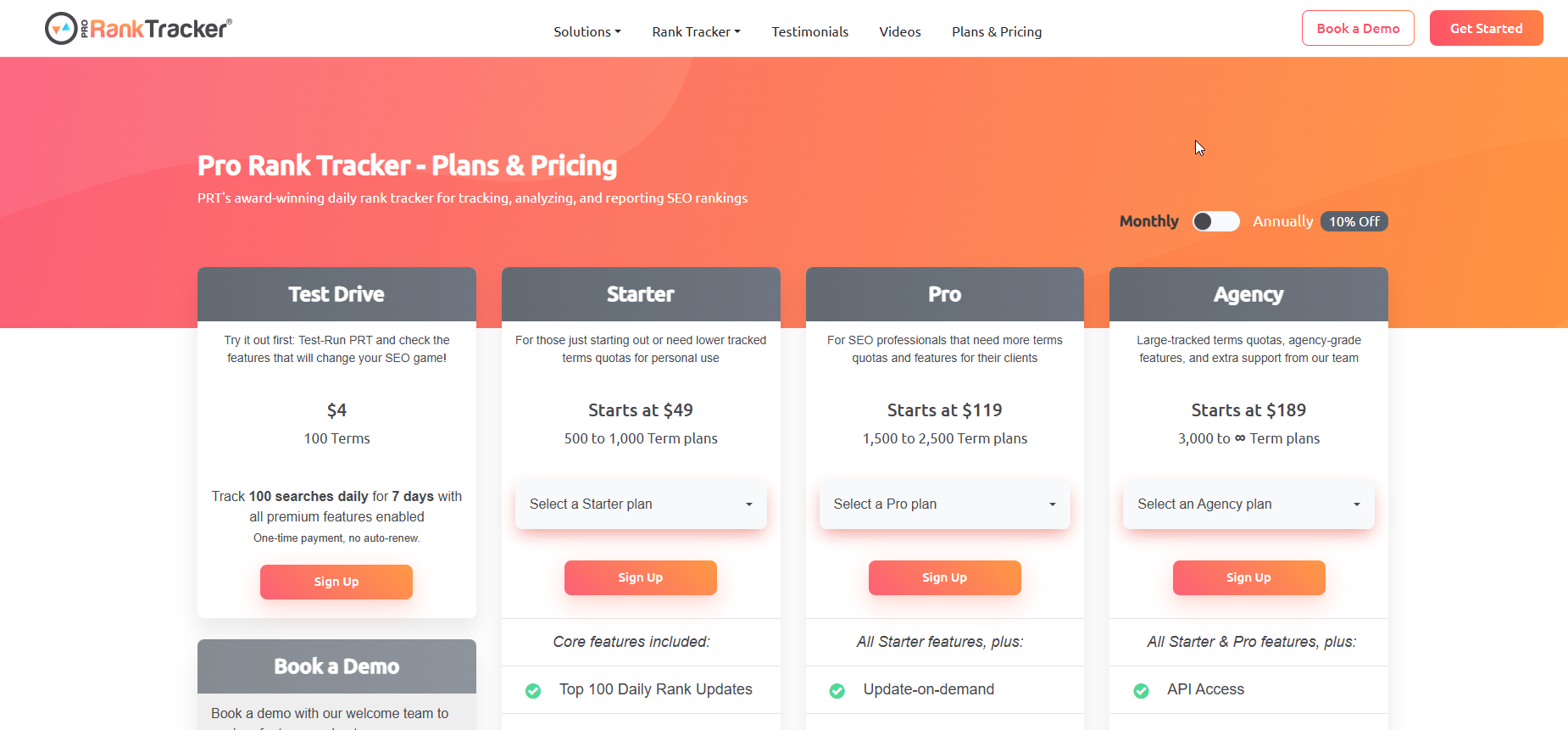
ProRankTracker is another rank tracking tool used in the industry — it supports multiple search engines, localization, and daily or more frequent updates.
Pros
- Good tiered plans to match different needs.
- Flexible tracking (device + location).
- Well-established in the SEO tool set.
Cons
- As your number of keywords or tracking locations grows, the cost increases.
- Some features (e.g., advanced reporting) may require higher-priced tiers.
5. Nightwatch (also commonly listed in rank tool guides)
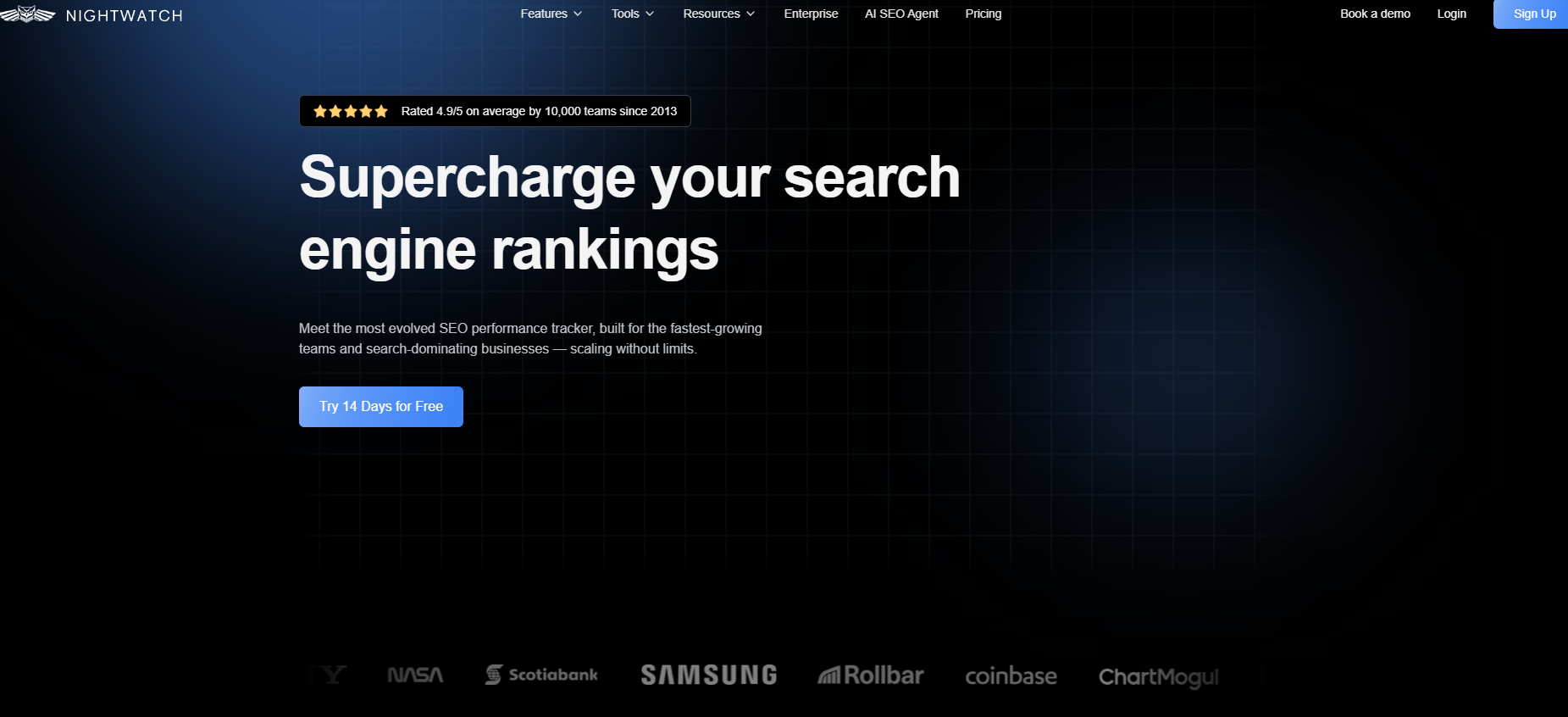
Nightwatch is a modern SEO tool with a strong focus on rank tracking, including Bing support, plus reporting and monitoring.
Pros
- Modern UX and nice dashboards.
- Good reporting and visualization.
- Supports Bing among other engines.
Cons
- Some advanced features are locked behind higher plans.
- As always, scaling costs as you expand keyword sets.
Why Bing Now
Bing is no longer the search runner-up. Its worldwide share is at 8.88%, with desktop approaching 11.55%. That’s serious coin, particularly as Bing’s market share continues to rise. For marketers and SEO pros, Bing is at the intersection of new opportunity and less competition.
While Google swamps everyone’s attention, Bing’s space is less crowded and sometimes more involved. Bing’s click-through rate on ads is 45% higher than that of other search engines. With Bing’s new smart technology prioritizing quality and authoritative content, there’s space to shine without scrapping in a crowded field of imitators.
Essential Bing Metrics
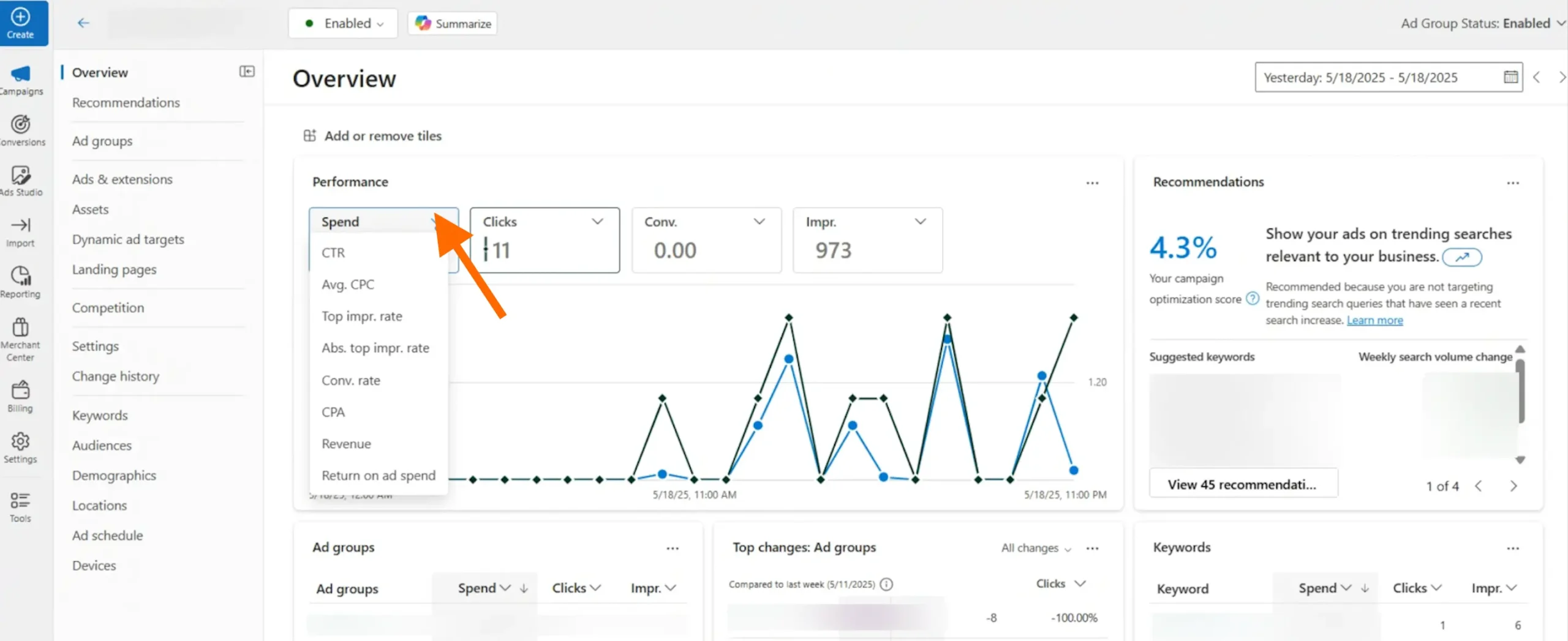
Bing has its own search ranking rules. For SEO pros and agencies, utilizing reliable Bing rank tracker tools is essential for monitoring the right metrics. It’s about understanding how your site aligns with Bing’s ecosystem, which prioritizes geography, language, and openness. Here are the core Bing metrics you’ll want to keep on your radar.
- Keyword positions (desktop, mobile, Maps)
- Search visibility (reach across Bing’s result pages)
- Traffic share (how much Bing traffic you win)
- SERP features (snippets, images, videos, local)
- Competitor benchmarking (where you stand)
- Coverage by location and language
- Site ownership transparency
- Crawl frequency and indexing
Keyword Position
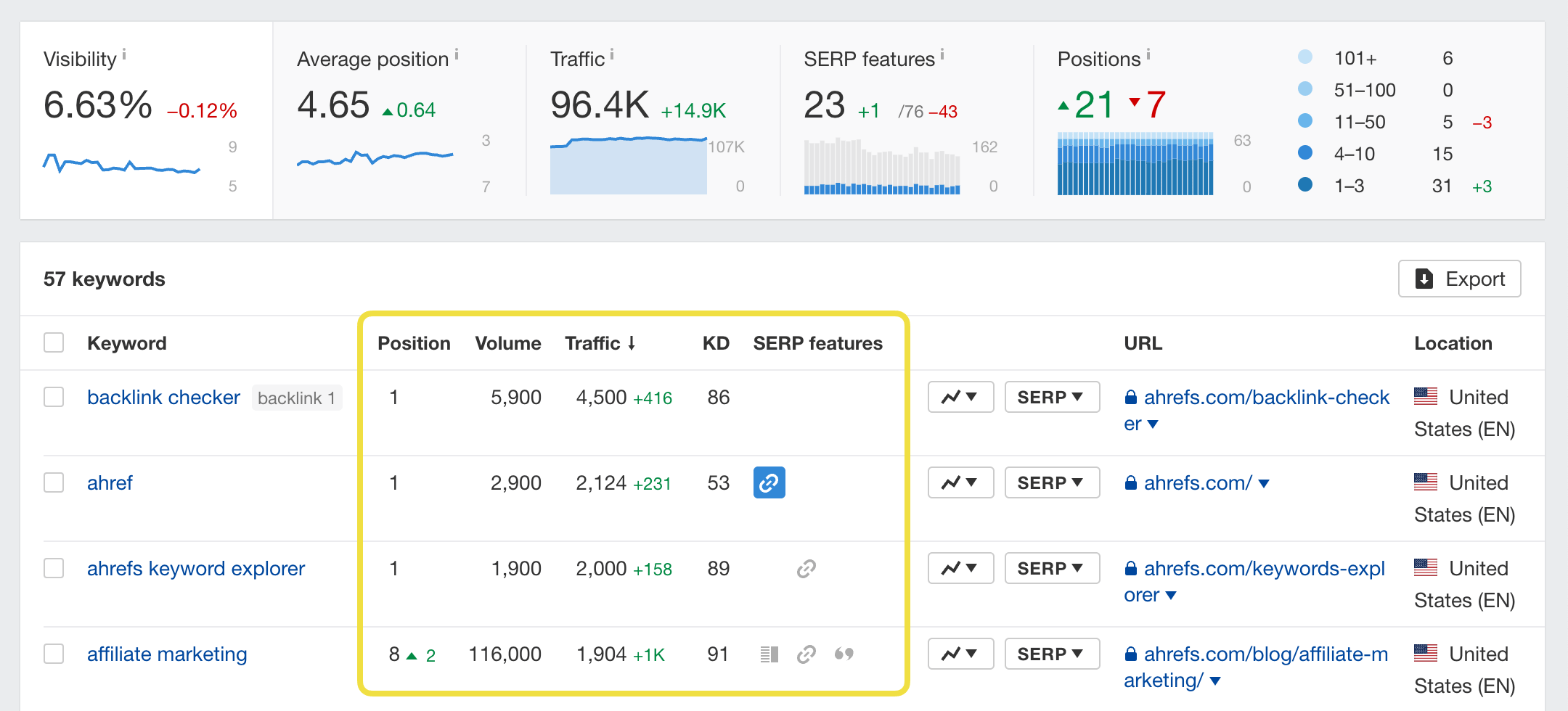
You can monitor these daily if people are searching on desktops, their mobile devices, or even Bing Maps. This isn’t just a scoreboard; it informs you of what’s working and what isn’t.
If your “Austin BBQ catering” page climbs from 18 to 8, you’re up to something. If it drops, that’s a signal to look at your content or links. Utilize keyword data to adjust titles, rewrite descriptions, or promote content.
For instance, if ‘live music Austin’ begins to climb, double down on that content. Check your rankings week over week, not only for wins but also for slow slides that can lose you local traffic. These insights allow you to pivot quickly when Bing’s algorithm changes, which is useful since Bing crawls sites on its own timetable.
Search Visibility
Search visibility is how frequently and broadly your site appears in Bing’s search results. You need your site to pop not just for one query, but across many. Tracking visibility helps you identify weak areas.
Perhaps your local taco review page rocks in Texas, but disappears everywhere else. That’s an indication to rank for more general or specific searches. Compare your reach to the competition. If similar sites appear more often, examine their composition.
Traffic Share
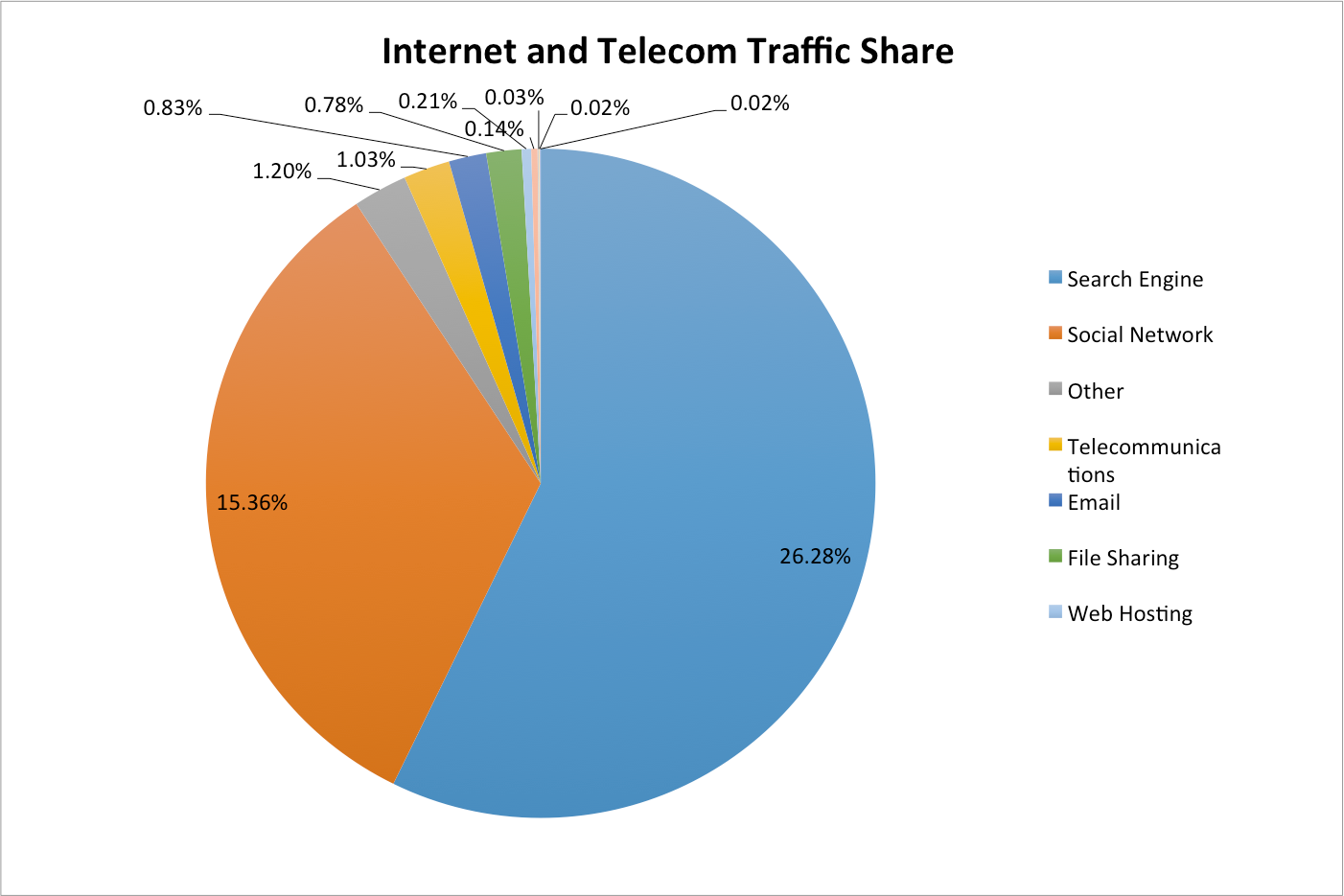
Traffic share informs you what Bing’s search pie you’re receiving. It’s all about the figures — how many visitors you get from Bing and so on. With Bing currently at roughly 11.55% of the search market worldwide, every bump counts — especially for U.S. Businesses where local traffic makes a difference.
See what keywords bring the most visits. If ‘best breakfast tacos austin’ attracts local searchers, create additional content surrounding that. If traffic dips, reconsider your strategy.
Traffic share indicates whether your recent SEO maneuvers are successful and keeps your attention on areas of high value for greater returns.
SERP Features
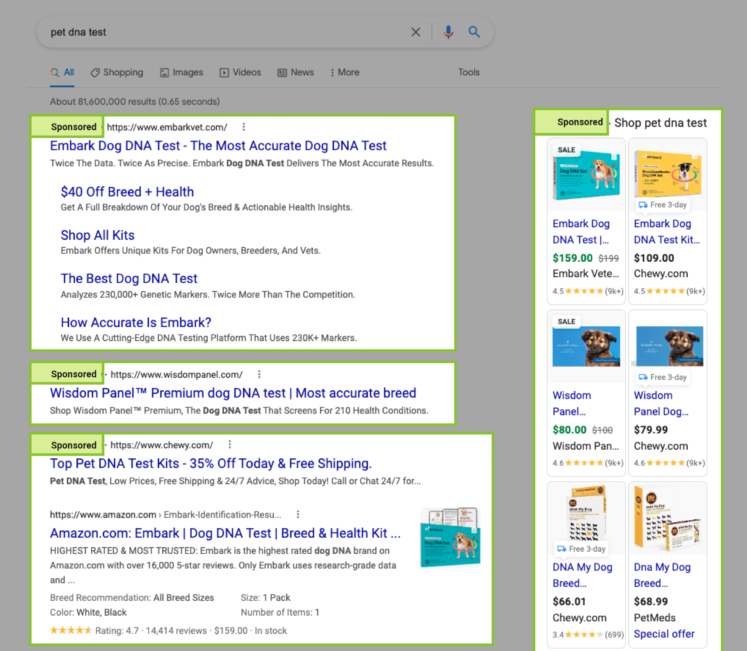
SERP features are Bing’s goodies, such as featured snippets, images, videos, and local packs, which can significantly enhance your impressions and CTR. For Austin businesses, capturing a local pack spot can lead to increased foot traffic and calls. Utilize bing rank tracker tools to monitor your performance in these areas and adjust your strategy accordingly.
Make your content ready for these features by responding to FAQs, incorporating rich media, and applying structured data. Consider using rank tracking software to keep an eye on what features generate actual engagement.
If you notice videos performing well, explore more video content. Additionally, if you’re struggling to win any local packs, fix your NAP and add more local reviews to improve your keyword rankings.
Evaluating Top Trackers
Choosing the best Bing rank tracker comes down to a few key factors that extend beyond keyword position tracking. For SEO agencies, consultants, and digital marketers, these tools need to be reliable, customizable, easy to use, and yet still accommodate the specific workflow and reporting requirements of U.S. Businesses.
Key features when evaluating Bing rank trackers include:
- Real-time and scheduled rank updates
- Unified organic and local pack ranking view
- Daily tracking for multiple keywords, devices, and countries
- Competitor monitoring and keyword strategy insights
- Customizable dashboards and reporting widgets
- Integration with analytics and other SEO tools
- Transparent and flexible pricing models
Bing vs. Google Data
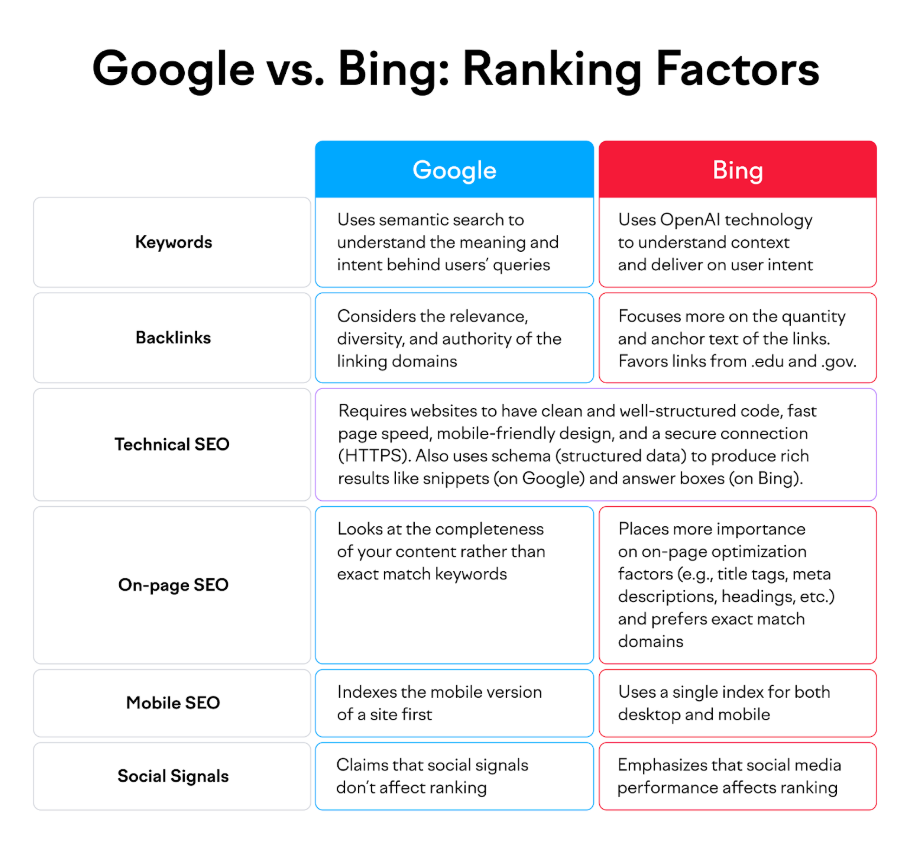
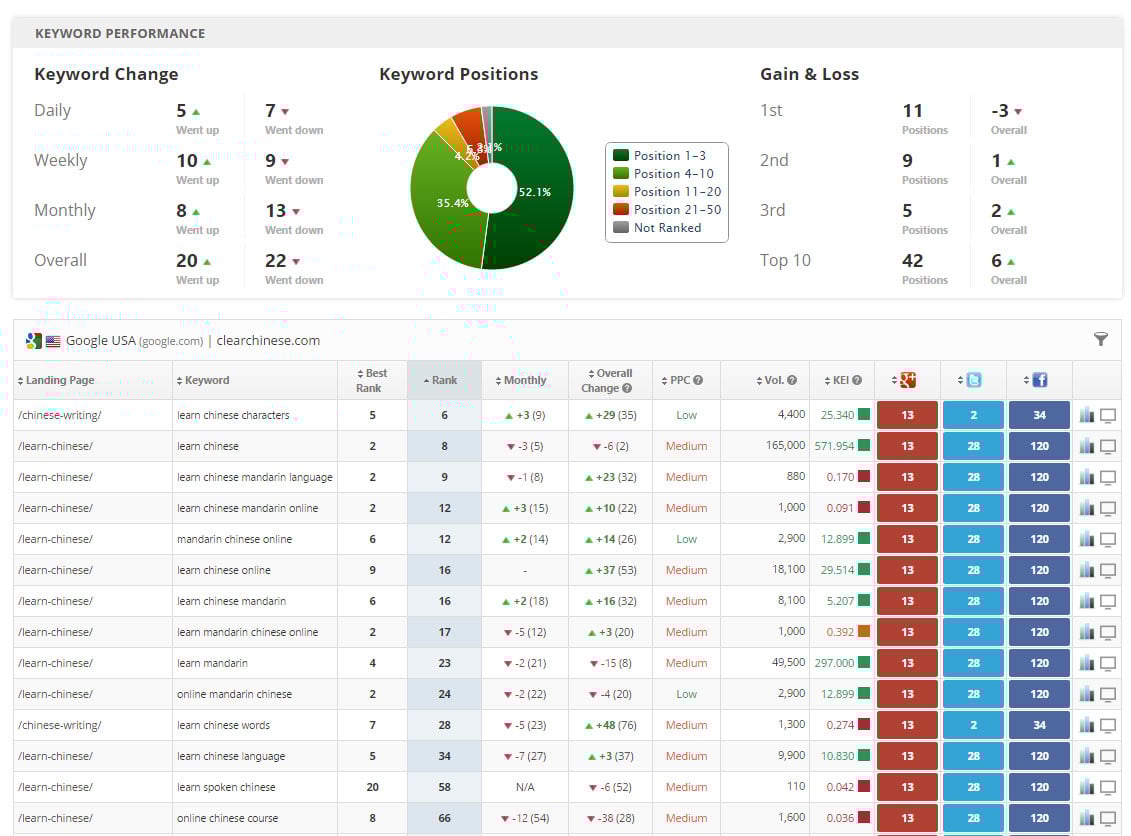
If you’re diving into rank trackers, understanding the key differences between Bing and Google is a must. Each platform utilizes unique ranking algorithms, molds different user journeys, and reveals different search results. A clear picture assists you in making strategic decisions for your SEO playbook.
The following table outlines some fundamental differences.
| Feature | Bing | |
|---|---|---|
| Algorithm | More on-page signals, social cues | Heavier on backlinks, E-E-A-T factors |
| User Intent | More transactional, visual-driven | Broad, info-seeking, diverse |
| Visual Interface | Image carousels, multimedia ads | Simple, text-focused results |
| Bounce Rate | 46.3% | 42.68% |
| Audience Demographics | 60% 25–34, 64% male | More even, wider age range |
| Indexing | Faster, smaller index, forgiving | Selective, stricter, larger index |
| Monthly Unique Visitors | 660.5 million (June 2023) | Billions |
Algorithm Differences
Bing and Google each operate on their own proprietary algorithms. Bing’s ranking system favors on-page factors more, such as page titles and keyword matches, and even social signals from sites like Facebook. To improve your visibility, utilizing reliable Bing rank tracker tools can help you monitor keyword rankings effectively.
Google, meanwhile, still gives added weight to backlinks and authority and those elusive E-E-A-T guidelines—Experience, Expertise, Authoritativeness, and Trustworthiness. If you want to scale the charts on Bing, hone your meta tags and your content, but don’t neglect schema markup. Employing a good rank tracker can provide insights into how well your pages perform.
Bing refreshes its algorithm far less regularly. When it does, it can upend things in a heartbeat. By tracking Bing’s announcements, you can pivot before your rankings are affected using advanced web ranking tools.
By tracking Bing’s announcements, you can pivot before your rankings are affected. Every adjustment to one or the other algorithm is a heads-up for you to examine your site, analyze what’s different, and respond quickly.
User Intent Variations
User intent on Bing skews more actionable—think shoppers, buyers, or ‘I-want-to-do-something’ solutions. Google’s crowd is wider, with more searchers for information, inspiration, or amusement. To improve your visibility, consider using reliable Bing rank tracker tools to monitor your performance.
Bing users favor visuals, with its image-focused results and smooth carousels. If you want your content to work for Bing users, provide them with clear answers, direct calls to action, and lots of visuals. Leveraging a good rank tracker can help you understand how your content performs in Bing search results.
Keyword research, my dear fellow, keyword research. We monitor Bing users’ keystrokes, not just Google’s most popular terms. If you’re noticing users bounce off your page, Bing’s bounce rate is a tad higher at 46.3% and it’s an indication you may not be fulfilling their need perfectly.
See how visitors navigate your site–what they click, where they linger, and what makes them bounce. Use that data to adjust headlines, insert images, or reposition your calls to action, and consider utilizing a Bing SERP tracker for deeper insights.
Ranking Fluctuations
Bing and Google rankings have their own rhythms. Bing rankings tend to be a bit less volatile, but when they do drop, it is typically associated with algorithm updates or shifts in content indexing.
Google moves around more, even daily at times, due to continual changes and a bigger population. Scan for trends. If your pages bounce up or down after a Bing update, verify your technical SEO and freshness.
Track it all in your rank tracker over weeks and months so you can identify what triggers spikes or slips. Periodic audits allow you to jump on trends ahead of your competitors. Tweak fast, track impact, and keep your strategy nimble.
Conclusion
Bing gets slept on. The right tracker shows obvious victories. Good tools help you see what’s working. They provide hard numbers, not fuzzy estimates. You watch actual movement, not just graphs that dress up nicely.
People everywhere in Texas and the rest of the States witness how rank shifts result in increased clickthroughs and calls. Sticking with solid trackers saves both time and stress. You concentrate more on the revenue-generating results. Clients in Austin have increased leads simply by cleverly tracking Bing.
To see where you stand, check your Bing ranks with top rank trackers suited to your objectives. If you wish to trade tales or want assistance in your stack, give the gang at SirLinksALot a holla. We make it simple, we make it real, we make it local.
Frequently Asked Questions
What makes Bing rank tracking different from Google?
Bing has its own algorithm, making its ranking data distinct from Google. Utilizing reliable bing rank tracker tools allows you to optimize for traffic that Google tools may overlook.
Which metrics matter most for Bing SEO?
Concentrate on keyword rankings, CTR, impressions, and local rank tracking metrics to capture how your site performs on Bing.
Are there free Bing rank tracking tools?
Yup, a few free plans and trials for reliable Bing rank tracker tools exist, but paid versions tend to be more accurate and offer advanced features.
Do Bing rank trackers work for local Austin businesses?
Several reliable Bing rank tracker tools allow you to target locations as well, making them a wise option for Austin-based companies.
How often should I check my Bing rankings?
Checking once a week with a reliable bing rank tracker is typically sufficient. Regular checking teaches you to notice patterns and react swiftly to shifts.
Can I use the same tool for Bing and Google rank tracking?
Just make sure you compare the data separately for each search engine using reliable bing rank tracker tools.
What are the common issues with Bing rank tracking tools?
Some Bing rank checker tools don’t update data very frequently or might miss long tail keywords, so choose a reliable rank tracker tool with dependable updates and great support.