Key Takeaways
- Entities are not mere keywords. They are actual people, places, things, and ideas that help search engines better comprehend your material.
- Focusing on entities and their relationships can increase your website’s relevance in search results, particularly as search engines like Google become more sophisticated with things like the Knowledge Graph.
- Schema markup and structured data help search engines identify and associate your content with known entities.
- Incorporating entities organically in your content and interlinking them to related subjects on your site forms a network of connections that users and search engines adore.
- Keeping up to date with algorithm updates and optimizing for entities rather than keywords alone puts you a step ahead in today’s competitive SEO landscape.
- Being clear about who or what your entities are can help your site stand out and attract the right audience.
An SEO entity is a distinct object, such as an individual, location, or company, that Google can differentiate in search. In the digital marketing realm, these entities assist search engines in associating concepts and demonstrating transparent results.
For those in SEO, understanding how to leverage entities can boost rankings and make your content pop. The following part discusses how to collaborate with SEO entities on your own work.
Defining Entities
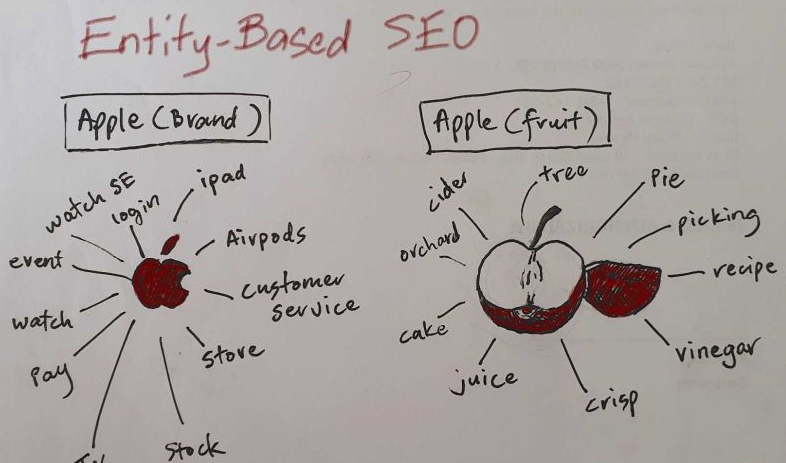
Entities are named people, places, or things, or even concepts that have direct relationships to other entities. For search engines, understanding entities is crucial for parsing meaning in text and determining contextual relevance. This helps search engines grasp not simply phrases, but the precise subjects and objects these phrases point to, improving search results.
1. The Concept
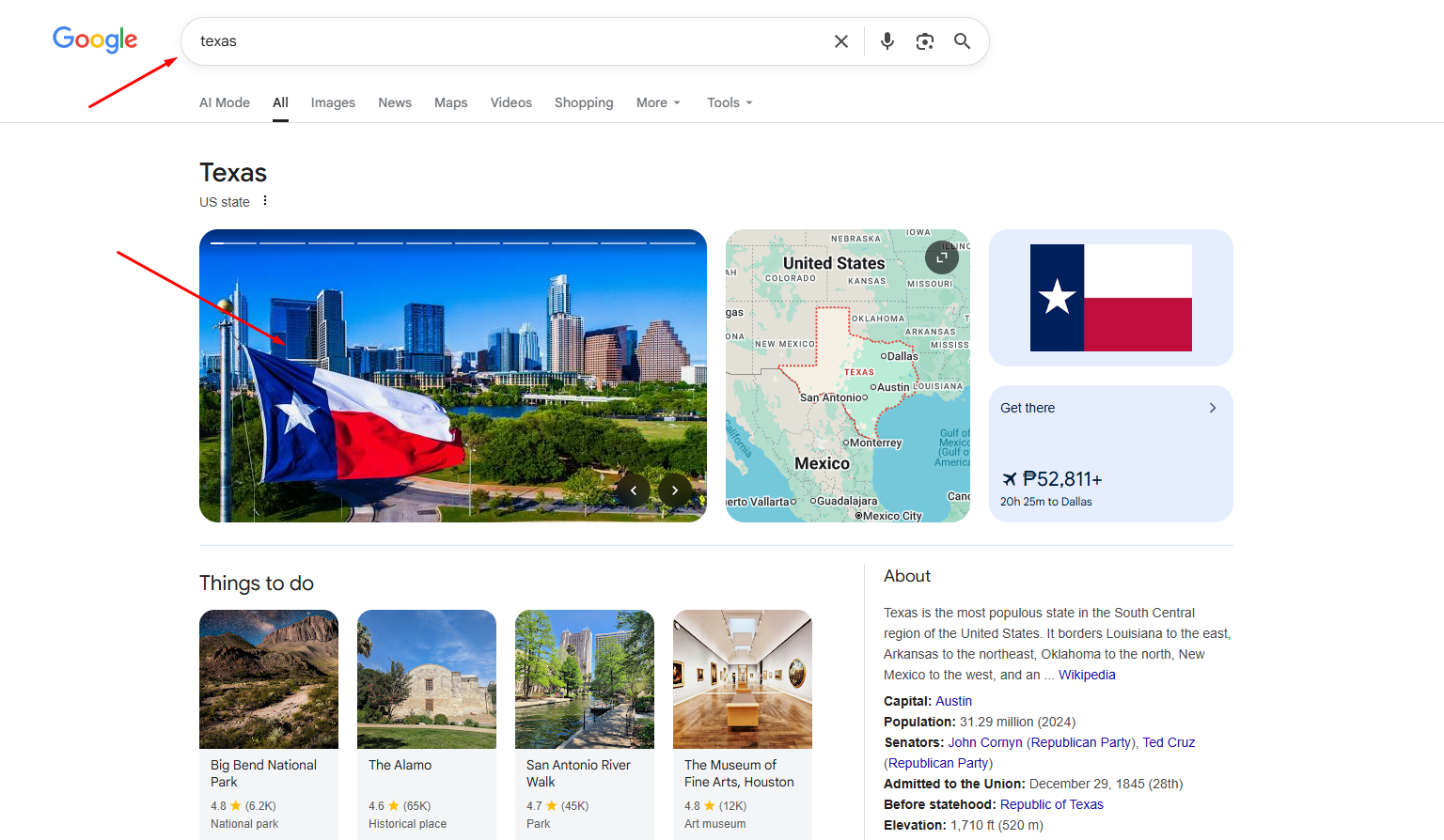
An entity in SEO is not just a word; it’s an actual thing. For example, terms like “Texas,” “Elon Musk,” or “taco truck on South Congress” represent specific entities that are real and statistically supported. Unlike simple keywords, entities have identity and relationships, which are crucial for search engine optimization. Understanding entities helps search engines grasp not only the words used but also the contextual relevance of the content.
For instance, ‘Austin’ isn’t merely a word; it’s a city in Texas known for its vibrant music festivals and barbecue. The importance of entities lies in their ability to assist search engines in understanding the meaning behind the words, enhancing search engine results. This is where semantic search comes into play, as it reaches beyond keywords to connect concepts, underlying entities, and relationships.
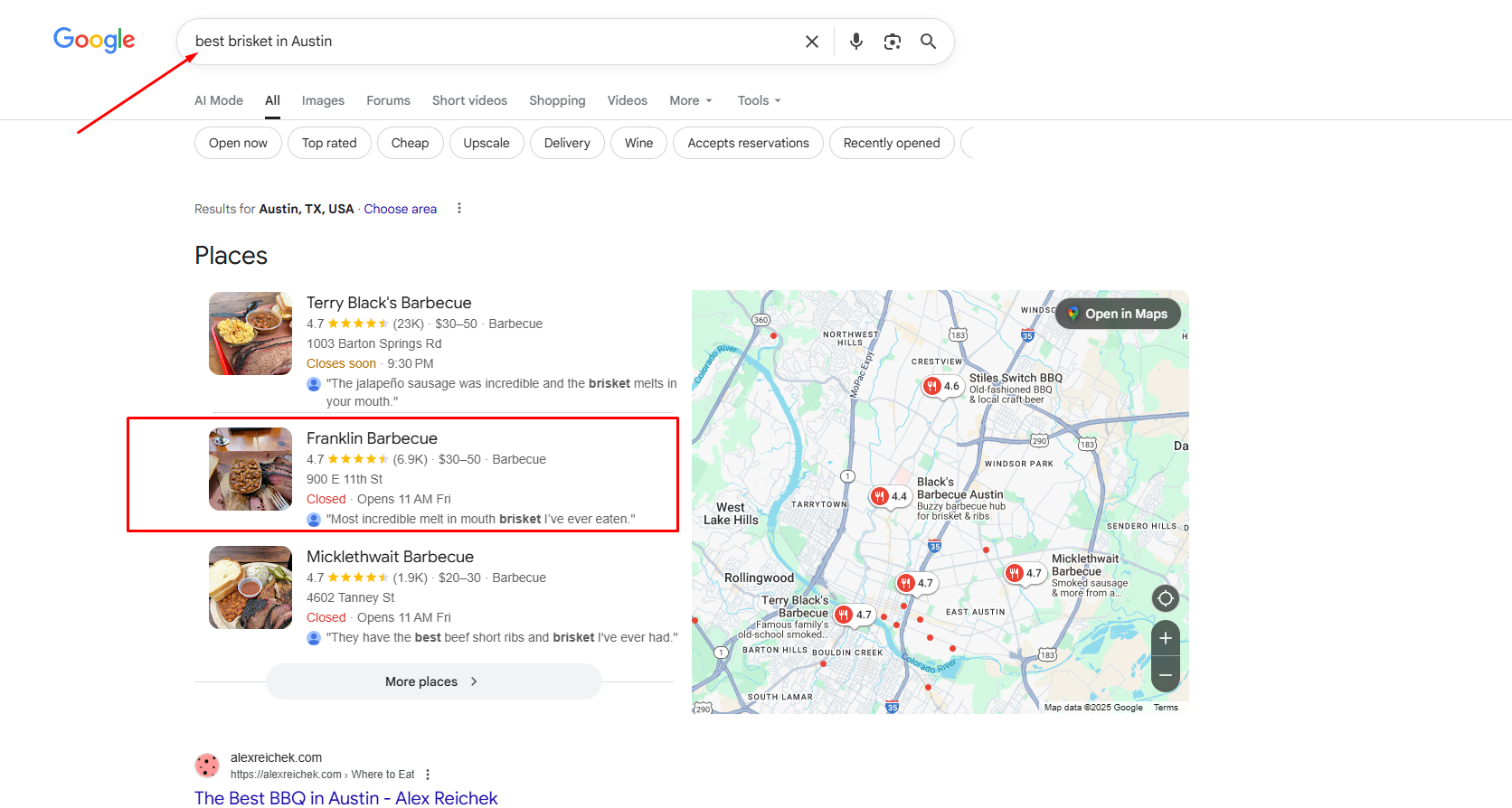
This is where semantic search comes in, reaching past keywords to the meaning behind them to connect concepts, things, and relationships. If you search for “best brisket in Austin,” Google’s entity recognition ties together “brisket” (food), “Austin” (city), and maybe even “Franklin Barbecue” (restaurant) to serve more relevant and useful results.
By understanding how entities work, you can craft website content that stands out and is more likely to be discovered and interpreted correctly by search engines, ultimately boosting your SEO strategy.
2. The Attributes
Every entity has a series of properties associated with it, which include unique identifiers like an ID number or a business listing, along with a web of links to other entities. For instance, ‘Barton Springs Pool’ may have properties such as location, which is Zilker Park in Austin, type, which is a natural pool, and related entities that are part of Austin’s city parks. Understanding entities is crucial for improving search engine results by providing clear contextual information.
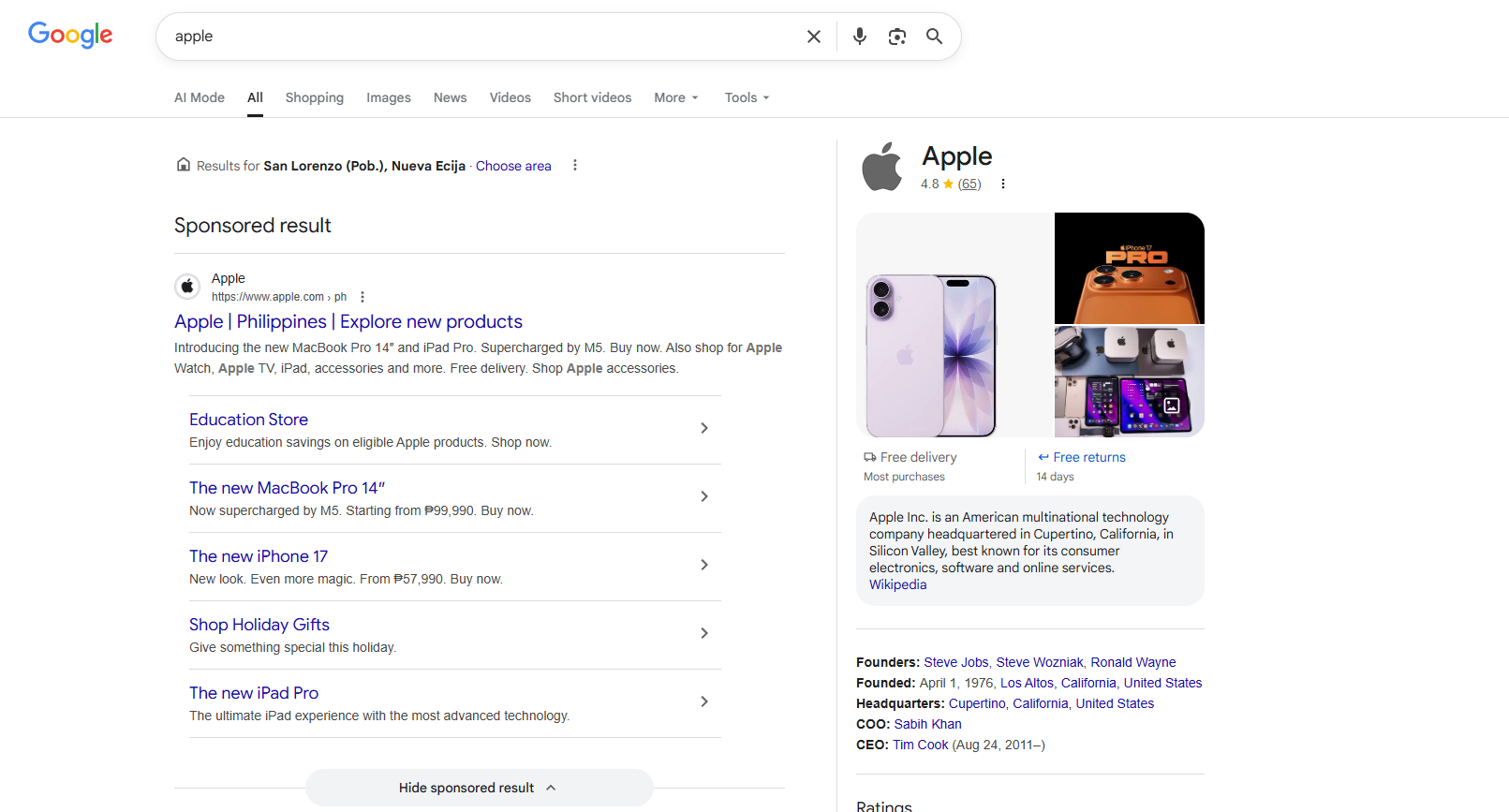
Attributes assist search engines in figuring out whether “Apple” refers to the fruit or the tech company. These properties serve as anchor points, providing search engines context to avoid confusion, thereby enhancing the effectiveness of your SEO strategy.
The more granulated the attributes, the greater the likelihood that your content gets matched to the appropriate search term. This translates into more targeted traffic and improved search results, leading to better user outcomes.
When you include structured data or semantic schema markup, you’re providing search engines a straightforward method to access all these attributes. This practice not only differentiates your content but also aligns with effective entity SEO practices, helping you get to the right searches.
3. The Distinction
They scratch way below the surface of keywords. A keyword is simply a word or phrase, but an entity is a complete idea connected to real-world objects. If you concentrate exclusively on keywords, you can drown in the clamor.
With entities you’re speaking the same language as Google’s algorithms. Knowing the distinction enables you to construct more intelligent SEO plans. You don’t have to repeat keywords; you can use topic clusters and internal links based on entities.
It matters even more today with natural language processing and more intelligent search engines. Keywords get people to your page, entities help search engines understand what you’re really talking about.
This results in improved rankings for the appropriate searches.
4. The Examples
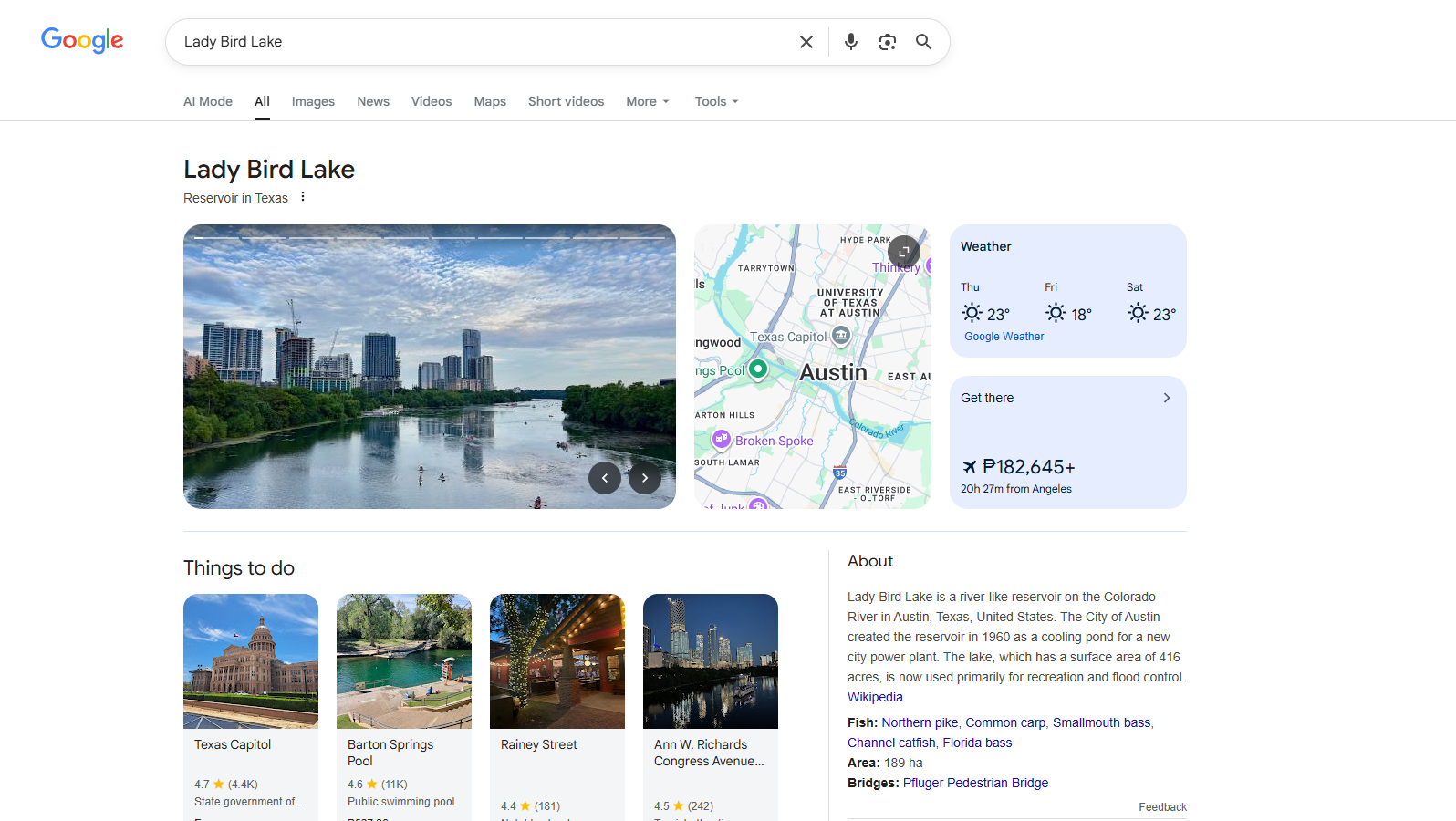
Take, for example, “Lady Bird Lake” (place), “Whole Foods Market” (company), or “SXSW” (event). These are things with their own Wikipedia pages, their own connections in Google’s Knowledge Graph, and their own attributes.
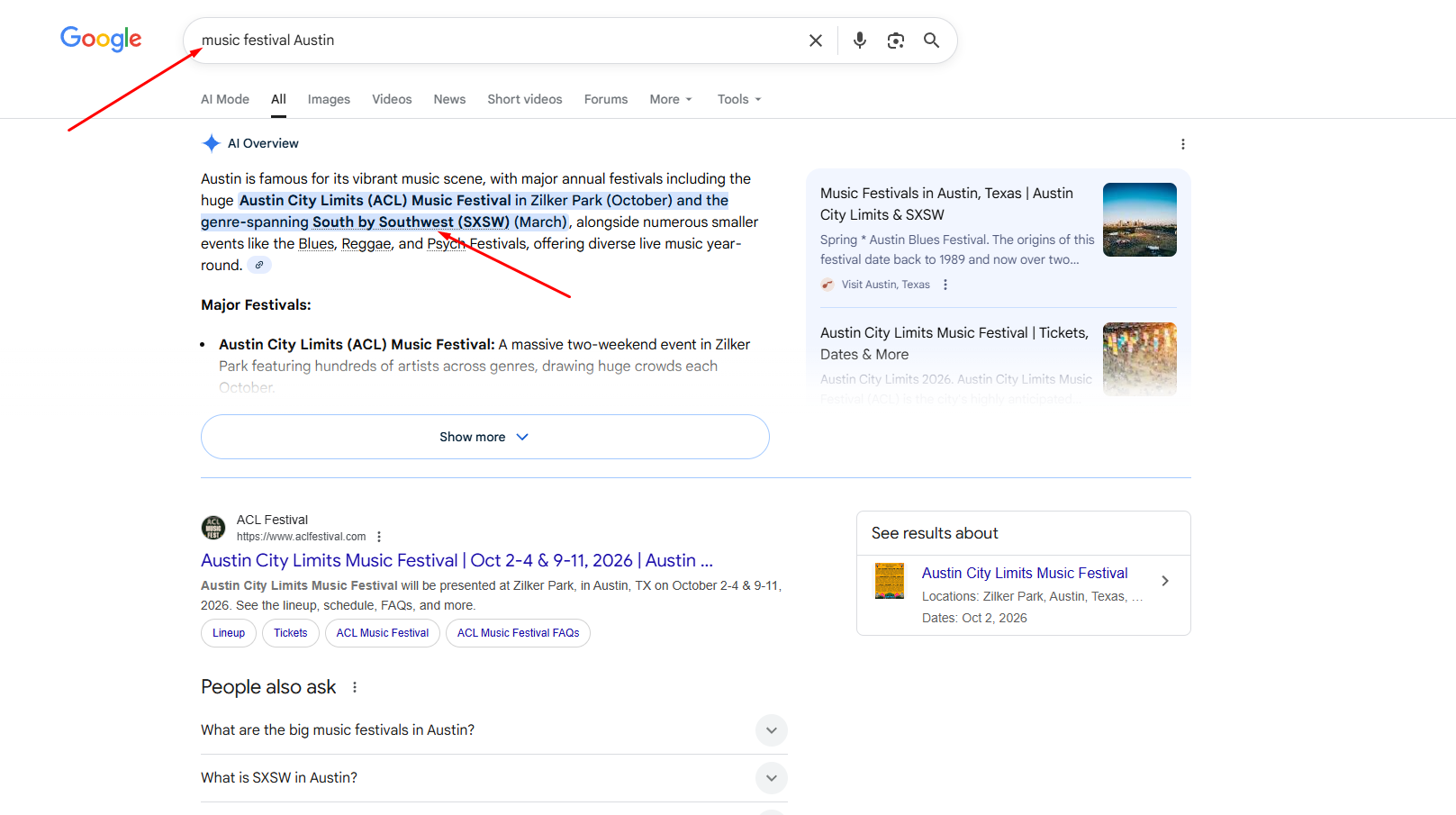
If you type in “music festival Austin,” Google can associate SXSW because it knows the festival takes place in Austin, attracts music enthusiasts, and is a significant event each year. Wikipedia is a great source for defining and verifying these entities since it contains structured info and links.
Observing these cases in actual queries aids in demystifying entity-level SEO. With entities, you get your content in front of the right people, in the right context, right here in Austin, TX.
The Knowledge Graph
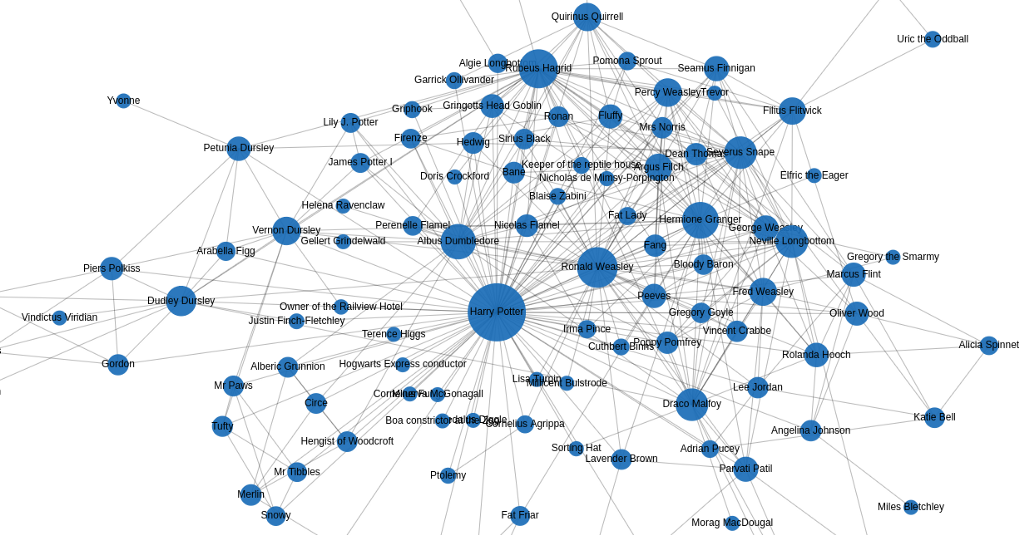
Google’s tool for weaving a web of facts, people, places, and things, and how they all fit together is crucial for understanding entities. Imagine it as a giant map linking billions of pieces of data, so when you look up “Austin musicians,” Google knows whether you’re talking about Willie Nelson or a bar band at South Congress. This isn’t just a list; it’s a living network that helps search engines figure out what’s what, even when words sound the same, like “Vancouver” in Washington State or BC.
It provides context by connecting entities—specific individuals, locations, labels, or concepts—with one another in organic, everyday-relevant manners. This contextual relevance is essential for effective search engine optimization.
| Feature | What It Does | Impact on Search Results |
|---|---|---|
| Structured Database | Stores and connects millions of entities | Gives richer answer boxes and fact panels |
| Context Understanding | Knows if “apple” is a fruit or a tech company | Shows the right info for user’s intent |
| Schema Markup | Uses special code to tell search engines about content | Makes search listings clearer and more useful |
| Disambiguation | Picks the right “Vancouver” or “Texas Ranger” | Reduces confusion in search results |
| Relationship Mapping | Links related topics, like “Austin BBQ” and “Franklin Barbecue” | Surfaces more connected, helpful results |
It’s called the Knowledge Graph because it understands that it needs to go beyond keywords. It assists Google in seeing the overall context. If your site is about “Austin bats,” the Knowledge Graph understands that “bats” means the ones living under the Congress Avenue Bridge, not baseball bats.
This context-aware savvy means Google can serve up your content to people who really want what you’re offering. Using the relationships mapped in the Knowledge Graph, search engines determine which results are more relevant and trustworthy, which can improve your site on the search engine results pages if it is viewed as an authority.
For SEO pros, this implies it’s insufficient to simply keyword-stuff a page. Instead, optimize for entities—the objects the Knowledge Graph understands, such as individuals, companies, or monuments.
Using Schema Markup on your site assists, as it enables you to identify and link these entities in a manner search engines can easily interpret. For instance, Schema for a local Austin restaurant informs Google not only the name but also the address, menu, and ratings.
This organization eliminates guesswork, prevents search engines from confusion, and gets your content in front of the proper audience, ultimately enhancing your overall SEO strategy.
Entity Optimization
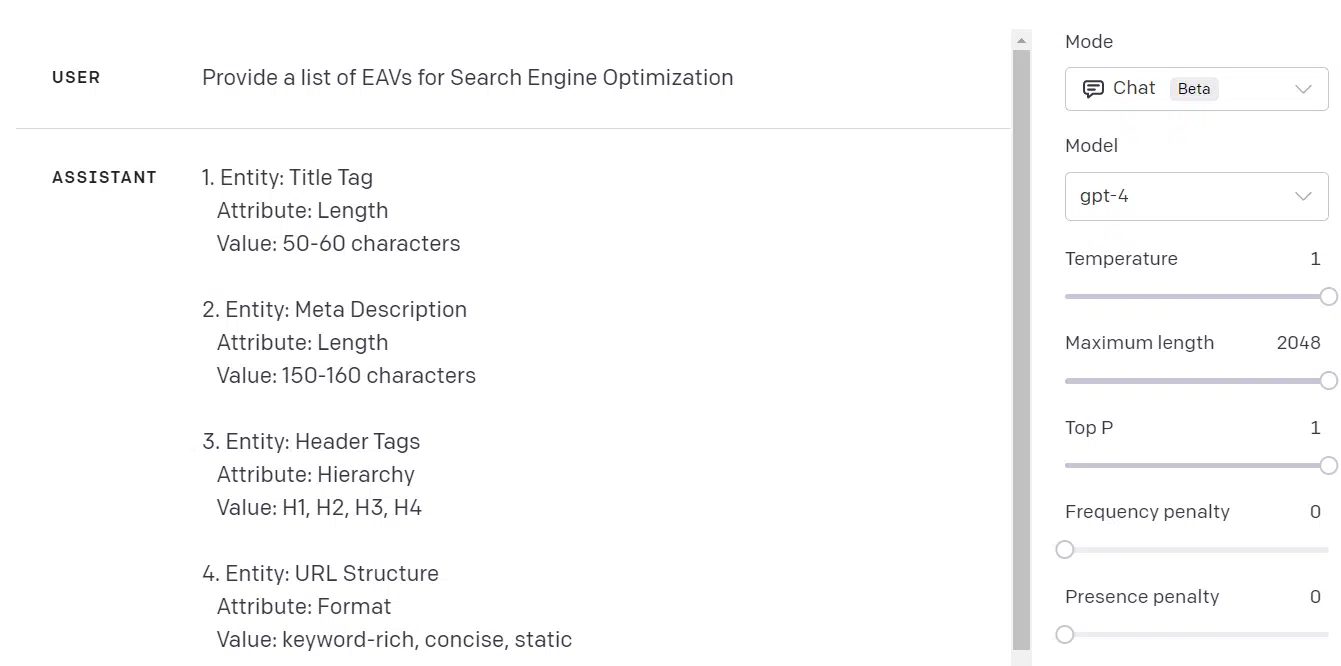
Entity optimization is about people, places, things, and ideas—not just keywords. Entity-optimized sites enjoy big rewards, with traffic increases often in the 25 to 100 percent range. This approach taps into how Google and other search engines now read the web: they want context, not just strings of words.
A robust entity game employs schema markup, links out to Wikidata, and even acquires a Wikipedia page for credibility. For SEO agencies, consultants, and buyers, entity optimization is a long game. It requires continuous audits, refreshing, and keen attention to semantic drift across content.
Entities are now the foundation of search visibility as Google increasingly relies on semantic and multimodal search. The idea is to assist the spider in understanding what your site is really about so it can connect you with people searching for your services.
Numbered list of strategies for optimizing content using entities:
- Audit all site content for mentions of important people, places, products, and concepts.
- Use schema on all pages with the appropriate sort for the entity.
- Add business details, reviews, FAQs, and events using structured data.
- Be sure to get into WikiData and a Wikipedia article if you can.
- Connect related entities on your site with intelligent internal links.
- Verify that entity information is consistent and aligned across all channels.
- Refresh pages as new facts, people, or trends arise in your industry.
Schema Markup
| Entity Type | Schema Property | Description |
|---|---|---|
| Person | Person | Name, job title, birth date |
| Organization | Organization | Name, logo, contact info |
| Place | Place, LocalBusiness | Address, geo-coordinates, opening hours |
| Product | Product | Name, price, brand, SKU |
| Event | Event | Name, startDate, location |
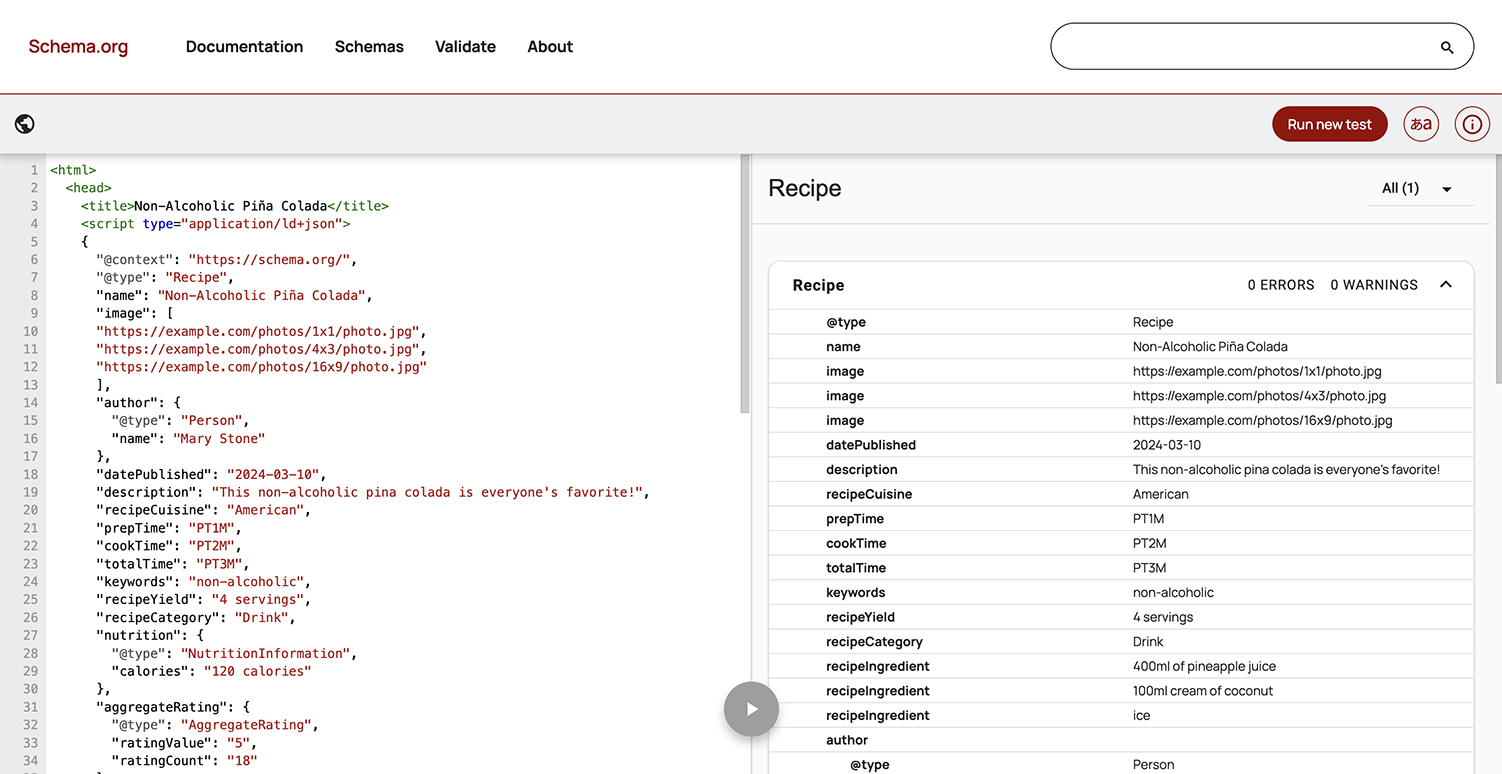
Schema markup allows search engines to ‘read’ your pages with less ambiguity. For instance, a Texas BBQ joint in Austin can apply LocalBusiness and Place schema to emphasize its location, menu, and hours. Schema assists Google in displaying rich snippets, such as ratings or event dates, directly within the search results.
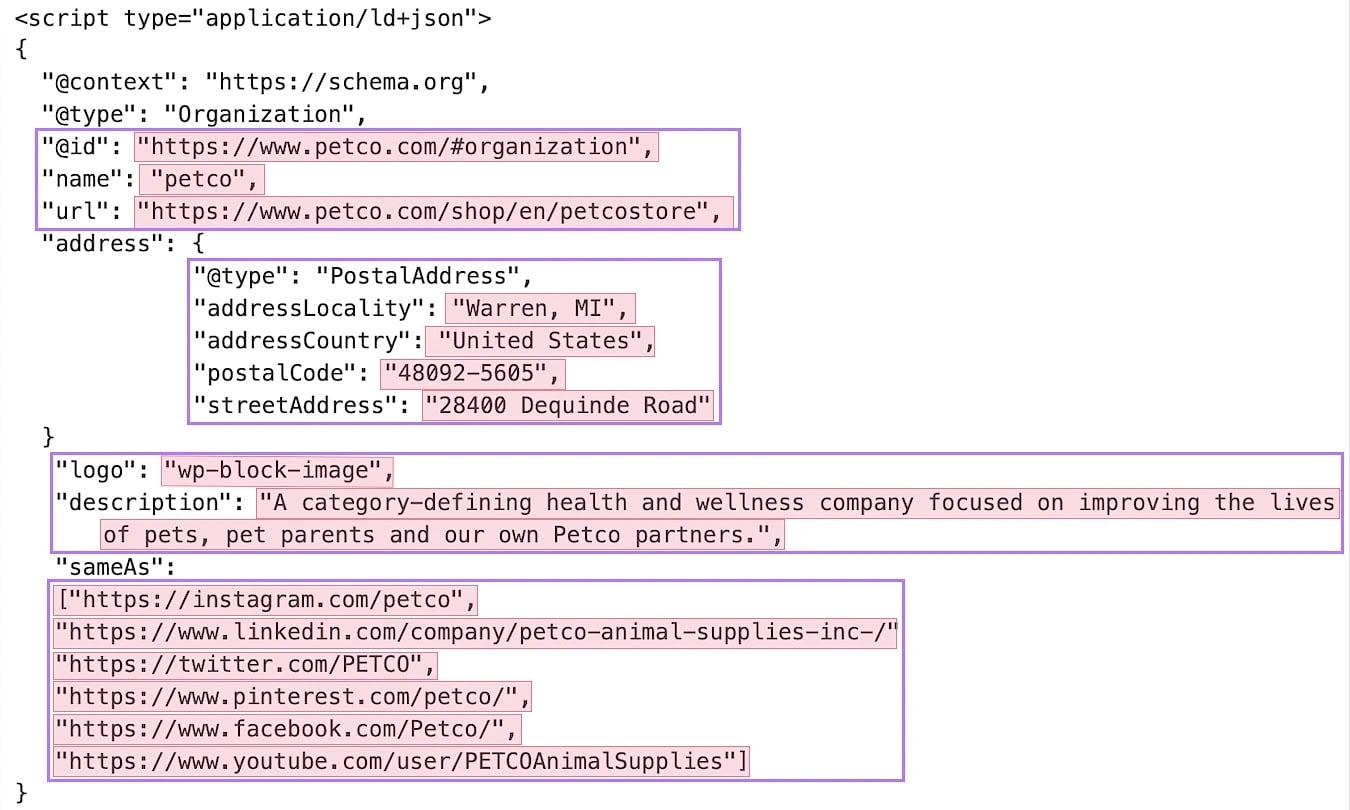
With schema.org properties, you can flag people, places, or things right in the code, making it crystal clear who or what the content covers. This makes your entities shine and get captured by Google’s Knowledge Graph, which is great for your site’s visibility.
Content Integration
Entities have to show up organically in your content. Say you’re blogging about Austin live music venues – name the best venues, main performers, and types of events. This informs both users and search engines what your page covers.
Scatter entities in headers and body copy, even image alt tags so they fit in. Entity optimization, context is everything. Talk about how each entity relates back to your core topic to increase authority. The more on-topic entities you introduce, the more tightly woven your site’s topical map becomes, which helps Google trust your expertise.
For agencies, this translates to refreshing and scaling content as new venues, artists, or events pop up.
Internal Linking
Here’s a checklist for effective internal linking:
- Map out all key entities on your site.
- Link back related pages with anchor text that suits the entity, such as ‘Austin BBQ joints’ or ‘Texas blues legends’.
- Double-check that links work and keep paths short.
- Update links as new entities arise or old ones shift.
Internal links assist Google in mapping the relationships between entities on your website. They simplify navigation between topics for visitors, which keeps people on your site for an extended period.
This creates context for search engines and improves UX simultaneously. Link to demonstrate how different entities, such as artists, venues, and concerts, are related. That way you enhance SEO from both the tech and human angle.
Algorithmic Impact
Search engines leverage entity relationships to render search results more precise and relevant. Entities are not mere keywords; they are actual objects, such as individuals, locations, companies, or products, which search engines are able to comprehend and interconnect. Google and Bing went from simply matching words to mapping out how these underlying entities are connected. This tells them if anybody wants the city Austin, the musician Austin, or the University of Texas at Austin.
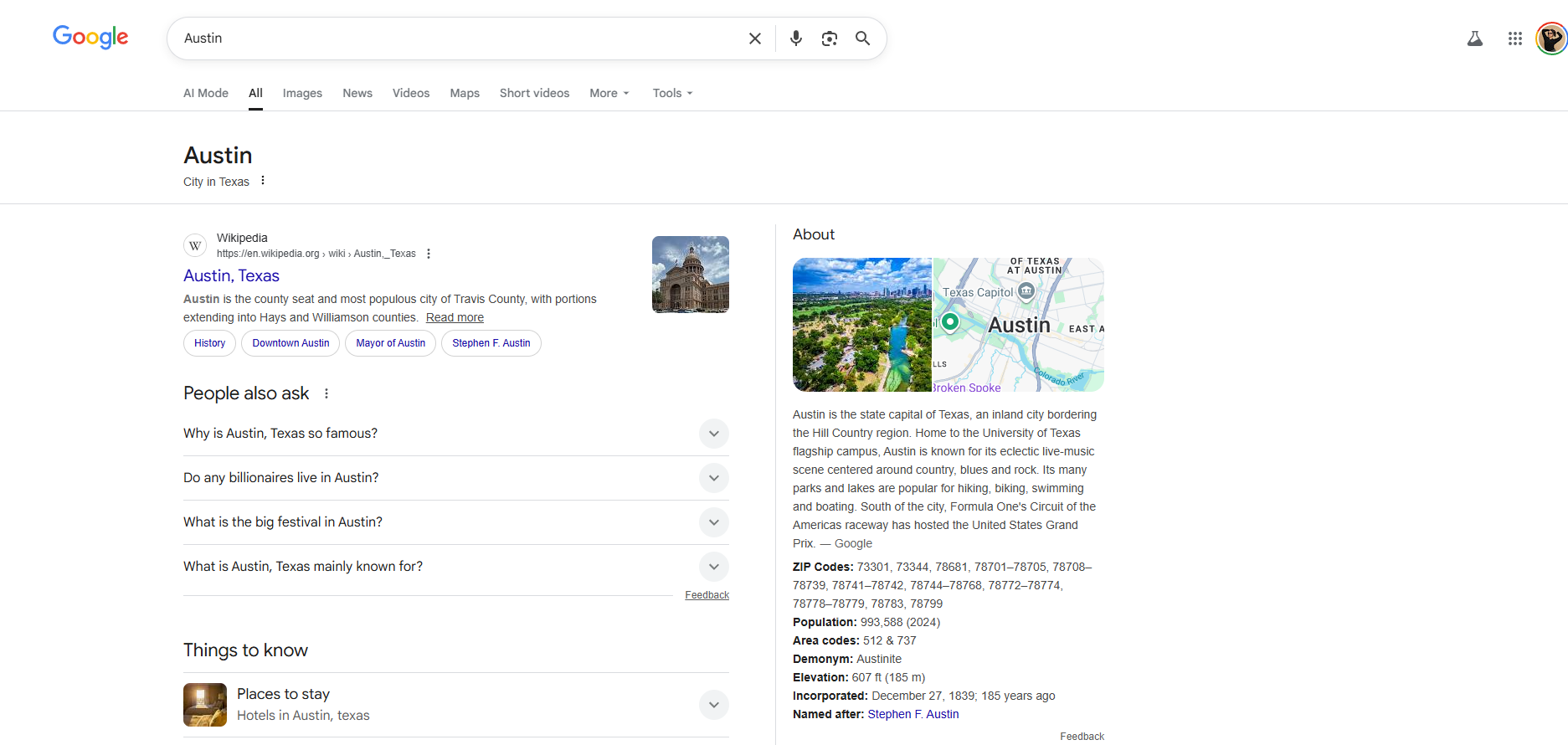
Having the big picture, algorithms reveal insights that align with what users truly intend. When these algorithms change, they frequently adjust how they identify and score these bodies. For instance, Google’s changes over the past five years have allowed named entity recognition to become an even bigger ranking factor. Now, it’s not sufficient to keyword-stuff a post.
The page needs to identify what the top-level entities are and how they connect. If you post about BBQ in Austin, the search engine wants to see names of local BBQ joints, perhaps even the streets they’re on, and how they relate to Texan food culture. This transition implies that brands and agencies are forced to refresh their material regularly so it remains transparent and accessible for search engines to interpret.
Knowing how entities are used by algorithms informs smarter SEO strategies. For starters, leveraging tools such as semantic schema markup helps emphasize to who and what your page is about. This code functions like a name tag, ensuring that Google recognizes you’re referencing Franklin Barbecue, not simply any barbecue. When you nail this, rankings can leap by more than 20 percent and you’ll experience a bump in clicks and leads.
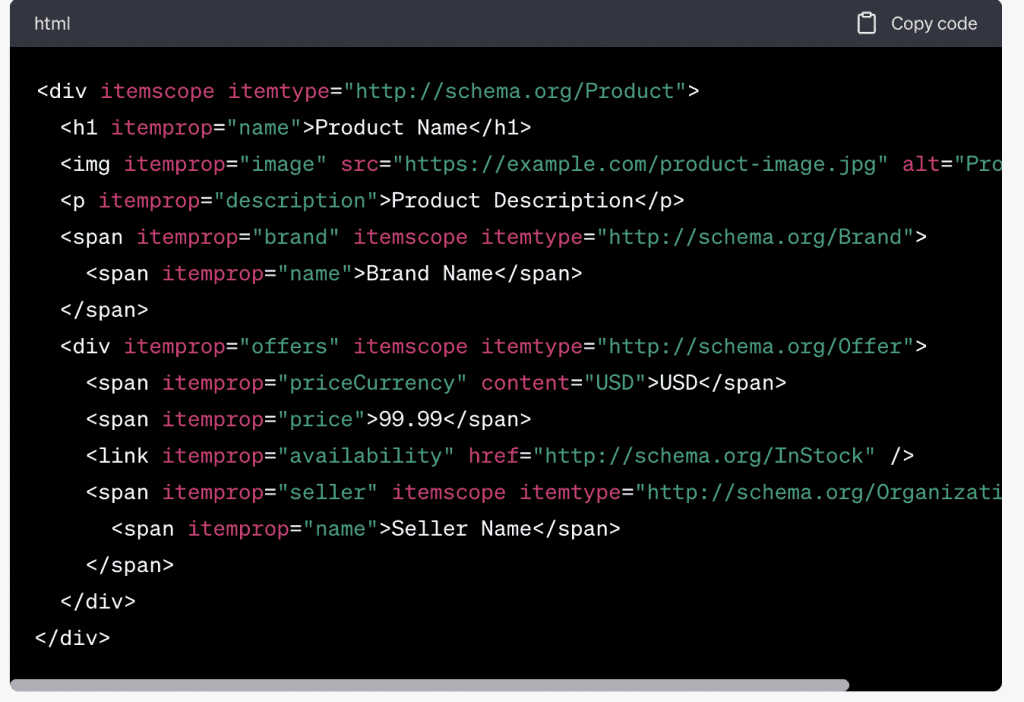
It’s not simply about doing one entity correctly. If your content involves two or more things — such as associating a local event with a well-known Austin musician — the search engines become finicky. The count of matching results declines, therefore your content has to be more explicit regarding those connections.
AI with ChatGPT and tools getting baked into search makes entity SEO even more crucial. These systems attempt to “think” more like humans, linking dots between concepts to respond to queries. For consultants and agencies, this means every page has to be prepared for this new mode of reading.
Maintain up-to-date schema markup, script for clarity, and never stop tracking Google and Bing’s algorithm updates. These updates do not merely adjust rankings; they alter how your audience discovers you.
Your Entity Ecosystem
Accelerating recommendations is all about your entity ecosystem. It’s the concept of your entity ecosystem, constructing an ecosystem of crisp, unambiguous entities and demonstrating their interconnections. This assists search engines in understanding what your site is about, trusting your content, and aligning your pages with people’s searches.
The cleaner your entities and their connections, the greater your opportunity to rank and attract the right visitors. It’s a leap beyond simple keyword mapping to instead map out the connections between entities. For instance, if you operate a site on live music in Austin, your ecosystem isn’t just “Austin” and “music.
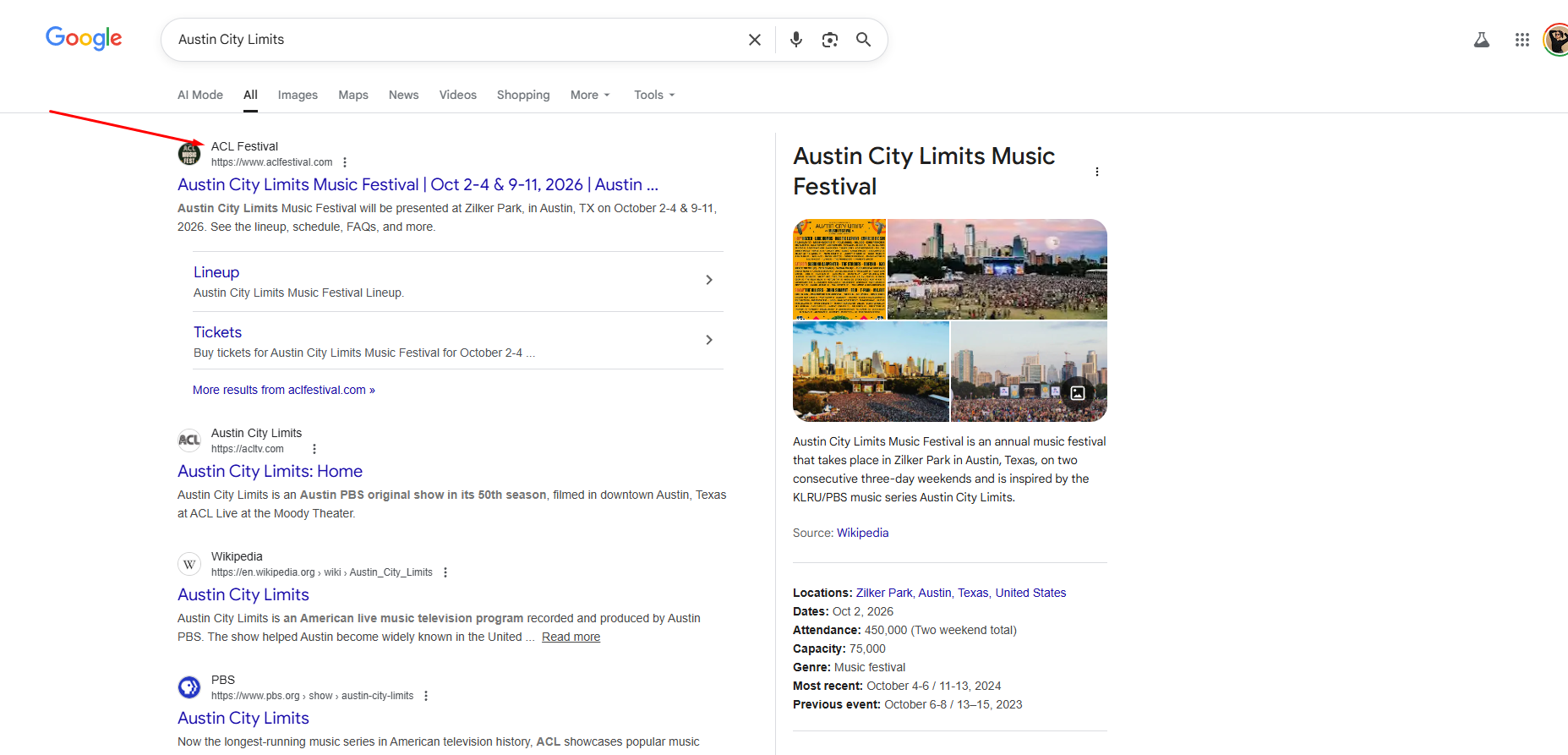
It’s “Austin City Limits,” “Red River Cultural District,” “Willie Nelson” and even “BBQ joints near live music venues.” Each of these is an entity with facts (dates, places or genres, for example) and each connection helps search engines determine how extensive your site’s expertise might be. Laying out these ties can be as easy as sketching out a mind map or as technical as constructing schema markup right in your code.
Identifying key entities begins by examining what’s already familiar in your niche. For example, for an Austin SEO company, you’d want to target local landmarks, hot Austin-area businesses, famous people, and popular industry keywords. Tech like Google’s Knowledge Graph and SEMrush’s entity reports can help identify what’s most visible.
Once you know the key players, use schema markup to identify them in your content and link out to authoritative sites. For example:
If you refer to ■The University of Texas at Austin■, use markup to associate that name with the specific school, not just any ■university in Texas■.
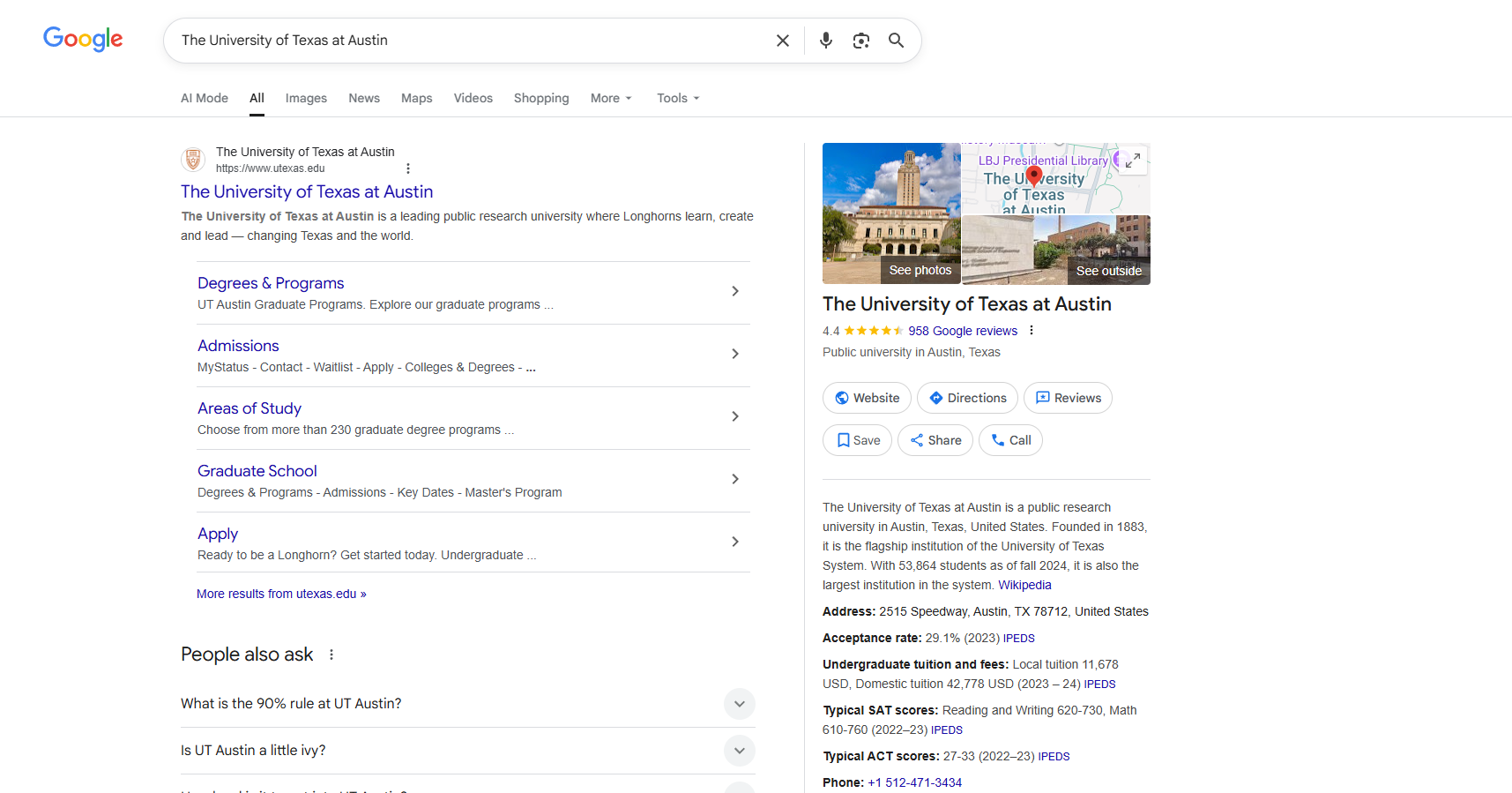
This keeps things straight for search engines, particularly because some names have multiple meanings.
A smart entity ecosystem can translate into higher rankings, up to 20% better, because it enables search engines to connect your site to more general as well as niche searches. Schema markup and smart linking can eliminate ambiguity, assisting Google in distinguishing between “Austin” the city, “Austin” as a given name, or a business named “Austin.
By emphasizing relationships, for example, a band playing in a venue or a chef running a food truck, you provide search engines with more to chew on. This gives your site a better chance of appearing in rich results and knowledge panels.
Entity optimization now lies at the core of contemporary SEO. Search engines use the links, facts, and context around your entities to optimize results, increasing your content’s relevance by as much as 20%. The effort you invest in your ecosystem repays itself in better rankings, more relevant search results, and a direct route to your real visitors.
Avoiding Missteps
Fine-tuning entity optimization in SEO requires a keen eye for details and a steady hand on strategy. With so much riding on nailing entities, particularly in a hypercompetitive, rapidly evolving market like the U.S., it’s worth avoiding entity-related missteps that stunt search rankings and contextual relevance. A lot of veteran SEOs have watched campaigns stall simply because fundamentals got neglected or misinterpreted.
Do’s
- Define your audience’s real requirements and search intent ahead of writing or editing content.
- Use Schema.org markup to ensure that Google and other search engines see what your entities are, not just what you want them to see.
- Refresh and experiment with your schema markup frequently to stay ahead of Google’s experimentation.
- Speak clearly and simply about your primary entities. Steer clear of jargon or double entendre.
- Link relevant parties in your posts with powerful, targeted links and anchor text.
- Monitor how your content appears in search. Use tools to detect shifts in rankings or the appearance of rich snippets.
- Learn the various search intent types—informational, navigational, commercial investigation, transactional—then align your content and entities with these demands.
Don’ts
- Don’t spam your page with stray organizations or dump tons of keywords. This muddies significance and sinks your appropriateness.
- Don’t disregard updates to schema.org standards or Google’s guidelines.
- Don’t describe things with ambiguous or generic words, or you’ll confuse both users and search engines.
- Don’t do SEO and walk away. Old entity optimization won’t keep up with changing search trends.
- Don’t ignore user activity data or feedback regarding your content’s clarity and helpfulness.
Ambiguity is SEO’s silent killer. When a page flips between meanings or uses a phrase in too many ways, Google can’t figure out the underlying entities and drops your page down the rankings. In Austin, for instance, ‘bat’ could refer to the iconic Congress Avenue bats or a bit of baseball equipment.
Transparent, precise entity utilization backed by semantic schema markup slices through ambiguity and sends the proper signals to search engines. For proper entity setup, begin with research. Learn how your target users discuss your topic and what specific words have obvious, distinct significance.
Implement schema markup beyond the homepage to every core page, explaining entities and their relationships in natural language. Run periodic audits using tools such as Google Search Console or Schema Markup Validator. These checks assist you in identifying overlooked opportunities or mistakes that restrict rich snippet qualifications and information gain.
SEO is a continuous game. Algorithms change, schema standards evolve, and user behaviors adapt. Monitor how your entity-driven content is performing and adjust your approaches as search engine algorithms and user behavior shift.
When you connect all these habits, you create content that weathers time and transition.
Conclusion
To sum it up, SEO entities make sites appear and differentiate. Google loves robust, unambiguous data. Imagine a restaurant in Austin. The menu, the chef, the city—all of those are entities. They assist Google in getting to know the location better. Sites with clear, linked information get seen more. That translates into more people passing through your virtual threshold.
Nailing this is no magic. Just be authentic, be factual, and demonstrate what makes your site hum. Mess up your entities, and you get lost in the crowd. Nail them, and you shoot up the rankings.
Ready to improve your site’s game? Check us out at SirLinksALot. We know how to get your site on the map, Texas style.
Frequently Asked Questions
What is an SEO entity?
An SEO entity, such as a person, location, or idea, is crucial for understanding entities that search engines can identify and comprehend, helping Google link search queries with relevant information for improved search results.
How does the Knowledge Graph use entities?
The Knowledge Graph structures important entities and their relationships, enhancing contextual understanding for improved search results and aiding Google in grasping context beyond just keywords.
Why is entity optimization important for SEO?
By optimizing for specific entities, search engines can enhance their understanding of your website’s content, improving search engine results and boosting your niche authority.
How do entities impact Google’s algorithm?
Entities enable Google to go beyond keyword matching, enhancing its understanding of semantics and entity relationships, thus improving search engine results.
What is an entity ecosystem?
Your entity ecosystem is the web of relevant entities linked to your brand or site, enhancing contextual relevance and improving search engine results.
Can incorrect entities hurt my SEO?
Yes, misusing or mislinking to specific entities confuses search engines, which can damage your search rankings and authority.
How can local Austin businesses use entities in SEO?
By optimizing for Austin-specific entities, such as landmarks, neighborhoods, and events, we enhance contextual relevance, aiding Google in linking your business to local searches and improving search engine results.