Key Takeaways
- A New Era for the Web: WebMCP is a proposed standard that transforms websites from static pages designed for human clicking into interactive platforms that AI agents can use directly.
- No More Guessing: Instead of AI bots scraping code and guessing how your site works, WebMCP provides a structured menu telling the AI exactly what actions it can take.
- It is Happening Now: This is not a futuristic concept. OpenAI has already rolled out “Site tools” in the ChatGPT desktop app, and Google Chrome is running active trials.
- Human Consent Remains Key: While AI can fill out forms and search catalogs for you, critical actions like buying a product or booking a meeting still require a human to click the final button.
- Authority is Everything: WebMCP is useless if AI engines never find your site. Building massive off-page authority through SirLinksALot.co is how you force AI models to trust, cite, and ultimately interact with your brand.
For over two decades, we have built websites with one simple rule in mind: they are for humans to click and bots to read.
We focused on beautiful designs, catchy headlines, and bright buttons to make sure human visitors knew exactly where to go. Meanwhile, search engine bots quietly read the text in the background to figure out what the page was about.
But generative AI just completely changed the rules of the game.
Today, people don’t just want AI to read a website for them. They want the AI to take action. They want to tell an AI agent, “Find me a great pair of running shoes in size 10 on this website, and add them to my cart.”
The problem? Most websites simply aren’t built to let an AI do that reliably.
If you are wondering exactly what WebMCP is and why tech giants are suddenly rushing to implement it, you are looking at the next massive technical shift in digital marketing. It is the bridge that finally allows AI agents to interact with your website the same way a human would.
Let’s break down exactly how this works, why it matters, and how you can turn this new technology into actual booked meetings and captured leads.
What is WebMCP?
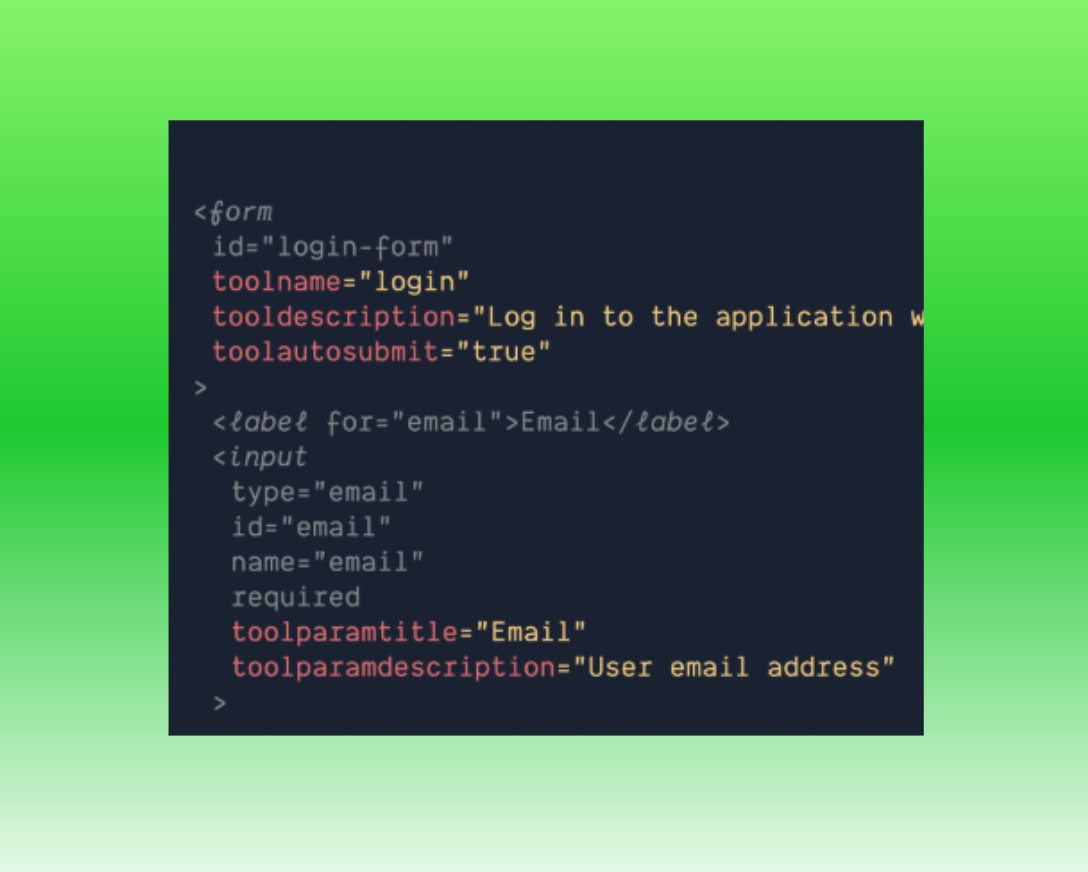
So, directly answering the big question: what is WebMCP?
WebMCP (which relates to the Model Context Protocol) is a proposed web standard that allows your website to hand an AI agent an actual, readable menu of tools it can use right inside a user’s browser.
Instead of just showing the AI a webpage full of code, WebMCP tells the AI exactly what actions are available and how to execute them.
To understand why this is so revolutionary, you have to look at how AI agents currently struggle to use websites.
Right now, if an AI tries to fill out a form or search your site, it has to play a frustrating guessing game. Here is what that usually looks like:
- The AI scrapes the raw HTML code of your webpage.
- It tries to guess which text box is for a first name, which is for an email, and which button actually submits the form.
- If you change your website’s design, update a plugin, or move a button, the AI gets confused and breaks.
WebMCP fixes this permanently.
It completely removes the guesswork. It allows your website to speak directly to the AI in a language it natively understands.
Think of it like going to a restaurant. The old way of AI browsing was like forcing the AI to walk into the kitchen, look at all the ingredients, and guess what meals it could cook. WebMCP is simply handing the AI a printed menu.
It’s Not Science Fiction: The Tech is Already Live
It is incredibly easy to brush this off as a futuristic concept that won’t matter for another five years. But that would be a massive mistake.
You need to care about this right now because this technology is already live.
OpenAI has already shipped their own version of this, called “Site tools,” directly inside the ChatGPT desktop browser application. At the same time, Google Chrome is actively running trials for similar agentic web capabilities.
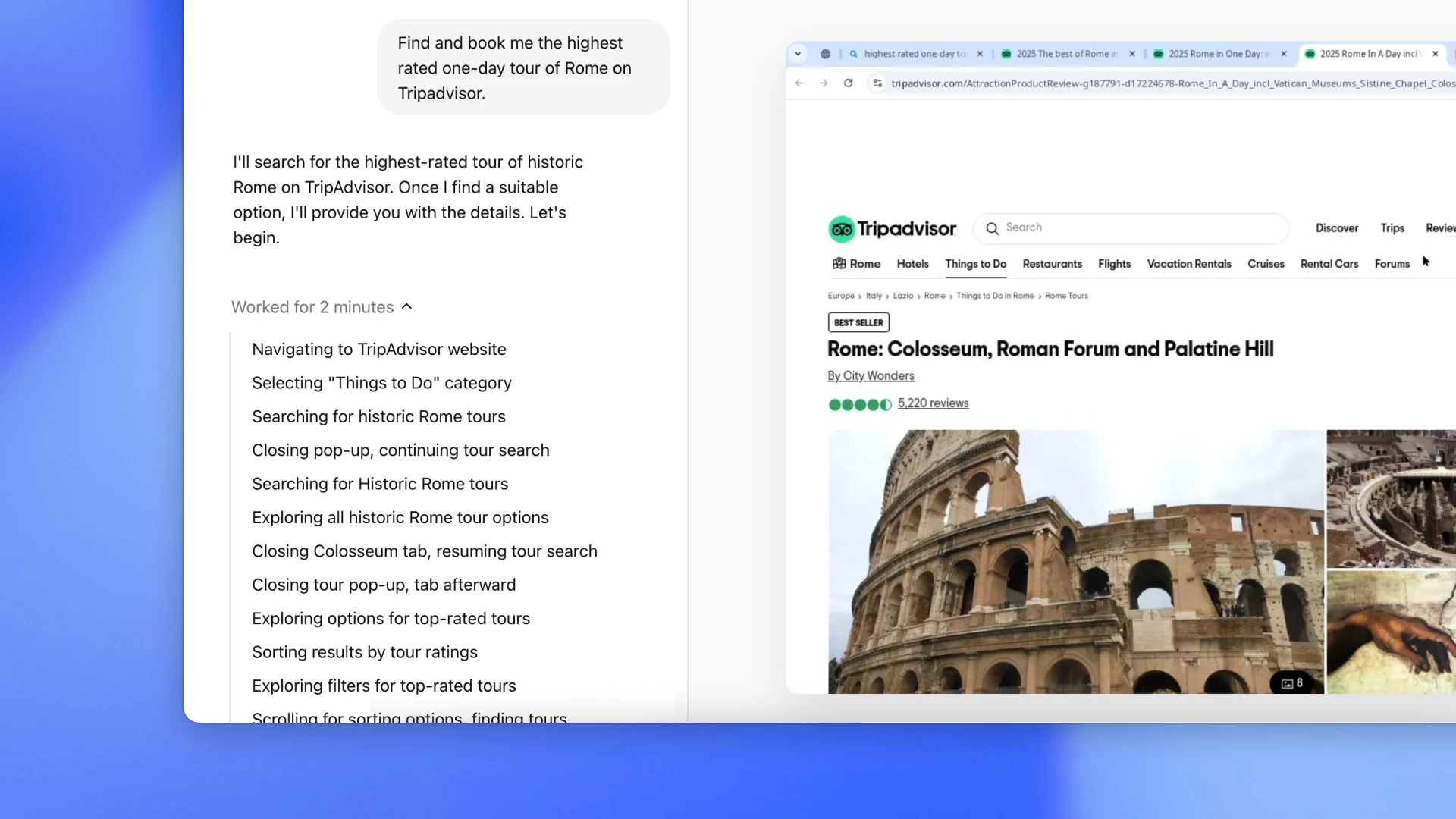
Real AI agents are calling real tools on live websites today.
Let’s look at a real-world example to see how this plays out for an everyday user.
Imagine you are planning a vacation. Instead of opening five different tabs, you just tell your ChatGPT desktop app: “Look at this hotel’s website and check if they have a suite available for next Friday under $300.”
Without WebMCP, the AI would just run a generic Bing search and hope it finds an answer in the text.
With WebMCP, the hotel’s website actively communicates with ChatGPT. It tells the AI, “Here is my availability checker tool. Enter the dates here.” The AI runs the tool, pulls the exact real-time pricing, and presents it to you instantly.
The standard might still be young, but the window to adapt is already opening. If your website cannot talk to an AI agent, you are going to lose traffic to competitors whose websites can.
Under the Hood: How the Tech Actually Works
You don’t need to be a senior software engineer to understand how to make your site callable.
WebMCP essentially breaks down into two main halves. Let’s look at how they work without getting bogged down in boring technical jargon.
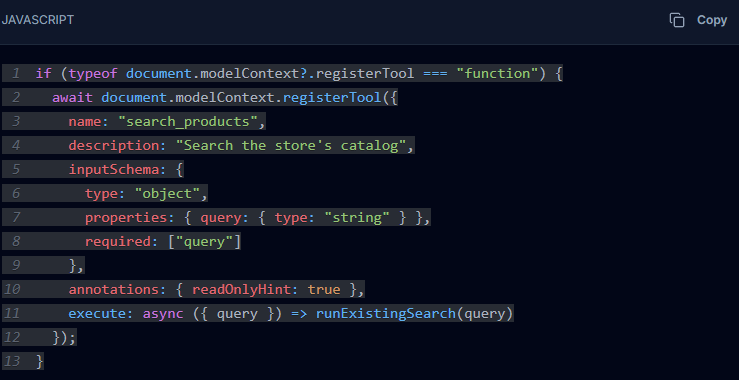
Imperative Tools
Think of imperative tools as direct commands. These are specific JavaScript functions you write that an AI agent can call directly.
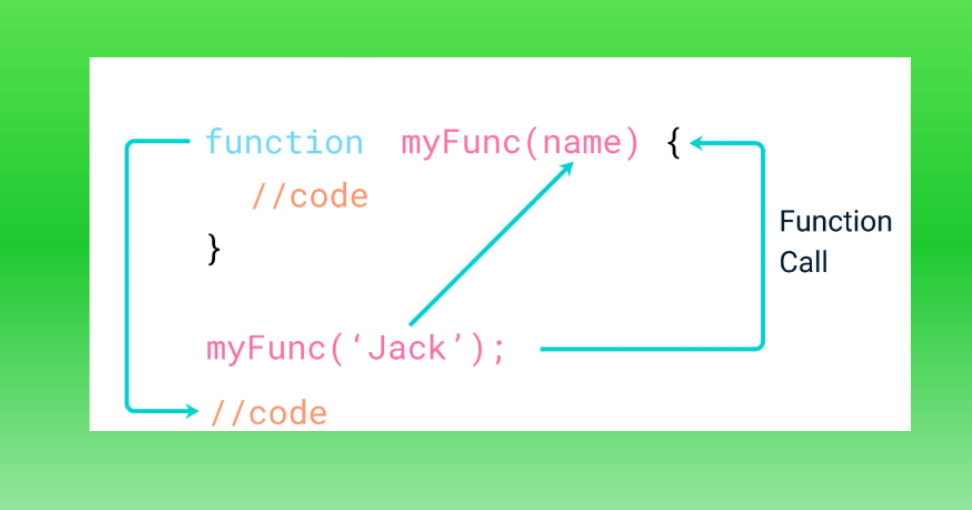
This is all about data retrieval and active searching.
For example, let’s say you run an e-commerce store. You can create an imperative tool that allows an AI to search your product catalog. When a user asks the AI to find specific items, the AI doesn’t have to scroll through your category pages. It simply triggers your JavaScript function, instantly pulling the exact products the user wants.
It is fast, seamless, and completely invisible to the human user.
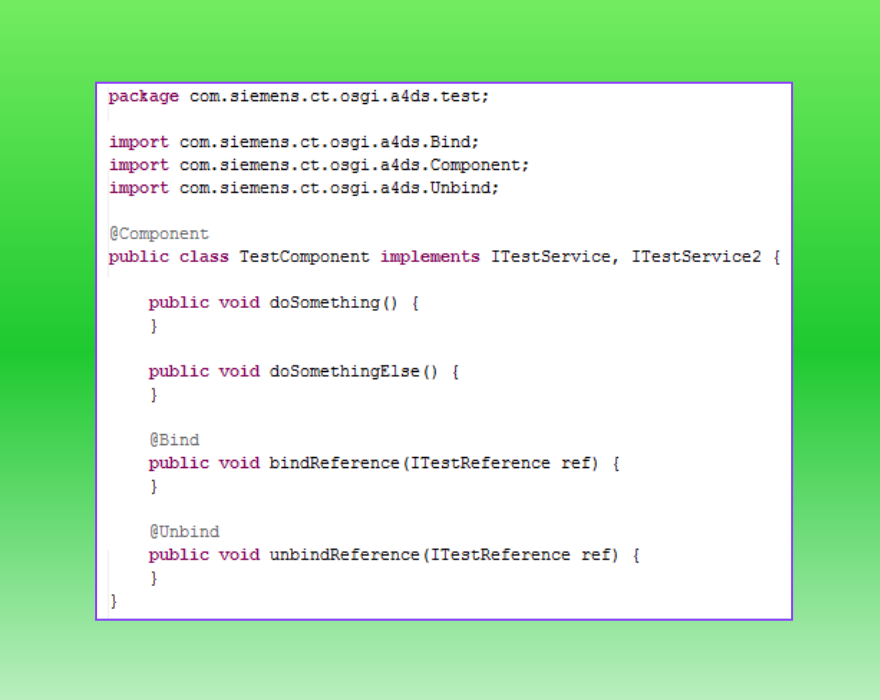
Declarative Annotations
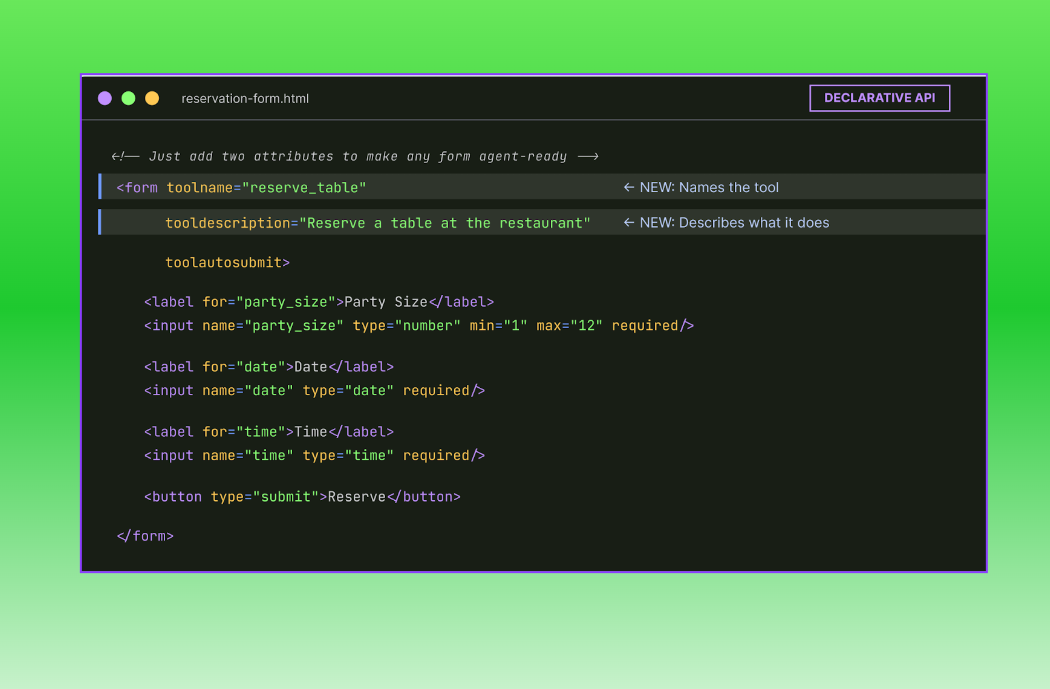
This is the quieter, safer half of the technology. Declarative annotations are all about forms and data entry.
Instead of writing complex code, you simply annotate (or tag) your existing HTML forms so the AI knows exactly what each field means.
Let’s say you run a personal injury law firm in Corpus Christi. A user tells their AI agent, “I was in a car accident; help me book a consultation with this law firm.”
Because you used declarative annotations, the AI knows exactly which box is for the user’s name, which box is for their phone number, and which box is for the accident details. The AI perfectly types out all the information for the user in a fraction of a second.
However, the AI does not click submit. It waits for the human to review the information and physically click the button. Which brings us to the most important part of this technology.
Capability vs. Consent: Keeping Humans in Control
When business owners first hear about WebMCP, they usually panic about security.
They ask: “Wait, am I just giving an AI free rein to click buttons on my website? What if it accidentally buys a car or books a non-refundable flight?”
This is the massive security elephant in the room. And WebMCP solves it through a strict division between capability and consent.
Adopting this standard means you get to decide exactly which actions an AI is allowed to trigger automatically, and which actions require human approval.
- Safe Actions (AI can do alone): Reading a blog post, checking inventory, sorting a product catalog, or filtering search results. These are harmless, read-only actions. The AI can do these instantly without asking the human.
- Risky Actions (Require a human click): Buying a product, transferring money, booking a binding consultation, or submitting sensitive personal data.
For risky actions, the AI does all the heavy lifting. It finds the right page, it fills out the forms, and it sets everything up perfectly. But the action pauses right before the finish line.
The human user still has to look at the screen and physically click the “Submit” or “Buy Now” button. It keeps the speed of AI while maintaining the safety of human consent.
The Authority Multiplier: Getting AI to Actually Find You
Here is the hard truth about WebMCP and AI agents: making your buttons clickable for bots is entirely useless if AI engines ignore your website in the first place.
Traffic and visibility mean absolutely nothing if the AI cannot take action on your site. But conversely, the ability to take action means nothing if you have no visibility.
This is the ultimate strategic shift in digital marketing. You have to get the AI to your door before you can invite it inside.
Large language models like ChatGPT, Claude, and Google’s AI Overviews don’t just randomly pick websites to recommend. They rely heavily on off-page authority. They look for signals of trust, and the strongest signal of trust on the internet has always been—and still is—high-quality backlinks.
This is exactly where SirLinksALot becomes your ultimate advantage in the generative search era.
By building massive, legitimate off-page authority through premium guest posts, niche edits, and strategic link-building campaigns, you force AI engines to view your domain as a core, trusted source.
When you use SirLinksALot to dominate your niche’s authority, AI models naturally start pulling your content, citing your brand in their answers, and directing their users to your pages.
This is how the two technologies work perfectly together:
- SirLinksALot builds the undeniable authority that gets the AI to recommend your brand and visit your page.
- WebMCP ensures that once the AI agent arrives, it can actually interact with your site, fill out your forms, and navigate your catalogs.
WebMCP is the ultimate conversion mechanism. It is exactly how you turn all of that hard-earned, off-page authority generated by SirLinksALot into actual booked meetings, product sales, and captured leads.
Conclusion
The web is evolving faster than ever. We are rapidly moving away from an internet where humans have to click through clunky menus, to an internet where AI agents act as our personal concierges.
WebMCP is the foundational technology making this happen. By giving AI a structured, readable menu of tools, you eliminate the guesswork and make your website truly actionable for the next generation of browsers.
But remember, the best conversion tech in the world won’t save a website that nobody sees. You need authority to earn the AI’s trust. Partner with SirLinksALot to build the high-authority backlinks that put you at the top of the generative search food chain, and use WebMCP to close the deal when they arrive.
FAQs
What does WebMCP stand for?
WebMCP stands for Web Model Context Protocol. It is a proposed standard that helps AI models and web browsers communicate directly with websites, allowing AI agents to use tools, fill out forms, and navigate pages without having to guess how the site is coded.
Can an AI agent buy something on my site without the user knowing?
No. WebMCP is designed with strict security limits based on consent. While an AI can safely search a catalog or fill out a checkout form on behalf of a user, taking a critical action like processing a payment or submitting sensitive data always requires the human user to physically click the final button.
Is WebMCP already being used?
Yes. While it is still a new and developing standard, major platforms are already rolling out real-world applications. OpenAI has introduced “Site tools” inside the ChatGPT desktop browser, and Google Chrome is actively running trials to allow AI agents to interact directly with live websites.
How does WebMCP impact my SEO strategy?
WebMCP focuses on conversion and interaction, not necessarily ranking. However, it makes your traffic much more valuable. To get the AI to visit your WebMCP-enabled site in the first place, you still need traditional off-page SEO and high-authority backlinks (like those provided by SirLinksALot) to ensure AI engines trust and cite your domain as a top source.