Key Takeaways
- Marketing certifications are essential credentials because they increase your credibility, make you more attractive to potential employers, and promote career advancement through new job opportunities or raises.
- Choosing the right certification starts with choosing the right one for your career journey. Look at provider reviews and choose a program that fits your learning style—be it the flexibility of online classes or the networking of in-person events.
- You’ll find that certified marketers are usually paid more. They are equipped to adapt to fast-evolving digital platforms and martech.
- Certifications are especially useful to career changers. They’re an accessible, cost-efficient means of demonstrating transferable skills and rapidly gaining industry-specific knowledge.
- Here’s why marketing certifications are a smart investment. They tend to offer a quicker, cheaper path to in-demand expertise compared to degree programs and promote an ongoing education culture to keep pace with the industry’s evolution.
In today’s fast-moving digital world, marketing certifications have become more valuable than ever. They offer clear proof of your skills and help you stand out in a competitive job market—whether you’re focused on SEO, social media, PPC, or beyond.
Top industry leaders like Google and HubSpot now offer certification programs tailored to meet the demands of Austin’s growing tech scene. These programs are built to give you the hands-on experience and practical knowledge needed to succeed in a digital-first career.
But with so many options available, how do you choose the right one? It all starts with understanding your goals and identifying where you want to grow. In the sections ahead, we’ll break down your top certification choices and what each has to offer, so you can make the smartest move for your future.
What Are Marketing Certifications Anyway?

Marketing certifications are credentials that demonstrate your expertise in specific areas of marketing. They’re a way to prove you’ve learned the skills that matter to today’s digital world. In an area as competitive as marketing, having a well-known certification under your belt can make all the difference.
It’s extremely important when everybody’s resumes begin to resemble each other! These credentials aren’t just for show on LinkedIn. They send a strong signal to clients, bosses, and hiring managers that you’re serious about your craft and have done the hard yards.
Defining Professional Marketing Credentials
Hold your horses, there’s not just one type of marketing certification. You’ll discover ones for digital marketing, search engine optimization, content marketing, email marketing, and even data analytics. Think Google Analytics certification, HubSpot Inbound Marketing, Facebook Blueprint, etc.
Each one is an intensive, deep dive into one or two areas. This is a great way to gain true hands-on experience!
Degrees, certifications, and licenses are not the same thing. Degrees are formal credentials obtained from a college/university that typically require two to four years. Certifications are typically shorter—often only a few days or weeks—and focus on one specific skill.
Licenses are few and far between in marketing. Often, you will not require state licensing, but you may require a professional certification to prove your earnestness to a possible client or agency.
Big names provide these credentials—Google, HubSpot, Hootsuite, and the American Marketing Association, just to name a few. When you look at one of those names on a credentialing certificate, it means that credential is recognized and respected nationwide.
Purpose Beyond Just a Paper
Certifications aren’t just for displaying on your wall. They show you how to use various tools, run certain types of campaigns, and measure results. You’ll collaborate on real-world projects, in some cases with case studies or live dashboards.
Passing is usually a matter of reaching a pretty high score, like 80% or more, so you’d better know your stuff. Many people experience tangible benefits. Some find new jobs, others get promoted within their organization.
An entry-level digital marketer in Austin, for instance, could earn a HubSpot certification and find herself managing the direction of brand-new client projects. Some experience bumps up their pay because they offer new skills.
Certifications indicate that you’re a lifelong learner. See, marketing moves at lightning speed! Employers want to know that you’re staying on the cutting edge, not just riding on the knowledge you acquired a decade ago.
Certs for Career Changers
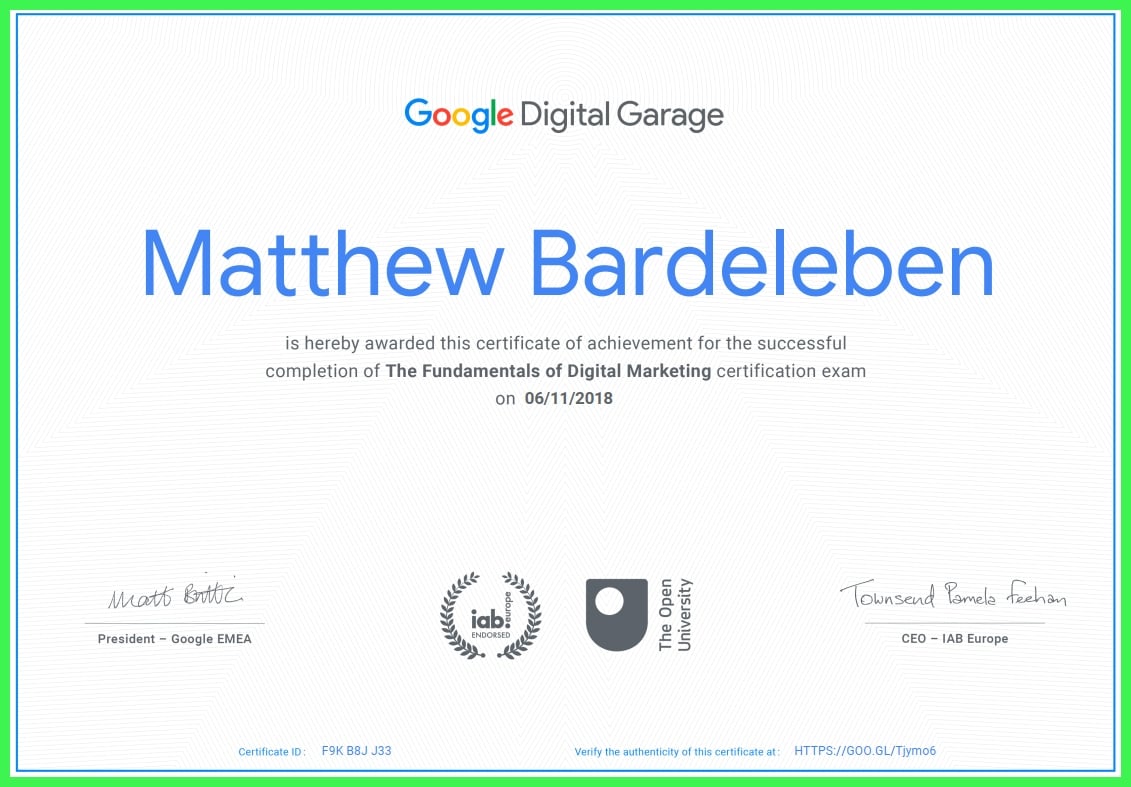
If you’re making the leap into marketing from education, sales, or technology, certs help make the transition easier. They get you up to speed with the lingo and tools quickly, signaling to employers that you’re committed to the transition.
Google Digital Garage and HubSpot Inbound are favorites for career changers—they’re hands-on, short, and easily recognizable. These can cost anywhere from a couple of hundred dollars to several thousand.
So you can really pick and choose what works best for your budget and schedule! Certifications demonstrate the soft skills obtained through your previous employment, for example, project management and communication.
They show that you know how to use these skills in a marketing context!
How Certs Truly Benefit You
Consider how marketing certifications function beyond their role as physical documentation. They serve to help fill knowledge gaps and get you the most current skills. This support helps you differentiate yourself in a quickly evolving discipline such as digital marketing!
Whether you’re in Austin or anywhere else in the U.S., this opportunity is a fantastic way to kickstart your career. Take advantage of this opportunity to get ahead! Certifications provide both a defined framework for your learning journey and access to new resources, tools, and community networks.
They’re not only aesthetically pleasing—they help you do more with less and get out ahead.
1. Validate Skills, Impress Employers
Certifications validate your skills and prove you’re the real deal. When you write Google Analytics certification or HubSpot certification on your resume, you’re showing that you’ve put in the time and effort and passed the exams.
In a job market heavy with digital marketing jobs like Austin, that type of credentialing can make all the difference and get you in the door. This is even more the case when every applicant’s resume reads the same!
We know that employers are looking for candidates who can come in and hit the ground running. Certs reassure them that you’re not just motivated, but you’re trained to wield the real deal.
Put these on your LinkedIn or resume and start attracting employers today! It’s effective no matter if you’re looking for your first internship or a senior position at a Fortune 500 firm.
2. Command Higher Salary Ranges
For those who are certified, that translates to about a 10% increase in salary level. According to this report, marketers who hold these highly sought after certs—like Facebook’s Blueprint or Google Ads—report making more than their non-certified counterparts.
In Texas, that’s the difference between earning $55,000 and $70,000 annually, even more for senior positions. True, getting certified isn’t cheap, and it may take you six months or more to do so, but the financial payoff is worth it.
The majority of them view it as an investment, rather than a simple cost. The advantage you receive usually outweighs the time and money invested. So if you’re looking for a raise or promotion, certifying yourself is a smart play.
3. Master Cutting-Edge Marketing Tech
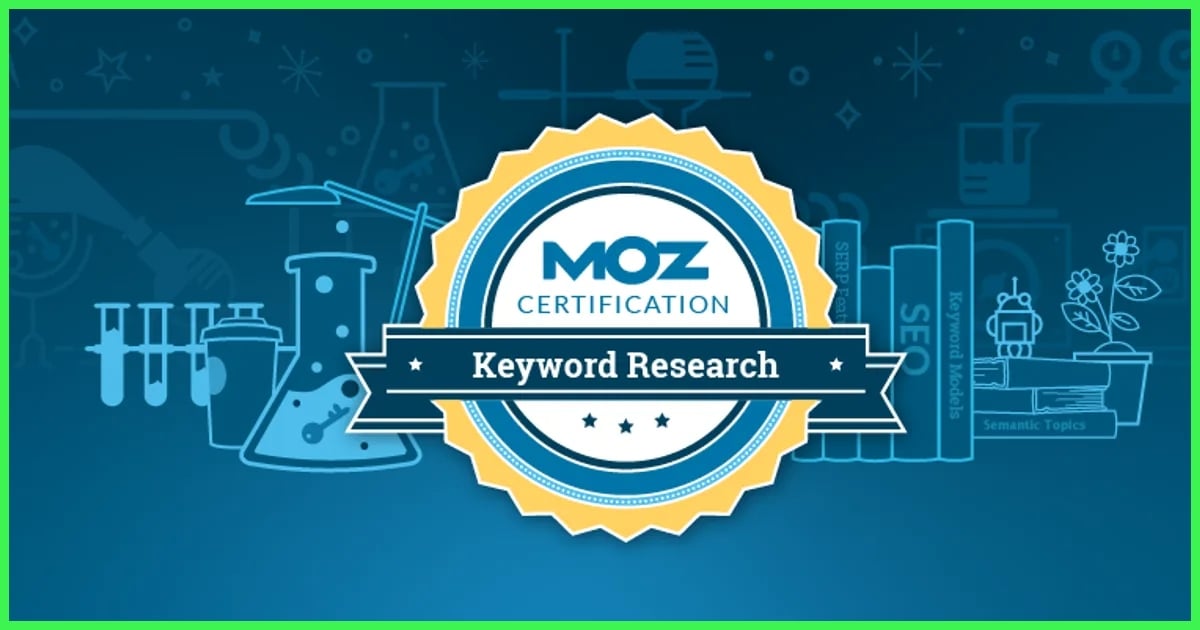
Certifications are a great shortcut to hands-on time with the latest marketing tech. Whether it’s SEO software or email automation, you get to practice on the real platforms—not just hear about it.
Moz Certs, SEMrush Certs, they all create live projects, tests, etc. That’s especially important in a field that is always, constantly evolving. You can’t pull the same old dog and pony show.
With new martech advancements emerging constantly, these certifications allow you to stay on top of the latest innovations. This is doubly true for SEO peeps who constantly have to keep pace with Google’s changes.
4. Boost Your Professional Confidence
You’ll find a new level of confidence in yourself, and getting certified is empowering. You’ll feel confident that you actually earned i,t and you have the data to prove your claims.
It’s a confidence-booster for your profession. It does something else, too – it signals to other marketers that you take marketing seriously.
5. Expand Your Network Greatly
It’s no secret that cert programs attract a diverse crowd. Whether it’s through in-person workshops, online communities, or local meetups, you’ll get to know people.
These aren’t just classmates—they’re future coworkers, partners, maybe even bosses. You receive referrals, job tips, and sometimes even clients simply by participating in these communities.
Many of the greatest agencies in Texas were once on that small certification list that developed a network.
Choose Your Certification Wisely

Selecting the best marketing certification will set the course for your professional future. While the choices available are extensive, not all programs provide equal value. Think about where you would like to go in your career and what skills you would like to develop. Each one can be an important step to achieving those goals!
Consider the program’s reputation, cost, and online vs. In-person format before committing to a program.
Top Marketing Certifications 2025
| Certification Name | Best For | What It Covers | Key Benefits |
| Google Ads Certification | Paid media specialists | Search, Display, Video, Shopping & App advertising | Recognized by employers, free, great for PPC roles |
| HubSpot Content Marketing | Content marketers | Blogging, SEO, content strategy, promotion tactics | Free, strong foundational training, industry-respected |
| Google Analytics (GA4) Certification | SEO & analytics professionals | Data measurement, reporting, event tracking, and insights | Great for SEO & CRO, widely recognized, free |
| Meta Blueprint Certification | Social media advertisers | Facebook & Instagram Ads, targeting, A/B testing | Enhances paid social skills, employer-recognized |
| SEMrush SEO Toolkit Course | SEO specialists | Keyword research, site audit, and backlink analysis | Hands-on with real tools, ideal for agency or in-house roles |
| Copyblogger Certified Content Marketer | Freelancers & content creators | Writing strategy, brand voice, and content monetization | Premium course, includes coaching, portfolio-based |
| Hootsuite Social Marketing Certification | Social media managers | Platform-specific tactics, engagement, scheduling, and analytics | Employer-trusted, good for entry-to-mid-level roles |
| Digital Marketing Institute (DMI) Pro | Career switchers & professionals | Full-stack digital marketing: SEO, PPC, email, social, analytics | Globally recognized, includes exam & certification |
| Coursera/Meta Social Media Marketing | Beginners in social media | Building and managing social media presence, advertising, and analytics | Affordable, includes Meta certification |
Align Certs with Career Path
Choosing a certification that aligns with your career ambitions is the first step. For example, if you’re looking to get into SEO, you might look at courses such as Google Analytics Individual Qualification. The SEMrush SEO Toolkit should be on your list, too!
If you’re specifically working with digital ads, then Facebook Blueprint or Google Ads Certification may be right for you. Content marketers may prefer HubSpot Content Marketing or Copyblogger Certified Content Marketer.
Fast-tracking your career starts with knowing what path you want to take. Whether you’re looking to manage a team someday, grow your agency, or just become the best-in-house-seo-you-can-be, knowing your destination helps you pick certifications that fill gaps and deepen your expertise.
Many marketers find that stacking certifications in different specialties, like social media and analytics, gives them a better shot at promotions or higher-paying jobs.
Evaluate Program Cost and Value
Certification programs range from several hundred to several thousand dollars. The important thing is to consider what you are purchasing with your dollars. Other courses include coaching calls, access to a community or cohort group, or real-world projects.
While some others only include a library of video lessons and a test. Consider the cost and value of a cert compared to a full degree. Certifications usually provide immediate, work-ready skills and can be completed in a matter of months rather than years.
Nearly 79% of graduates report that they earned or were offered a promotion within six months, demonstrating tangible, real-world value. Make sure that the cost includes exam fees and study materials! Just be sure to check whether it covers retakes, so you’re not caught off guard down the road.
Check Current Industry Standing
The perceived credibility of a certification is important. Choose programs recognized and valued by employers in the U.S. Certifications from well-known brands such as HubSpot, Google, or Hootsuite have great resume potential.
Check out testimonials from other students. Search for independent reviews in online forums or on LinkedIn groups. If the program has a track record of placing people in jobs or promotions, that’s a positive indicator.
Some courses require tough exams—like a minimum 80% passing score—or hands-on projects, which can boost their value in the eyes of hiring managers.
Online vs. On-Site Learning

Online courses easily accommodate even the busiest lives. You determine your own speed and schedule learning to accommodate work or family. On-site learning, while less flexible, provides face time with instructors and increased opportunities to connect.
Both are perfectly fine options, but it just depends on what works for your life right now. If you want to learn new skills and maintain a full-time job, online learning is pretty tough to argue against.
If you do your best work in a collaborative environment, on-site may be the better option. Online suits most, but in-person has perks.
Key Skills Certs Offered Now
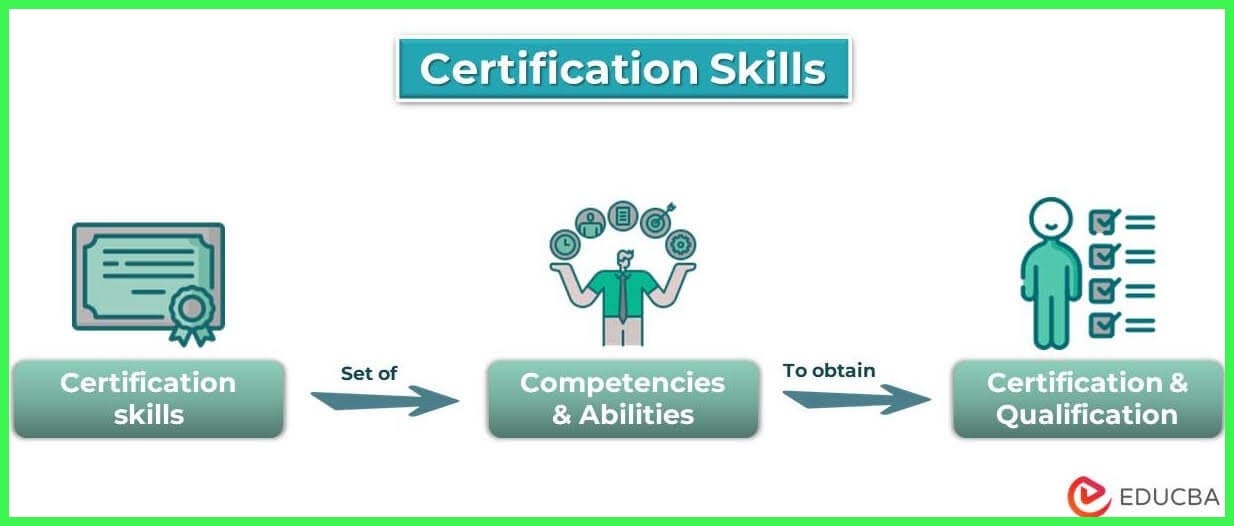
We believe that marketing certifications can help define what those core skills should be, especially in this ever-changing climate. For anyone working in the digital marketing and SEO consultant space, these certs are more than just a resume filler. They unlock opportunities for better pay, greater expertise, and resources that truly impact lives.
Some programs only last a few days, others a few months, but each brings a badge or digital proof you can share with employers or on LinkedIn. In the U.S., the investment can range from a few hundred bucks to several thousand, but the payoff is clear: certified pros can earn up to $31,000 more than others. Read on to discover the key skills marketing certs can help you develop. Learn what makes these skills important and why prioritizing the right ones is critical.
Mastering Digital Campaign Tools
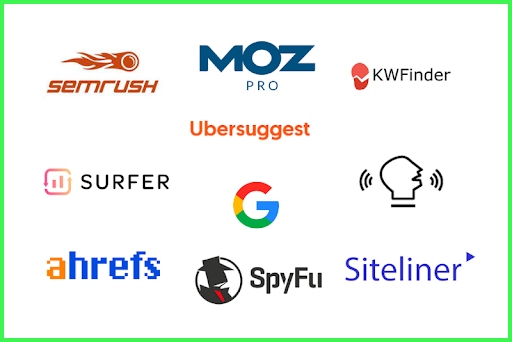
Mastering digital campaign tools inside and out is no longer optional for anyone looking to work in marketing today. Certifications targeting specific campaign platforms – such as Google Ads, Facebook Business Suite, or HubSpot – provide practical, hands-on experience.
From there, you’ll know how to set up, track, and tweak campaigns so that you’re maximizing every dollar spent for your clients or agency. The value is much more than knowing which buttons to click! It’s all about knowing how to A/B test ads, allocate budgets accordingly, and find out what really works.
For SEO agencies, this skill set is a game-changer. With more companies running ads and campaigns online, being skilled at digital tools means you can promise better results, faster.
Leveraging AI in Marketing
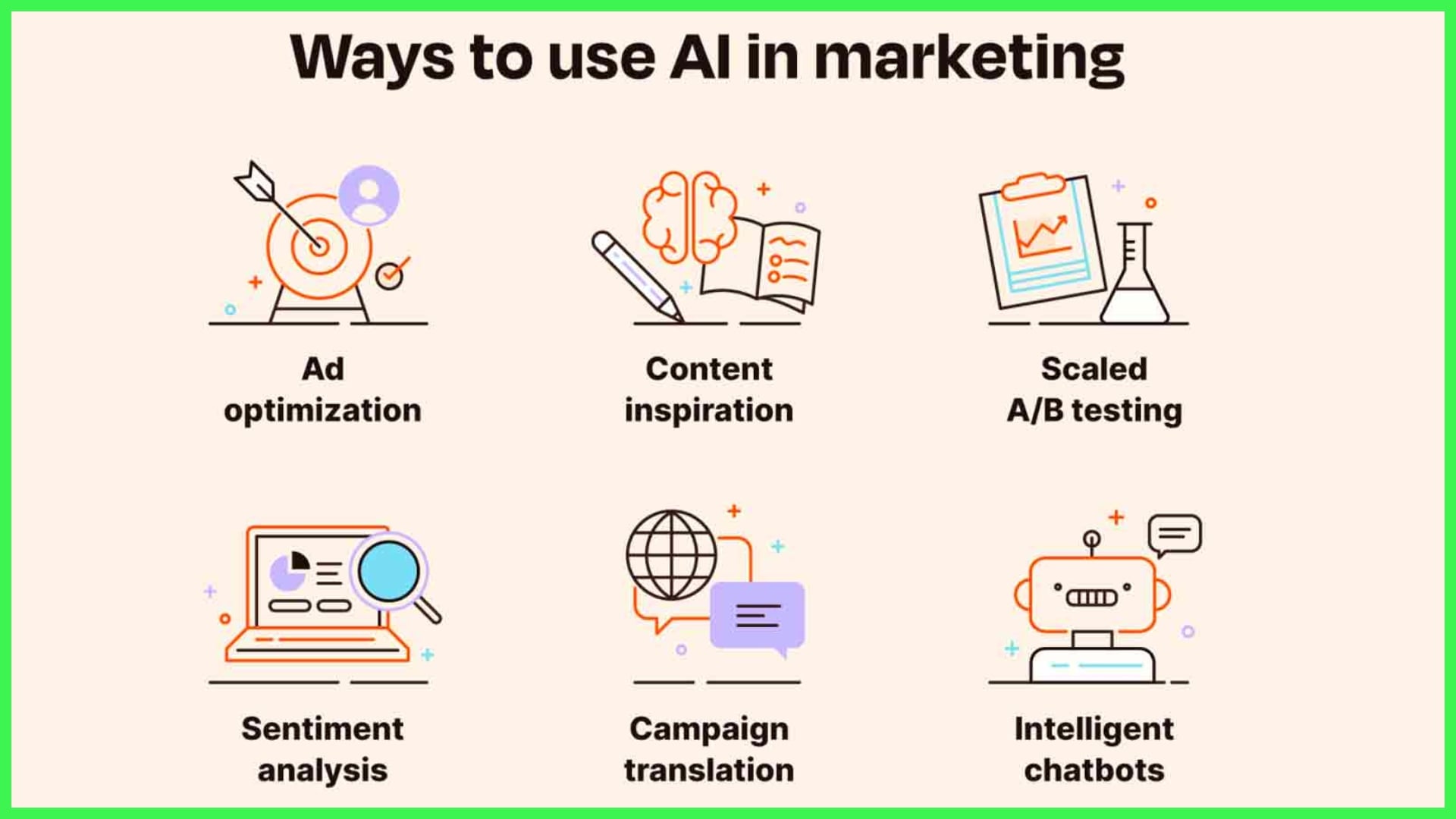
AI isn’t some overhyped fad—it’s already revolutionizing the way marketers do their jobs. Certifications such as Google’s AI for Everyone and HubSpot’s AI-powered marketing certifications introduce foundational AI tools.
They show you how to work with data, automate processes, and find those trends before they explode! This is one of the most sought-after skills, particularly as clients increasingly demand quicker results with more certainty and less testing.
If you are located in the U.S., employers will typically require evidence that you can combine AI capabilities with traditional tactics. Whatever the case, it’s wise to get certified sooner rather than later, as AI’s place in our industry will continue to expand.
Advanced Content Strategy Skills
Content is the bait that attracts them and the hook that keeps them engaged. Certifications, such as from the Content Marketing Institute or HubSpot for content marketing, are all about the basics.
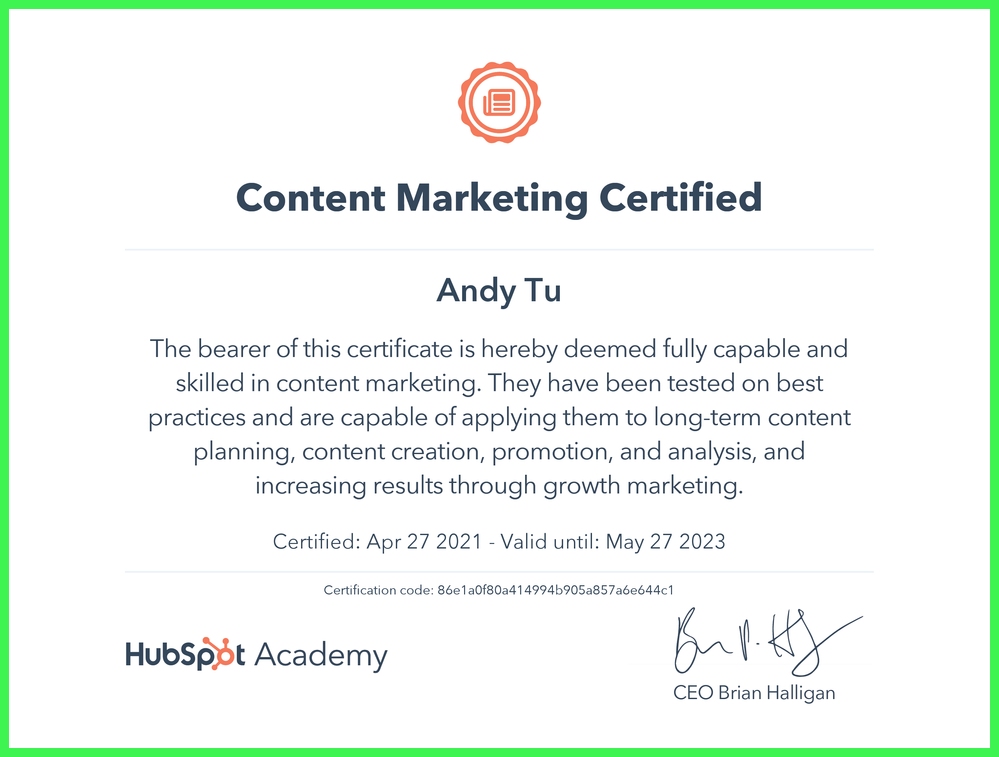
They dig into the nitty-gritty of content planning, creation, and measurement. They assist you in discovering your brand’s voice, choosing topics that resonate, and crafting narratives that engage. Good content strategy sets you apart, especially when you can show results—think higher site traffic, more shares, and stronger leads.
Certs show you how to plan your content calendar and identify your keywords. Not only do they create unique and compelling stories tailored for the platforms your audience is using, but this skill very much comes into play when you’re looking to prove direct, measurable ROI or cultivate a long-term, loyal community.
Data Interpretation for Growth
Data interpretation for success is crucial. Data is at the center of smart growth. Certifications in Google Analytics or SEMrush give you the skills to read the numbers and make them actionable.
Numbers tell the story of what worked. This is the skill that allows you to identify what should be repeated and what should be improved.
Certs vs. Degrees: Smart Investment?
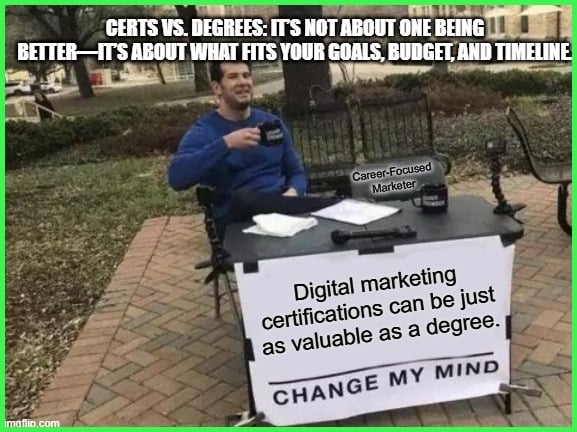
Whether you pursue a digital marketing certification or a college degree is about more than money. Each path builds careers in unique but important ways, especially for marketing professionals. Ultimately, the best fit comes down to your goals, budget, and timeline.
Comparing Costs and Benefits
| Path | Typical Cost (USD) | Time Needed | Key Benefits |
| Certification | $500–$2,500 | 2–6 months | Fast, focused, practical, affordable |
| Degree (Bachelor) | $30,000–$100,000+ | 4+ years | Broad education, recognized, strong alumni network |
Certifications are more wallet-friendly and can often be earned in under 6 months. A degree typically entails tens of thousands of dollars and two or more years of courses. A four-year degree in marketing from a public university in Texas tops $40,000. For students planning ahead, understanding costs early can also help streamline the process when they’re ready to apply to adventist university and choose the path that best fits their budget and goals.
By comparison, a Google Analytics certification can cost you a few hundred dollars maximum. The long-term payoff is not as cut-and-dry. Degrees still provide the most valuable broad education and a transformative, memorable campus experience.
Certifications help you stay agile and give you the flexibility to pivot to new advances in your industry.
Faster Route to Specialized Expertise
Certs are a quicker route to the juicy content. If you’re looking to learn social media strategy or SEO, certification programs cut straight to the chase and focus heavily on these specialized skills. You avoid the time and expense of taking classes that don’t directly relate to your chosen field.
This is particularly attractive for people looking to make a career change. It applies just as well to someone who wants to learn a hot new skill today, such as influencer marketing or paid search! Programs such as HubSpot or Facebook Blueprint allow you to zero in on the essentials.
Trends such as artificial intelligence and data analytics are changing the landscape of marketing. Certifications provide the opportunity to develop skills more quickly than a traditional four-year degree can.
Complementing Your Formal Education
Certifications are a natural complement to those who do have a degree. They demonstrate your passion—they show that you’re willing to learn outside of a formal education and adapt to a rapidly changing industry.
The short, online certification route is attractive to many, as these certifications can help professionals stay ahead of the curve and maintain a competitive resume. In the world of digital marketing, what was effective last year is obsolete as of today.
Continuing education learning doesn’t end on graduation day. A certificate in a niche area, such as email automation or local SEO, can really help you stand out in the stack. This is doubly the case if they just have a degree!
The Future: Certs Keep Evolving
Just like the programs we market, marketing certifications don’t remain static for very long. As technology, platforms, and workforce demands evolve, so do the ways we demonstrate our competencies. In the next five years, nearly half (44%) of workers’ skills are expected to be affected by disruption.
By 2027, more than half of today’s workers—60%—will require significant new training. Keeping up to date ain’t optional—it’s essential! Now, online and flexible learning are in the limelight. As increasingly employers use AI-powered tools to screen resumes, certifications that prove tangible and applicable skills are critical for anyone looking to earn a digital marketing job.
Adapting to New Technologies
Marketing technology is changing fast. Every year brings new tools—like AI-powered search and advanced advertising features—that marketers need to keep up with. That’s where digital marketing certifications come in. They focus on real-world skills like automation, data analysis, and even voice search, helping you stay ahead of the curve.
For SEO and digital marketing pros, keeping up with these changes gives you an edge. Take AI, for example—certifications that show you know how to use AI tools can make your resume stand out.
More and more companies—especially in growing tech hubs like Austin—are looking for marketers who can mix traditional strategies with new tech. Being certified in the latest tools shows that you’re adaptable, skilled, and ready to take on modern marketing challenges.
With demand for digital marketing talent at an all-time high, investing in certifications isn’t just smart—it’s necessary. They show employers that you’re committed to learning and growing with the industry.
In a fast-moving field like this, the marketers who keep learning will be the ones who succeed.
Embracing a Lifelong Learning Mindset
The bottom line: Learning never stops when it comes to certs. Marketing and SEO are ever-evolving fields, where learning new skills is a career-long endeavor. Certifications keep you honest—they force you to learn, to prove your skills, and to keep you on your toes.
Whether you are an agency owner or a consultant, you can use these certs to help motivate your team. As lifelong learners, they’ll bring new ideas and perspectives—and an abundance of energy—onto your projects! Continuous upskilling isn’t only for those looking for new opportunities.
It sets you up to develop a career that endures, even as trends change or new technology emerges. Many agencies in Texas, for instance, encourage ongoing training, often as part of their work culture, to keep teams ahead of the curve.
Certifications for Niche Specializations

Specializing is becoming the new normal in the marketing industry. Instead of broad, one-size-fits-all certs, there’s growing interest in programs focused on areas like technical SEO, local search, or even TikTok ads. This allows digital marketing professionals to better distinguish themselves and their specialties, helping them find their place in the competitive market.
These niche certifications are a big boon, especially to freelancers and small agencies looking to get a leg up on the competition. They demonstrate to prospective clients that you’re more than a run-of-the-mill generalist—you’re a certified marketing professional in precisely the niche they’re looking for.
With more brands seeking specialists, having a few targeted digital marketing certifications might open doors that would stay closed to someone with only broad skills. Looking for a change in your marketing career? Or maybe you just want to learn more about the topic that interests you most.
Niche specialization certs (like the DAC) are definitely worth exploring! They mix passion with job security, making them a powerful combination in today’s digital marketing landscape.
Conclusion
Marketing certificates provide U.S. Workers with a head start. You take away real-world chops, prove you know your stuff, and get a leg up on the competition. Your Google certificate or HubSpot badge displayed on LinkedIn is very impressive to clients and future employers.
Down here in the States, people want to see evidence that you can walk the walk, not just talk the talk. Glad to see a fellow marketing dude from Austin land a sweet deal like that! He flaunted his certs from last spring—not a single four-year snazzy degree required, just the skill.
Looking to stay ahead of the competition? Keep pace, earn new credentials periodically. Looking to take your toolkit to the next level? Take a page from SirLinksALot’s book. We have the expertise to make sure you can dazzle in the online space.
Frequently Asked Questions
What are the top marketing certifications in the U.S.?
Our top picks, in no particular order, are Google Analytics, HubSpot Inbound Marketing, Hootsuite Social Media, and AMA Professional Certified Marketer, which are reputable marketing certifications recognized by employers in the digital marketing landscape.
Do employers in the U.S. value marketing certifications?
Do employers in the U.S. value digital marketing certifications? They really help candidates stand out, particularly in highly competitive cities such as Austin, Texas, and other large U.S. markets, enhancing their marketing skills.
How long does it take to earn a marketing certification?
On average, most digital marketing certifications require only a few hours to a few weeks of time commitment. Many of them are self-paced, allowing marketing professionals to complete them more quickly if they have more time to devote.
Can I get a marketing certification online?
100%, I couldn’t agree more. The best part about most of these top digital marketing certifications—Google, HubSpot, etc.—is that they’re all 100% online, allowing marketing professionals to attend them from anywhere in the United States!
Are marketing certifications worth the investment?
Yes. First, digital marketing certifications are typically a lower financial investment than a traditional degree. They make you more employable and teach you hands-on, current marketing skills that American employers are looking for!
Do I need a degree to get a marketing certification?
Because anyone can register, certifications are a solid choice for career changers or marketing professionals seeking to upskill in a short amount of time.
Which marketing certification is best for beginners?
HubSpot Inbound Marketing and Google Digital Garage are both excellent places to start for digital marketing certifications. They’re basic, free, and well-known nationwide, making them ideal for aspiring marketing professionals.