Key Takeaways
- They make it easier for you to aim for important strategic topics, and they enable you to meet your audience in the places that matter.
- Creating clusters based on user intent and search behavior allows your content to resonate on a greater level. This results in improved engagement and increased time on-site.
- Which keyword clustering tool you should choose will depend on what you’re trying to accomplish and how big your keyword list is. Whatever you choose, free or paid, be willing to try before you buy, and compare functionality!
- Continuously update your keyword clusters and content themes. This practice helps ensure your site is as relevant as possible and increases the likelihood you’ll rank higher in search results.
- Ethical keyword clustering provides tangible value to your readers. It does more than just optimizing for search engines – it’s what allows you to build trust and long-term authority.
- Stay flexible! By being agile and adapting to changes in search engine guidelines and trends, you’ll ensure that your keyword strategy is effective and future-proof.
Keyword clusters tools help identify opportunities for content organization. This allows content SEO teams within the United States to prioritize and create content more quickly! These tools save hours of manual labor.
They highlight tangible patterns in search data and remove the challenge for agencies by easily helping them find gaps or areas of new opportunity. For Austin-based marketers, local clusters can illustrate what people in their backyards need and want.
With easy-to-understand dashboards and simplified data, keyword clustering tools are perfectly suited for the fast-moving world of digital marketing. By assisting teams in operating strategically, staying on the cutting edge of trends, and increasing site visits, they provide a clear and tangible benefit.
In the main section, we’ll go tool-by-tool to decode what’s best in the highly competitive U.S. Market. We’ll teach you what makes each one different for true SEO wins.
What Is Keyword Clustering?
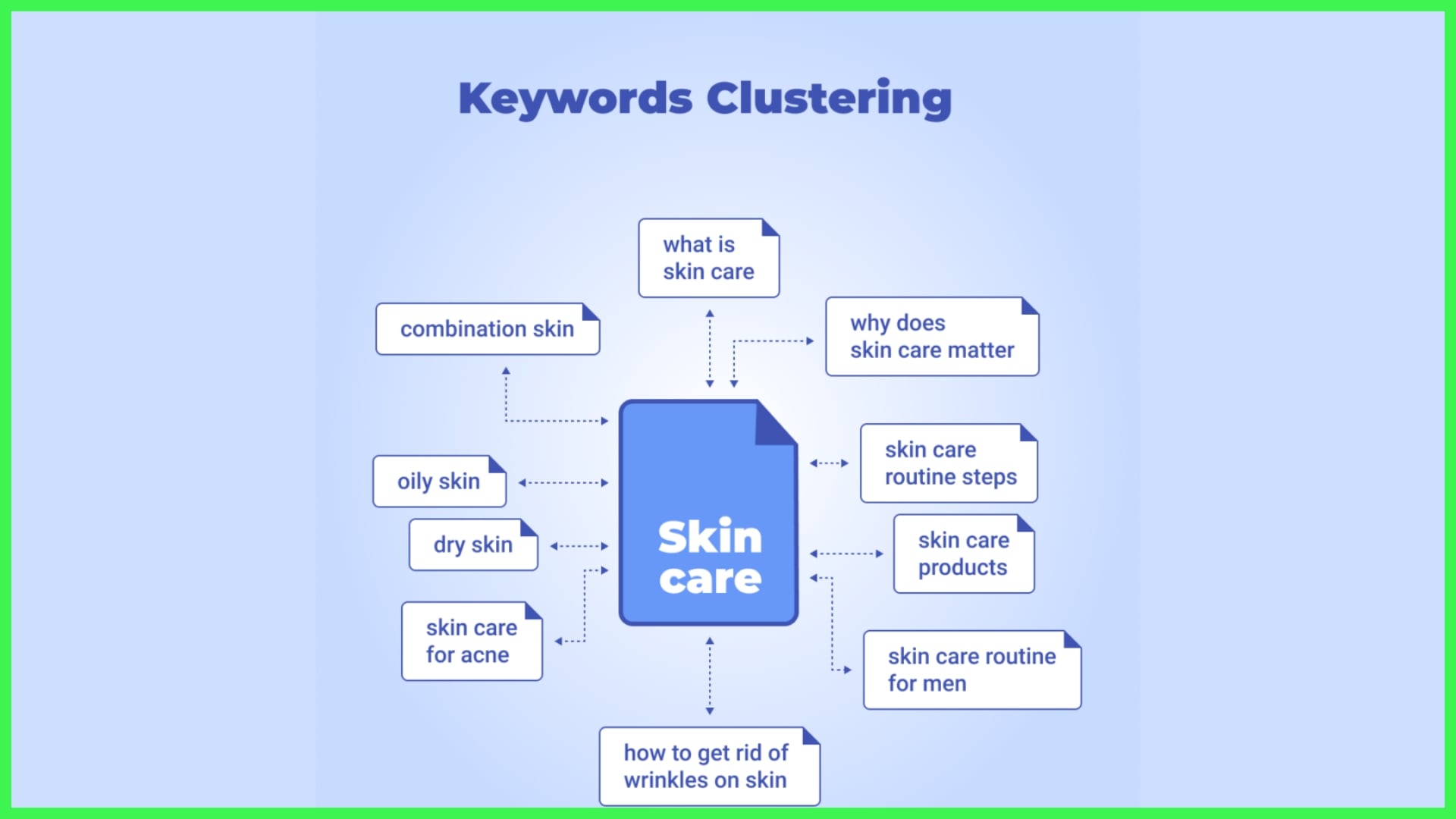
Keyword clustering is the practice of grouping similar keywords. This approach encourages a sensible and strategic SEO approach. Content marketers can then tailor content to be more relevant by clustering keywords with the same intent or meaning.
This method prevents cannibalization and guarantees that they’re fulfilling user intent. This strategy is useful for ensuring content is tightly focused on pillar topics and cluster topics. Search engines love this hierarchy, and utilizing this approach allows you to increase your site’s visibility and relevance in the results.
Defining Keyword Clusters Simply
Simplified keyword clusters are the foundation of a successful SEO strategy. They have the same intent or target the same query.
Take, for instance, “best hiking boots,” “top hiking boots,” and “hiking boot reviews.” They all satisfy the same user intent. Inside each cluster, you’ll have a pillar keyword, such as “best hiking boots.”
It even goes further to include these secondary variations, like “waterproof hiking boots” or “lightweight boots for hiking.” Creating maps or tables to visually represent these clusters can change the game when it comes to content planning. It moves the process from a trial-and-error act to a defined strategy.
Why Grouping Matters Today
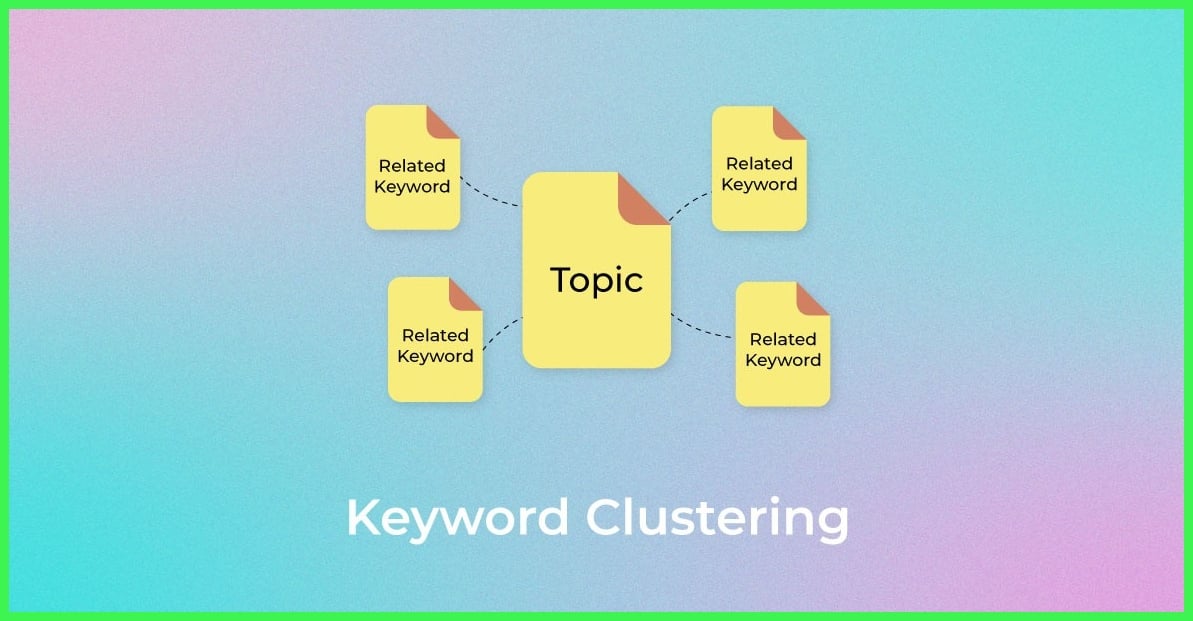
Clustering keywords provides you with a more focused content strategy. It allows sites to get more directly in line with what searchers are looking for.
In turn, users are more likely to continue engaging with your content. Additionally, it allows you to cater to multiple reader personas depending on what they search and how they search.
Through these keyword clusters, you are able to identify weaknesses on your site, prevent cannibalization, and find new topics or niches that have yet to be covered.
Decoding User Search Intent
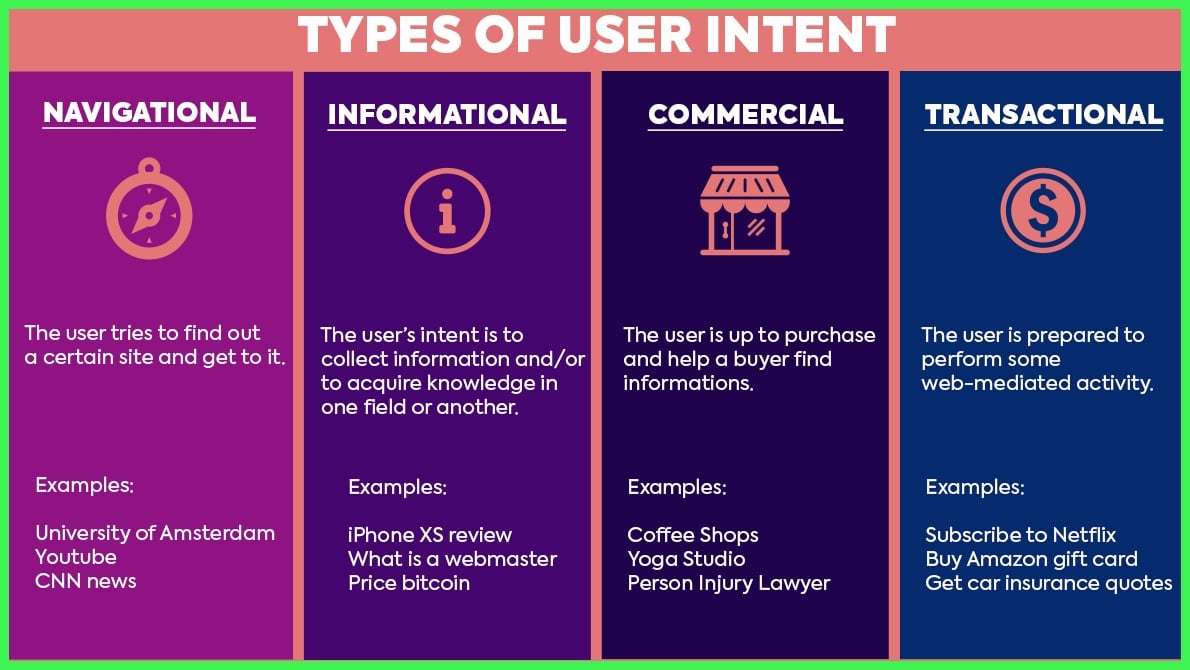
Learning user search intent is key to keyword clustering.
People search with different intentions:
- Informational: Looking for answers or how-to guides (“how to fix a leaky faucet”)
- Transactional: Ready to buy or take action (“buy kitchen faucet”)
- Navigational: Searching for a specific website or brand (“Delta faucets website”)
Clustering by intent is about matching the keywords to their needs so that your content always strikes a chord.
SEO Wins from Keyword Grouping
Keyword grouping is a key strategy for SEOs in the U.S. and something every team should use. It makes it easier for search engines to understand your content, which helps bring in more organic traffic.
By putting similar keywords together in small, focused groups, you help your website get indexed better and create pages that match what people are searching for.
Google is smart enough to recognize the main topic of each page, which increases your chances of showing up in the right search results. Keyword grouping also prevents “keyword cannibalization,” which happens when multiple pages compete against each other for the same ranking.
Sharpen Your Content Strategy
When you employ a keyword clustering approach, you can create distinct, clear themes and topics. Consider each type of search intent as a single cluster = single page. This rule helps to prevent your blog from getting cluttered with all sorts of random content.
Using clusters, you’re able to create authoritative pillar pages supported by in-depth subtopic content, interlinked with each other. This arrangement protects you from all angles and signals to search engines that you’re the authority in your field. Maintaining content related to each cluster helps your site appear more topically relevant and well-structured, beneficial for users and search engine crawlers alike.
Improve User Engagement Metrics
Organized clusters reduce bounce rates and encourage readers to stay on your site further down the marketing funnel. If content is relevant to what users are searching for, they’re going to spend more time on your site. Let clusters inform new content that addresses user intent.
Never stop monitoring user engagement metrics such as time on site and bounce rate to understand what’s effective. Tweak your overall strategy based on which initiatives and topics attract the most engagement.
Achieve Higher Search Rankings
Even better, well-organized keyword clusters improve your chances of ranking higher. Search engines look for sites that fully cover a topic and show they’re an expert.
Focus on keywords that have a lot of searches but low competition within each group to get quick results. Building your content around these clusters helps you become an authority on the topic and reach more people searching online.
Find Untapped Content Ideas
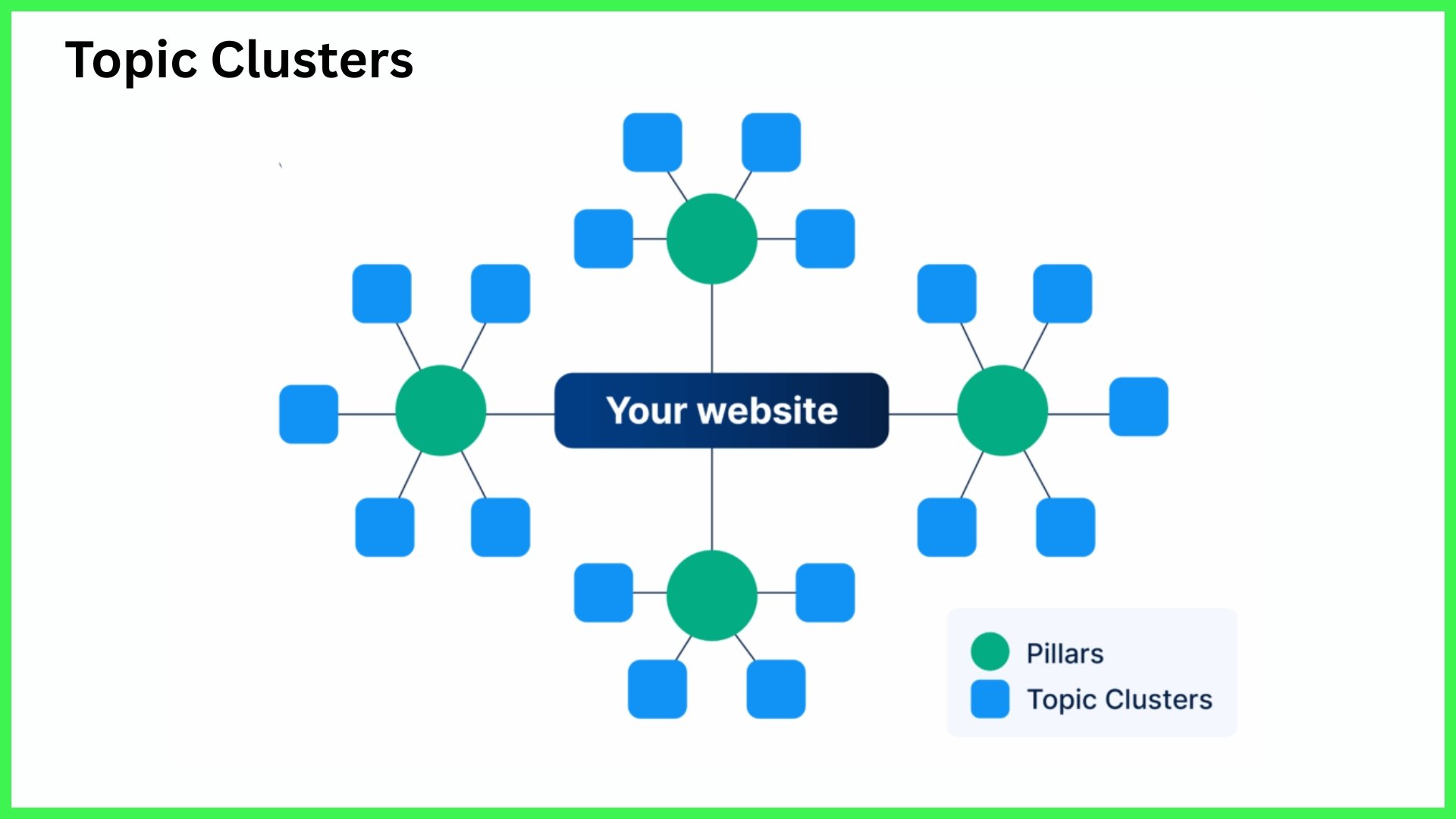
Clusters create a clear hierarchy to identify content gaps. Identify missed angles or weak areas, then outline new pages. Cluster brainstorming—new content ideas frequently arise in this stage.
This is what keeps your content evergreen and your audience always wanting more.
Top Clustering Tools Explored
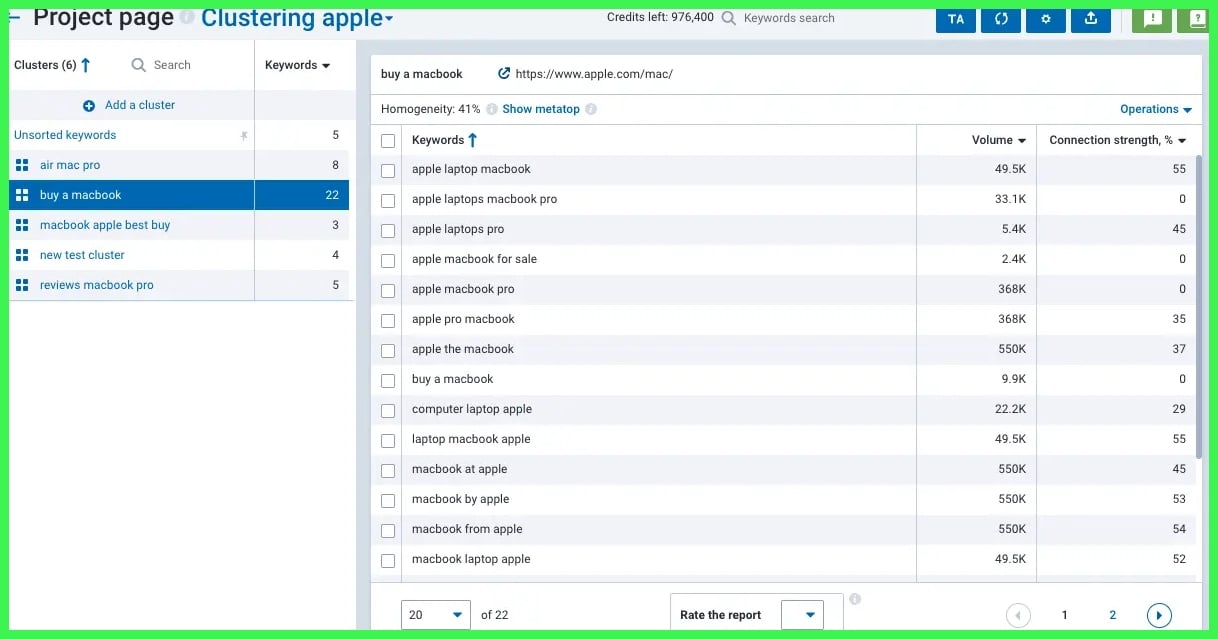
Choosing the right keyword clustering tool affects how SEO agencies, consultants, and digital marketers build their content strategies. Today, there are options for everyone—from simple free tools for small businesses to advanced paid platforms for big, enterprise projects.
The best tool for you depends on your workflow, budget, and SEO goals.
1. Key Features to Compare
| Tool | User Intent Accuracy | Integrations | Custom Clustering | Visual Maps | Export Options |
| Surfer SEO | High | Google Docs, GSC | Yes | Yes | Yes |
| Ahrefs | High | Multiple platforms | Yes | Yes | Yes |
| SE Ranking | Moderate | SEO tools, Google services | Yes | Basic | Yes |
| Keyword Cupid | High | GSC, Sheets, Data Studio | Yes | Yes | Yes |
| Cluster AI | High | Google Sheets | Yes | Yes | Yes |
| LowFruits | Moderate | Google Search Console | Basic | Basic | Yes |
| Ubersuggest | Moderate | Google integrations | Basic | Limited | Yes |
| Semrush KM | High | Semrush Ecosystem | Yes | Yes | Yes |
| Zenbrief | Moderate | Google Docs | Yes | Yes | Yes |
| KeywordsInsights.AI | High | Multiple | Yes | Yes | Yes |
Custom clustering settings allow you to define match strength or group size, enabling you to shape keyword clusters that fit your site. Visual aids, such as topical maps or keyword cluster maps, help you easily identify content gaps and create a content strategy visually and intentionally.
Choose What’s Best for You
- Surfer SEO is best for content teams needing detailed keyword clusters and seamless Google Docs integration with strong visual maps.
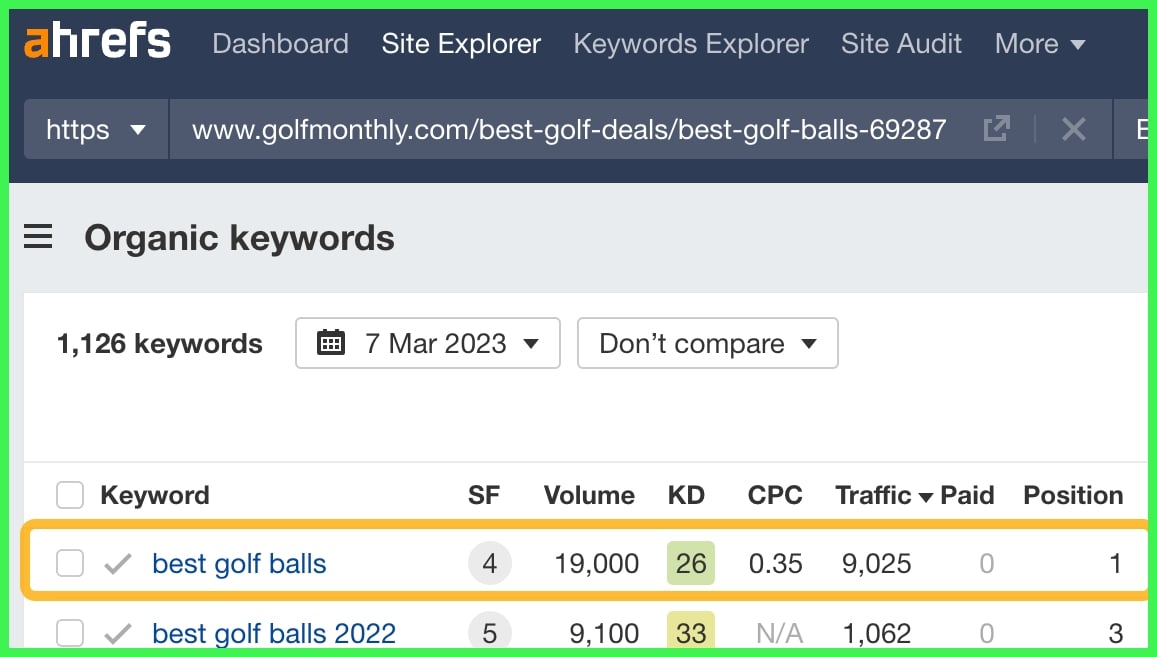
- Ahrefs is a powerhouse for advanced users—ideal if you’re already deep into Ahrefs’ ecosystem and want layered keyword insights.
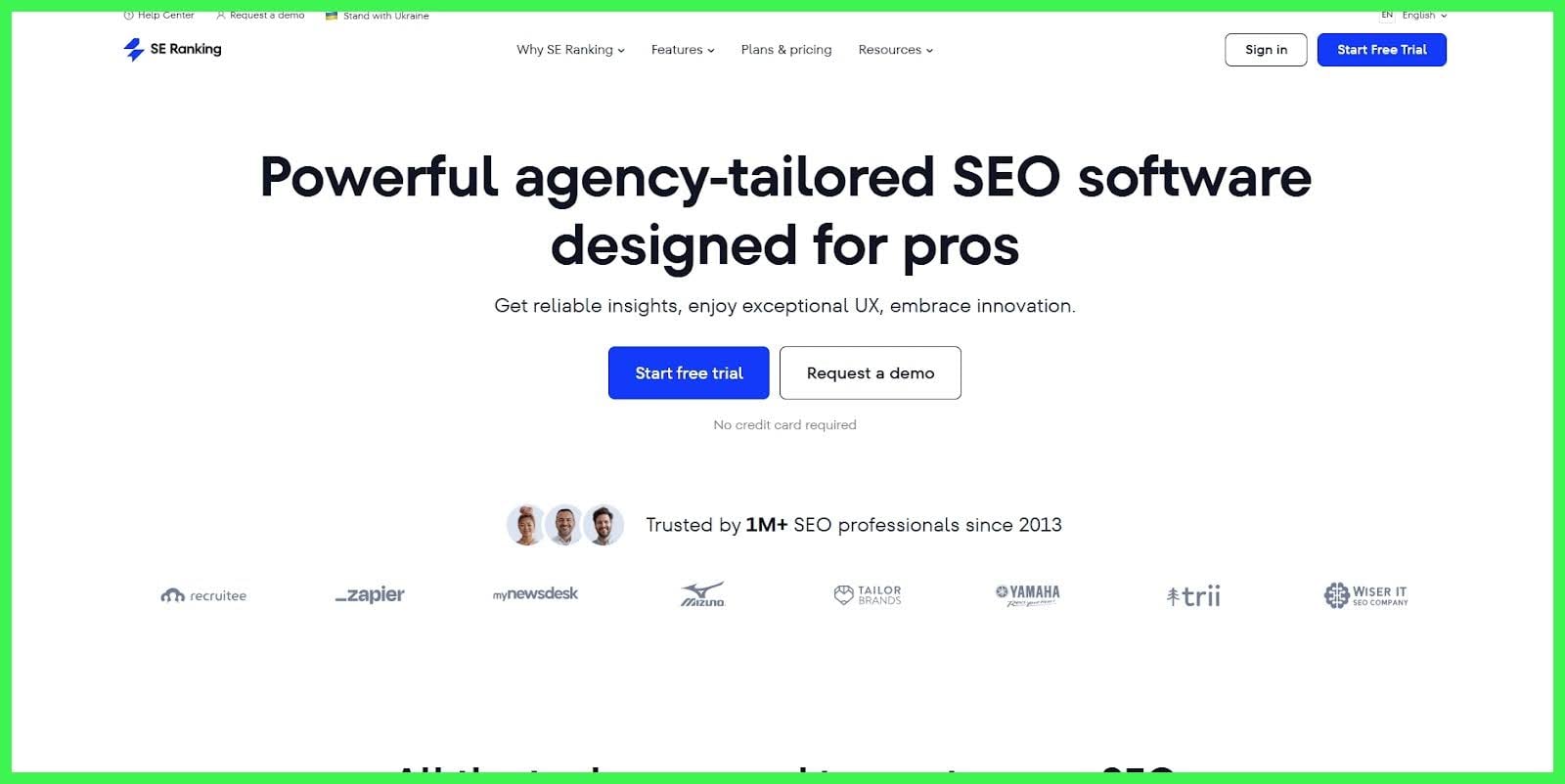
- SE Ranking is a balanced tool, great for agencies and mid-size teams, that offers clustering with other helpful SEO features.
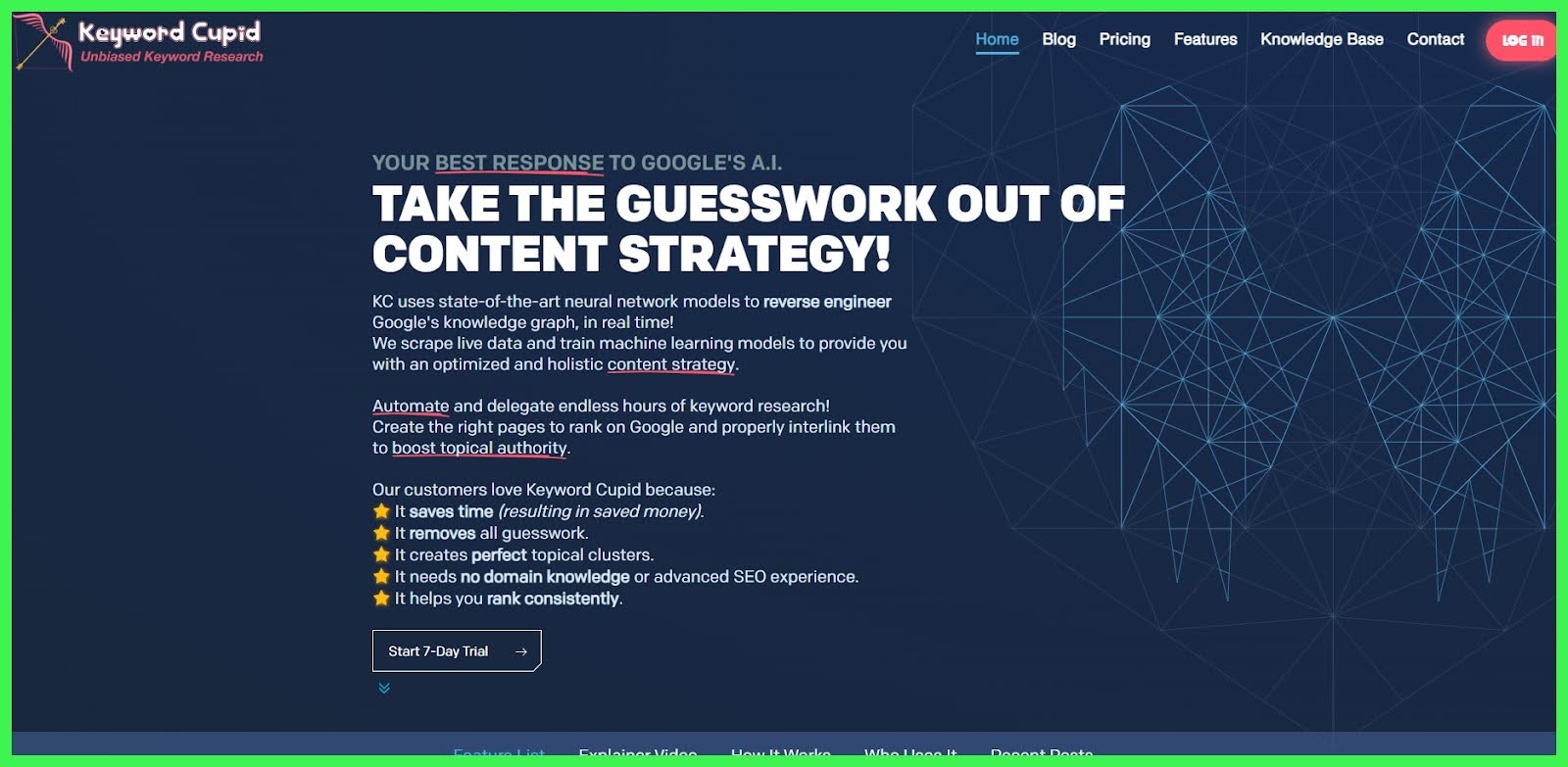
- Keyword Cupid uses SERP-based AI logic to group keywords accurately, complete with visual maps and export flexibility.
- Cluster AI (LinkGraph) is, easy-to-use tool for quick clustering—great for building content around commercial and informational keywords.

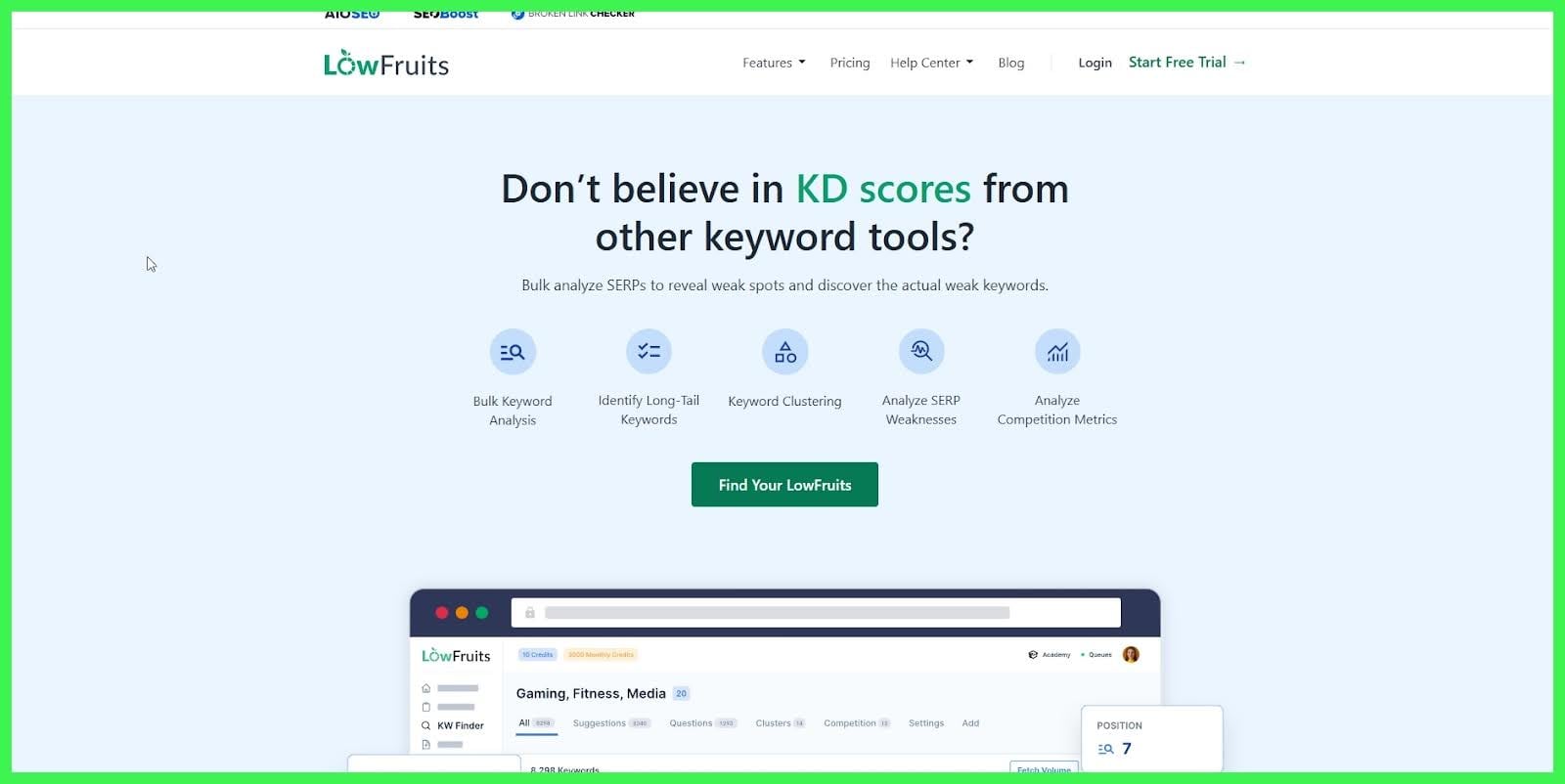
- LowFruits is Ideal for finding low-competition keywords; beginner-friendly with a clean interface and helpful insights.
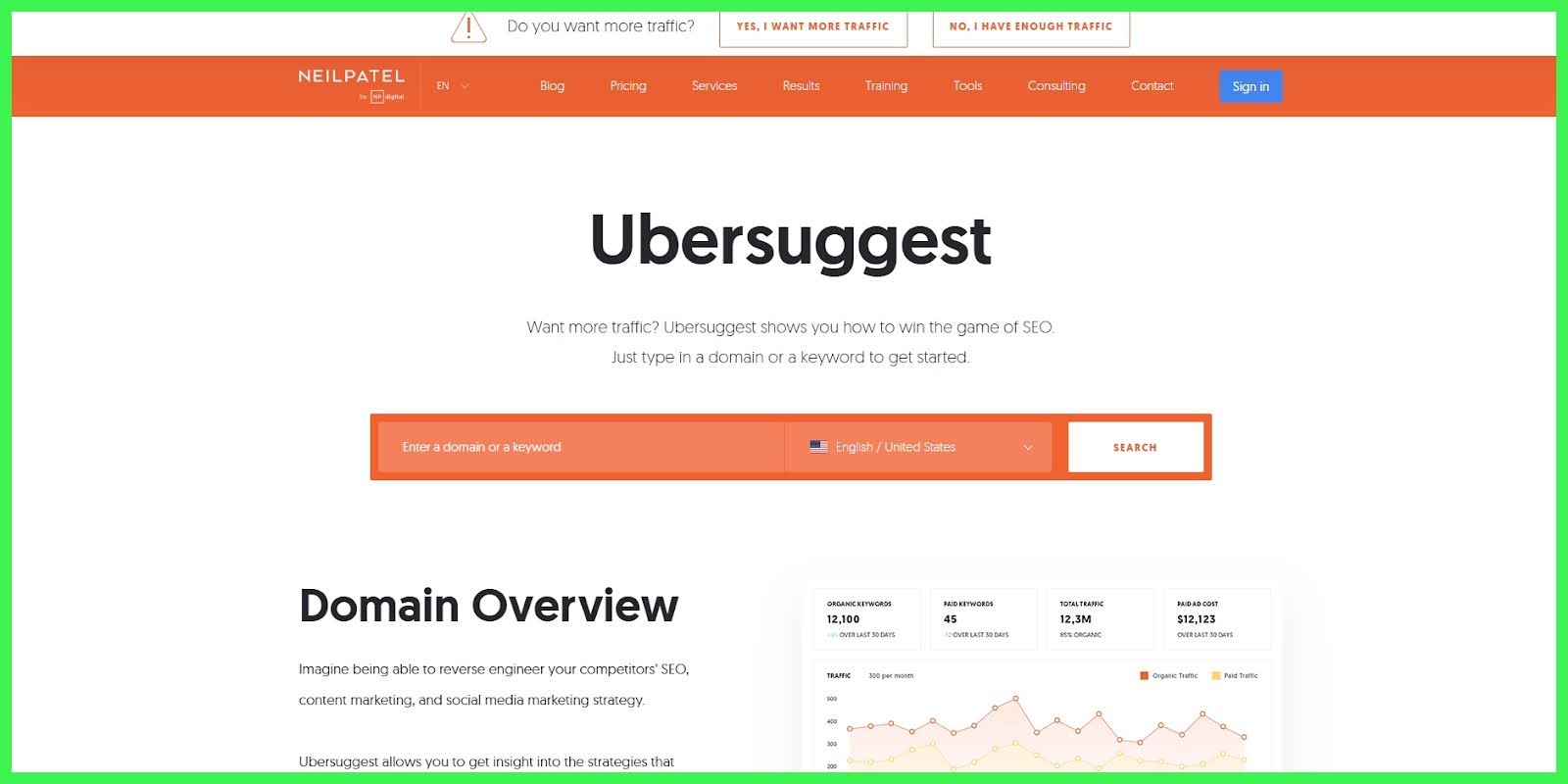
- Ubersuggest is budget-friendly with basic clustering, suitable for freelancers and small businesses just starting with SEO.
- Semrush Keyword Manager is Powerful if you already use Semrush; it adds intelligent keyword grouping to your existing workflow.

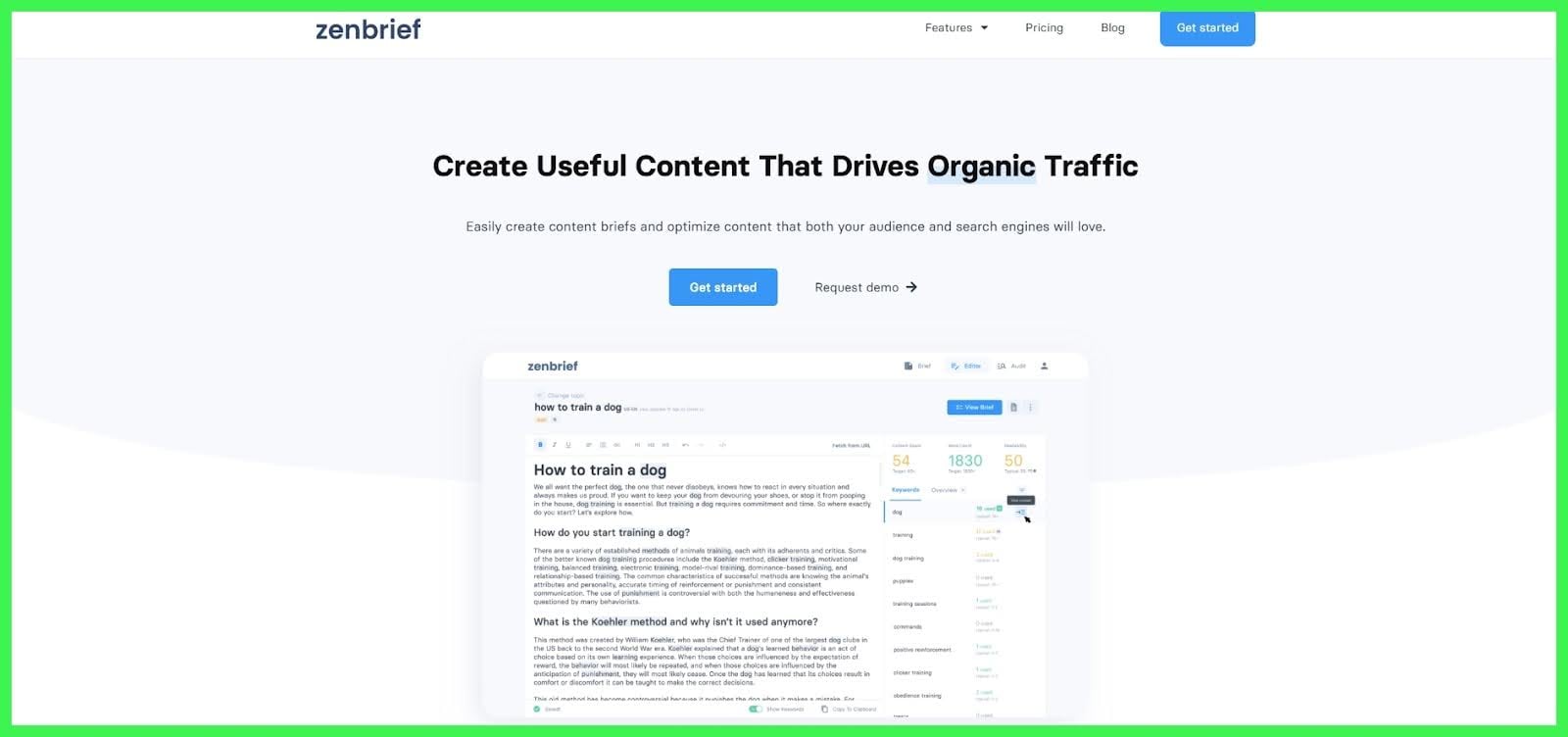
- Zenbrief combines clustering with content brief generation—perfect for content marketers planning blog strategies.
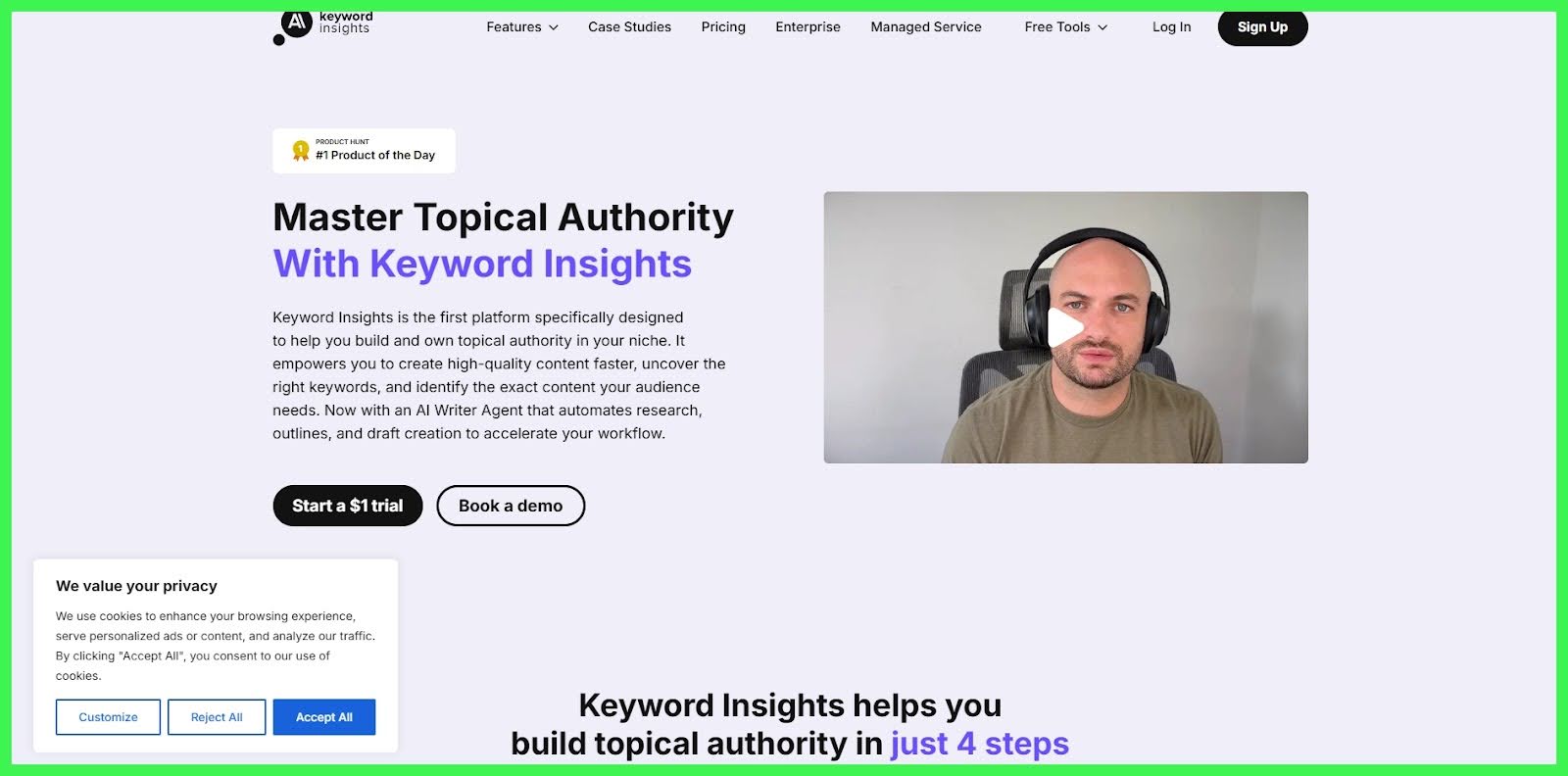
- KeywordsInsights.AI helps build topical authority using hub & spoke clustering logic, with SERP-based data and visual outputs.
2. Best Free Clustering Tools
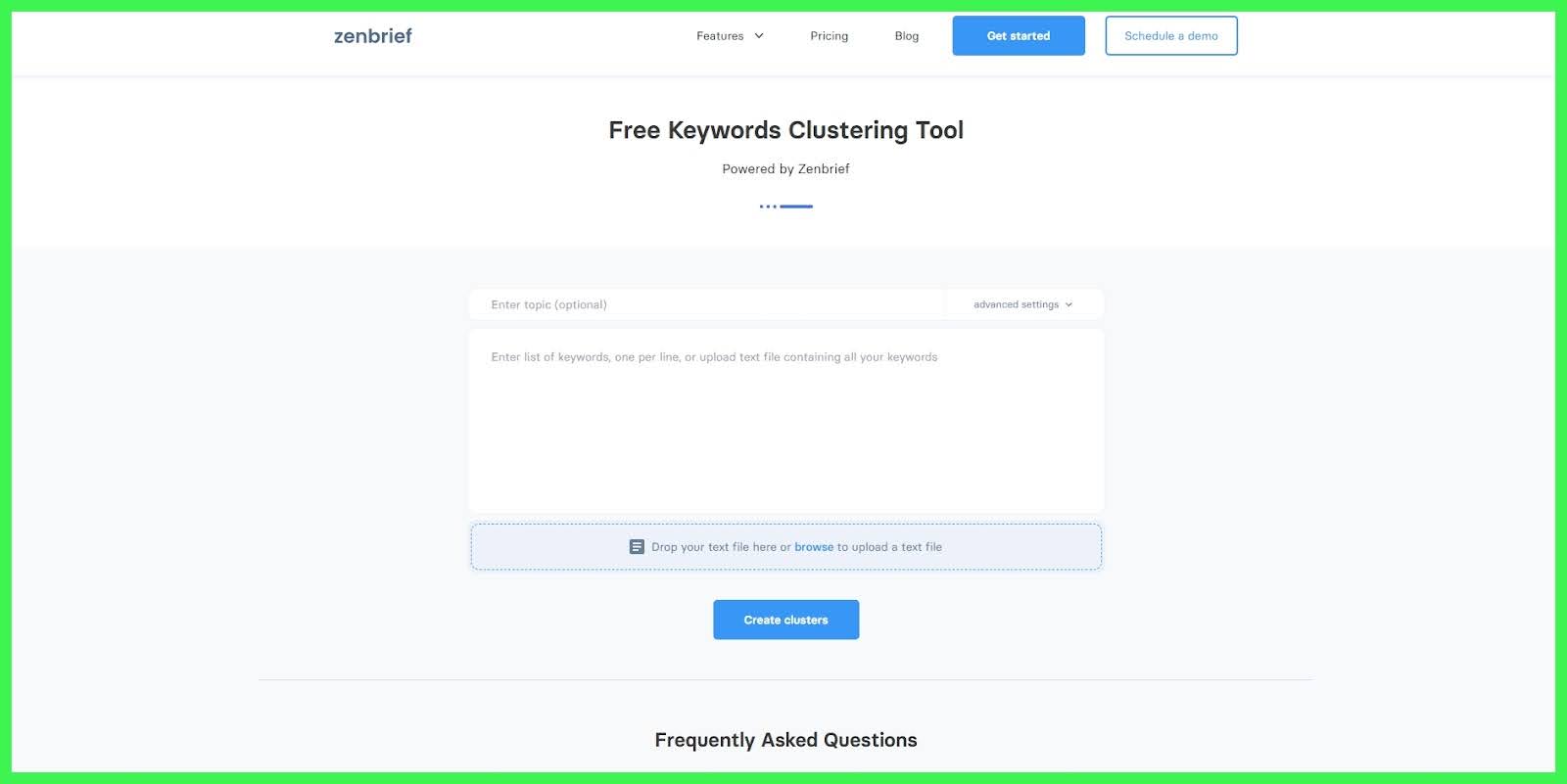
Open-source or free tools are beneficial for beginners or teams on a very tight budget. They cluster your keywords, display the basic maps we’ve come to know and love, and allow you to export to Excel.
While they lack live SERP data and deep integrations, they work well for local shops and new agencies wanting to test topic buckets or spot trends.
3. Powerful Paid Tool Options
Surfer and Ahrefs are powerful paid tools that provide instant clustering, real-time SERP analysis, and deep Excel exports. Pricing varies from $19 for limited batches to $129 for more robust requirements.
They tend to be pricier, but that’s because they offer powerful topic creation, competitor analysis, and editing assistance.
4. Finding Tool Discounts
Subscribe to newsletters from keyword grouping tools, follow them on social media, or look for seasonal sales on bundled offerings. Most have free trials or promo codes available to new users.

Master Your Clustering Workflow
An efficient, seamless keyword clustering workflow enables SEO teams to make an impact by working smarter, not harder. Armed with the right technology, you can easily gather keywords and organize them into topics. From there, you’ll be able to develop content strategies that align with what actual humans in the U.S. are searching for.
This approach helps ensure your content is relevant, structured well, and primed to rank.
Gather Your Raw Keywords
So, you begin with a large universe of keywords. Leverage tools such as Google Search Console, Ahrefs, or SEMrush to identify phrases your site is already ranking for. Next, identify the opportunities.
Include keywords from Google’s “People Also Ask” & keyword planner suggestions. Put them in a Google Sheet, separating them into broad categories. This will make it easier to cluster later and prevent you from missing out on valuable, high-intent topics.
Analyze Automated Groupings
Let tools like Keyword Cupid or ClusterAI perform their clustering magic on your keywords. These tools leverage properties such as semantic similarity and SERP overlap to cluster similar terms.
Once you’ve got them all organized in your spreadsheet, create some pivot tables to help sort through and look over them. Ensure every cluster works for your content strategy and addresses genuine search intent, not just the tool’s algorithm.
Manually Refine Your Clusters
No tool is without its flaws. Review the clusters as a team, swapping out keywords when one isn’t a perfect match. Involve diverse roles, such as content writers and content strategists, for more precise results.
Continue to monitor your clusters periodically, such as every 3 months, to stay on top of shifts in search intents.
Build Content Around Themes
Consider each cluster as the foundation for a content piece, such as a blog post or a service area landing page. Create a content calendar that aligns with these themes, and maintain a consistent tone of voice among posts.
Tie together thematic content with strategic internal linking.
Sidestep Clustering Pitfalls
Be careful not to cluster too much or omit important terms. Frequently audit your clusters, eliminate the ones that don’t make sense, and be willing to pivot.
Keep your strategy flexible as tools evolve and search behaviors continue to shift.
Pick Your Perfect Clustering Tool

Selecting the perfect keyword clustering tool is not an easy task. It’s not enough to just choose the one who has the flashiest website or the largest advertisement budget!
If you’re an SEO agency or consultant based in the U.S., choosing the right tool to align with your unique objectives is important.
Plus, its integration into your workflow makes all the difference! When you start researching, the market is overwhelming. Some operate based on semantic similarity, others on Google SERP overlap, or use natural language processing to find what users are looking for.
The right fit combines all of these approaches for a harmonious balance that better reflects the way actual humans search.
Align Tools with Your Goals
If you want to build topic clusters for content, look for tools that offer interactive mind-maps, content scoring, or topic modeling. If you want to do extensive keyword research, look for tools that have great competitor visibility and SERP data features.
Some tools even tell you where content is missing, providing a major advantage. The important thing is to align tool capabilities with your overall goals. There’s no right answer that fits every situation.
As an example, if you’re an agency that works with large U.S. Clients, your needs may differ significantly from those of a smaller agency.
Check Data Sources, Accuracy
Check Data Sources, Accuracy, and Reliability. Data quality is the backbone of good clustering. Seek out tools that disclose the source of their keyword data—whether it’s straight from Google, through a third-party API, or a proprietary crawler.
The best clustering tools are transparent about their methodology, meaning you won’t be making decisions in a black box. Consultants based within the U.S. frequently look for tools that connect their findings directly back to a detailed, real-time analysis of the SERP.
Utilize Free Tool Trials
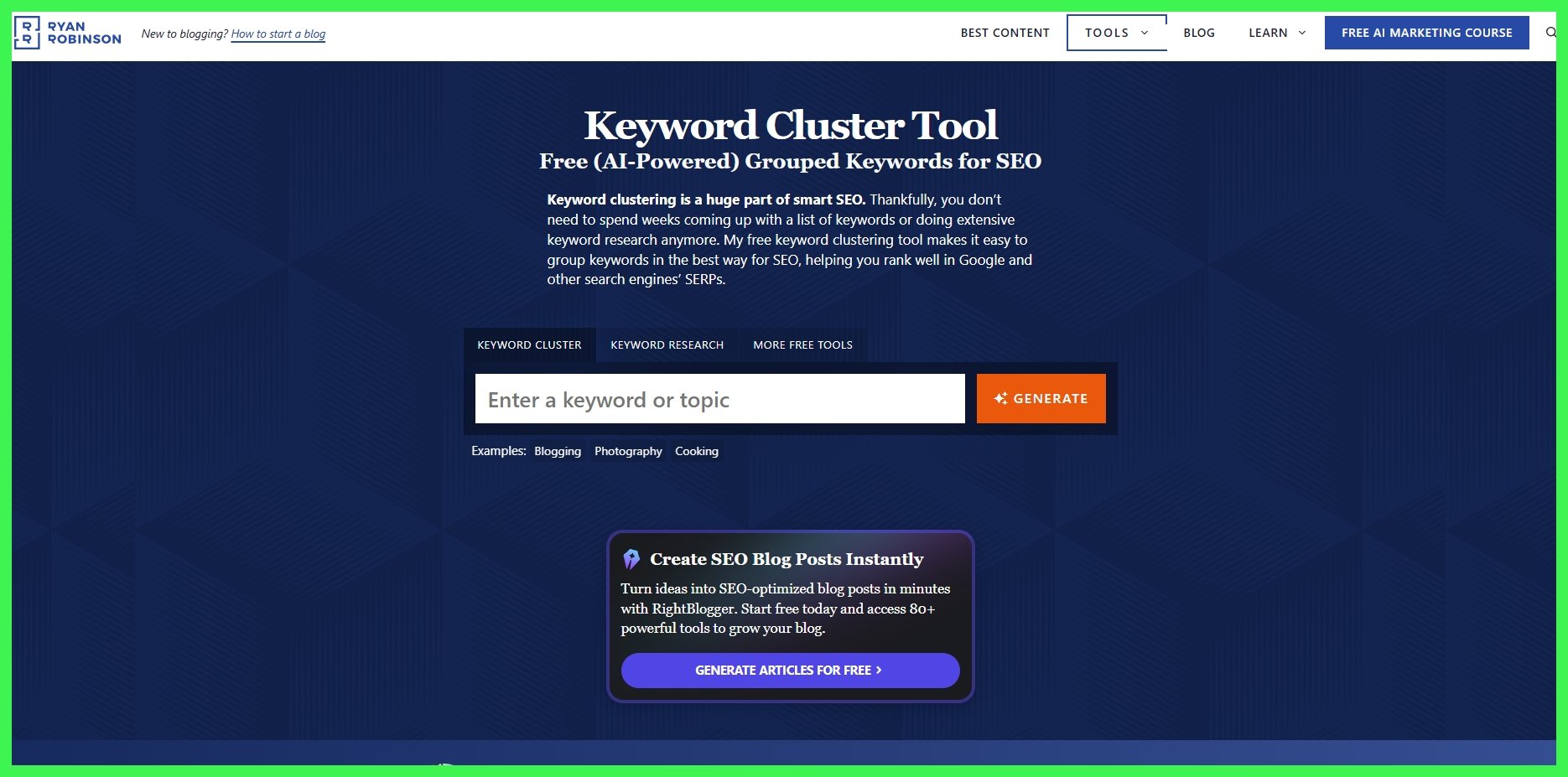
All of the most trustworthy tools do have free trials. Use these as a starting point to determine what tools will serve your needs best. Upload and export features are also important.
Look for ease of use when uploading keywords, customizing clusters, and exporting final results. Keep track of what works and what doesn’t—this firsthand experience will be invaluable in your decision-making process.
Plan for Dataset Growth
If your keyword lists are increasing, your tools should be able to do the same. Choose clustering tools that can work with large datasets efficiently.
Check their update cycles and determine how well they pivot, as your markets evolve. This adaptability will ensure that your keyword clustering remains effective as your needs grow.
Ethical Clustering: SEO Done Right
Ethical keyword clustering is one of the key pillars of sustainable SEO. In Austin, the tech and content scenes are flourishing. When deploying these tools responsibly, brands are able to cut through the noise and be recognized for the right reasons.
The top wins from SEO happen when you focus on creating value for the user, rather than simply keyword hunting.
Focus on Value, Not Keywords
Keyword clusters shine when they inform content that answers actual user intent. Filling each section with the same keywords isn’t going to gain credibility or build returning visitors.
Let’s say you have a BBQ blog based out of Texas. By answering user pain points such as “how to smoke brisket in a small apartment,” you’re proving that you know what’s important to your readers.
In the long run, quality, value-driven content earns trust and authority—qualities that search engines are always looking to reward. Protecting against overlap in cluster pages prevents keyword cannibalization, so every page has an obvious role.
Create Genuinely Useful Content
Your users are not looking for more walls of text. Using keyword clustering, you’ll be able to identify topics that your user base is interested in.
For example, a pillar page might be built around the topic of “Texas BBQ techniques.” Supportive subtopics such as “oak vs. Mesquite wood” and “brisket rub recipes” can enhance the overall content strategy.
Content clusters that adhere to Google’s EEAT principle—Experience, Expertise, Authoritativeness, Trustworthiness—float to the top. Listen to what your users are saying and update your clusters to keep them relevant and impactful.
Adapt to Search Guideline Shifts
What won last year might not even be good enough this year. Adapt to search guideline changes – remain agile – no cluster or piece of content is set in stone.
Tools can make finding the right keywords easier and faster by sorting through thousands of keywords. It’s in the human touch that nuance, context, and meaning are best understood.
Routine audits ensure your website continues to match the current digital landscape and that user experience remains a priority.
Conclusion
To win at SEO across the U.S., you need more than just basic tools—you need powerful keyword clustering software that reveals real content gaps and helps you grow meaningful traffic.
Even top experts at big agencies rely on these tools to keep their clients ahead. Want to stay competitive the right way? Skip the black hat tricks, focus on smart keyword clusters, and let your website grow with strategy and honesty.
Need help or want to swap SEO stories? Reach out to the team at SirLinksALot—we’re always ready to chat and share real, proven solutions.
Frequently Asked Questions
What are keyword clustering tools?
Keyword clustering tools automate the process of grouping similar keywords into clusters, enhancing your keyword strategy builder. This allows you to better structure your SEO efforts, increase topic relevancy, and capture a wider search intent, ultimately boosting your site’s visibility on Google.
Why should I use keyword grouping for SEO?
Keyword clustering, a sophisticated keyword grouping tool, allows you to focus on entire topics instead of isolated phrases. This method enhances your keyword strategy by providing greater value to your audience and improving your SEO efforts.
What features should I look for in a keyword clustering tool?
From user-friendly interfaces, automation features, accuracy in grouping, export capabilities, to integration with popular SEO tools – ensure these features are present. Solid support and transparent, clear pricing are key for U.S. Businesses.
Are there free keyword clustering tools available?
Are there any free keyword clustering tools available? For top-notch keyword grouping accuracy and advanced features necessary for professional SEO efforts, premium keyword grouping tools are worth the investment.
How often should I cluster my keywords?
Ideally, you should be reviewing and updating your keyword clusters quarterly at a minimum. Utilizing effective keyword grouping tools will help you stay on top of your strategy and ensure your content reflects the changing nature of search.
Can keyword clustering help small local businesses in the U.S.?
Can a good keyword grouping tool help small local businesses in the U.S.? Utilizing keyword clustering can attract more qualified traffic from your fellow community members.
Is using keyword clustering tools ethical for SEO?
Yes. Ethical uses of keyword clustering tools prioritize user intent and lead to the creation of the best, most useful content. By focusing on effective keyword grouping, you can avoid manipulative practices like keyword stuffing, keeping in line with Google’s guidelines.