Key Takeaways
- Answer Engine Optimization (AEO) enables businesses to be featured in AI-generated answers, so it’s critical for remaining discoverable as people increasingly use AI platforms for immediate insights.
- To optimize for AEO, you’ll want to write clear, concise answers, use structured data effectively, and keep the conversational tone to increase engagement and meet user intent.
- Embracing AEO involves a mindset shift, focusing on user experience, immediate value, and ongoing adaptation to new AI technologies.
- Businesses that combine AEO with traditional SEO can expand their reach, boost conversion, and avoid being left behind by more agile competitors.
- By monitoring metrics such as AI recommendation rates, user engagement, and conversions, you can make sure that your AEO strategy provides tangible outcomes and continuous optimization.
- Ethical AEO means emphasizing uniqueness, excellence, and human review, keeping material reliable and truly helpful internationally.
Answer Engine Optimization (AEO) is the practice of structuring your web content to surface as direct, concise responses in conversational search platforms and voice-activated digital assistants. Whether it’s a brand, agency, or solo consultant, AEO helps ensure your content is the one that gets surfaced when users are looking for immediate answers—without needing to click through.
As search behavior shifts toward questions and quick intent-driven queries, being the answer is no longer a nice-to-have—it’s a strategic advantage. This guide explores actionable tips, real-world examples, and how AEO is reshaping modern SEO for the age of voice, AI, and instant information.
What is Answer Engine Optimization?
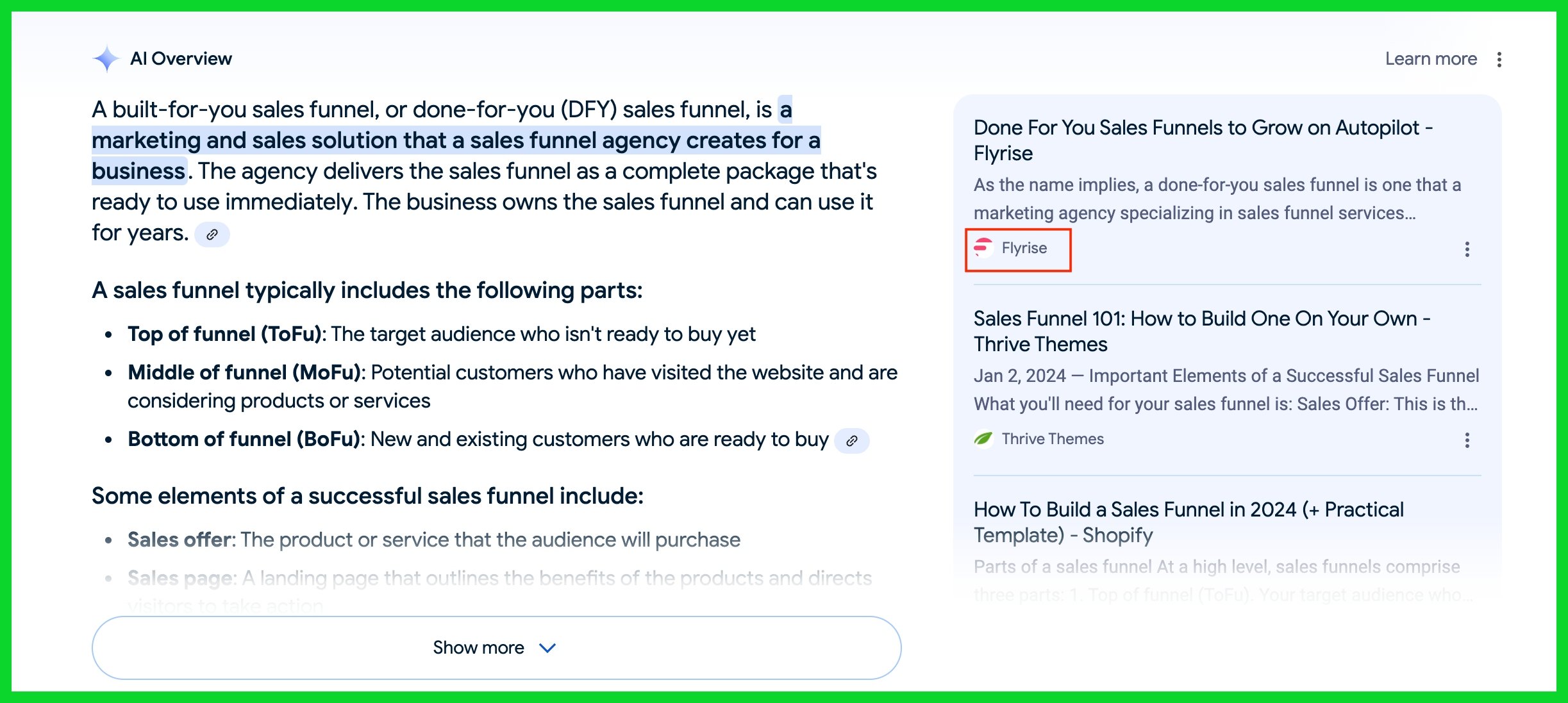
AEO is all about tailoring your content to appear in AI-generated replies — such as those from ChatGPT or Google’s AI search functionalities. Now that AI tools are answering so many user questions, getting your business seen in these direct responses is essential. This new approach is key to remaining relevant as the digital world moves toward instant answers fueled by AI.
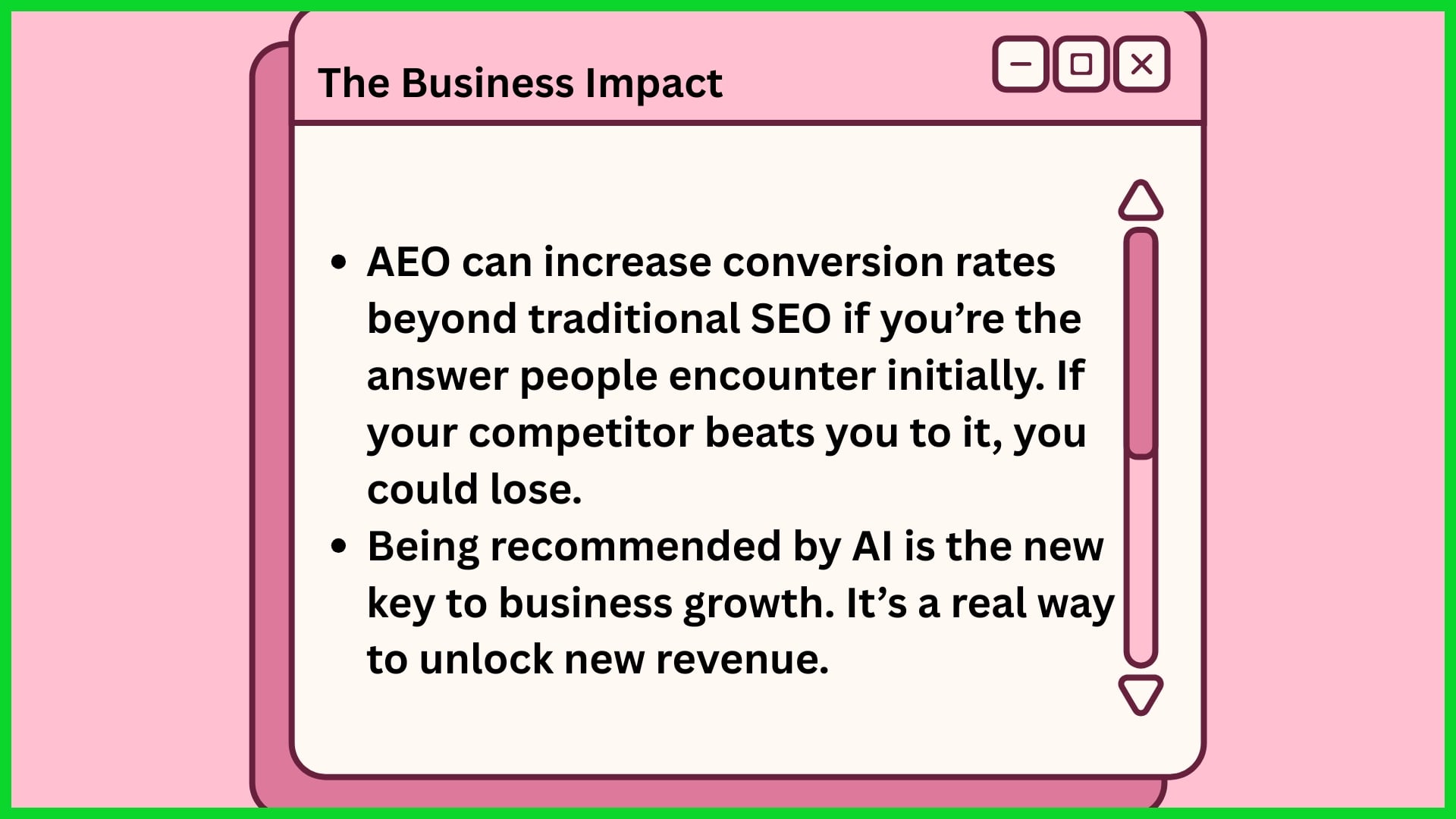
Done right, AEO can get you in front of users more quickly, hold their attention, and convert better.
1. The Core Concept
AEO is about making your content work for AI search engines, not old-school search engines. Rather than trying to earn a position on the traditional search results page, your goal is to provide searchers with the answer they’re looking for at the exact moment they need it. This requires effective AEO strategies that prioritize user intent.
Your content needs to be crisp and direct—imagine how someone would ask the question verbally and what an ideal answer would be. For AI to work effectively, you must understand how AI answer engines locate and present information. AI doesn’t always care about flowery writing or keywords stuffed all over; it seeks quality content that is appropriate, reliable, and accessible.
If your response is exceptional and easy to find, you’re more likely to be the one selected by the AI. In competitive markets, appearing at the head of these AI responses can make all the difference in your overall search results.
By focusing on AEO efforts, you can enhance your chances of gaining visibility in AI-generated responses, which can significantly impact your site traffic. Understanding the search landscape and optimizing your content accordingly is key to success.
2. The User Shift
Consumers increasingly want rapid, succinct solutions. They don’t want to scroll through a page of blue links. The explosion of voice search, with folks querying their phones or smart speakers, is transforming how we all find info.
With AI tools now trending, users demand immediacy. As a business, you have to satisfy this expectation or lose your audience to someone who does. It’s not just about being found–it’s about being found first and providing the answer that resonates.
If you want to continue engaging your audience, you must accommodate how they search for information today.
3. The Technology Shift
AI is advancing at breakneck speed. These models’ methods of extracting and providing answers are constantly evolving, which in turn affects how users discover your content. LLMs such as the ones powering ChatGPT or Google Gemini retrieve answers in a fundamentally different way than search engines ever did.
They compile, paraphrase, and occasionally synthesize information from multiple sources. To keep your business in sight, you need to understand what AI is up to and stay on top of new tech.
Early adopters get to ride the wave; everybody else risks getting overwhelmed.
AEO vs. Traditional SEO

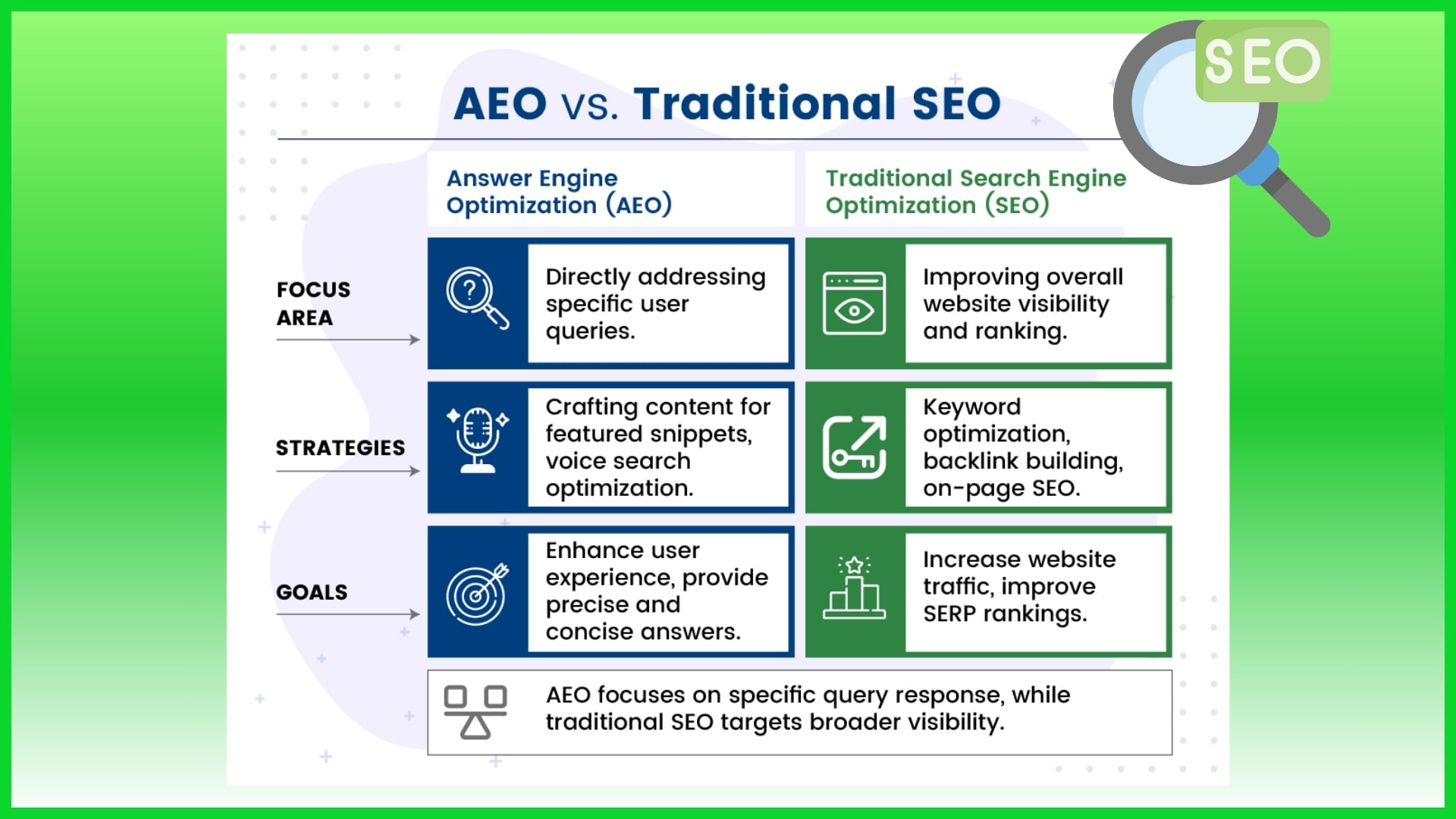
AEO performance and traditional SEO both influence how quality content is discovered on the web, yet they follow different trajectories and emphasize. As AI search engines and voice assistants transform how users seek answers, so must the tools and aeo strategies for enhancing online visibility.
|
Feature |
Answer Engine Optimization (AEO) |
Traditional SEO |
|---|---|---|
|
Main Focus |
Direct answers for AI, voice, and chat |
Ranking in search results |
|
Key Metric |
AI recommendation rates, direct answers |
Organic rankings, traffic |
|
Content Needs |
Structured, clear, semantic, fast |
Keyword-rich, long-form, varied |
|
Discovery Window |
2–3 days for AI citations |
Weeks to months for rankings |
|
Only the top answer is visible |
Multiple results shown |
|
|
Tech Requirements |
HTML, JSON-LD, fast load, AI access |
Can use JS, less strict |
|
Market Example |
Perplexity AI, voice assistants |
Google, Bing |
Different Goals
AEO is about providing users with immediate, rapid responses—imagine voice assistants or chatbots that respond within moments. Rather than seeking a top spot on a search results page, AEO wants to be the sole response, because in AI-fueled search, second place practically equates to invisible.
In areas where fast is important—travel, health, finance—AEO is critical. AEO’s ultimate objective is immediate user gratification. When a user poses a query, they seek a concise, trustworthy response immediately—no scrolling necessary.
Businesses win when they can get their objectives—lead gen or brand authority—in step with this new access point. It’s important to define your goals ahead of time, so your content is focused from the get-go.
Different Metrics
AEO success isn’t about clicks or ranks. Instead, it’s about how frequently content is selected by AI engines, how many times a voice assistant references your response, or how fast new pages get referenced by LLMs.
For instance, the majority of LLM references occur within 2–3 days of publication, and in certain spheres these constitute 2% of all references. Tracking user engagement—did they get their answer, did they follow up, did they ask for more—matters more in AEO.
Businesses need to revise their analytics to track things like AI forgiveness rates and user satisfaction—not just raw traffic.
Different Mindsets
Moving to AEO represents a different way of thinking. It’s not just about keywords or backlinks anymore. Now it’s about user need, speed, and precision. Write content that’s easy to read, well-structured, and primed for AI engines to crawl and display as responses.
For instance, raw HTML, JSON-LD, and fast load times are a must, since AI engines can’t always read JavaScript-heavy sites. AEO requires marketers to be proactive—study how people ask questions, look for trends, and keep adjusting content.
The internet keeps evolving, and your strategy should too. Ongoing education and adjustment are in the mix these days.
Foundational AEO Principles
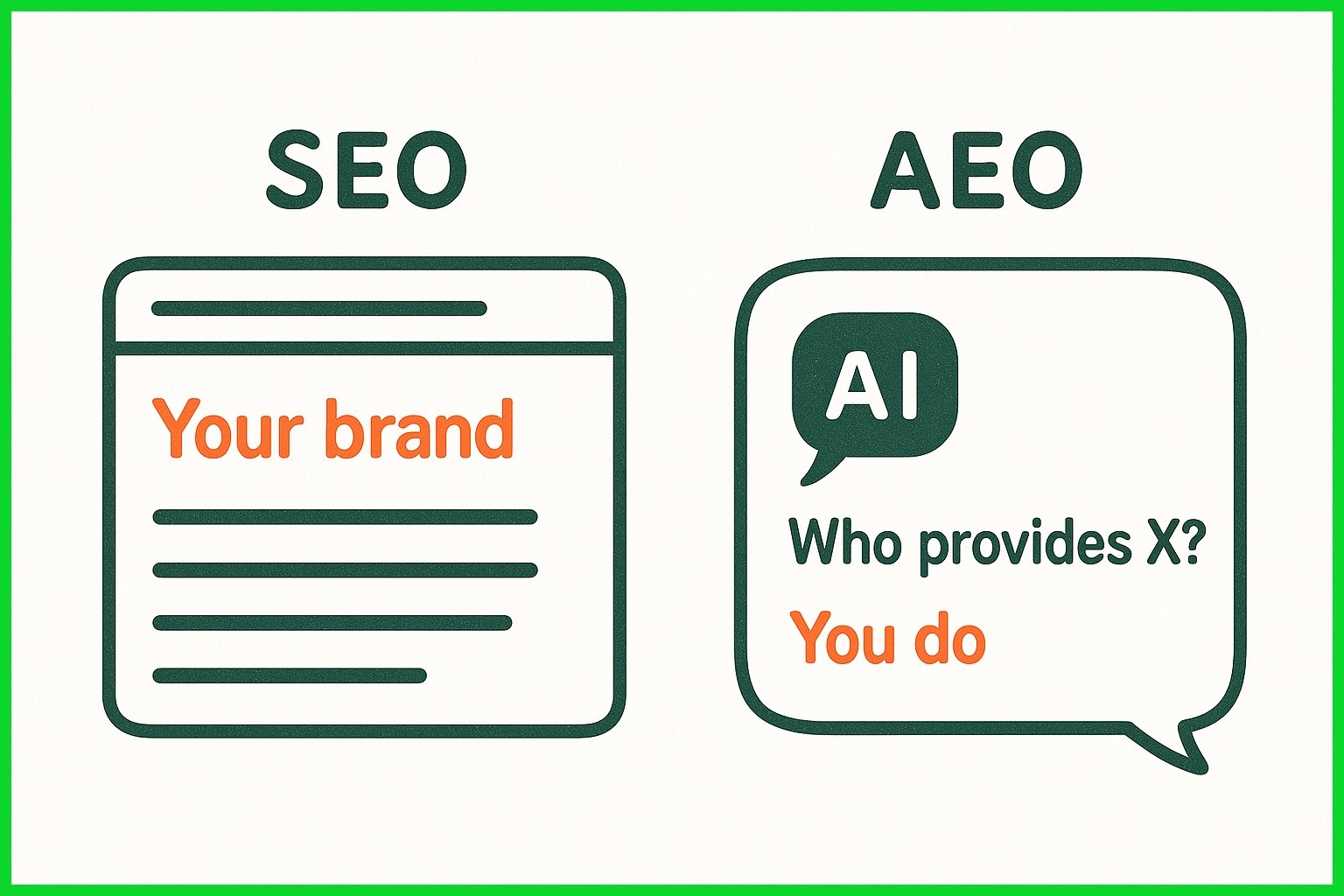
AEO configures content for the emerging stark answer universe of AI-powered answers—concise, focused, ready to be pulled up in an instant. By utilizing aeo strategies, AEO builds on key principles: understanding what users want, how quality content is built, how data is marked up for machines, and how entities are recognized. Together, they make it easier for people and AI to discover what they need quickly.
User Intent
User intent is what fuels every search and every response. It’s about what somebody truly desires to know when they enter or say a search question. Smart AEO work begins by tuning in to those desires. If content doesn’t fit the searcher’s true needs, even top technical work can’t save you.
To nail this, research is essential. That means doing keyword research, but considering what questions your audience has, what issues they need resolved, and what language they might use. AEO pros frequently run test queries, leverage AI-powered tools, and even pose the same questions their readers might query.
This calibrates content to what real people want to see, not just what robots “believe” they want.
Content Structure
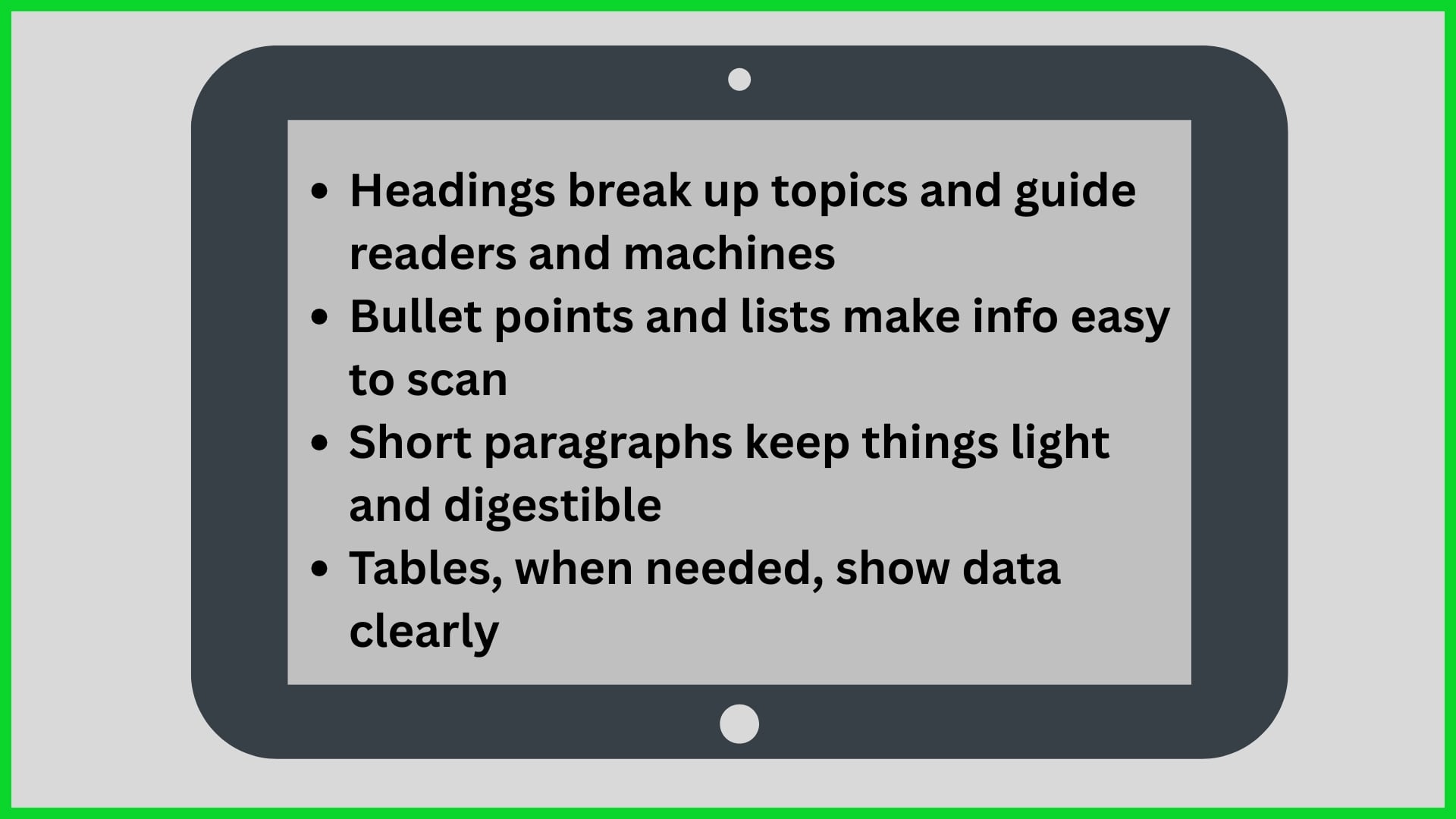
AEO demands a rational flow of content. If the readers or the AI get lost, the answer won’t appear. Well-structured sections keep both on course.
Structured content assists with featured snippets – the answer boxes that frequently pull 40-50 word responses. A Q&A format or ‘key takeaways’ box can be particularly helpful because it aligns with how answer engines want to serve results.
Data Markup
Data markup is kind of like a map for search engines and AI. By marking up your content with schema.org tags—FAQ, HowTo, Article—you’re telling the machines precisely what each piece of content means. That enhances the likelihood of content being ‘seen’ and utilized in answer boxes and rich snippets.
By marking up content, you’re not simply assisting Google or Bing in comprehending it. You’re simplifying it for any AI to extract the correct responses. Direct answers, frequently in rich snippets, depend on this specificity.
It’s fundamental to any AEO strategy.
Entity Recognition
Entity recognition enables AI to identify individuals, locations, companies and objects. Well-optimized content uses clear, recognized names and links to trusted sources. This enhances trustworthiness and indicates to AI that the response is trustworthy.
For AEO, getting the names and facts right matters. Quoting or linking to authority pages helps content get answer engine pickup more often.
Create Answer-Ready Content
AI search tools have transformed the way we discover and utilize information on the internet, making effective content marketing essential. To compete, your content must be explicit—easy for humans and AI answer engines to consume. Organizing with an inverted-pyramid—answer-first—structure allows readers and search engines to obtain your point quickly.
Conversational Tone
Conversational tone is warm and inviting, like a conversation, not a sermon. It pulls me in and makes me feel comfortable, regardless of my background. This style employs colloquial words, eschews jargon, and reads authentic.
Brands that maintain this voice consistently across everything they put out build trust and a human connection that makes people remember them and want to return. A blog post on SEO basics, for instance, that begins with, “Ever wonder how Google selects what you see first?” comes across as more engaging than bland glossaries.
When authors use plain language and brief paragraphs, international readers will capture the point, even if English isn’t their native tongue.
Direct Answers
Direct answers are about delivering to users what they request—quickly. The optimum approach is to put the obvious answer within the first 40-60 words of each section. This aligns with how AI engines crawl content. It means less bounce, because readers receive everything they need all at once.
Short, answer-first sections work for all types of search intent, from ‘how to set up Google Analytics’ to ‘seo tools for small business’. For example, an FAQ might read, “What is answer engine optimization? It’s the practice of organizing information so AI assistants can locate, pull out, and deliver brief responses to queries.
This straightforward, answer-first style makes info memorable and more credible.
Layered Information
Layered information piles information to everyone, from rookies to rockstars, can get what they want. The top tier provides an immediate response. The following level adds additional detail or examples. Finally, deeper layers provide additional context or links for those who wish to continue exploring.
This incremental approach to presenting information keeps your readers from getting lost or bored. New users get the nuts and bolts, while more seasoned users discover the depth they crave.
An SEO step list with pithy tips, then real-world examples, demonstrates how to juggle comprehensiveness and conciseness.
Visual Context
Visuals such as images, infographics, and videos chunk up text and assist in elucidating complex concepts. Incorporating a chart or quick how-to video with captions makes content more shareable and memorable.
Employ structured data such as the FAQ schema to assist AI in locating and displaying your images. Minimize file sizes and include descriptive alt text.
The Ethics of AEO
Answer Engine Optimization (AEO) is transforming the way users access and consume information online, significantly impacting digital marketing strategies. As AEO becomes increasingly prevalent, its ethics become crucial, guiding how marketers and SEOs approach AEO efforts to enhance user experience and ensure transparency.
Value Over Volume
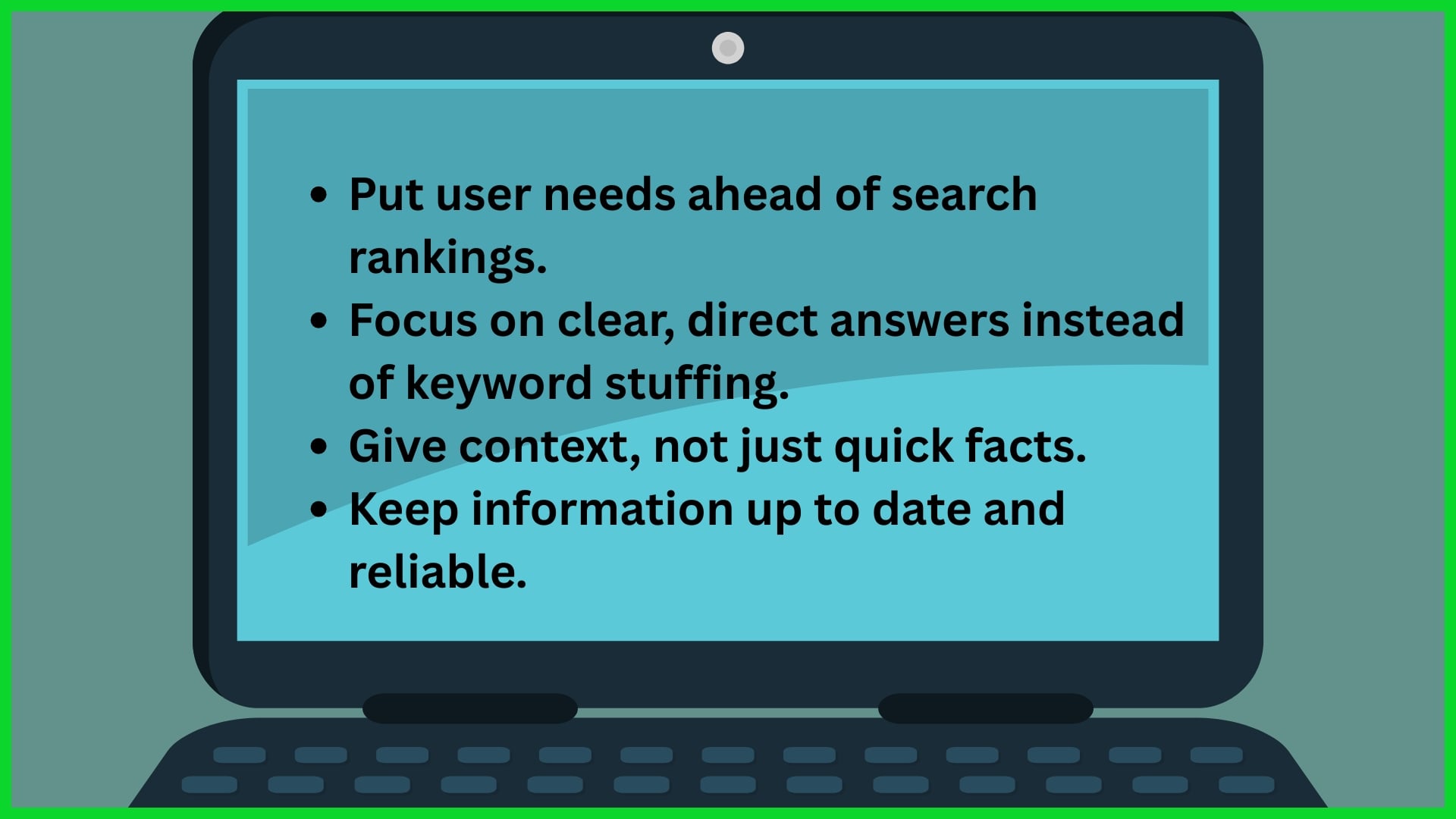
A balanced approach implies more than simply inundating the web with content. When teams care about value, users get more involved and walk away with practical wisdom. Well-crafted responses create faith, induce distribution, and generate actual outcomes for brands.
When marketers simply pursue volume, users are aggravated by superficial, redundant, or even inaccurate responses. This can alienate people from brands and foster distrust in AI-generated responses. We often forget that more is not more—quality triumphs consistently.
Originality First
Original work sets brands apart and establishes authentic authority, which is crucial for effective content marketing. If people are faced with the same regurgitated material, they tune out and distrust, impacting organic search traffic. Search engines crawl duplicate answers, which can harm rankings and visibility, especially in the context of aeo performance metrics.
Duplicating or regurgitating content exposes a business to copyright concerns and can even propagate misinformation if sources aren’t verified. It’s easy to fall back on canned responses, but that doesn’t serve anyone in the long term.
It’s original stories and fresh insights that differentiate a brand in a crowded marketplace. Cleverly sprinkling in real-world examples or local context enhances the content strategy, but double-check the facts every time. Originality isn’t the same thing as helpfulness, honesty, or clarity.
Human Oversight
Human review is essential for AEO to function effectively. AI writes quickly, but it doesn’t always detect bias, errors, or lack of context. If there’s no one looking, incorrect or even damaging responses could sneak in.
For starters, teams should consistently verify AI-generated output for both accuracy and fairness. This is more significant when responses have the potential to influence critical decisions or broach social issues.
AI tools are useful, but they require humans to shepherd them so that the responses align with real-world demands. Regular audits and updates ensure responses remain current and accurate. Trend-watching, feedback-listening, and error-fixing marketers keep trust high and users happy.
Measure AEO Success
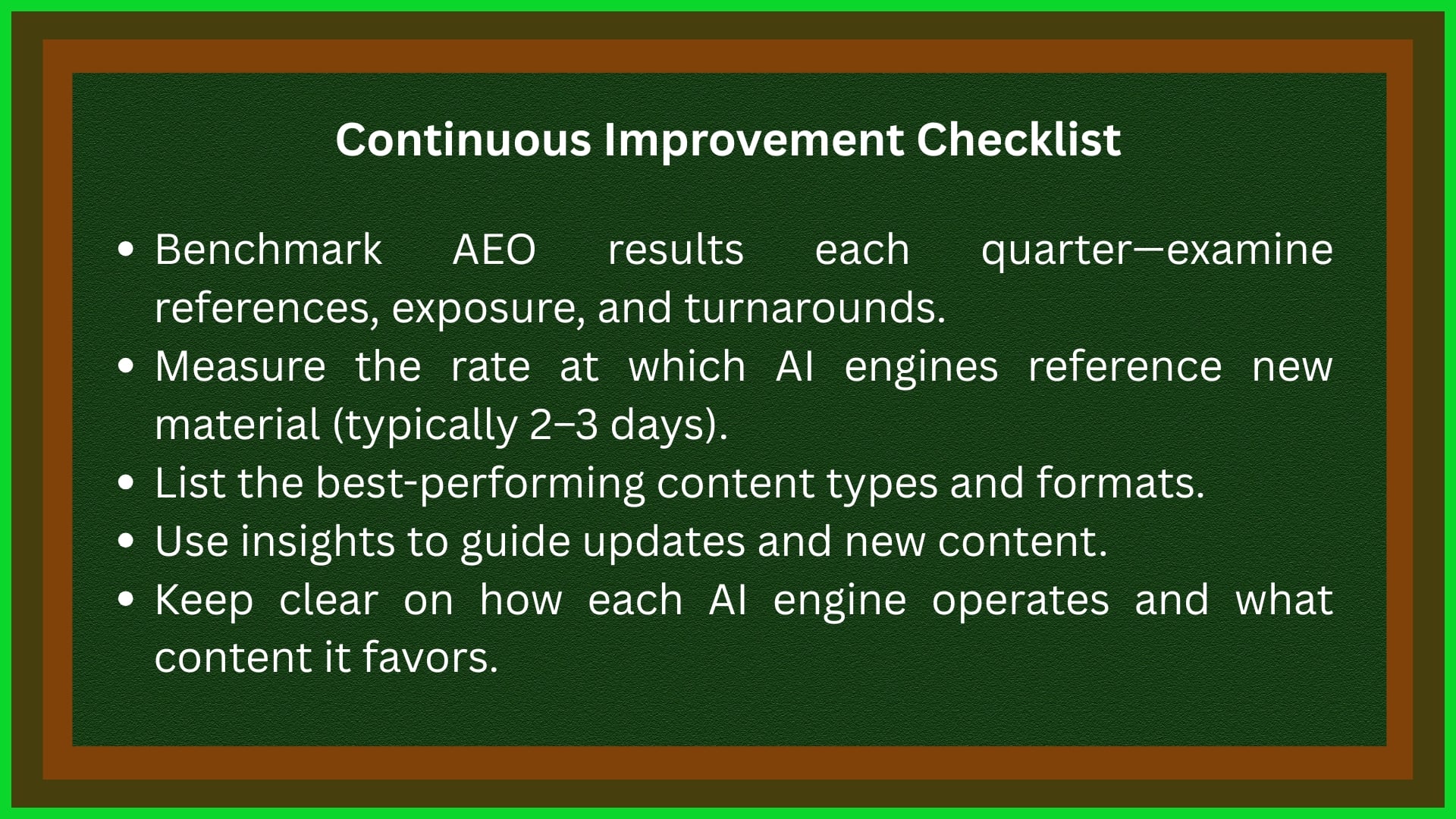
Answer Engine Optimization (AEO) strategies require distinct methods to measure success, focusing on visibility, engagement, and conversions within AI answer engines. Achieving success involves understanding how AI search engines impact business goals. To ensure iterative content improvement, we must track performance metrics, assess against benchmarks, and adapt based on insights gained each quarter.
Visibility Metrics
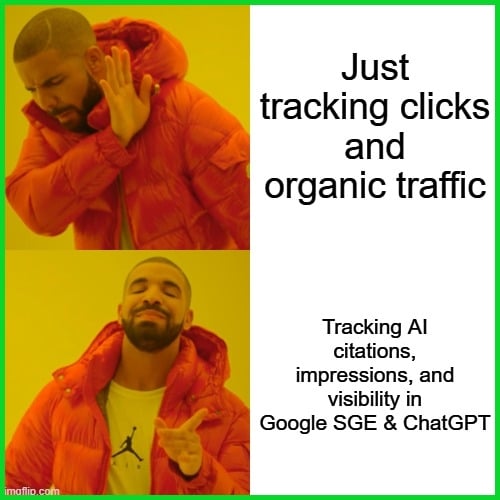
Visibility tells you how often your content appears in AI search tools, such as Google AI Overviews, ChatGPT, and Bing Copilot. Impressions monitor every instance where an AI engine extracts your page as a referenced source, which is crucial, as almost 60% of searches conclude with no click. Clicks still matter, but in AEO, the citations these AI engines earn are important KPIs—asking for quarterly reports with these numbers helps you see real progress.
Visibility trends inform ongoing AEO strategy. For instance, listicles account for 32% of all AI references. If you notice these formats perform well, you can create more content in that style. Pivoting based on what gets viewed or referenced ensures you stay attuned to what AI algorithms desire and remain ahead.
Engagement Metrics
Engagement metrics provide insight into how users interact with your content after seeing AI results.
|
Metric |
Description |
Why It Matters |
|---|---|---|
|
Time on Page |
How long users stay after seeing AI results |
Shows content relevance |
|
Interaction Rate |
Clicks, shares, or comments from AI traffic |
Measures user interest |
|
User Feedback |
Comments, ratings, or AI feedback |
Improves quality & trust |
Both high time on page and strong interaction rates indicate to you that the content is useful and aligns with search intent. User feedback, like thumbs up in AI answers or comments, adds another layer: it helps fine-tune relevance.
By watching these signals closely, you’re able to optimize content, making it more probable to be referenced and leveraged in AI responses. In time, these insights direct what types of stories and resources to develop next.
Conversion Metrics
Conversion metrics capture whether AEO traffic converts to actual business victories. For instance, one KPI for AEO is the conversion rate from AI traffic. For product-led pages, 20–30% rates are achievable, indicating that AI visitors are typically primed for action.
Tracking conversions from AI results, not just search, is now a must. Everything should connect to overarching goals. If more AI visitors complete forms or register, or purchase, AEO is successful.
Establish tracking for these results and monitor over time. This helps identify what’s working, so you can double down or pivot.
Conclusion
Answer Engine Optimization is defined as how individuals discover information on the internet. Simple, straightforward answers earn trust. Effective AEO brings authentic questions front and center and reaches users where they seek, quickly. None of that fancy footwork—just descriptive, truthful information and assisting people in obtaining what they desire. Teams that construct answer-ready pages experience actual outcomes, such as increased clicks from voice and chat interfaces.
AEO functions for brands, stores, and local companies. It goes hand in hand with clever SEO strategies. To stay in the lead, begin with authentic questions, provide powerful answers, and test what works. To improve your site, test AEO and watch the victories. Curious to watch what real AEO can do to grow your business? Contact the team at SirLinksALot.
Frequently Asked Questions
What is Answer Engine Optimization (AEO)?
Answer Engine Optimization (AEO) is the practice of designing quality content to provide simple, definitive answers to user queries, maximizing the odds that it will be featured in answer boxes and spoken search results.
How is AEO different from traditional SEO?
AEO strategies focus on delivering concise answers, while traditional search engine optimization aims for broader keyword visibility through generalized content optimization.
Why is AEO important for websites?
AEO strategies enhance your site’s visibility in featured snippets and voice search, delivering instant value to users while boosting organic search traffic.
What are key principles of AEO?
Important factors include knowing intent, utilizing aeo strategies, answering concisely, and leveraging structured data for quality content.
How can I create answer-ready content?
To enhance online visibility, focus on a solid SEO strategy that includes thorough keyword research and content marketing efforts. By integrating AEO strategies, you can improve your performance metrics and increase organic search traffic.
How can you measure AEO success?
Monitor stats like featured snippet positions and voice search results for performance metrics.
Is AEO ethical?
Yes, so long as data is factual, trustworthy, and respects user privacy, legitimate AEO strategies establish confidence and credibility.