Even if AI takes over the content and dominates the internet world, you cannot have a website without posting crucial blogs. Blogs are necessary for your business or brand to draw new customers and keep the ones you have. As a content strategist myself, before AI had a direct influence over blogging, I was so confused by the idea of how many blog posts I should publish that I used to post inconsistently. Sometimes it was two per week, then when I needed, I posted more.
So this inconsistency made me question my actual doubt, like how often you should blog. But gradually I realised that it depends on the company and other parameters. So in this blog, I thought I’d write a proper guide to help you understand these doubts, and with the new parameters in AI-dominated content, how often you should focus on posting content relevant to gain search traffic.
Blog Post Frequency Basics
Blog post frequency is a crucial aspect of content marketing, as it directly impacts search engine rankings and website traffic. The ideal blog posting frequency varies depending on the target audience, industry, and resources available. But here are the three basic things to do before you consistently start posting blogs on your websites. Determining the ideal blog post frequency involves balancing consistency and quality to meet the needs of your target audience and industry.
Goals of the Website
→ If your primary goal is to drive organic traffic, higher frequency with SEO-optimized content is often beneficial. Frequent publishing increases visibility and ranking opportunities, especially in competitive niches.
→ If you prioritise brand authority, then you need to publish a few high-quality bottom-of-the-funnel (BoFu) articles. For thought leadership or niche authority, quality and depth may outweigh sheer volume. Fewer, more authoritative posts can be more effective.
→ If your focus is on generating leads or sales, align your frequency to support campaigns, product launches, or funnel stages.
→ If your goal is just to post as a side hobby without any revenue expectation, then casual blogging with less importance on optimization and frequency might be sufficient.
→ But for this to work, you also require a strong distribution plan. Otherwise, you won’t find your targeted audience, and neither will they find you.
→ For audience retention and engagement, consistency is key, so set a schedule that your audience can rely on.
Clearly defining your blogging goals will help you align your content strategy with your overall business objectives.
Level of Expertise
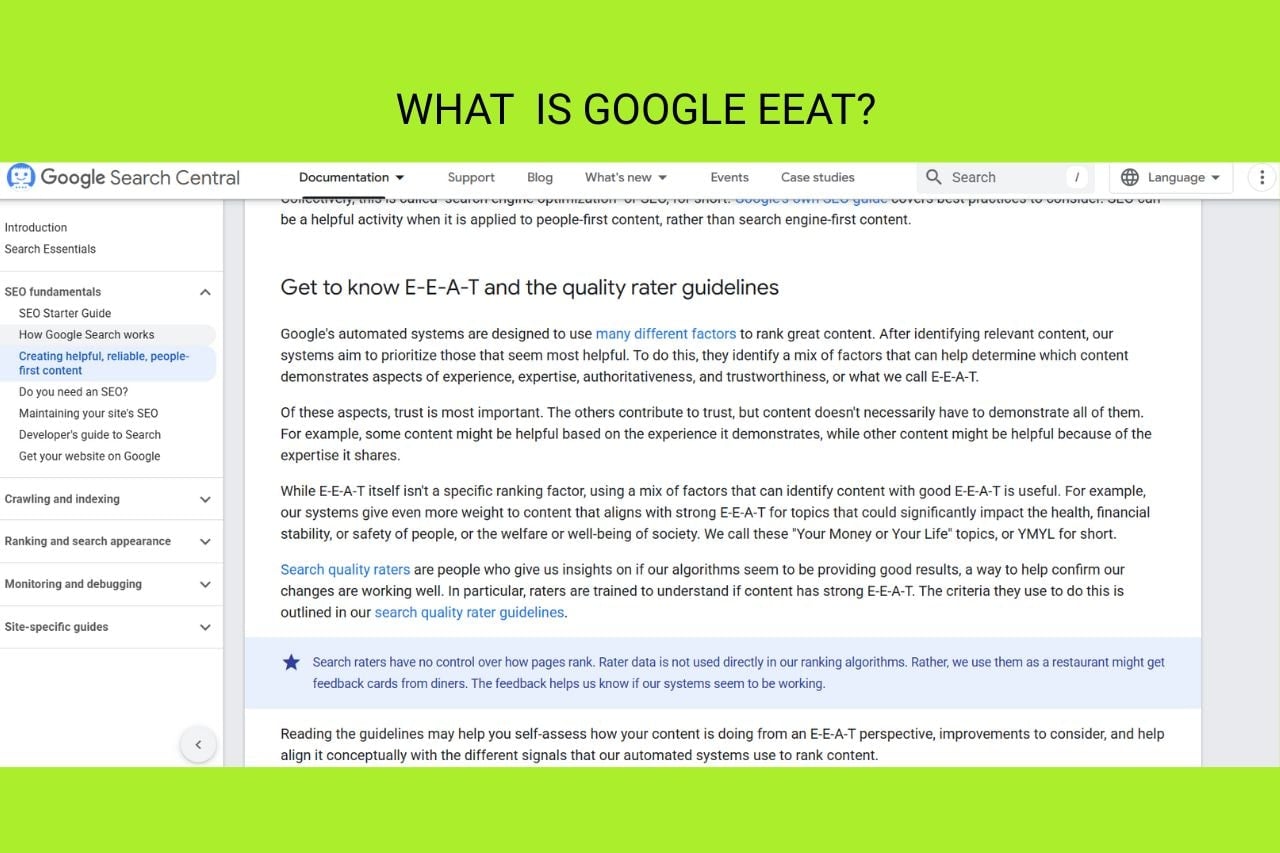
Google’s E-E-A-T (Experience, Expertise, Authoritativeness, Trustworthiness) guidelines reward high-quality, expert-driven content. For a small team, maintaining a consistent publishing schedule can be challenging, so it’s crucial to focus on creating high-quality, expert-backed content. This also helps you rank your blogs in the top SERP results, driving in more monthly traffic to your site. So, considering blog frequency is the key aspect here, it all comes down to your expertise or your team’s.
For example, do you have enough expertise to publish relevant content five times a month? If your answer to this question is yes, then you can experiment with doing so. If it’s sadly a no, then it’s best to publish fewer blogs but make them more authoritative and focus on quality. Highly technical or regulated industries may require more research and expertise, impacting how often you can realistically publish.
Expected ROI
Define what success looks like (traffic, leads, conversions) and track performance against these metrics. Your KPI can matter a lot, so make sure you have an idea of what your KPI should be. Staying updated with the latest algorithm updates is crucial for ensuring that your content remains relevant and continues to drive traffic and conversions. Since most of the companies I’ve worked with look for a more formalised content strategy, they look at measurable KPIs like traffic increase, conversion rates, sign-ups, referral traffic, etc.
Test different frequencies and analyze which cadence delivers the best return for your unique audience and industry. Ensure your publishing goals match your available budget and resources to avoid overextending and sacrificing quality.
If you’re an individual blogger, then ROI might not be clearly defined. So, try publishing a few blogs for your self-satisfaction or audience engagement, then you can decide whether you need to increase the frequency or not.
Let’s look at the latest blogging frequency data to understand what works today:
| Metric | Statistic (2025) |
|---|---|
| Average blog post length | 1,416 words |
| % of bloggers publishing 2,000+ words | 14% |
| Average time to write a blog post | 5–6 hours |
| % of bloggers posting 3–6x/month | 44% |
| Businesses posting 16+/month: traffic | 3.5x more than those posting ≤4/month |
| % of active websites (2023) | 18% (200+ million active sites) |
| Optimal posts/month for SEO growth | 16+ posts/monthly posts |
Understanding Blog Posting Parameters
Blog posting frequency is critical to search engine optimization (SEO), as search engines understand the importance of fresh and high-quality content. Once your goals, expertise, and ROI expectations are clear, focus on these updated parameters to determine the right frequency for your blog. Regularly publishing blogs is essential for maintaining visibility and authority in your niche.
New vs. Old Content
You need to start assessing your existing content library. If you have a lot of outdated posts, prioritize refreshing and optimizing old content before ramping up new posts. A thorough audit will help you decide if your website needs fresh content. This way you can increase the number of blog posts and just update everything new. Publishing new blogs regularly can help keep your content fresh and relevant, attracting more readers and improving SEO.
P.S. To improve your SEO, there are other factors such as getting high-quality backlinks, so connect with us right now!
You can also conduct Performance-Based Updates. You need to update high-performing or declining posts to maintain rankings and relevance. For rapidly changing topics, quarterly updates are recommended; for evergreen content, annual or biennial reviews may suffice.
Usually, I delete or unpublish old content and then write a mix of new content. I do strategic updates to older posts, which often yield the best results, improving both SEO and user experience.
Budgeting and Bandwidth
Factor in the number of writers, editors, designers, and strategists available. Don’t set a frequency you can’t sustain with your current team. If resources are limited, focus on fewer, higher-quality posts rather than sacrificing depth for volume. Utilize any free time to work on other valuable projects, such as preparing lead magnets, to enhance overall effectiveness.
As your team or budget grows, gradually increase your publishing frequency while maintaining standards. Consider outsourcing specialized tasks or partnering with SEO agencies as you scale.
Competitor Authority
You need to research how often your top competitors publish and the quality of their content. If they have a large, authoritative presence, you may need to publish more frequently to catch up or maintain visibility. To rank high in search results, you may need to publish more frequently and focus on high-quality content to compete with authoritative competitors.
You can identify areas where competitors are underserving the audience and fill those gaps with targeted, high-value content. You need to focus on topic clusters and create high authority. Differentiate your product by offering unique insights, original research, or more actionable resources.
If you’re in a less saturated niche, a moderate frequency may suffice, but in crowded markets, aggressive publishing may be necessary to build authority.
Content Strategy and Planning
A content marketing strategy is vital to determining the ideal blog posting frequency for a business. Here is how you should prepare yourself with content strategy and planning.
Target audience: Understanding the target audience and their needs is crucial to creating relevant and engaging content. The first step is to deeply understand your target audience and their journey from being aware to being an advocate in the niche.
For example, in sales-led organizations, content should address each stage of the customer lifecycle, while product-led businesses might focus on driving free trial sign-ups and quick conversions. You should also see what your target audience prefers.
Do they prefer short chunks of content or an in-depth guide once a month? Having ideas about your target audience can help you have a clear understanding of the number of blogs and the quality of blogs you should focus on each month.
Comprehensive research: You should surely make use of SEO tools to identify high-volume and low-competition keywords. This research will cover all stages of the buyer journey and most of the content targeting. You need to do comprehensive research on the industry and competitors to know what they are doing. How frequently the competitors post blogs can also be taken as a reference for your site to follow that path and attract visitors to your site.
Competitor analysis is crucial when examining what your rivals rank for; you can spot content gaps and opportunities to differentiate your blog.
Resources: Whether you’re planning to post some short information or create a massive infographic on your website, you need to know that it requires time and effort.
So if you’ve got so many resources and information to throw at your audience, then you blog frequently. Otherwise, you can focus on maintaining momentum with 1–2 posts per week. So this can be considered as part of the strategy to increase brand awareness, generate leads, or support sales.
Content calendar: A content calendar can help businesses plan and organize their blog posts in advance. You can begin by defining your content goals- whether it’s generating leads, increasing website visits, or growing your social media following. These objectives will shape the frequency, channels, and types of content you schedule.
Finally, your strategy should outline clear processes for content creation, optimization, and promotion. This includes topic selection, editorial calendar planning, SEO optimization, and post-publication promotion via email and social media. By setting up these processes, you ensure consistent quality and efficiency, even as you scale your blogging efforts.
Measuring Success and Adjusting Blog Frequency
Measuring the success of a blogging strategy is crucial to adjusting the blog posting frequency. Start by setting clear, measurable objectives-such as increasing website traffic, boosting engagement, or generating leads. Without defined goals, it’s impossible to assess whether your content strategy is effective. The answer depends on your specific business requirements and the level of involvement you desire.
Use analytics tools to track essential metrics like page views, unique visitors, bounce rates, average session duration, and conversion rates. These metrics reveal how your audience interacts with your content and which topics resonate most. I’ve always tried to put a timeframe for my goals; quarterly reviews are common and allow you to adjust your strategy based on performance data.
You can start by testing different posting frequencies. This is a proven method for finding your blog’s sweet spot. For example, you might start with one post per week and gradually increase to two or more, monitoring the impact on traffic and engagement over a six-month period. If you see positive results, maintain or increase the frequency; if not, experiment with longer, more in-depth posts or adjust your content mix.
I will only suggest that you don’t overlook qualitative feedback. Poll your readers on social media or through comments to gauge their preferences for post frequency and content types. Regularly updating your approach based on both quantitative and qualitative data ensures your blog remains relevant and effective in achieving your business objectives.
Creating a Blog Content Calendar
Instead of you spending hours trying to find ideas or topics to write each week, take some time to optimize your content process by planning for several months using a content calendar.
A well-defined blogging schedule is crucial for maintaining consistency and meeting your content goals.
You can start by creating a template for your calendar. This could be as simple as a spreadsheet or as advanced as a collaborative tool like Trello or Google Sheets. I try to include columns for publication date, topic, author, target keywords, and promotion channels.
Now, you can start with a yearly overview, then break it down by month and week to ensure a steady flow of content. This way, you have predictable content requirements to work with, and you don’t have to put the news-focused posts on the back burner just to create a Black Friday post at the last minute.
Plus, this enables you to strategize to scale up content production when required, with in-house resources or otherwise, as you have a bird’s eye view of the marketing timeline. You can plan a balanced mix of evergreen and timely content. I feel like evergreen posts provide long-term value, while timely posts capitalize on trends or special events, boosting short-term traffic and authority.
Tips for Maintaining a Blog Posting Schedule
Maintaining a blog posting schedule requires discipline and consistency. Consistency is considered as important as frequency. Whether you choose weekly, biweekly, or multiple times a week, you need to stick to this schedule and put effort into maintaining this routine. To maintain a strong online presence, it’s essential to post regularly without compromising on quality.
The 16+ Posts/Month Benchmark: Multiple studies, including HubSpot’s, show that businesses publishing 16 or more blog posts per month (roughly 4 per week) see the highest gains in organic SEO and leads, up to 3.5 times more traffic than those posting less frequently. Here, the data also shows that quality trumps quantity. You should not push low-value content in the name of 16+ posts per month.
Like I said, if you don’t have a lot of knowledge or resources, you need to adjust and maintain the consistency of posting at least once or twice a week.
Blogging every day is only suggested for those:
- Who has the time and resources to publish daily blog posts
- Don’t already have a trove of valuable content on their website
- Who enjoys blogging as a passion
- Who are consistent and have enough blog post ideas
Many marketers have reported a 45 percent increase in traffic when the total number of blog posts on their website increased from 11–20 to 21–50.
To know when is the best day to post blogs, you can try performing a few months of tests, like posting on Monday/Wednesday, or Friday. You can try posting on alternate days, or all five days, or just focus on posting on weekends. Answer the question of how your traffic compares from one level of blog post frequency to another. So stick to the days where you get maximum results and maintain consistency on posting those days.
Don’t be afraid to take breaks to avoid burnout. I always schedule 1–2 days off each week to recharge my creativity. If you’re struggling to keep up, consider outsourcing tasks like editing or graphics, or collaborate with guest writers to lighten the load.
Key Practices for Consistent Blog Posting
| Metric | Statistic (2025) |
|---|---|
| Average blog post length | 1,416 words |
| % of bloggers publishing 2,000+ words | 14% |
| Average time to write a blog post | 5-6 hours |
| % of bloggers posting 3-6x/month | 44% |
| Businesses posting 16+/month: traffic | 3.5x more than those posting ≤4/month |
| % of active websites (2023) | 18% (200+ million active sites) |
| Optimal posts/month for SEO growth | 16+ posts/monthly posts |
Common Mistakes to Avoid in Blog Posting
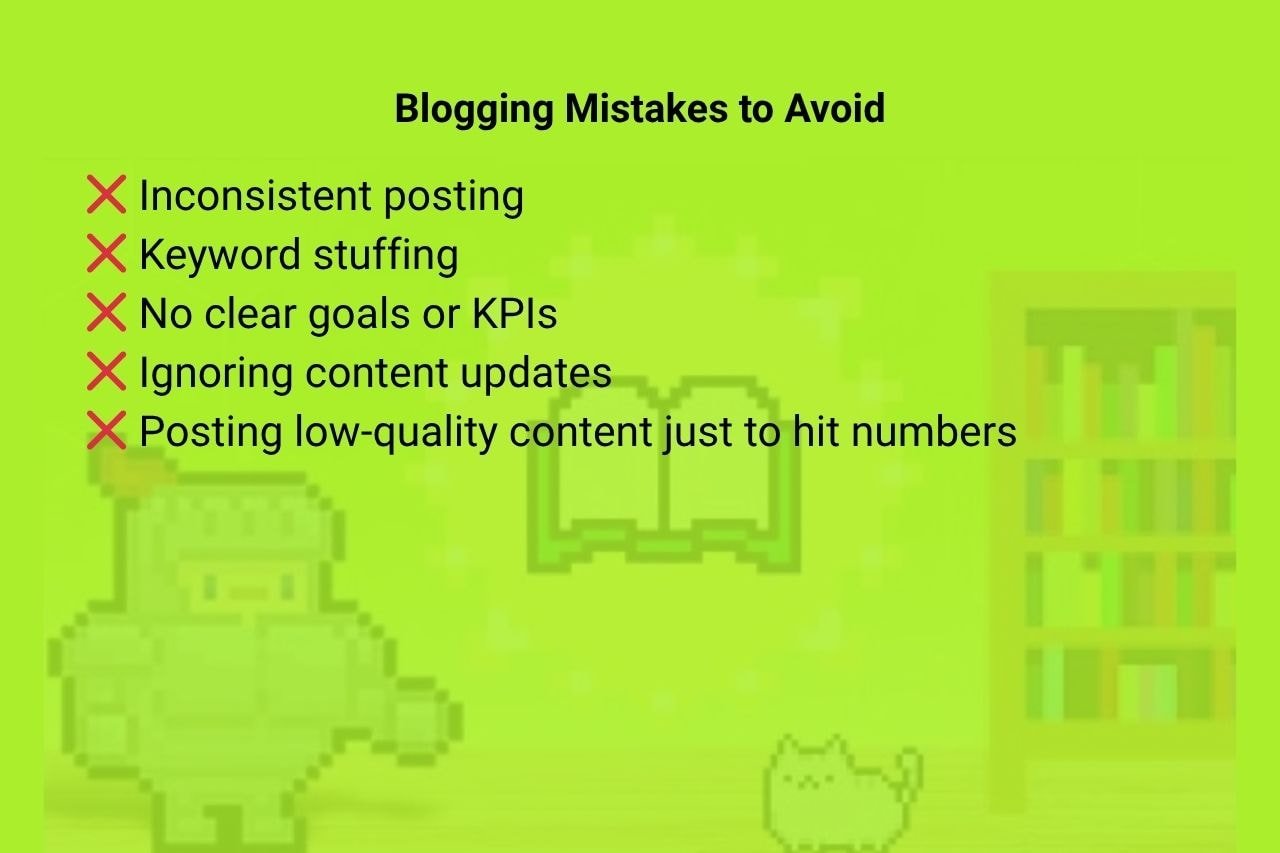
One of the most common mistakes in blog posting is inconsistent posting frequency. There is also a chance for keyword cannibalization issues if you don’t follow a disciplined content marketing strategy. If you post frequently and without being monitored for a long time, it can cause you to break your goals.
With over 7.5 million blog posts published daily and 600 million blogs worldwide, standing out is harder than ever. Focus on:
- Unique insights and original research
- Targeting underserved or niche topics
- Demonstrating real expertise (E-E-A-T: Experience, Expertise, Authoritativeness, Trustworthiness)
- Focus on creating unique insights and original research to differentiate your blog from other blogs.
It’s essential to avoid keyword stuffing and ensure that the content is well-researched and engaging. Using too many SEO terms and keywords can harm the content’s readability and engagement.
The Benefits of Blogging for Business
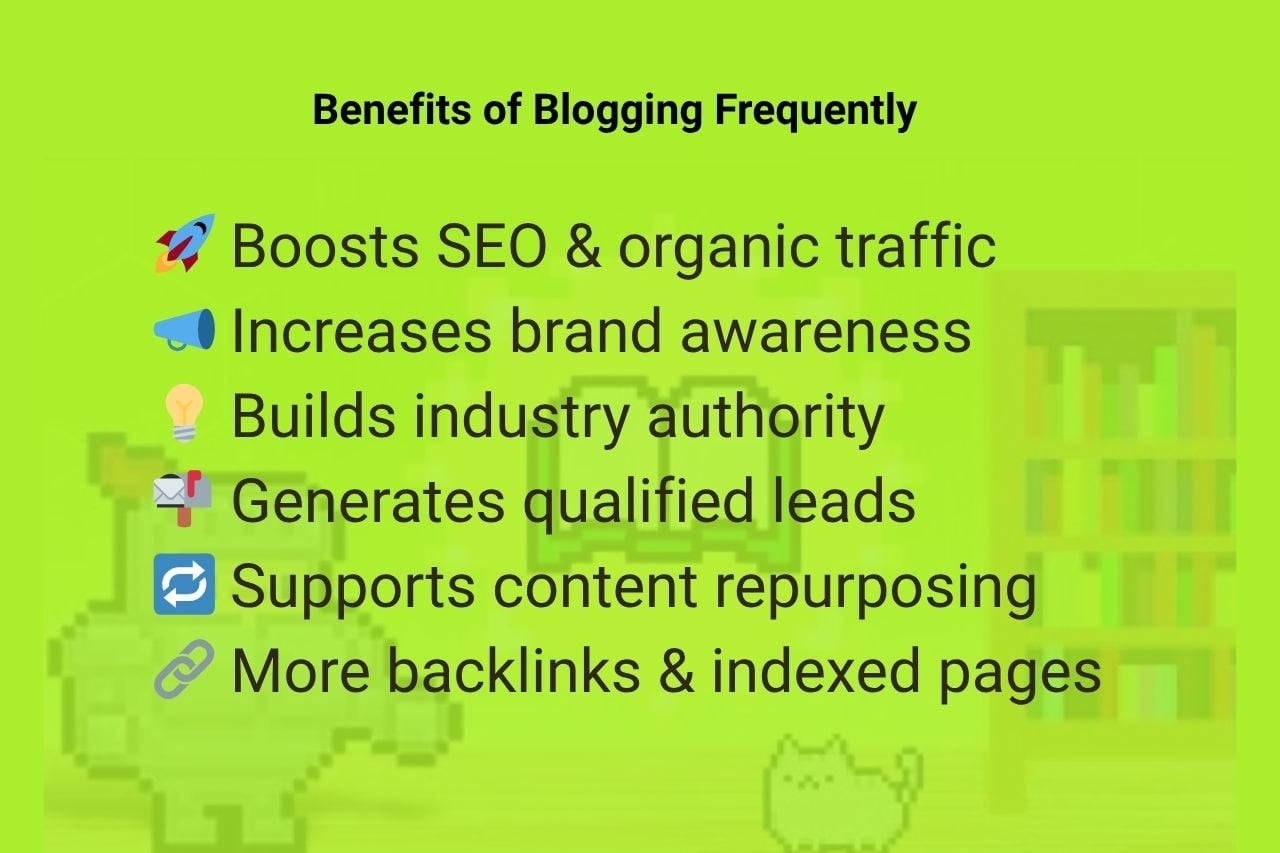
Blogging can help businesses increase their online presence and establish themselves as industry authorities. Here are the benefits you get when you blog frequently:
A high blog frequency boosts SEO: This signals your the search engine that your website is a reliable resource for thought leadership or a niche. It also makes your website more visible to drive enough traffic. The increase in engagement also signals to the search engine to rank your website to win first-page results.
Blogging Often Increases Brand Awareness: Blogging can help businesses build brand awareness and establish a community around their brand. The people having search queries will be at any stage of the buyer’s journey. So blogging positions you to be part of their purchasing process. You will be more visible, and thus it increases your brand image. Consistent and engaging blogs influence purchasing decisions for 55% of users, and 76% of marketers rely on blog posts as their primary content distribution channel. Connecting with a large audience through social media platforms can further enhance your blog’s reach and engagement.
Building Brand Authority: From a branding perspective, blogs help establish authority and thought leadership within your industry. Additionally, blogs support other marketing efforts by serving as content hubs for social media, email campaigns, and influencer collaborations. This also increases brand authority as customers and clients will trust your brand more, so make sure you deliver accurate and valuable information.
Generate Leads: Blogging frequently can easily help your website generate leads. Companies with active blogs generate 67% more leads per month compared to those without, and see 434% more indexed pages and 97% more inbound links, significantly boosting their SEO performance.
In a HubSpot study of over 4,000 businesses, companies that blogged 16 to 20 times a month got twice as much traffic and three times the leads as those that didn’t blog. And so, the websites that posted above 20 blogs per month also got five times more visitors and four times more leads.
How Often Should You Update Your Blog?
There is a significant pattern that you might have noticed in what I am trying to say through this. You can publish new content at a high velocity or publish new content less frequently and update your existing content.
For example, if you find your new article under the top 15, it is an opportunity for you to update it and make it more competitive so that it gets to the first page.
On average, blog posts have a lifespan of 2–3 years. This means for 2–3 years the fresh blog will continue to attract readers and can be shared across various social channels. So you can continue updating this blog and make sure it stays fresh for more, as it maintains the traffic and readers over the years. Regularly updating your published content ensures it remains relevant and valuable to your audience.
Now, another way to repurpose your content is by creating ebooks by combining your old blog posts. There are also other content repurposing ideas like converting key takeaways into shareable infographics, using videos to create new blog posts, or creating presentation styles.
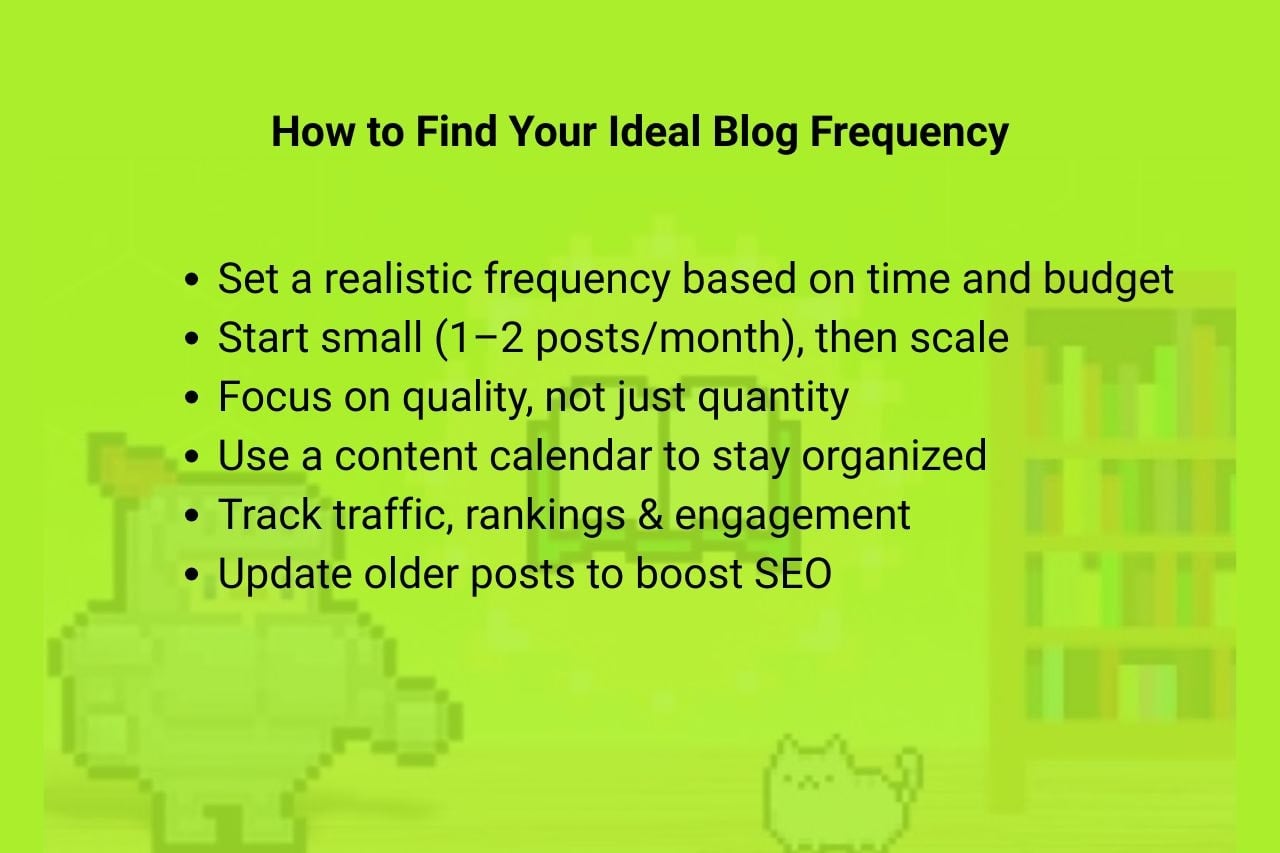
To find your ideal blogging frequency
- Determine how much time and budget you can allocate to content creation.
- You can start with a frequency you can sustain (even 1–2 posts/month) and scale up as you grow.
- You should make every post valuable, original, and well-optimized for SEO.
- You need to start using a content calendar to schedule posts and updates.
- You should also consistently track your traffic, rankings, and engagement to refine your strategy.
- Finally, refresh older posts to maintain relevance and authority.
FAQ
How frequently should you blog?
You need to blog at least 1–3 times per week to boost SEO, increase traffic, and maintain audience engagement. Your blog frequency can depend on your goals, resources, and niche.
What is a good frequency for posting on a blog?
Experts suggest that a good blogging frequency is 4–16 posts per month. Businesses aiming for growth should publish consistently to improve search rankings and lead generation.
What is the 80/20 rule for blogging?
The 80/20 rule for blogging means focusing 80% of your efforts on high-quality, evergreen content that provides long-term value, while using 20% for timely or trending topics to drive immediate engagement.