Key Takeaways
- How long you rank for a keyword depends on numerous factors including your website’s authority, the competitiveness of the keyword, and the effectiveness of your SEO efforts. Timeframes vary and patience is key.
- Recent sites need to target low-competition and niche keywords, establish authority with quality content and steady SEO work to see incremental growth over time.
- Existing sites can use their domain authority and history to aim for more competitive keywords while still updating frequently for persistent results.
- Competitive keywords need you to do everything and need a while. Going for long tail and niche keywords can get you some quick wins and some momentum.
- Keeping an eye on keyword rankings, backlinks and user engagement growth with something like Google Search Console lets you tweak your strategy and stay the course.
- Continue refreshing, building internal links, and concentrating on user experience once you are off that first page too.
It usually takes 3 to 6 months to rank for a keyword. It depends on the age of your site, the difficulty of the keyword, and how good your content is. Most SEOs observe faster movement for low-competition terms, with more difficult keywords taking longer.
Google’s indexing speed and backlink profile also influence ranking velocity. Knowing these factors helps set reasonable goals and plan accordingly. Next, we’ll dissect what actually influences keyword ranking timelines.
The Ranking Timeframe Reality
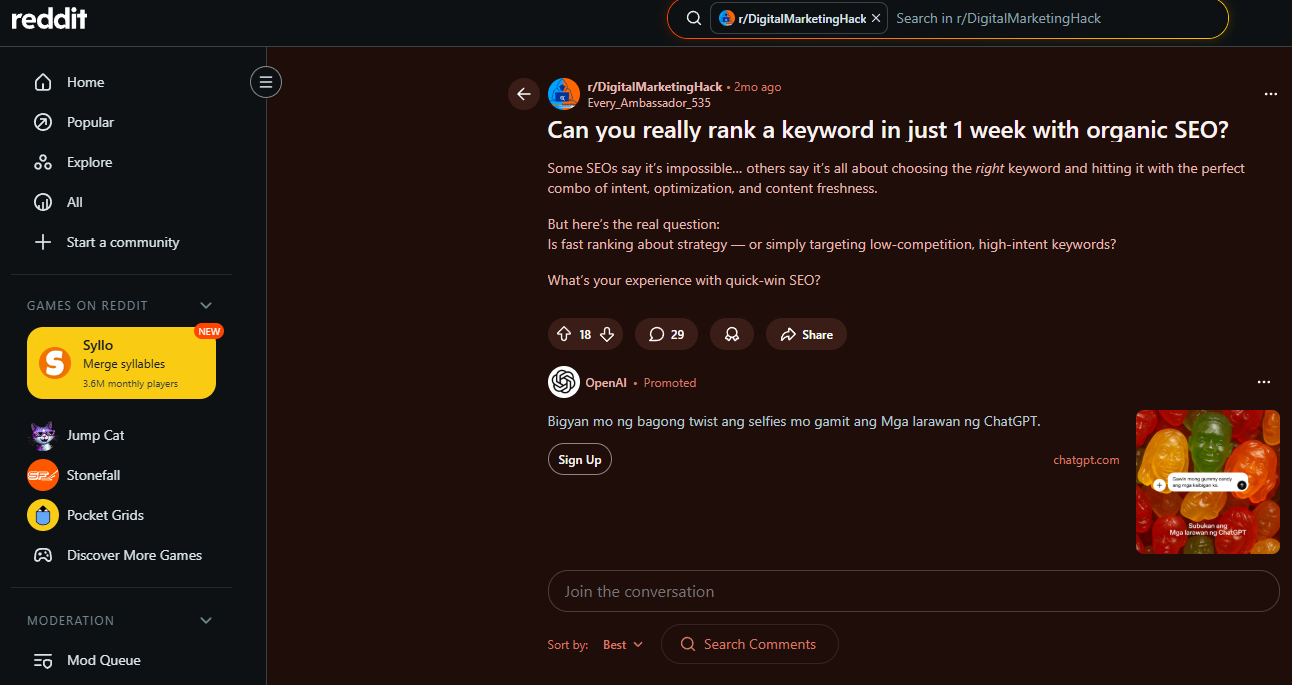
Ranking for a keyword isn’t a cookie cutter affair. It varies depending on several factors including the age of your site, the intensity of the competition, and how well you execute your SEO strategy. New sites generally require more time to get actual results, particularly if they begin with limited authority.
More established sites can move up quicker because they have trust and a solid base already. The competitiveness of a keyword is a massive factor; some can take a year or more to show results, while others are faster.
New Websites
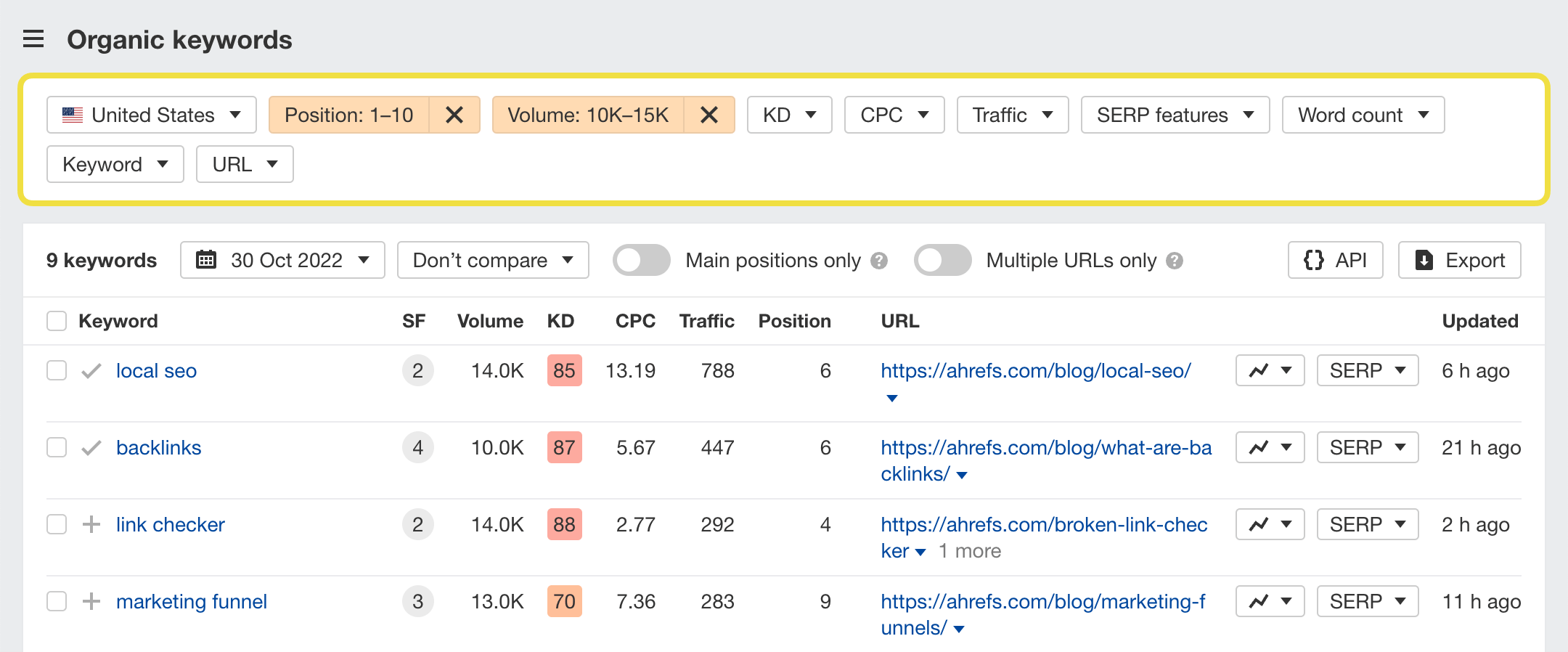
New sites wait longer to rank because they have nearly zero backlinks or authority. Search engines view them as unproven, making it more difficult to display in leading search results initially. For nearly any new site, even with an aggressive SEO campaign, it’s 3 to 6 months before you see any movement.
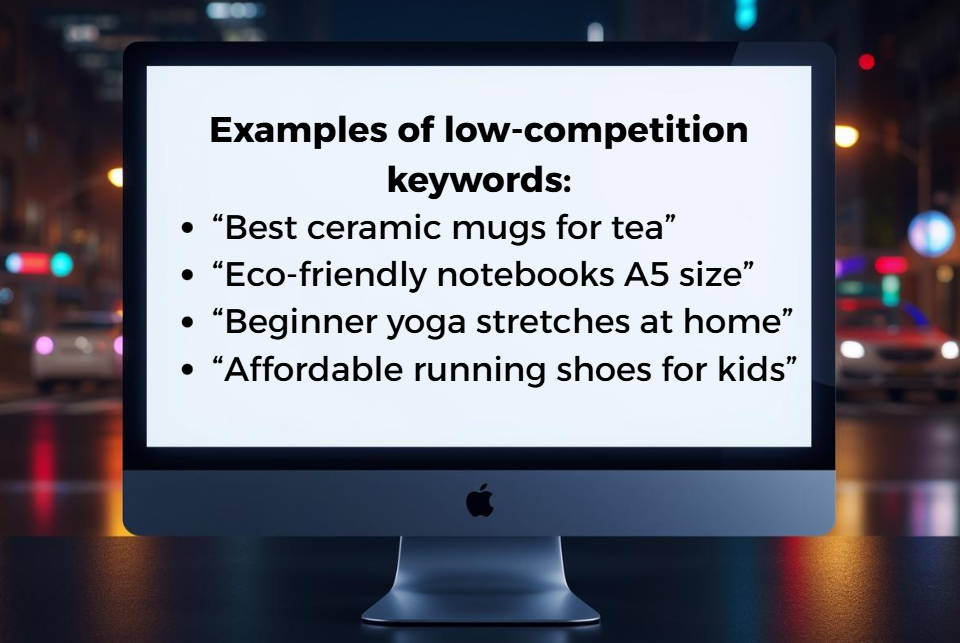
If you’re targeting low-competition keywords, you could still witness some victories in as little as a few weeks.
Authority is a slow climb. You require a consistent SEO strategy that includes consistent content, on-page optimization, and link-building outreach. As the site ages, slow organic growth becomes evident, particularly after 6 to 12 months.
Established Websites
Slightly older sites with a DA score of 40 or higher benefit. They can target more difficult, higher-volume keywords and typically notice improvements more quickly, sometimes within just three to six months. Their historical site data informs smarter keyword selections and content strategies.
Stale content is a killer. It’s not sufficient to rank once; you have to maintain the effort to sustain that ranking. Google’s algorithm changes can shake things up, so keeping an eye out for updates and adjusting course is par for the course.
Competitive Keywords
Chasing the hard terms? Anticipate a lengthier road. These keywords attract powerful sites full of resources. Before you begin, examine the keyword statistics: volume, difficulty, and who’s winning.
A table can help make sense of it all:
|
Keyword |
Search Volume |
Difficulty (%) |
|---|---|---|
|
digital marketing |
110,000 |
84 |
|
best SEO tools |
35,000 |
78 |
|
link building services |
8,500 |
73 |
A solid plan blends short-tail targets with long-tail variations, diversifying the risk and scoring faster victories. Get prepared to pour way more time, money, and effort into these keywords—sometimes for a year or more.
Niche Keywords
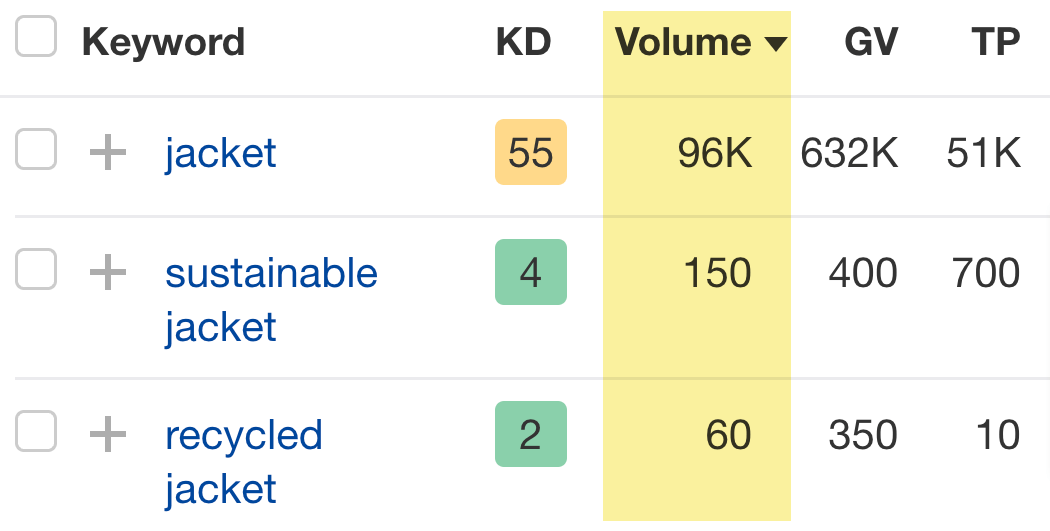
Because they’re niche, you can get ranked faster, sometimes in weeks or a few months, if the competition is light. Content must respond to real needs of your potential readers and demonstrate expert knowledge of the subject.
Cluster keywords together to create your authority in that area. It helps search engines view your site as a credible source. By observing search trends, you can identify nascent keyword opportunities, enabling you to act before the competition does.
How long to rank for keywords?
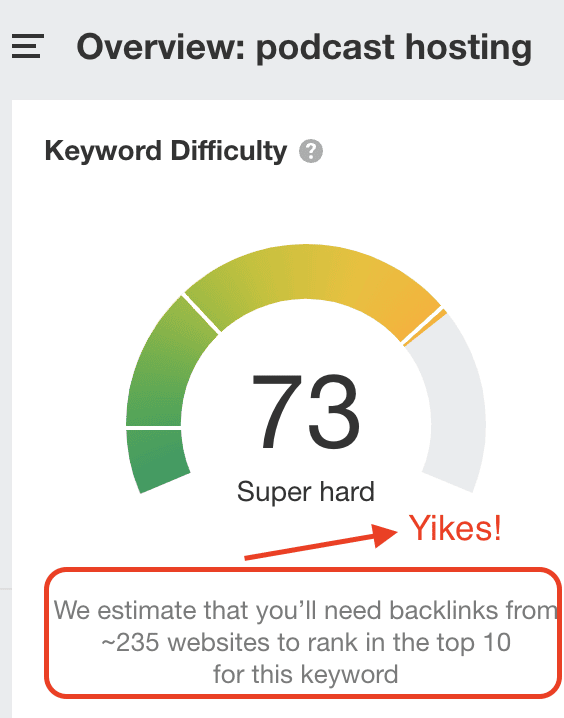
To rank for a keyword is a marathon, not a sprint. Timelines vary by industry, keyword competitiveness, domain age, and quality of your content may influence it. Most sites begin moving some in 3 to 6 months, but it’s rarely steady or quick.
Certain keywords, particularly those dominated by ultra high authority sites, can take 12 months or more to penetrate into the top positions. In reality, the typical top 10 ranking page is over two years old. The chances for new content to maintain a top 10 spot all year are low. Only 4.2% of domains did this in a recent research.
A typical ranking journey unfolds in stages:
- Indexing: Within days to weeks, search engines discover new content.
- Initial Ranking: By month two or three, a page might break into the top.
- Climbing: Between months four and six, rankings shift, but do not expect stability.
- Plateau: At six to twelve months, rankings settle. It may take over a year to reach the top if the field is competitive.
- Maintenance: Ongoing updates and monitoring keep your spot secure or help you reclaim it if you slip.
Tracking progress is essential. Use tools like Google Search Console to monitor your keywords, identify indexing problems, and tweak your strategy. Track rankings and traffic frequently, and be prepared to pivot if your pages plateau or fall out of the top 100.
1. Website Authority
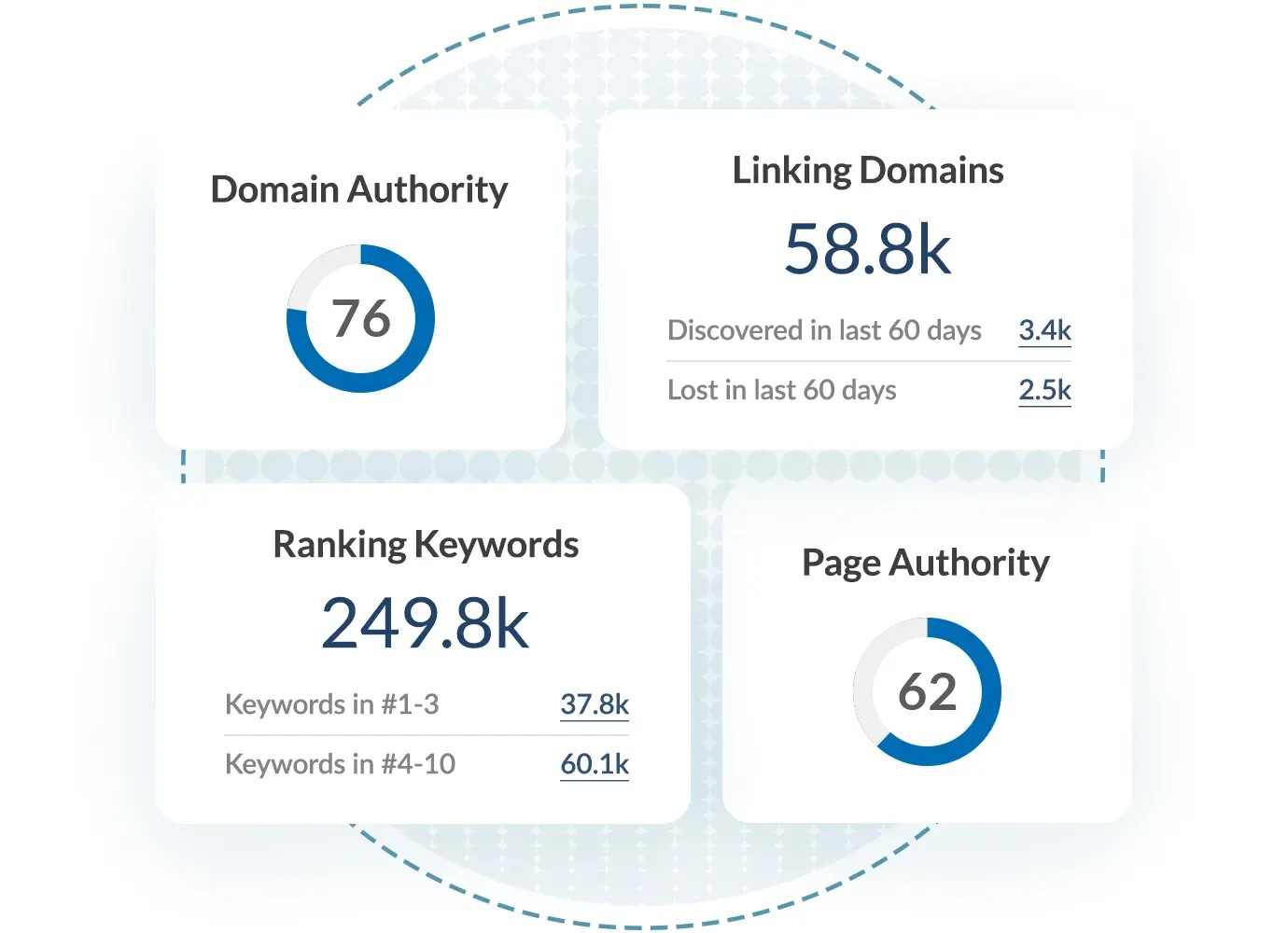
Domain authority is a huge driver of speed to rank. Older domains with a good backlink profile typically beat out new ones. Quality backlinks accelerate ranking, but they can take months to acquire.
Consider your competitors’ domains. If they’re seasoned, it’ll take more time to knock them down. Concentrate on content that is not just quality, but relevant and useful since search engines prioritize authority and trust.
2. Content Depth
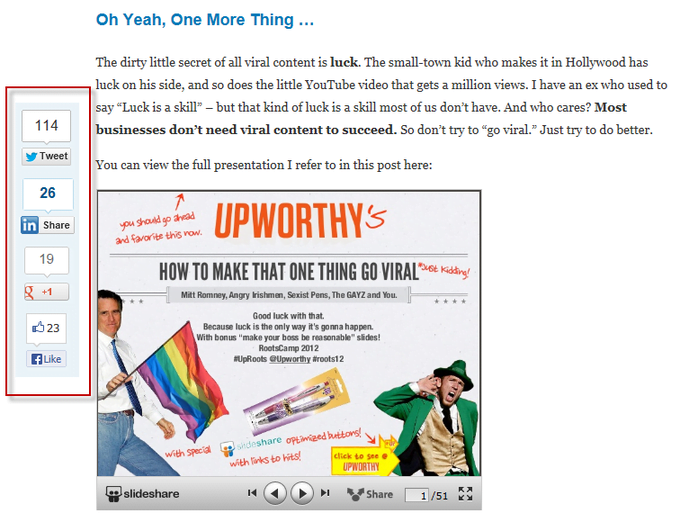
Digressive, detailed, and deep pages that answer questions completely and align with what people are seeking tend to rank more quickly. Use keywords naturally; don’t stuff.
Adding structured data and rich snippets can help you appear in enhanced search features, such as the knowledge panel and people ask. Make sure you keep your content fresh and update it frequently.
3. Keyword Competition
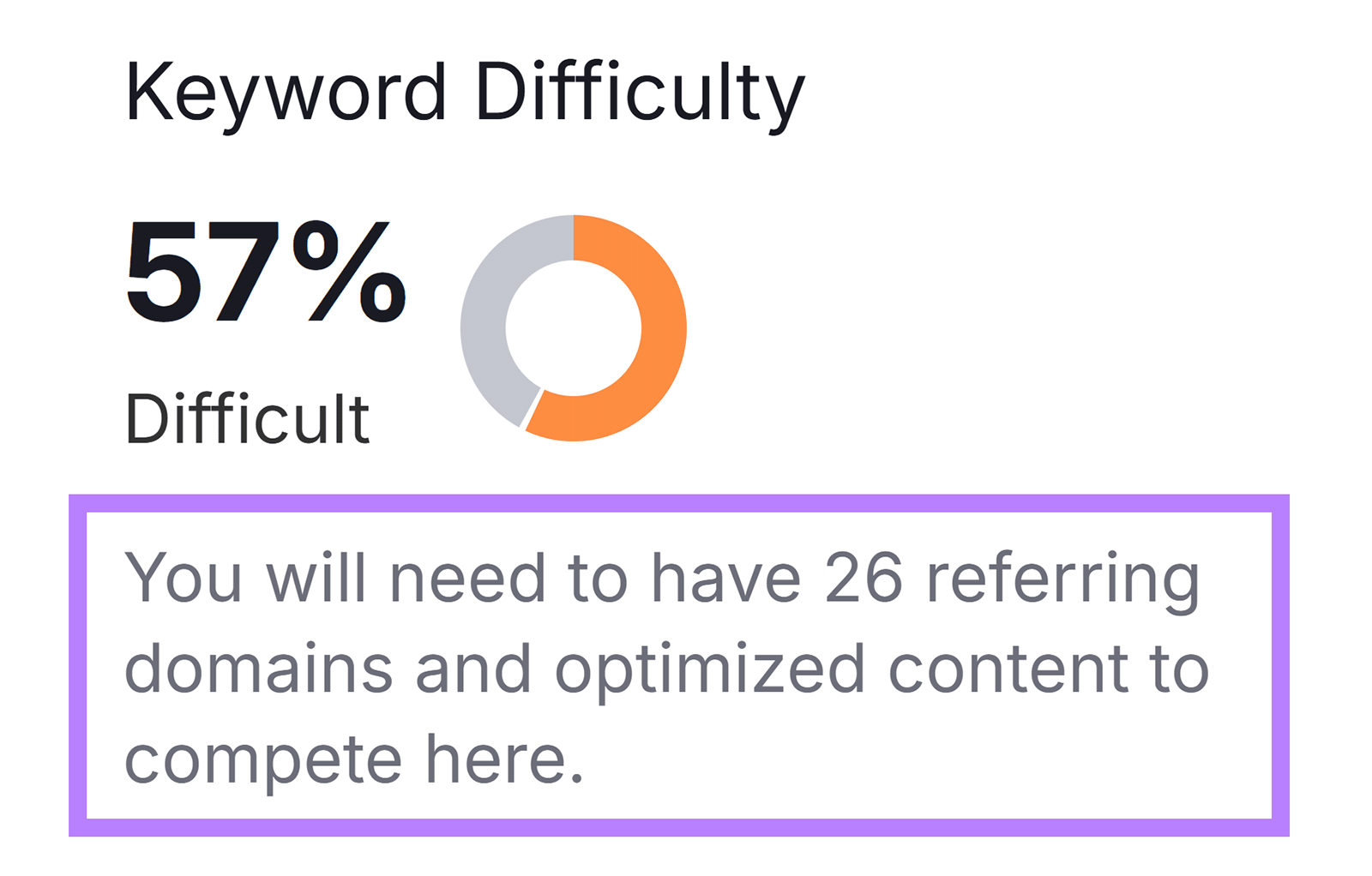
Begin with low competition keywords to improve your google rankings. Consider how long it will take to rank on targeted keywords, and observe your competition to identify their page rankings.
4. Backlink Velocity
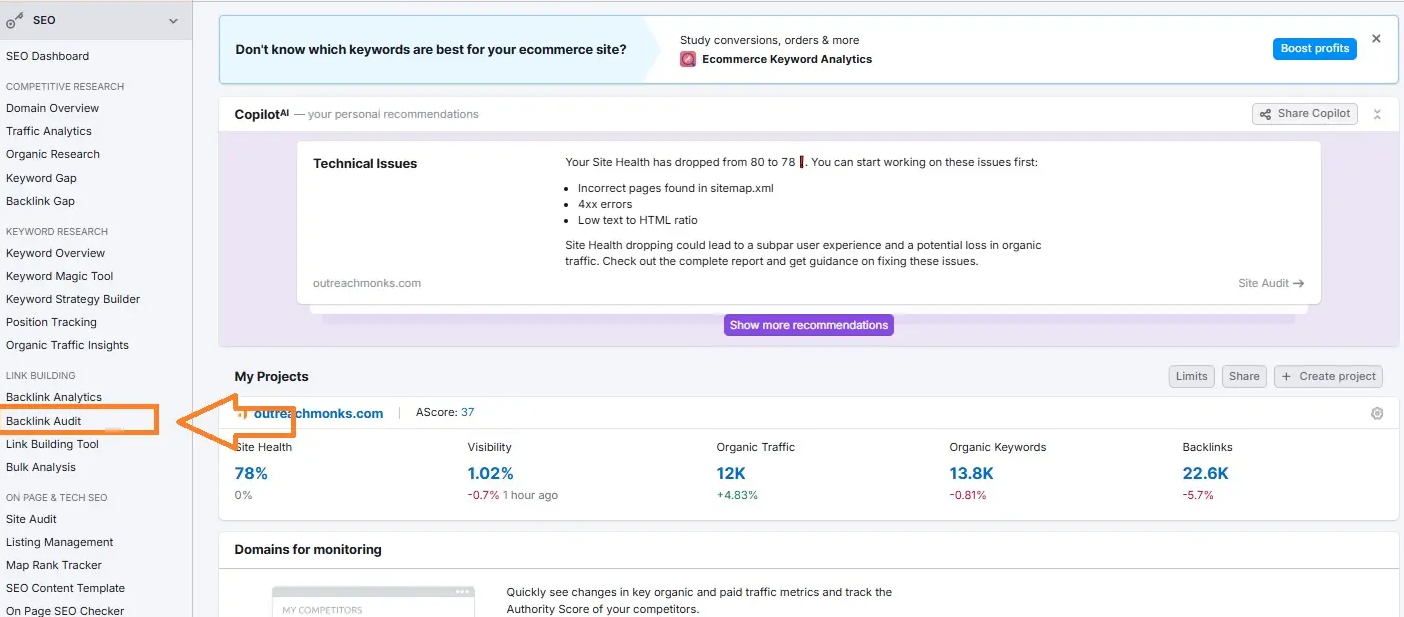
Links are still one of the highest ranking factors. Add links at a sustainable rate. A sudden spike can look unnatural.
Look at your backlink profile in terms of quality and relevance, not just quantity. Over time, slow, steady backlink growth builds authority and trust.
5. User Intent Match
Align your content with what users desire. Are they seeking information, a product, or a brand page? Research keywords to understand user intent.
Craft clear and useful content that either solves a problem or answers a query. Cover all search intent types so your pages accommodate every potential visitor.
The Ranking Volatility Phase
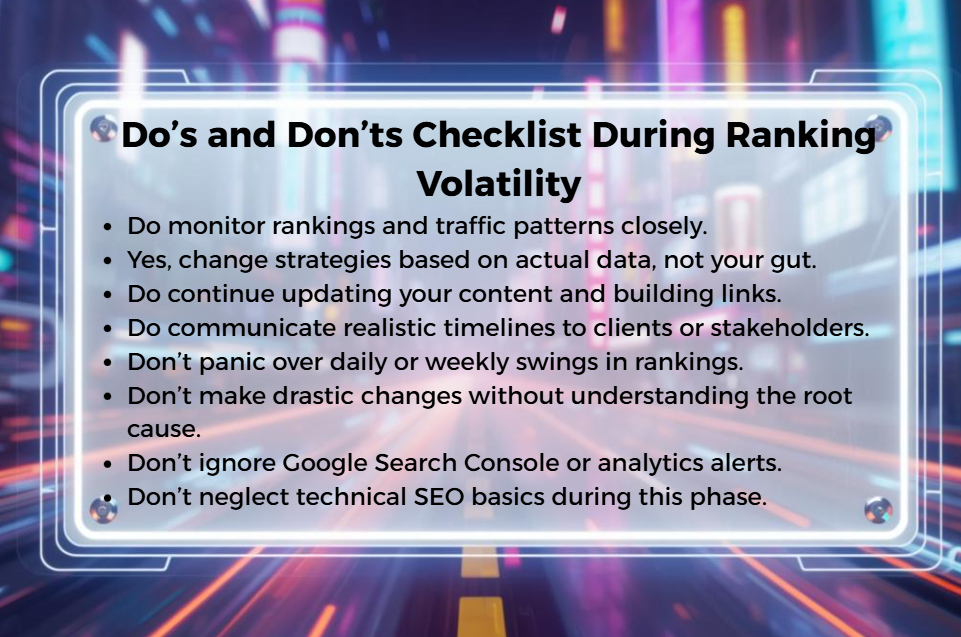
The ranking volatility phase, the so-called “trial period,” is when your search engine rankings bounce up and down after you begin SEO work. This phase can hit hard, typically around four months in. Pages leap or plummet by hundreds of spots.
Ranking volatility can be caused by algorithm updates, new competitors, or changes in searcher intent. It’s natural and not necessarily an indication your site is losing its way. For the majority, significant ranking shifts appear anywhere from three to twelve months.
Six months is a good time to check, but be patient. It can still take weeks or months for changes to settle in.
Initial Indexing
Getting your new website indexed fast is step one in a successful SEO strategy. Configure your site so that search engines can easily crawl and discover new pages, enhancing your search engine performance. Submitting a sitemap to Google Search Console accelerates indexing and provides Google with a helpful map of your site.
Internal linking is crucial; linking new pages from significant, high-traffic areas of your site allows crawlers to locate them more quickly, boosting your page rankings. This increases the likelihood of rapid indexing and improves your content quality.
Check your indexing status frequently using tools like Search Console to identify any mistakes or obstructions. Troubleshoot immediately to maintain flow and optimize your SEO results.
The Google Dance
The ‘Google Dance,’ as it’s known to SEO folks like us, are these crazy ranking shifts that happen immediately following your publishing. Your ranking volatility phase is not uncommon; it’s possible for a page to jump from 80 to 12th and back to 45th, all within a few days or weeks.
That’s because Google is putting your content to the test. It’s discovering where you stand relative to everyone else. Be patient, continue enhancing your page, and don’t give up updating your site with new content.
Trace what’s occurring with analytics. Look for patterns: do certain changes move you up or down? Take that info and iterate your strategy. Don’t chase every dip, but learn from the trends.
Settling Period
After the dance, rankings begin to solidify. This might take weeks or more, depending on your particular industry and the keyword difficulty.
Google needs time to balance out all the signals, including content, backlinks, and user engagement, before it settles on your ranking position. Continue to do optimizations in the meantime.
Track your SERP analytics to know when you get out of the volatility phase. Pop in and see what you’re ranking. Don’t await immediate gratification. Be patient.
Accelerate Your Ranking
It can take three to six months to begin ranking for a keyword, particularly with new sites. It takes less time, three to four months in some cases, with local SEO. In other industries, it may take as long as 24 months to experience genuine momentum. That’s why it’s worth deploying targeted tactics that can help accelerate this process.
Below are key ways to move the needle faster:
- Focus on long-tail keywords (three words or more)
- Build topic clusters around main subjects
- Optimize user signals like speed and mobile use
- Earn high-quality links from trusted sources
Target Long-Tails
Long tail keywords offer your best chance of getting fast results. These are three or more words that correspond to what people really type in search engines. For instance, ‘cheap biodegradable women’s shoes’ is more targeted and less competitive than simply ‘shoes’.
Using tools such as Google Keyword Planner or Answer the Public, identify long-tail opportunities that are relevant to your audience. Write to meet specific questions or needs, not just topics. See how each long-tail keyword accelerates your ranking. If a keyword slips, update content or swap keywords.
Long-tail targeting is a good fit for new sites, where it can take three to six months to appear. In local SEO, you may be witnessing activity within three or four months.
Build Topic Clusters
Cluster your content around related topics to assist search engines in recognizing your site as an authority. Begin by selecting a core subject, then develop multiple in-depth articles that reference it. For example, if your main pillar is “organic gardening,” your cluster might include posts on composting, pest control, and seed selection.
Internal links connect all these pages together, allowing users and search engines to better navigate your site. Back up your core piece with fresh articles or updates every few months to keep it current.
Sites with powerful topic clusters frequently retain their rankings for longer, even as search algorithms fluctuate.
Optimize User Signals
Search engines evaluate user behavior on your site, which significantly impacts your google rankings. If your pages load slowly or appear unattractive on mobile devices, users will bounce, damaging your seo performance. Ensure your site is optimized for mobile and loads in less than three seconds while maintaining clean, user-friendly layouts to improve content quality.
|
User Metric |
Good Value |
Impact on Ranking |
|---|---|---|
|
Page Speed |
< 3 seconds |
Higher |
|
Bounce Rate |
< 50% |
Positive |
|
Mobile Friendly |
Yes |
Essential |
|
Avg. Session Time |
> 2 minutes |
Boosts |
Experiment with headlines, images, or layouts to enhance your content strategy. Conduct A/B tests to identify what keeps users engaged and encourages clicks, ultimately boosting your ranking content in search engine results pages.
Earn Quality Links
Links from trusted sites remain a top ranking factor. Contact industry leaders, bloggers, or news sites for backlinks. Contribute your expertise or pitch original stories. One great article a month can generate more links than a fervent production of mediocre posts.
Watch your links. Cut out or disavow poor-quality ones that can pull you down. A few strong links will do more than a bunch of weak ones.
Conclusion
How long does it take to rank for a keyword? Your new site might wait months. If you’ve got an older domain with good links and fresh content, you can grow in weeks. There’s no magic clock running the show; each keyword, niche, and site charts its own course. You might experience rapid page leaps, observe gradual ascents, or surf the ebbs and flows of search updates. Some of your competitors rejoice after three weeks while others hustle for half a year before a victory. Your success comes from defined aims and focused effort on content freshness and link quality—with tools like SirLinksALot.co helping you stay on top of your backlink strategy. Have a tough keyword in your sights or need some strategic guidance? We can help you build the right ranking strategy.
Frequently Asked Questions
How long does it usually take to rank for a new keyword?
How long does it take for a new website to achieve google rankings for a targeted keyword? Typically, it can take three to six months, especially if you’re not competing against a very authoritative website.
What factors affect how quickly a keyword ranks?
The most important factors for search engine optimization are content quality, site authority, and quality backlinks.
Can ranking times differ between industries?
Yes, ranking times vary; competitive terms may take longer, while low-competition niches can achieve higher google rankings faster.
How can I speed up keyword ranking?
Produce quality, relevant content to improve google rankings and implement on-page SEO.
Does ranking on the first page ensure top positions?
No, achieving first page rankings is no guarantee of top spots. Ongoing optimization and tracking are essential for sustaining better search engine rankings.
Why does ranking for keywords change over time?
Rankings are subject to change due to shifts in search trends, user behavior, and updates to the google algorithm.
Is it possible to rank for multiple keywords at once?
Yes, one page can rank for several targeted keywords.